
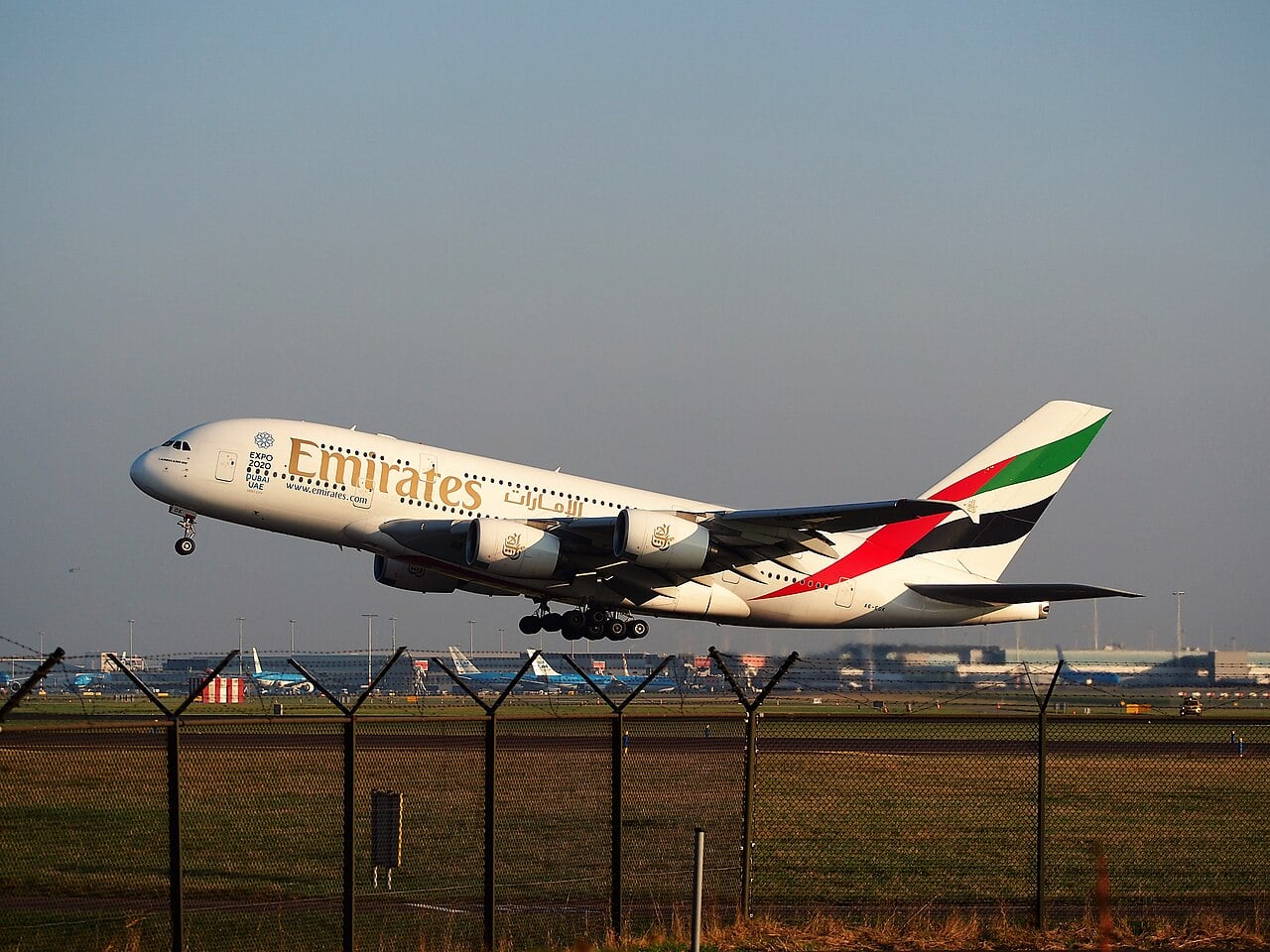
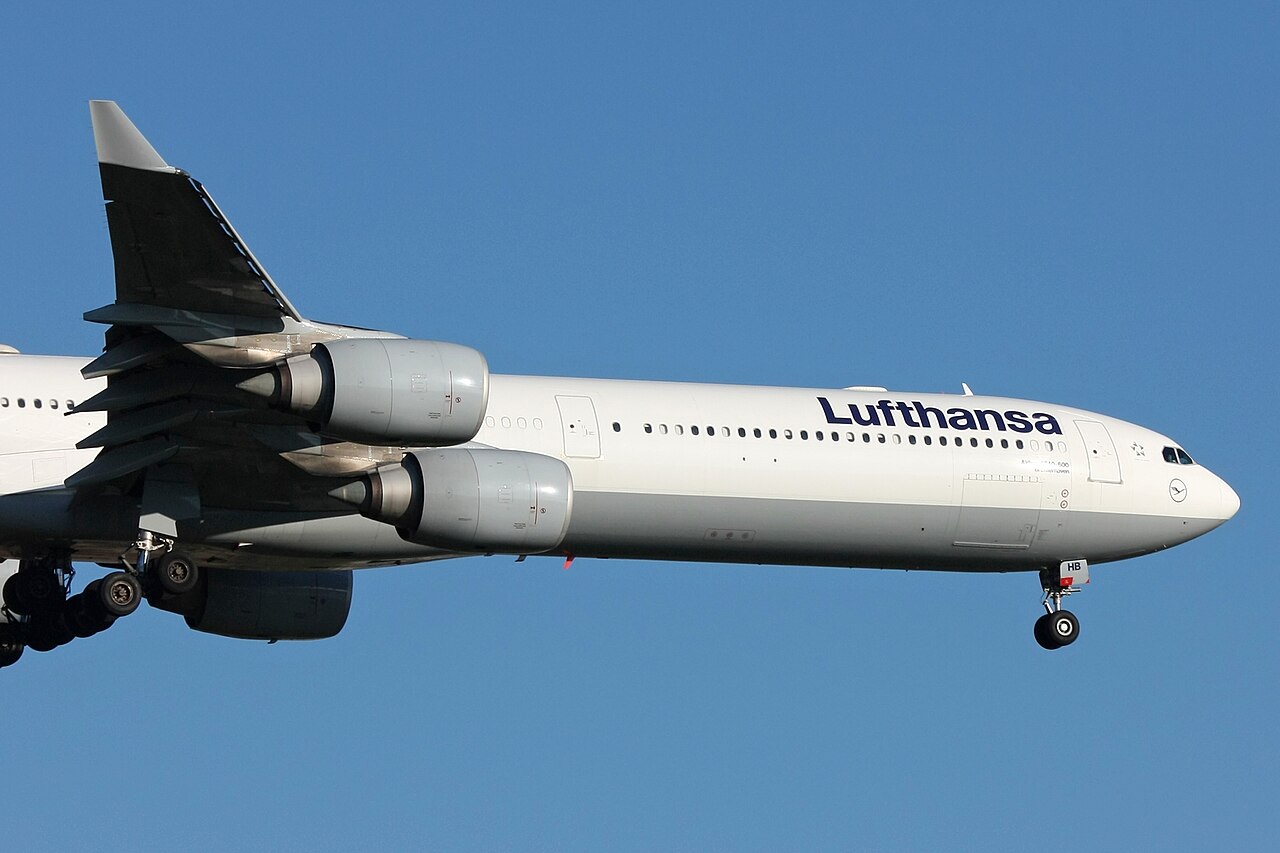
On Monday morning, Lufthansa flew its last Airbus A340-600 passenger service into Frankfurt. The Boeing 747 has been out of production since 2022. The last Airbus A380 was delivered in 2021. In barely five years, the four-engined long-haul airliner has gone from the backbone of world travel to a museum piece.
It was not a failure of engineering. These were some of the most capable aircraft ever built. They were beaten by arithmetic, and by a set of rules that slowly convinced airlines and regulators that two engines were enough to cross any ocean.
Informazioni rapide
- Boeing 747: 1,574 built; first flight 9 February 1969; last delivery 31 January 2023 (747-8F to Atlas Air)
- Airbus A380: 254 built, 251 delivered; last delivery 16 December 2021 (Emirates)
- Airbus A340: 377 delivered; production end announced 10 November 2011
- Lufthansa A340-600: Final passenger flight LH419, 19 October 2026
- ETOPS: Rules letting twinjets fly long distances from diversion airports
- Highest rating: ETOPS-370, first granted to the Airbus A350
Why Four Engines in the First Place
When the Lufthansa A340-600 retired this week, it closed a design logic that went back decades. Early jet engines did not produce enough thrust to lift a big long-haul airliner on two. And regulators did not trust twins far from land: if one engine failed over the middle of the Atlantic, the other had to keep the aircraft flying for hours.
Four engines solved both problems. The 747 entered service with Pan Am in January 1970 and made long-haul travel affordable. When Airbus designed the A340 in the late 1980s, it also chose four engines, partly because the available engines lacked the thrust for a twin of that size, and partly because four engines avoided the restrictions placed on twins over water.
ETOPS Changes Everything
The rules that changed the game are called ETOPS, Extended-range Twin-engine Operations Performance Standards. Each rating sets how far, in minutes of flying on one engine, a twinjet may be from a suitable diversion airport. In February 1985, TWA flew the first 120-minute ETOPS revenue service, a Boeing 767 from Boston to Paris.
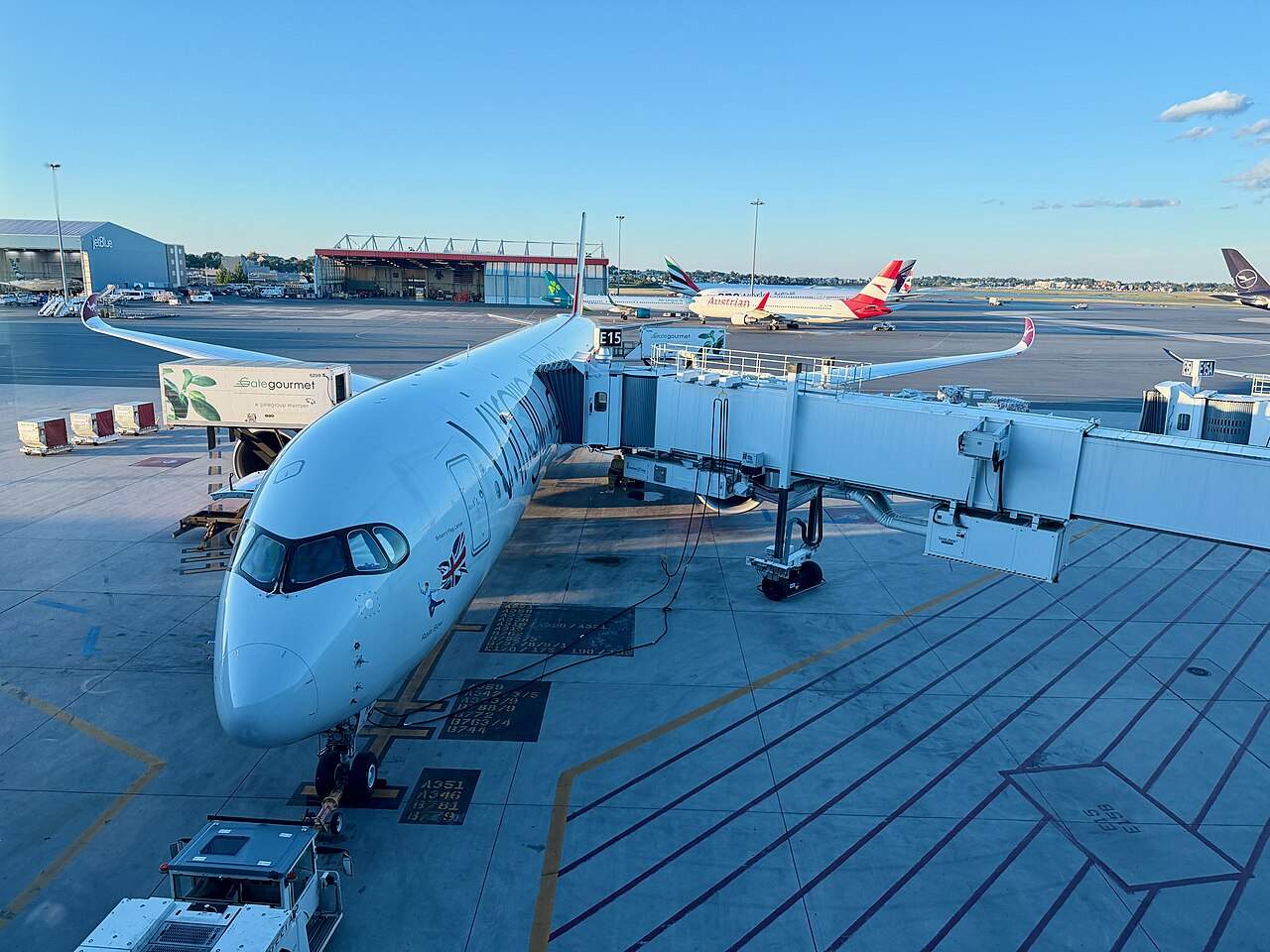
The ratings kept climbing as engines proved their reliability. The Boeing 777 became the first aircraft to enter service already cleared for 180 minutes. The Airbus A350 was the first to receive ETOPS-370, which covers almost the entire planet. With that, there were very few routes left that needed four engines at all.
Ruairidh MacVeigh on the death of the quadjets.
The Fuel Bill
Then there is cost. Two large modern engines of the same total thrust as four older ones burn roughly 20 to 30 percent less fuel, aeroTELEGRAPH noted this week. They also mean half as many engines to inspect, overhaul and lease. When fuel prices rise, as they did in 2026, the gap becomes impossible to ignore.
The A380 suffered most. Airbus announced in February 2019 that it would stop building it after Emirates cut an order, and the last of 251 delivered aircraft went to Emirates in December 2021. Airlines had moved away from flying huge numbers of people between a few hubs and towards flying medium-size twins point to point.
Who Still Flies Four
The quadjet is not quite gone. Emirates still flies a large A380 fleet, Lufthansa kept its A340-300s a little longer, and the 747-8 remains a workhorse for cargo airlines and as a presidential transport. A handful of smaller operators still fly A340-600s. But nobody is building new four-engined airliners, and nobody plans to.
For passengers who love them, the message is simple: if you want one more flight on four engines, book it soon. Every year, there are fewer of them left in the sky.
Sources: Wikipedia (Boeing 747, Airbus A380, Airbus A340, ETOPS), aeroTELEGRAPH, Lufthansa Group
0 Comments