
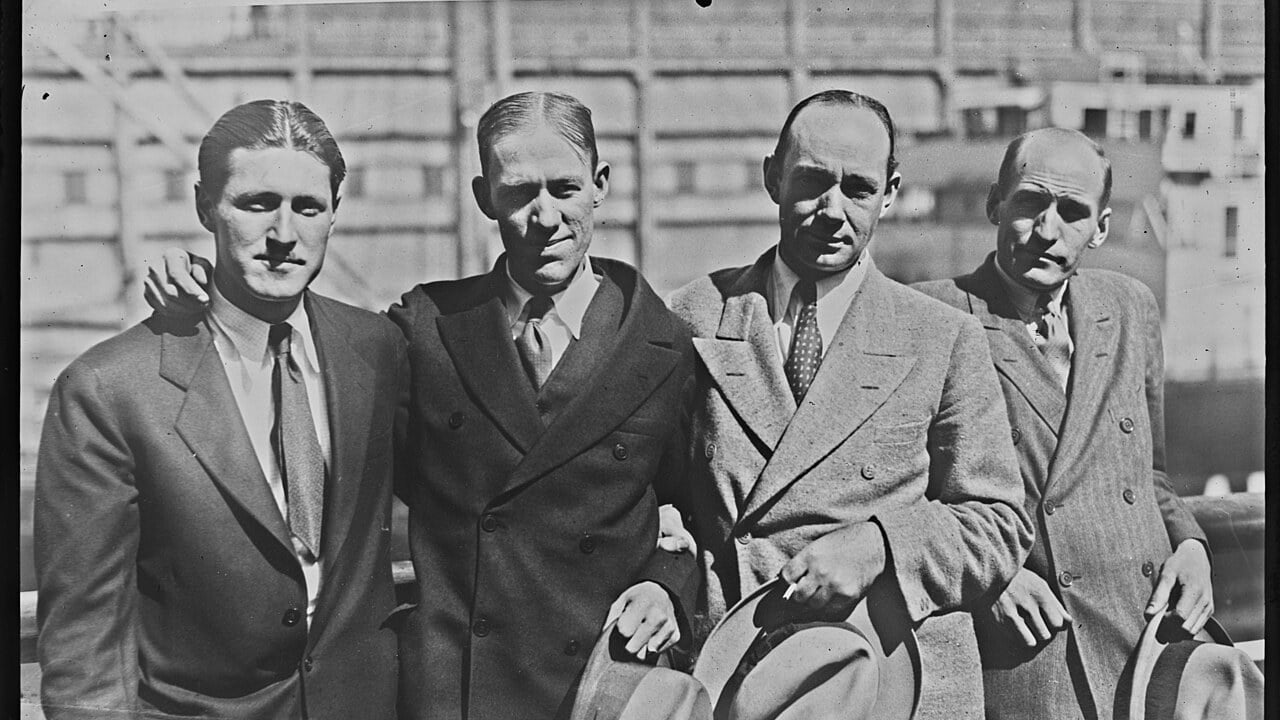
There were no runways at Point Barrow, the northernmost tip of Alaska, in April 1928. There was snow, ice, a scraped strip, and a single-engine wooden monoplane on skis. Inside it sat two men about to try something nobody had done: fly an aeroplane across the Arctic Ocean, from North America to Europe.
The navigator was Hubert Wilkins, an Australian explorer and former war photographer. The pilot was Carl Ben Eielson, a North Dakota schoolteacher turned Alaskan bush pilot. Their aircraft was a Lockheed Vega, only the third of its type ever built. Ahead of them lay about 2,200 miles of ice, much of it never seen from the air, and no compass they could trust.
They took off on 15 April 1928. Around 20 hours later, lost in a blizzard and short of fuel, they came down on an island off Spitsbergen. It would be days before anyone knew they were alive.
Informazioni rapide
- Volo: First aeroplane crossing of the Arctic Ocean
- Equipaggio: Hubert Wilkins (navigator), Carl Ben Eielson (pilot)
- Aeromobili: Lockheed Vega NX3903, single Wright Whirlwind radial engine, on skis
- Partenza: Point Barrow, Alaska, 15 April 1928
- Destinazione: Green Harbour, Spitsbergen
- Distanza: About 2,200 miles (3,540 km)
- Flying time: About 20 to 21 hours, plus four to five days stranded by a blizzard
- Onorificenze: Wilkins knighted in 1928; Eielson awarded the Harmon Trophy
Two unlikely partners
Wilkins, born in 1888 in South Australia, had already lived several lives. He had worked as a cinematographer and pioneer aerial photographer, joined the Canadian Arctic Expedition of 1913, and served in the First World War as an official Australian war photographer. He won the Military Cross and a bar to it, and remains the only Australian official photographer from any war to have received a combat medal.
Eielson, born in 1897 to Norwegian immigrant parents in Hatton, North Dakota, had learned to fly in the US Army Air Service in the last year of the war. He went to Alaska to teach school and instead became one of its first bush pilots, flying the territory’s first air mail from Fairbanks to McGrath in 1924.
Their partnership had already been tested. In March 1927, flying north from Alaska, they landed on the drift ice of the Arctic Ocean, the first time a land plane had touched down there. Soundings through the ice showed some 16,000 feet of water beneath them. Wilkins came away convinced that aircraft were the future of polar exploration.
The right aeroplane
The earlier Detroit News-Wilkins Arctic expeditions of 1926 and 1927 had not achieved their goal. One of their aircraft, a big three-engined Fokker called the Detroiter, had crashed in Alaska in 1926. Wilkins had it repaired, decided it was too large for his kind of exploration, and sold it to two Australians in San Francisco, Charles Kingsford Smith and Charles Ulm. They fitted it with engines, renamed it the Croce del Sud, and in 1928 flew it across the Pacific to Australia.
Wilkins instead chose a new design he had seen fly in California: the Lockheed Vega. Designed by Jack Northrop, it had a streamlined fuselage of moulded plywood and a cantilever wing with no struts or bracing wires. Its single Wright Whirlwind radial produced around 225 horsepower. The Vega that Wilkins bought carried the registration NX3903.
Navigation was the real problem. So close to the magnetic pole, a compass is unreliable. Wilkins worked out their position by taking sights of the sun with a sextant, which, in April at those latitudes, stayed above the horizon throughout the flight. The planned route ran across the Canadian Arctic islands and past northern Greenland to Spitsbergen.
Archive newsreel from Reuters of Wilkins and Eielson departing on their 1928 flight from Alaska towards Norway.
Across the top of the world
The Vega left Point Barrow on 15 April 1928. For hour after hour it droned east over pack ice, cloud and storms, Eielson flying and Wilkins working his sextant and charts. Much of the territory they crossed had never been seen from an aircraft. The flight covered about 2,200 miles, roughly 3,540 km.
Near the end, as they approached Spitsbergen, they ran into a severe storm. With fuel running low and visibility gone, Eielson brought the Vega down on a small island off Spitsbergen, known as Deadman’s Island. The blizzard kept them there for days. Sources differ on whether it was four or five.
When the weather finally cleared, the skis kept freezing to the snow and getting airborne again took real effort. Once airborne, they climbed and almost immediately saw the radio masts at Green Harbour, their destination. They had landed only a short hop away from it.
Heroes in Europe
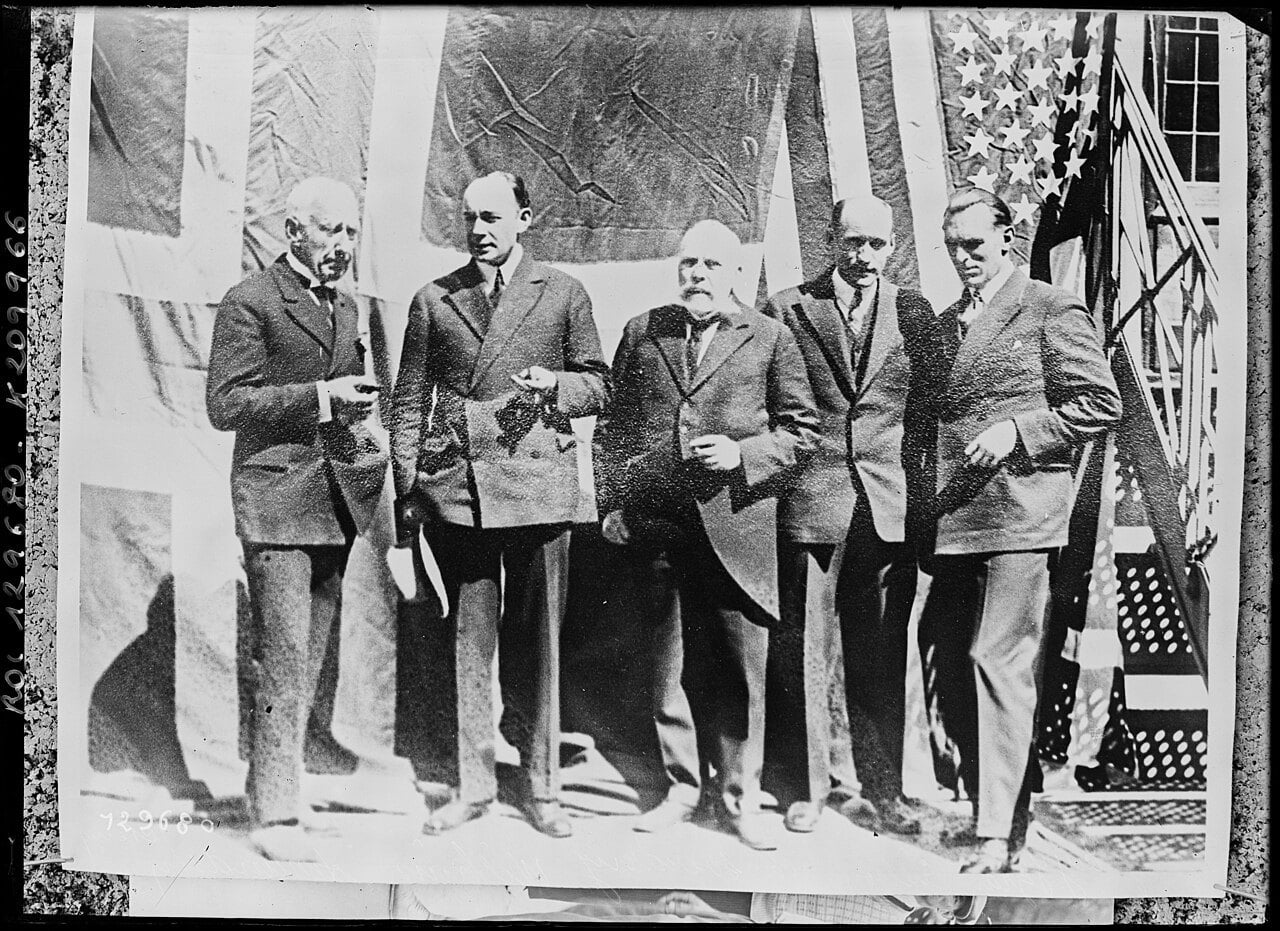
The news turned two little-known explorers into celebrities. Their flight was the first by aeroplane across the Arctic Ocean, and the first flight from North America over the Arctic to Europe. The Norwegian explorer Roald Amundsen, who had crossed the pole by airship two years earlier, was among those who praised it.
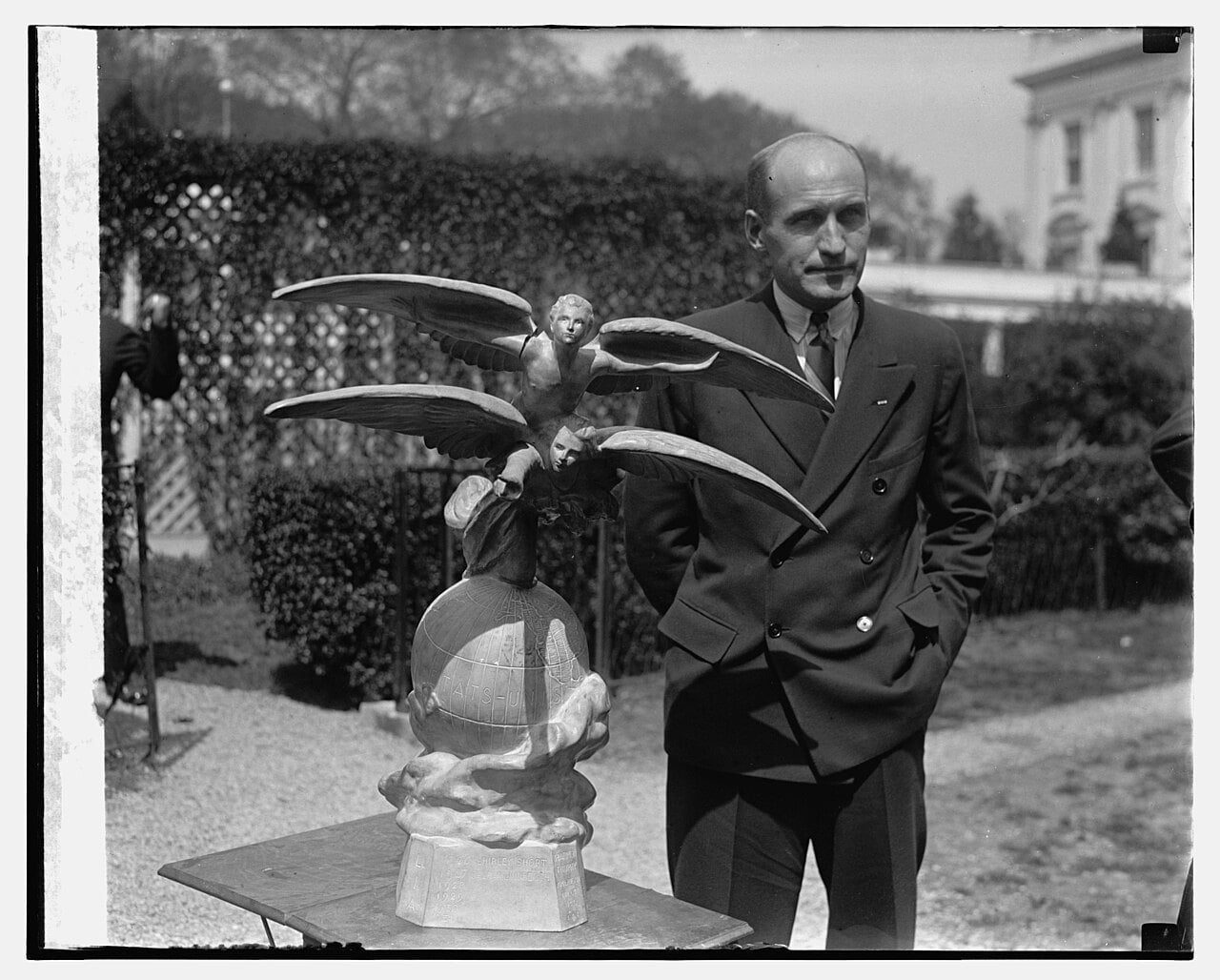
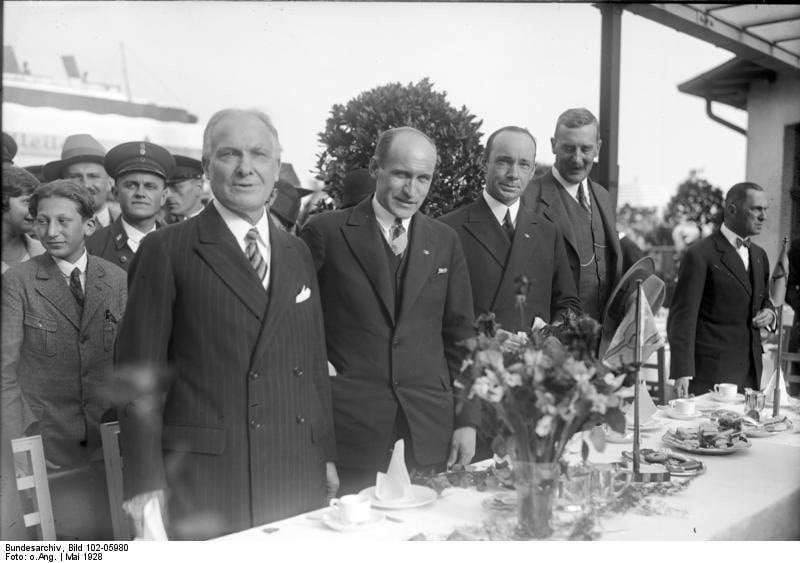
Wilkins was knighted in the 1928 Birthday Honours and became Sir Hubert. The pair were fêted across Europe, including at a reception in Berlin in May 1928. Eielson received the Distinguished Flying Cross and the Harmon Trophy, both presented to him in spring 1929.
They did not stop. In December 1928 Wilkins and Eielson took off from Deception Island and made the first aeroplane flights over Antarctica, along the eastern side of the Antarctic Peninsula. In a single year they had flown over both polar regions.
What came after
Eielson went back to Alaska to set up a new airline, Alaskan Airways. In November 1929 he and his mechanic, Earl Borland, were killed when their aircraft crashed in Siberia during a mission to bring furs and passengers out of a ship trapped in the ice. He was 32. Eielson Air Force Base in Alaska carries his name today, along with Mount Eielson and the visitor centre at Denali National Park.
Wilkins kept exploring for decades. In 1931 he took a submarine, the Nautilus, under the edge of the Arctic ice to show that submarines could operate beneath the polar ice cap. When he died in 1958, the US Navy carried his ashes to the North Pole aboard the submarine USS Skate, which scattered them there on 17 March 1959.
A documentary on Carl Ben Eielson’s life, from Alaskan bush flying to the flight over the top of the world.
Today, airliners cross the Arctic on polar routes every day, their crews navigating by satellite. In April 1928 the same crossing took a wooden aeroplane, a sextant, a blizzard on a nameless rock, and two men who were willing to bet their lives that they could find a radio mast at the far end of the world.
Sources: National Film and Sound Archive of Australia, This Day in Aviation, Air & Space Forces Magazine, Library of Congress, German Federal Archives (Bundesarchiv), Bibliothèque nationale de France
Header photo: Agence Pacific and Atlantic, 1928 / Bibliothèque nationale de France via Wikimedia Commons, public domain

0 Comments