
On Sunday morning, people in northern Lithuania were told to take shelter. An unidentified drone was crossing the country, NATO fighters were climbing to find it, and nobody yet knew whose it was. Then it came down near the village of Juodžionys and exploded, scattering debris across a road and into a passing car.
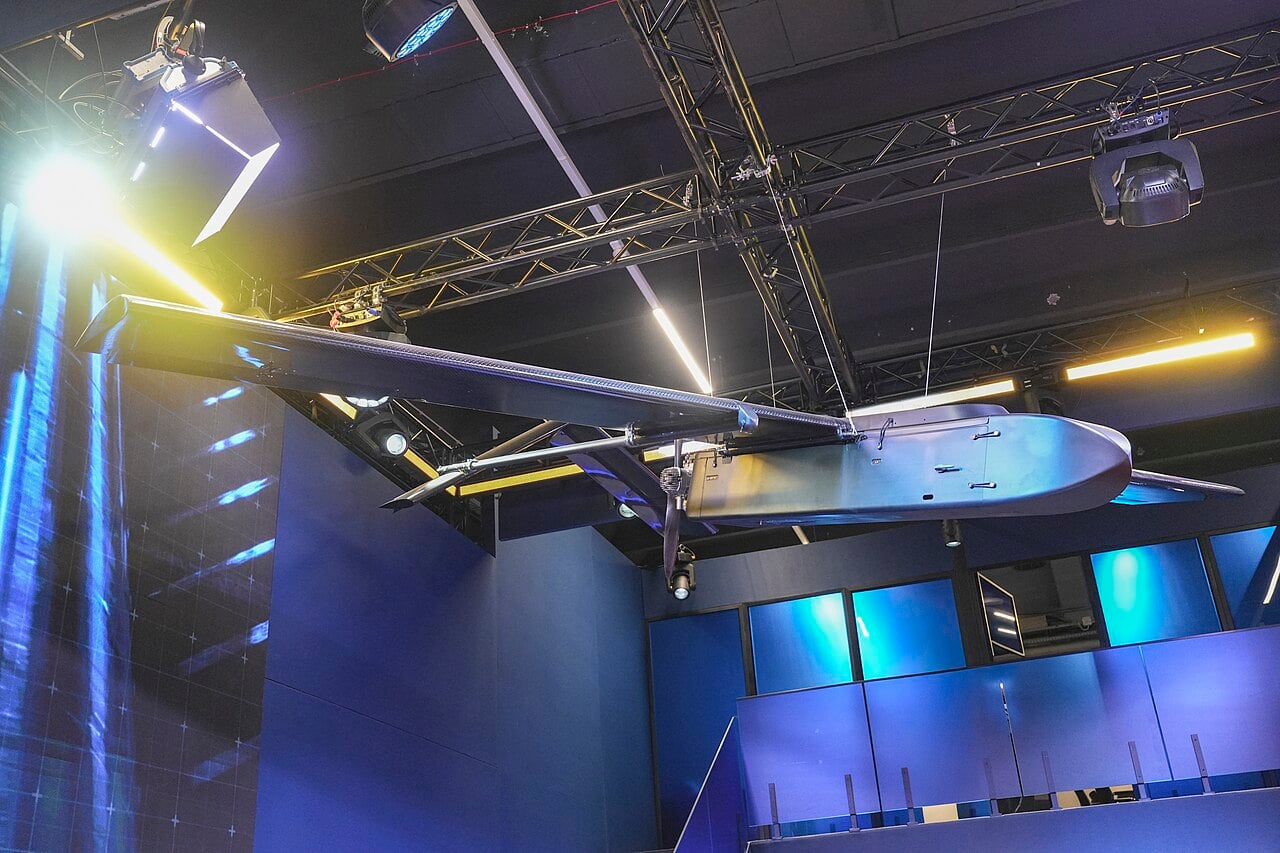
A day later, the mystery has an answer, and it is not the one many people expected. Lithuanian authorities say the drone was a Ukrainian Fire Point FP-1, part of a large overnight attack on targets around St Petersburg, and that Russian jamming most likely pushed it off course. Kyiv has apologised.
This is an update to our Sunday report, Lithuania Drone Incident: Suspected Drone Explodes, Not Shot Down.
Quick Facts
- Date: Sunday 18 October 2026, early morning
- Crash site: Near Juodžionys, Pasvalys district, about 10 km from the Latvian border
- Drone: Ukrainian Fire Point FP-1 long-range attack drone (per Lithuanian authorities)
- Damage: Debris hit a civilian car; no one was hurt
- Fighters: Italian Eurofighters on NATO Baltic Air Policing were scrambled
- Likely cause: Russian electronic warfare, according to Lithuania and Ukraine
- Open question: Lithuania says it entered from Poland; Poland says it has no confirmation
Part of the St Petersburg Raid
Defence Minister Robertas Kaunas told LRT television on Sunday night that the drone belonged to the same operation as Ukraine's overnight strike on the St Petersburg region. Leningrad region governor Alexander Drozdenko claimed Russian air defences had shot down 126 drones there, a figure that cannot be independently verified.
Kaunas said some of the drones strayed into Lithuania because of Russian electronic warfare. Ukraine's Foreign Ministry spokesman Heorhii Tykhyi said the same on X: the drone had been heading for military targets in Russia, and Russia had likely jammed it. In a statement, the ministry said it apologised "for any inconvenience, risks, and concerns that may have arisen as a result of this incident."
The FP-1: Ukraine's Cheap Long-Range Workhorse
The FP-1 is built by Fire Point, a Ukrainian company that went into full-scale production in late 2024. It is a propeller-driven one-way attack drone with a modular warhead of 60 to 120 kg and a range of up to 1,600 km, launched with a solid rocket booster. Each one reportedly costs around 55,000 US dollars, a fraction of the price of a cruise missile.
That range is the point. From Ukraine, St Petersburg is a flight of roughly 1,000 km or more through dense Russian air defences and electronic warfare. A drone that loses its navigation over the Baltic approaches can easily end up in Latvia, Estonia, Finland or Lithuania. It has happened before: Ukraine apologised to the Baltic states and Finland in March after earlier strays, and a Romanian F-16 shot down a suspected Ukrainian drone over Estonia in May.
Why the Fighters Did Not Shoot
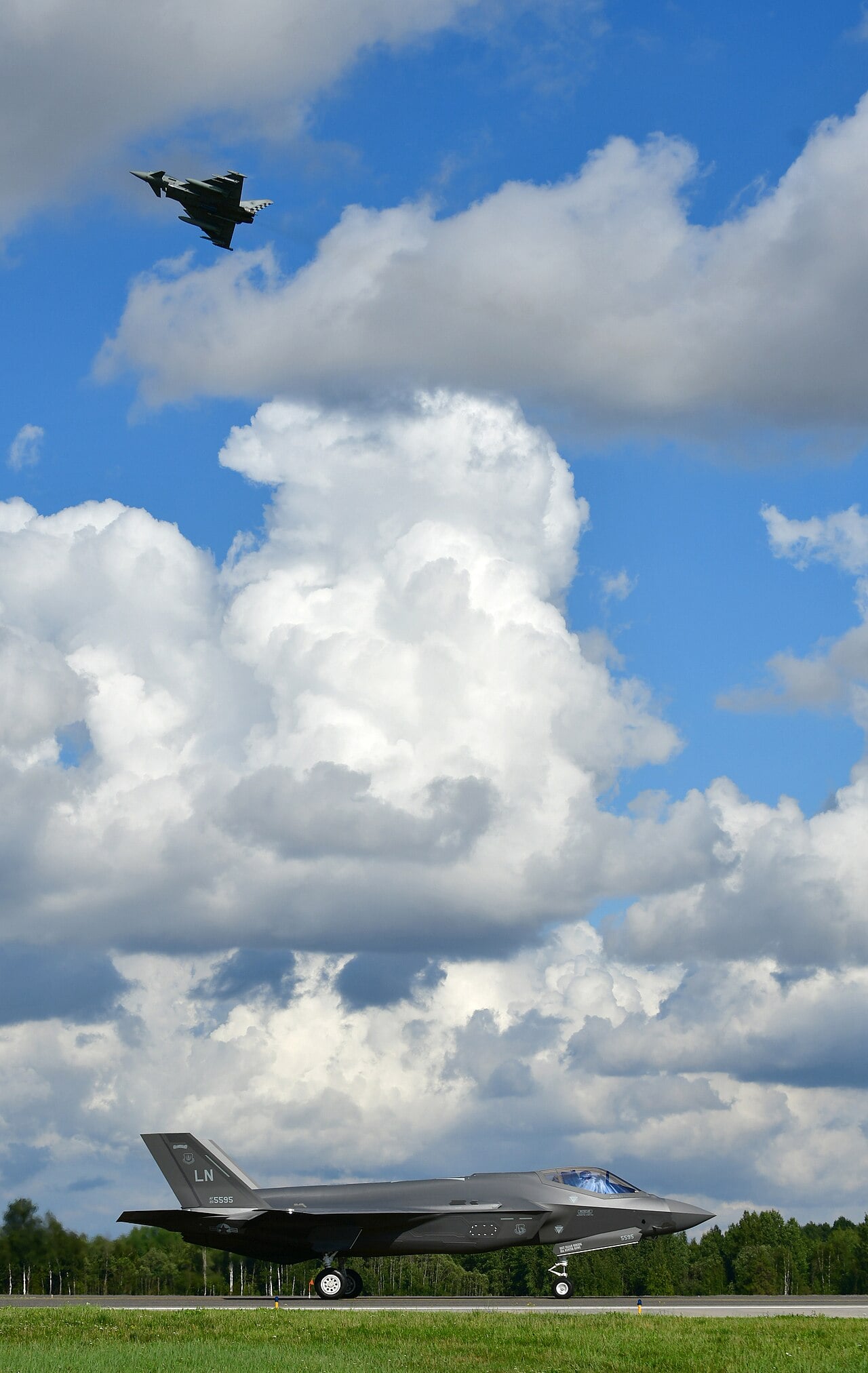
The Lithuanian Air Force has no fighters of its own, so NATO's Baltic Air Policing mission guards its skies. On Sunday that meant Italian Air Force Eurofighter Typhoons. They were scrambled, but difficult weather stopped them from visually identifying the object, Defence24 reports. Red air alerts covered Šiauliai and Panevėžys counties and a yellow alert covered Kaunas; all were lifted after about an hour.
Kaunas said fighter jets remain the best answer to aerial threats for now. He also made a sharper point about the years Lithuania lost.
Did It Come Through Poland?
One question is still open. Deividas Matulionis, national security adviser to Lithuania's president, said Vilnius has substantiated data that the drone crossed the Polish border, and Prime Minister Mindaugas Sinkevičius said it came through the Schengen area from Poland. Poland's defence ministry spokesperson Janusz Sejmej said there was no confirmation of a crossing from Poland into Lithuania.
The crash site is more than 200 km from the Polish border. Lithuania has proposed a joint investigation with Poland and is still searching for the drone's computer equipment, which could settle the route.
TVP World on the overnight Ukrainian drone strike on the St Petersburg region, the operation Lithuania says the stray drone was part of.
For now, the episode leaves NATO's eastern flank with an awkward lesson. The drones crossing its airspace are no longer only Russian. Some of them are Ukrainian, knocked off course in a war being fought next door, and the jets on alert have to treat every one the same way.
Sources: LRT, Defence24, LIGA.net, Ukrainian Foreign Ministry, Wikipedia (Fire Point FP-1)


0 Comments