
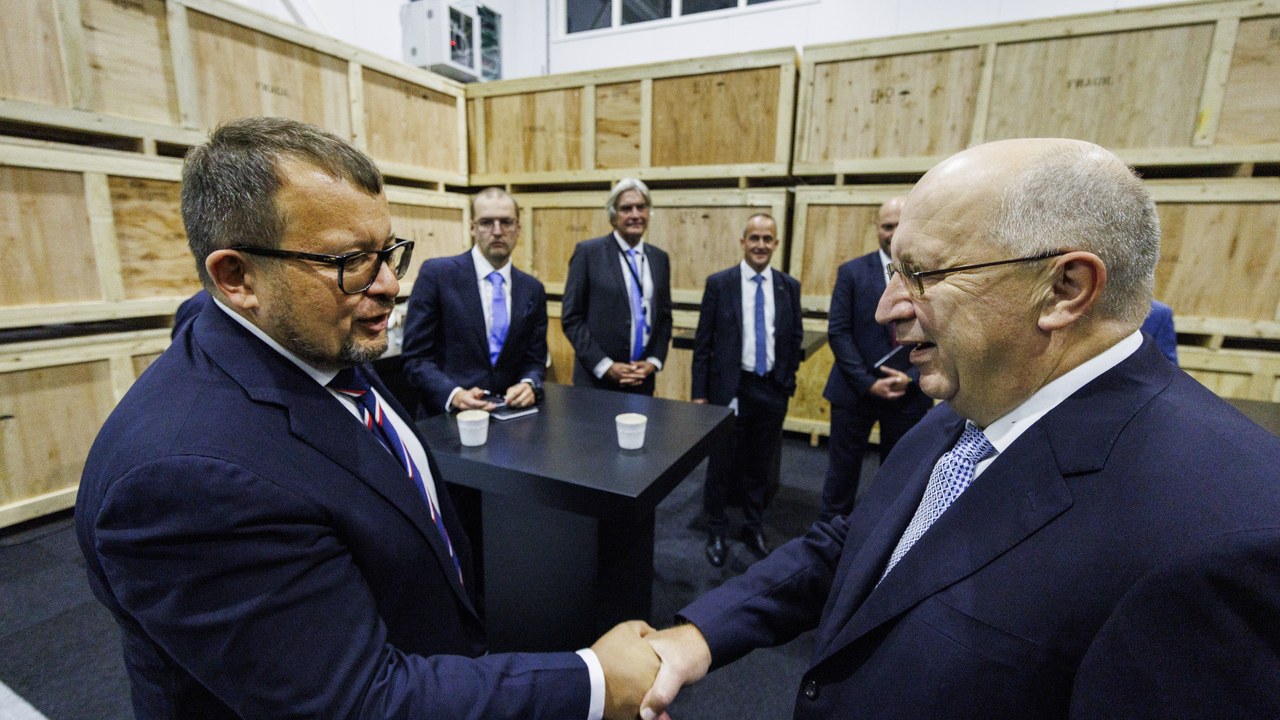
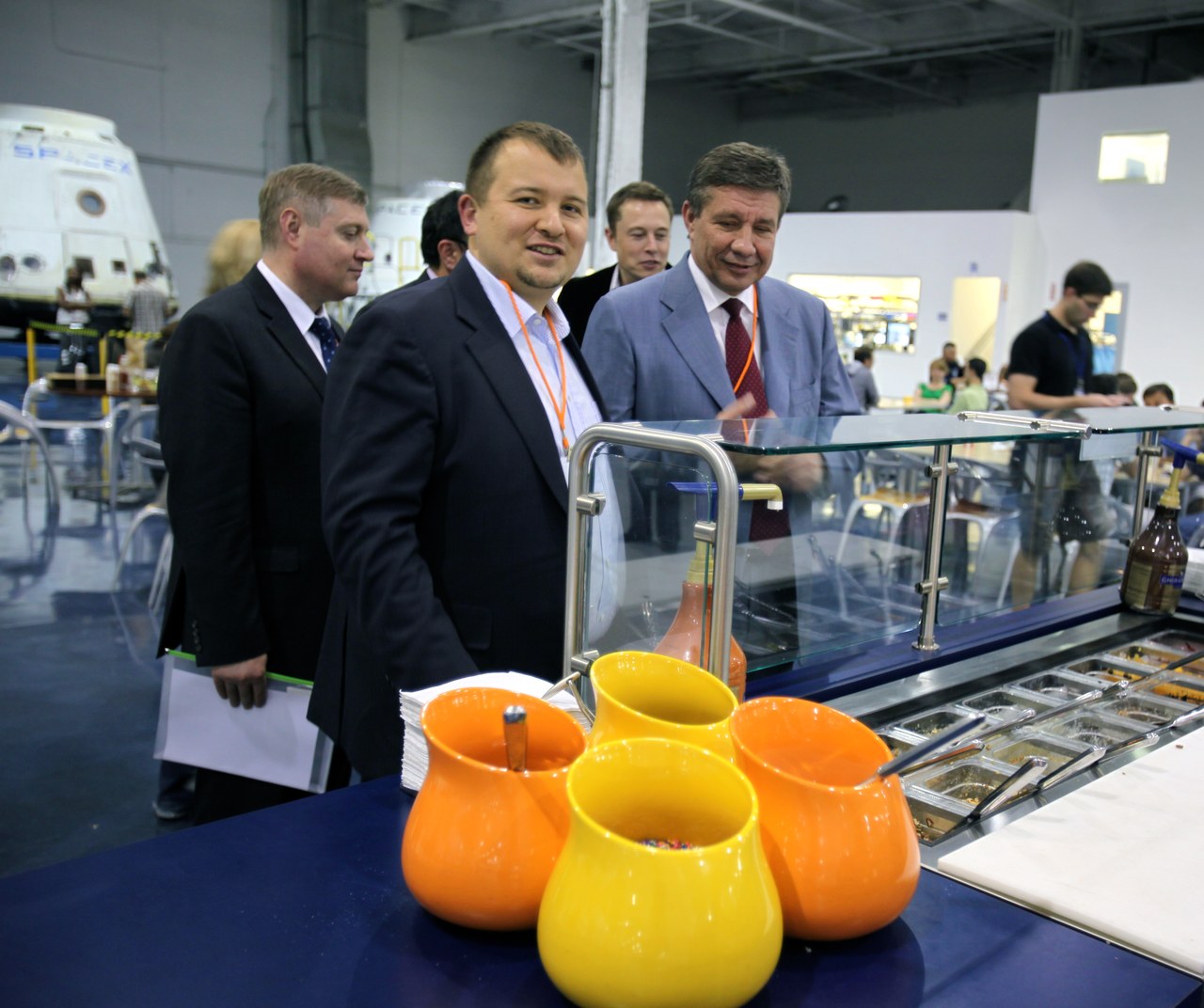
In May 2012, a delegation from Roscosmos, Russia’s space agency, toured the SpaceX factory in California and stopped at the frozen-yogurt bar. At the front of the group, grinning for the camera, stood a 35-year-old physicist from Siberia who had made his money in Russian retail and was now betting it on satellites.
Fourteen years later, Mikhail Kokorich runs Destinus, the company whose Ruta missiles Ukraine has fired at the Crimean Bridge. Between those two moments lie a Siberian childhood, a string of Russian businesses, a satellite start-up that ended in bankruptcy, an American space company he was forced to leave, a US securities case and a Russian passport handed back to the embassy.
Quick Facts
- Born: 11 October 1976, Chita region, Siberia
- Education: Physics, Novosibirsk State University; Stanford Executive Program; MBA, Moscow School of Management
- Russian businesses: Dauria (1997), Chudodom retail (2004), Tekhnosila (owned 2010-2012)
- Space ventures: Dauria Aerospace (2011 or 2012), Astro Digital, Momentus (2017)
- Left Momentus: Stepped down as CEO in January 2021 over US national security concerns; fully divested by June 2021
- SEC case: Charged July 2021; consent judgment November 2024 without admitting or denying: $2 million penalty, five-year officer and director bar
- Destinus: Founded 2021 in Payerne, Switzerland; now headquartered in the Netherlands
- Citizenship: Renounced Russian citizenship January 2024; says he holds another citizenship but has not named the country
A physicist from Dauria
Kokorich was born on 11 October 1976 in the Chita region of eastern Siberia, Meduza and Radio Svoboda report. Russian biographical profiles say he was raised largely by his grandmother and fell in love with physics early. He won a place at the specialised science boarding school of Novosibirsk State University and went on to study in the university’s physics department.
He founded his first company as a student in 1997 and called it Dauria, the old name for the lands east of Lake Baikal where he grew up. It sold blasting services to mining and construction firms and chemical reagents to power plants, water works and sawmills.
Retail came next. In 2004 he founded Chudodom, a chain of household-goods stores that merged with its Lipetsk-based rival Yuterra in 2009. In 2010, after the financial crisis, he bought Tekhnosila, one of Russia’s big electronics and appliance chains, restructured it and sold it again in 2012. Along the way he added the Stanford Executive Program and an MBA from the Moscow School of Management.
Russia’s first private space company
The money from retail went into space. Dauria Aerospace, founded in 2011 according to Wikipedia (some profiles say 2012), was Russia’s first private space company, with its headquarters in Munich and offices in Mountain View, California, and Moscow. It won contracts from Roscosmos, and its first two satellites, the shoebox-sized Perseus-M pair built for maritime surveillance, went into orbit on a Dnepr rocket on 19 June 2014.
By then the political weather had turned. After Russia annexed Crimea in 2014 and the first Western sanctions arrived, Kokorich proposed splitting Dauria into separate American and Russian businesses so each could grow on its own, he told journalist Elizaveta Osetinskaya. The investors said no.
He sold his stake in 2015, Radio Svoboda and the Jamestown Foundation report, and Dauria’s activities outside Russia stopped that year. The Russian company limped on without him. Roscosmos sued it over missed satellite delivery deadlines, and Dauria filed for bankruptcy in 2020, The Moscow Times reported.
Kokorich talks to Elizaveta Osetinskaya in October 2021 about SpaceX, Momentus and his problems with the US military (in Russian).
The space tug from Santa Clara
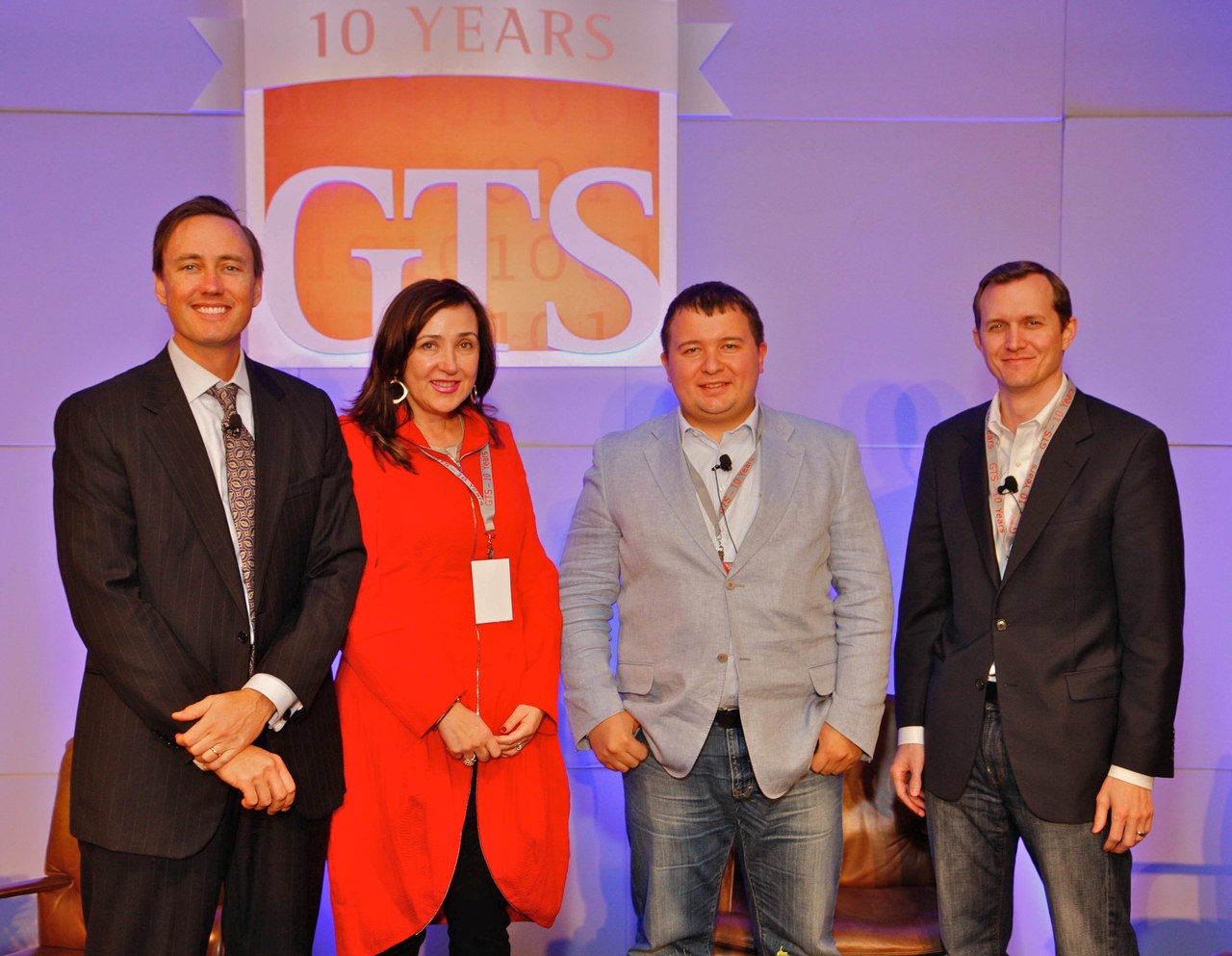
Kokorich rebuilt in California. He co-founded Astro Digital, which developed satellites for DARPA and commercial customers, and in 2017 he and fellow Russian entrepreneur Lev Khasis founded Momentus in Santa Clara. The idea was a space tug: a small spacecraft that collects satellites from the drop-off orbit of a rideshare rocket and delivers each one to its own destination, pushed by thrusters that turn water into superheated plasma using microwaves. The start-up went through Y Combinator and raised money quickly.
His passport followed him, though. According to the complaint the US Securities and Exchange Commission later filed, the Commerce Department refused an export licence in March 2018 that would have let Kokorich access Momentus’s own controlled technology, judging him not an “acceptable recipient” for national security reasons. In June 2018 the Committee on Foreign Investment in the United States (CFIUS) required him to divest from an earlier space company he had founded.
The same month, the SEC complaint says, US immigration authorities revoked his work visa and denied his application for permanent residence. He applied for political asylum as a critic of the Kremlin. In August 2019 his case was referred to an immigration judge, and on about the same date federal agents arrived at Momentus’s headquarters, questioned staff about export controls and briefly detained Kokorich, who was released on bond.
The SPAC that came apart
In October 2020, Momentus agreed to go public by merging with Stable Road Acquisition Corp., a SPAC, in a deal National Law Review valued at $1.2 billion. Within weeks of the new year it began to unravel. In January 2021 the Pentagon told Momentus that its foreign ownership and control posed a national security risk, and Kokorich stepped down as chief executive, SpaceNews reported.
In March he and Khasis put their shares into a voting trust. On 9 June 2021 Momentus announced a National Security Agreement with the US Defense and Treasury Departments, acting for CFIUS, and said both co-founders were fully divested. The Federal Aviation Administration had already rejected a Momentus payload review in May on national security grounds.
On 13 July 2021 the SEC charged Stable Road, its sponsor and chief executive, Momentus and Kokorich. It alleged that Kokorich and Momentus had told investors the company had “successfully tested” its propulsion system in space when the only test, in 2019, had failed its primary objectives, and that they misrepresented how far national security concerns about Kokorich threatened the licences Momentus needed. Momentus settled at once, without admitting or denying the findings, and agreed to a $7 million penalty. The merger closed in August 2021.
Kokorich fought the case. He told Quartz that the lawyers on both sides had full information about his asylum and export-licence status and that he never told anyone to hide it, and he argued that US rules on foreign investors had been misapplied to him. The dispute ended on 25 November 2024, when a federal court in Washington entered a consent judgment. Without admitting or denying the allegations, he agreed to a $2 million civil penalty, a five-year bar from serving as an officer or director of a public company and an injunction under Section 17(a)(2) and (3) of the Securities Act. There was no trial.
A new start in Switzerland
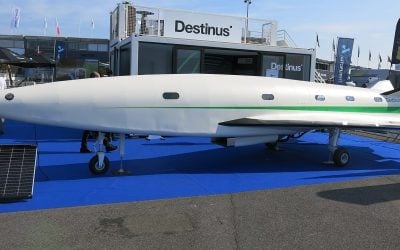
By then Kokorich was long gone. In 2021 he told Quartz he had no active US visa, had left voluntarily and abandoned his asylum case, and had received a Swiss residence permit within two months. That year he founded Destinus in Payerne, Switzerland, with an audacious plan: a hydrogen-powered “hyperplane” to fly cargo between continents in a couple of hours.
DroneTalks interviews Kokorich in December 2021 about the Destinus hydrogen hyperplane.
Russia’s full-scale invasion of Ukraine in February 2022 sent him in a different direction. Kokorich condemned the war and joined the Anti-War Committee, a group of exiled Russian opposition figures. In January 2024 he told the French magazine Challenges, as reported by Kyiv Post, that Destinus had quietly been supplying drones to Ukraine for almost a year, outside Switzerland because of Swiss controls on military production. “Ukraine is one of our main customers,” he said.
A passport handed back
In the same month he announced that he had renounced his Russian citizenship, posting a certificate from the Russian embassy on social media on 14 January 2024. He said the decision dated back to February 2022.
Which passport he holds now, he has not said. “I have the citizenship of a country to which I am also grateful to have become a citizen,” he told Challenges, adding that, as a private person, he preferred not to reveal more. He thanked Switzerland and France for letting him live there. Meduza reports that he gave up Russian citizenship as soon as he was able to obtain another.
Moscow has answered in kind. In October 2025 the FSB opened a criminal case against members of the Anti-War Committee, alleging they planned to seize power by force and had formed a “terrorist community”; Kokorich is named alongside Mikhail Khodorkovsky and Garry Kasparov, Meduza and the Jamestown Foundation report. In April 2026 Russia’s defence ministry put the Destinus factory in Hengelo on a list of European drone makers.
From founder to arms maker
Under Kokorich, Destinus has become a weapons company. Former Ukrainian finance minister Oleksandr Danylyuk joined as president in 2023, the headquarters moved to the Netherlands, and the company developed the LORD long-range drone, the Hornet interceptor and the Ruta cruise missile for Ukraine. In April 2026 Destinus announced a joint venture with Rheinmetall, and Kokorich said Europe was “entering a new phase of scaling missile production”, Meduza reported.
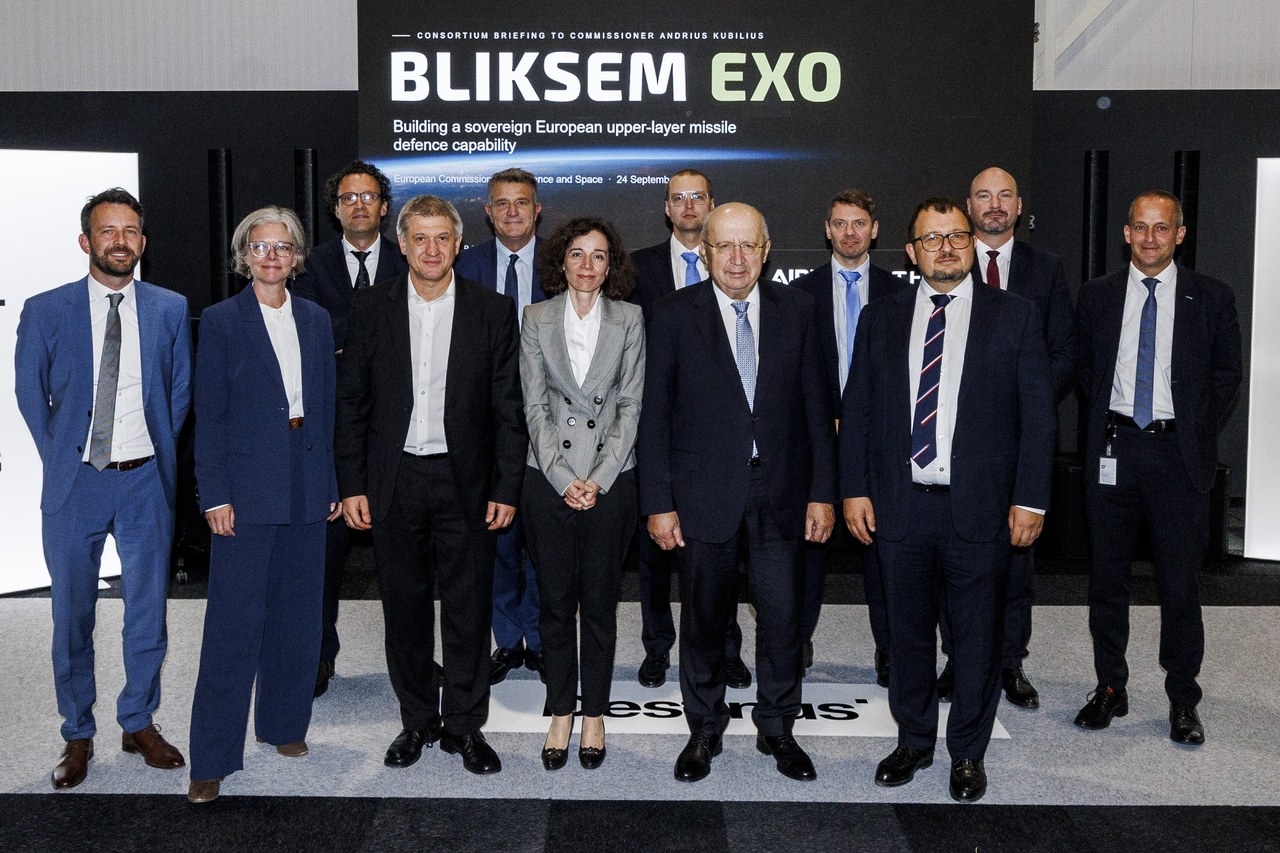
The Crimean Bridge made that role public. On 17 November 2026 Destinus said on LinkedIn that seven Ruta missiles had struck the bridge overnight, bringing down a span. President Volodymyr Zelenskyy confirmed Ruta was among the weapons used, but the company’s account of which weapon caused which damage has not been independently verified. Our Destinus company feature tells that story in full.
Kokorich on The Breakfast Show in August 2024 (in Russian).
It is a long road from blasting services in Transbaikalia to cruise missiles in Hengelo. Washington once judged Kokorich too risky to see his own company’s thrusters. Moscow has now named him in a terrorism case. And in Kyiv, his missiles are mentioned by name.
Sources: US Securities and Exchange Commission (press release 2021-124, complaint, litigation release LR-26180), SpaceNews, National Law Review, Quartz, Meduza, Radio Svoboda, Kyiv Post, Challenges, The Moscow Times, Jamestown Foundation, Mikhail Kokorich on X
Header photo: Robert Meerding / Wikimedia Commons, CC BY 4.0
0 Comments