
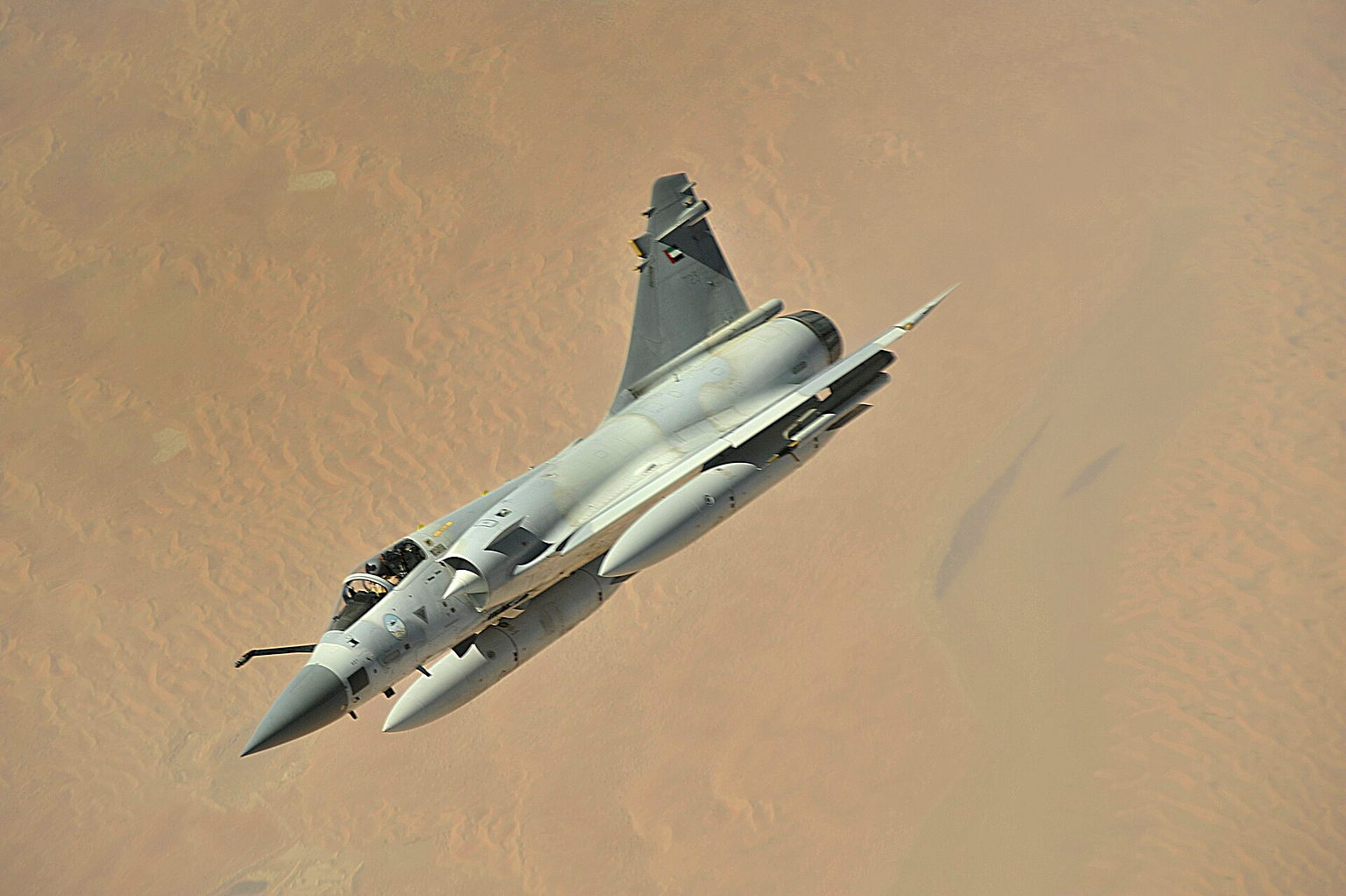
Dassault Mirage 2000
The delta that went global
France’s delta-winged, single-engine, fly-by-wire multirole fighter — a genuine Mach 2 interceptor at a single-engine price that armed nine air forces across four continents, fought from Kargil to the Aegean, and is still on the front line four decades on.
The export champion France couldn’t stop selling
When France cancelled its costly swing-wing Super Mirage G8 and ACF projects in 1975, Dassault fell back on the shape it knew best: the pure delta. The lightweight air-defence fighter that emerged — first flown on 10 March 1978 — entered French service in 1984 as the Mirage 2000C, replacing the Mirage III and F1 in the interceptor role.
Where the Mirage III made Dassault’s name, the Mirage 2000 made it a global institution. Of roughly 601 built, more than a third went abroad — to India (the largest export customer, around 50 “Vajra”), the UAE (bespoke 2000-9s), Taiwan, Greece, Egypt, Peru, Qatar and Brazil. Its appeal was a rare balance: real Mach 2 delta performance and modern fly-by-wire agility, at a price far below twin-engine rivals.
Four decades on the type is still fighting. From the family grew the multirole 2000-5 with RDY radar and MICA missiles, the 2000D and 2000N strike variants, and the export 2000-9. In 2024–25 France transferred Mirage 2000-5s to Ukraine, where they were reported downing Russian cruise missiles — putting a Cold-War delta into a very modern war. Few fighters have stayed relevant, and exportable, for so long.
01The Mirage 2000’s family tree: how one delta became an interceptor, a striker and a nuclear bomber
The Mirage 2000 began as a pure air-defence interceptor, the single-seat 2000C and two-seat 2000B. From it Dassault grew a whole family: the multirole 2000-5 and 2000-5F, with the pulse-Doppler RDY radar and MICA missiles; the two-seat 2000D conventional-strike aircraft and its 2000N nuclear-strike sibling (retired in 2018); and the top-of-the-line export 2000-9 built for the United Arab Emirates.
Production ran from 1978 to 2007, with roughly 601 aircraft completed — though exact totals and dates vary slightly by source. It is a separate machine from the earlier Mirage III/5 和 Mirage IV bomber, which share the delta silhouette but belong to an older generation entirely.
What makes the Mirage 2000 special
Delta wing, tamed by fly-by-wire
The low-drag tailless delta gives the Mirage 2000 high speed, a big internal fuel and weapons volume and superb high-altitude performance — but classic deltas bled energy in turns. Dassault made the jet deliberately aerodynamically unstable and tamed it with a quadruplex fly-by-wire system, restoring the tight, carefree agility the Mirage III never had.
The single SNECMA M53
A single, mechanically simple M53-P2 single-shaft afterburning turbofan — around 95 kN (21,400 lbf) in reheat — drives the jet past Mach 2.2. Compact and easy to maintain, it is the powerplant that keeps a Mach 2 fighter affordable to run, and the reason budget-conscious air forces could field one at all.
RDM to RDY radar
Early 2000Cs carried the multimode RDM (later RDI) radar. The multirole 2000-5 and 2000-9 introduced the RDY pulse-Doppler radar — true look-down / shoot-down, multi-target track-while-scan and beyond-visual-range capability with the MICA missile, turning an interceptor into a modern multi-target shooter.
02The Mirage 2000’s delta: why Dassault made it unstable on purpose
A pure delta is wonderful at speed and terrible in a turning fight: it sheds energy fast and lands nose-high. The Mirage III lived with those penalties. For the Mirage 2000, Dassault moved the balance point so the airframe was naturally unstable, then let a quadruplex analogue fly-by-wire system do the constant balancing a pilot never could. The result was a delta that kept its supersonic dash and range but finally turned like a proper dogfighter — the jet the Mirage III always wanted to be.
03The Mirage 2000’s one-engine bet: simplicity as a strategy
Most Mach 2 fighters of its era used two engines. The Mirage 2000 used one, and that was the whole point. A single M53 meant fewer parts, easier maintenance and lower running costs — a jet a mid-size air force could actually sustain. The trade-off is less raw thrust than twin-engine rivals like the F-15 or Su-27, but for an interceptor built around climb, dash and a quick intercept, the M53 was enough — and it made the Mirage 2000 one of the most exportable fighters of its generation.
Full Mirage 2000 specifications
Airframe & Performance
- 全体人员
- 1 (2 on B / D / N variants)
- 长度
- 14.36 m
- 翼展
- 9.13 m
- 高度
- 5.20 m
- Max takeoff weight
- ~17,000 kg (sources vary, ~17,500)
- Max speed
- Mach 2.2 · ~2,530 km/h at altitude
- 设备天花板
- ~17,000 m (up to ~18,000 cited)
- 作战半径
- ~1,550 km (mission-dependent)
- Ferry range
- ~3,335 km with external tanks
Propulsion & Systems
- 引擎
- 1 × SNECMA M53-P2 turbofan
- 推力
- ~95 kN / ~21,400 lbf with reheat
- Cannon
- 2 × 30 mm DEFA / GIAT 554
- Missiles
- MICA, Magic II, Super 530D
- First flight
- 10 March 1978
- Built
- ~601 (1978–2007)
- Unit cost
- ~US$23 million (historic, varies)
- Cost per flight hour
- No single reliable public figure
04The Mirage 2000’s cost: why the numbers are slippery
Affordability was the Mirage 2000’s selling point, but firm figures are hard to pin down. A historic unit cost around US$23 million is often quoted, yet it varied enormously by variant, year and customer — a basic 2000C, a bespoke Emirati 2000-9 and a nuclear-capable 2000N were very different aircraft at very different prices. No reliable open-source cost-per-flight-hour figure exists either. What is clear is the comparison that mattered to buyers: a genuine Mach 2 fighter for markedly less than a twin-engine F-15, Su-27 or Tornado. Treat all specific dollar figures here as approximate.
The Mirage 2000, decade by decade
The delta revived
France cancels the swing-wing Super Mirage / ACF and, in December, launches a lightweight pure-delta air-defence fighter — the Delta 2000.
First flight
The prototype flies on 10 March 1978 (some sources cite 1 March), proving the unstable delta and fly-by-wire concept.
Enters French service
The single-seat 2000C joins the Armée de l’Air as an interceptor, replacing the Mirage III and F1.
Nuclear strike
The two-seat 2000N, carrying the ASMP stand-off nuclear missile, enters service as part of France’s airborne deterrent.
Gulf War debut
French Mirage 2000s fly combat air patrol and air-defence sorties during Operation Desert Storm.
The Aegean kill
On 8 October a Hellenic Air Force Mirage 2000 is credited with downing a Turkish F-16 over the Aegean — the type’s clearest air-to-air victory.
Kargil War
IAF Mirage 2000s fly high-altitude laser-guided-bomb strikes on entrenched Himalayan positions, widely credited as decisive.
Export peak
The multirole 2000-5 arrives with RDY radar and MICA; Taiwan and the UAE sign major export deals.
Production ends
The line closes after roughly 601 aircraft built across all variants over nearly three decades.
Mirage over Ukraine
France transfers Mirage 2000-5s to Ukraine, which presses them into air defence against Russian missiles and drones.
From the flight line: twelve Mirage 2000 stories
The delta that finally turned
Dassault made it unstable on purpose
Read the full story
The Aegean kill
A Mirage 2000 is credited with downing an F-16
Read the full story
Kargil, at the top of the world
LGBs over Tiger Hill
Read the full story
Balakot — the disputed strike
Two nations, two irreconcilable stories
Read the full story
The jet everyone bought
Nine air forces, four continents
Read the full story
Taiwan’s controversial deal
Bought under Beijing’s glare
Read the full story
MICA and the RDY radar
Fire-and-forget, near and far
Read the full story
One engine, kept simple
The M53’s maintainable muscle
Read the full story
The silent strike variant
France’s airborne deterrent
Read the full story
Sahel to Syria
France’s workhorse fighter-bomber
Read the full story
Mirage over Ukraine
A 1980s delta joins a 2020s war
Read the full story
Not the same as a Mirage III
Same silhouette, different generation
Read the full story
The Mirage 2000 in pictures
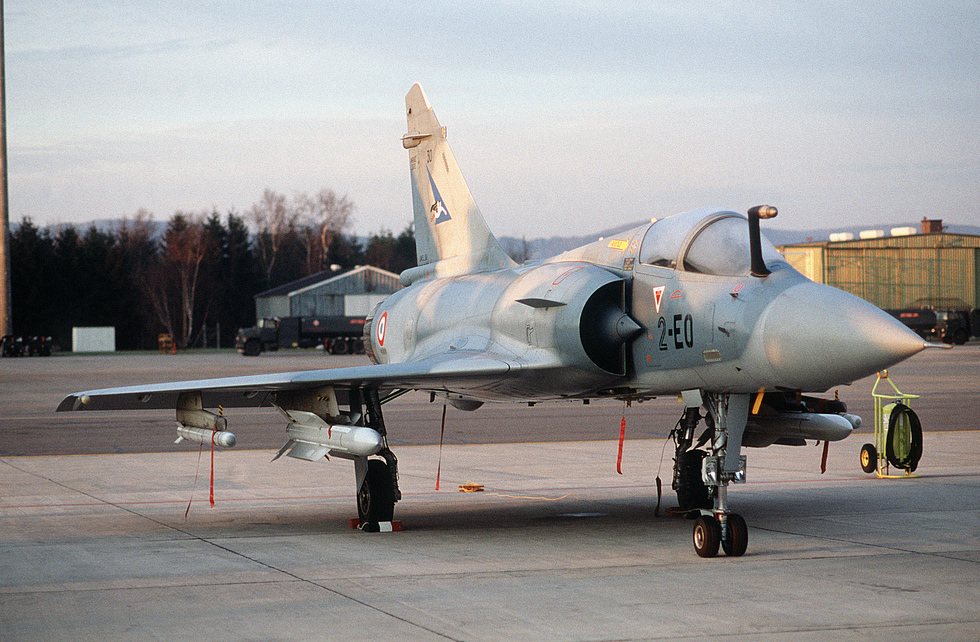
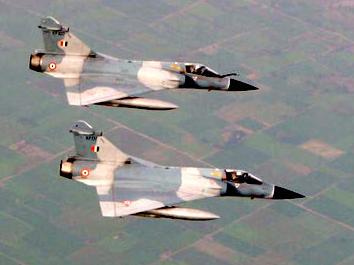
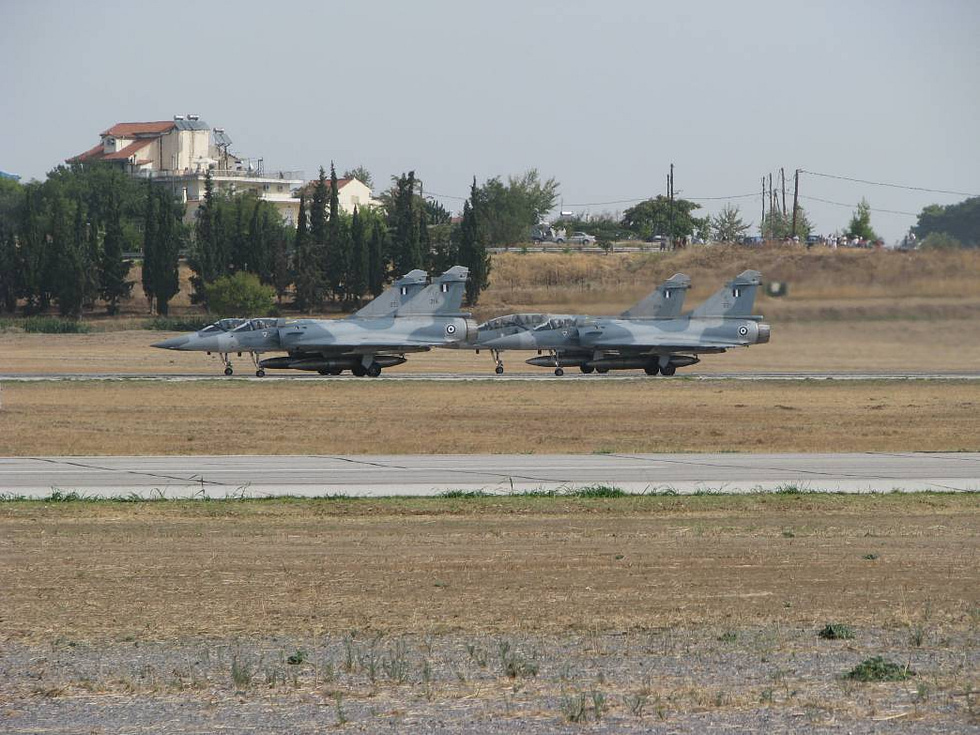
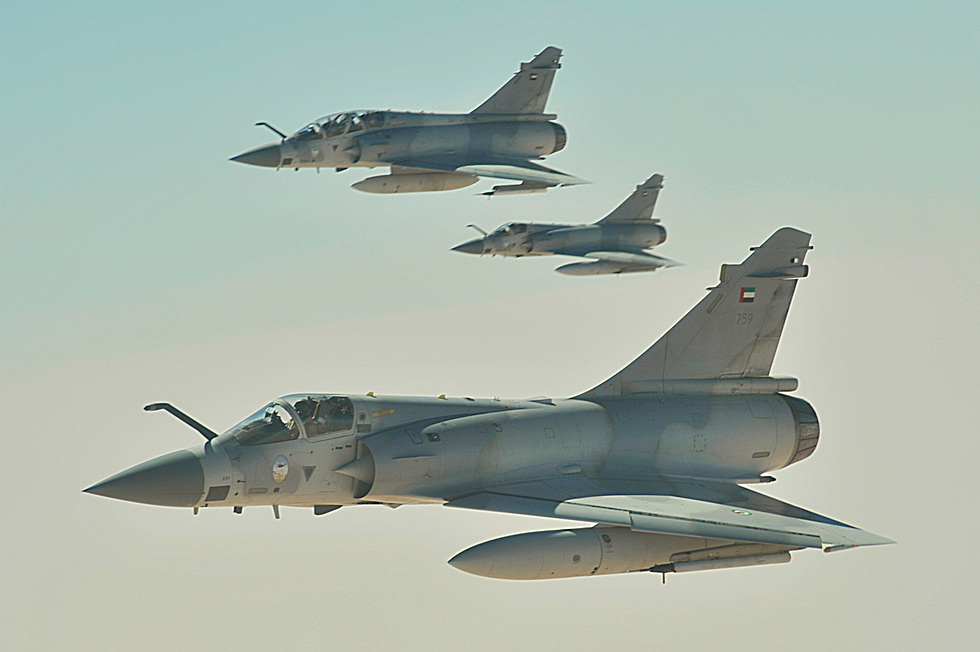
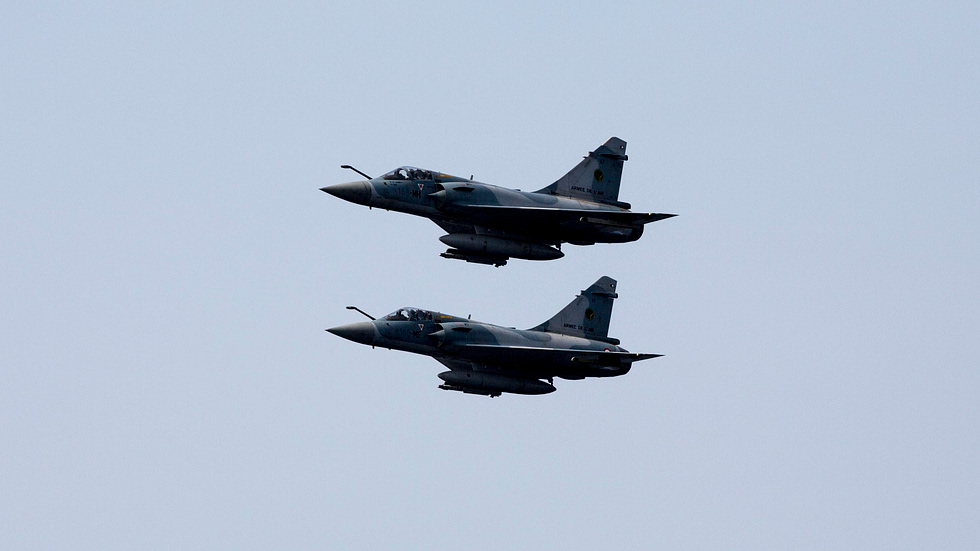
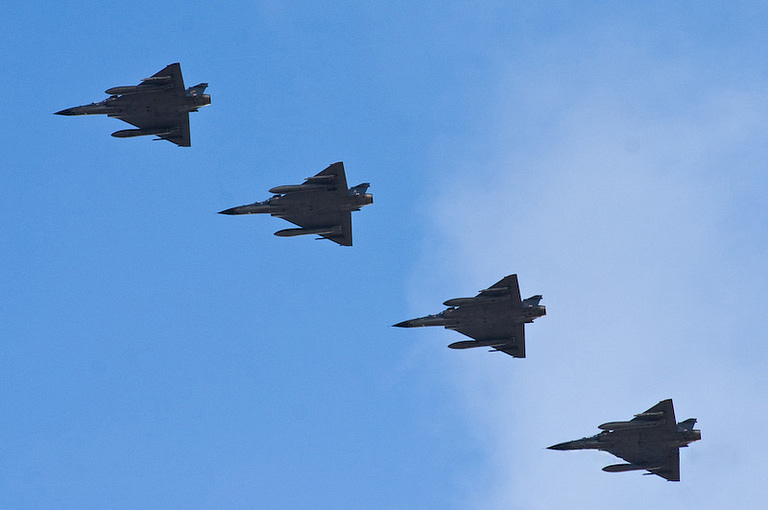
The Mirage 2000 in motion
A dedicated Mirage 2000 video is coming soon.
The Mirage 2000 in motion
Megaprojects — one of the most-watched Mirage 2000 films on YouTube.
Where the Mirage 2000 flies
Four decades in the fight
The Mirage 2000 has seen combat on three continents, from high-altitude precision strikes to a rare delta-versus-Viper dogfight. Several of its most famous actions are politically contested — always cite them as claims, not settled scores. What is beyond dispute is how long the type has stayed on the front line.
Its record spans the 1991 Gulf War, the 1996 Aegean F-16 shootdown, the 1999 Kargil War, the disputed 2019 Balakot strike, French operations over Libya and the Sahel, and Ukraine’s 2024–25 air-defence missions. Compare the combat record of every military aircraft. Figures as of July 2026.
Everything people ask about the Mirage 2000
Can I fly in a Mirage 2000?
How fast is the Mirage 2000?
Is the Mirage 2000 single or twin engine?
Is the Mirage 2000 the same as a Mirage III?
What did the Mirage 2000 do at Kargil?
What happened at Balakot in 2019?
Is the Mirage 2000 still in service?
How many Mirage 2000s were built?
You can’t fly the Mirage 2000.
These, you can.
Some legends only live in museums — others are fuelled and waiting. MiGFlug has put civilians in real military jet cockpits since 2004.
 Fly the L-39 AlbatrosThe world’s most-flown jet trainer — aerobatics included
 Fly the F-104 Starfighter“The missile with a man in it”
 Fly the MiG-21The Cold War’s most-produced jet
 驾驶T-33流星战斗机America’s first jet trainer
 Fly the DH VampireA piece of early jet history
 Fly the S.211Agile Italian jet trainer
 Fly the MB-326The classic Aermacchi jet
 Fly the MiG-15The Soviet legend of the Korean War
Continue the tour
Every fact, checked
- GlobalSecurity.org — Mirage 2000Development, variants, radar and operator overview.
- Dassault AviationManufacturer variant and service history for the Mirage 2000 family.
- MilitaryFactory.comSpecifications and production data cross-check.
- The AviationistThe 1996 Aegean Mirage 2000 vs F-16 shootdown, in context.
- ReutersSatellite-imagery reporting on the disputed 2019 Balakot strike.
- Atlantic Council / ASPIIndependent damage assessment of the Balakot raid — the basis for the disputed framing.
- The War Zone (TWZ)France’s 2024–25 transfer of Mirage 2000-5s to Ukraine.
- FlightGlobalOperator fleet numbers and retirement / transfer status.