
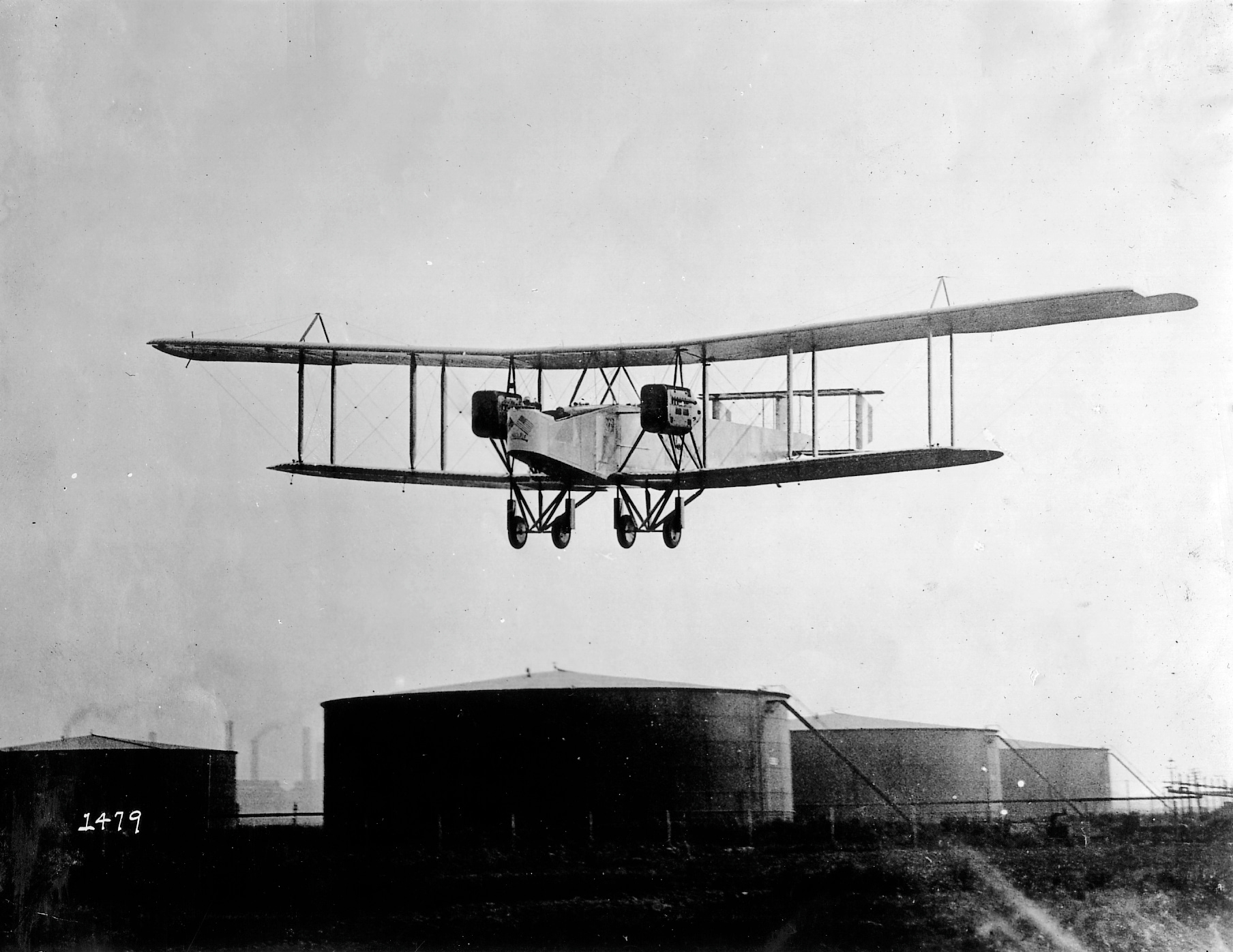
Handley Page O/400 — the bloody paralyser that carried Britain’s war into Germany
The Handley Page O/400: Britain’s heavy bomber and the birth of the night raid
In the autumn of 1914 the Royal Naval Air Service went looking for a weapon that did not yet exist. Britain wanted an aeroplane big enough to carry a heavy load of bombs across the North Sea and drop it on the sheds where German airships were built. The requirement passed into legend through a single blunt phrase — the call for a “bloody paralyser of an aeroplane” — and out of it came the Handley Page O/100, and then its refined successor, the O/400.
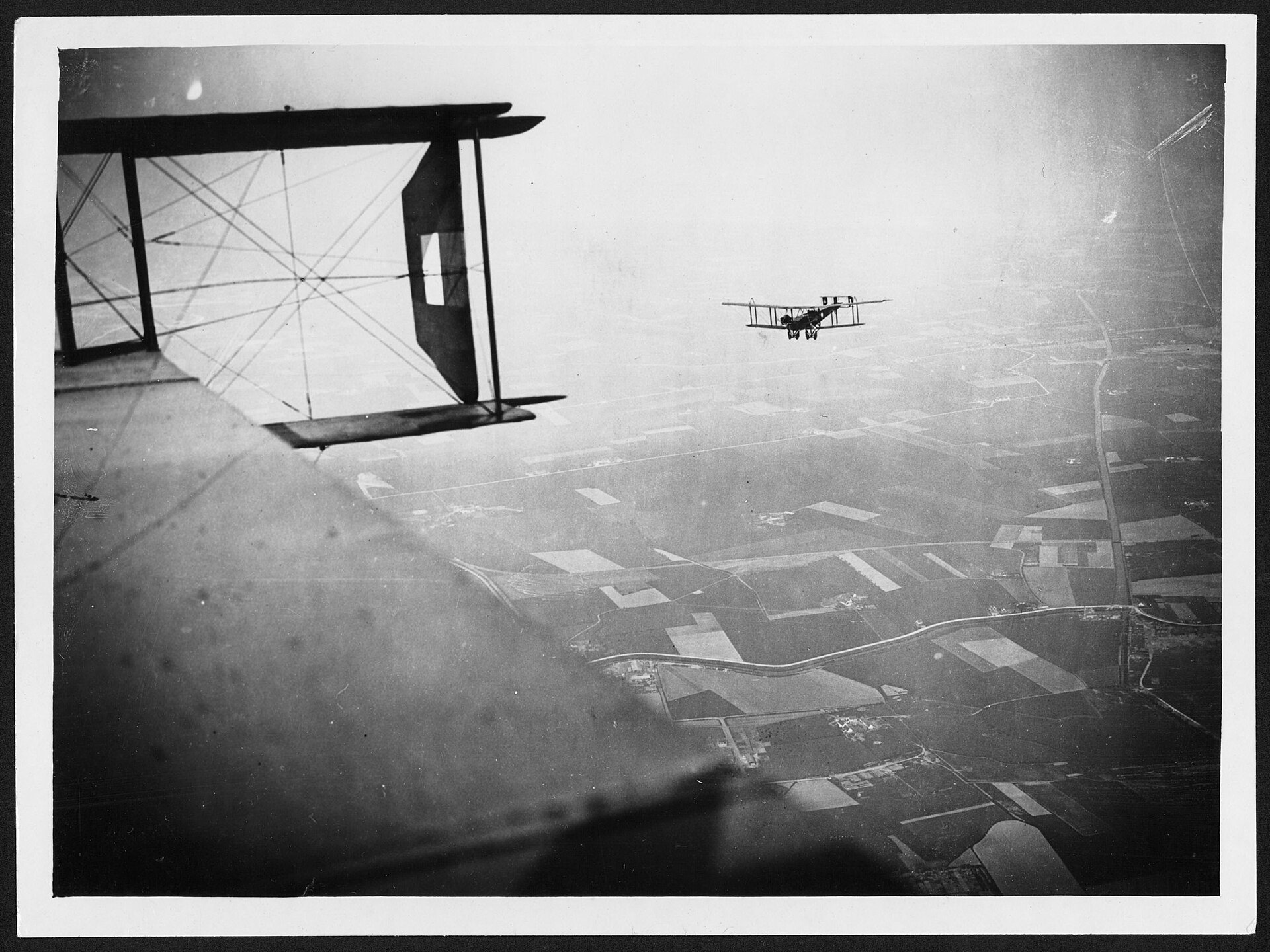
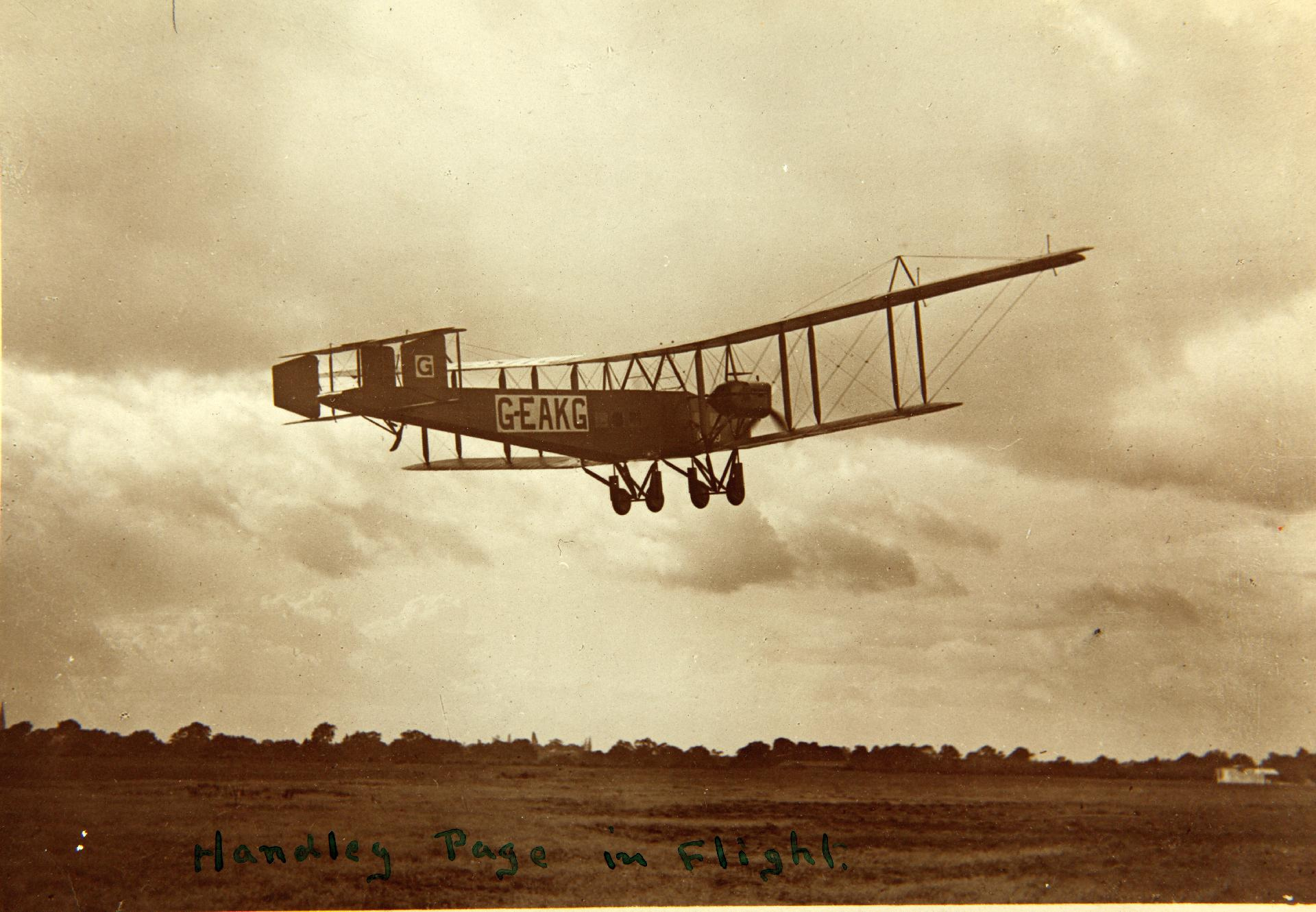
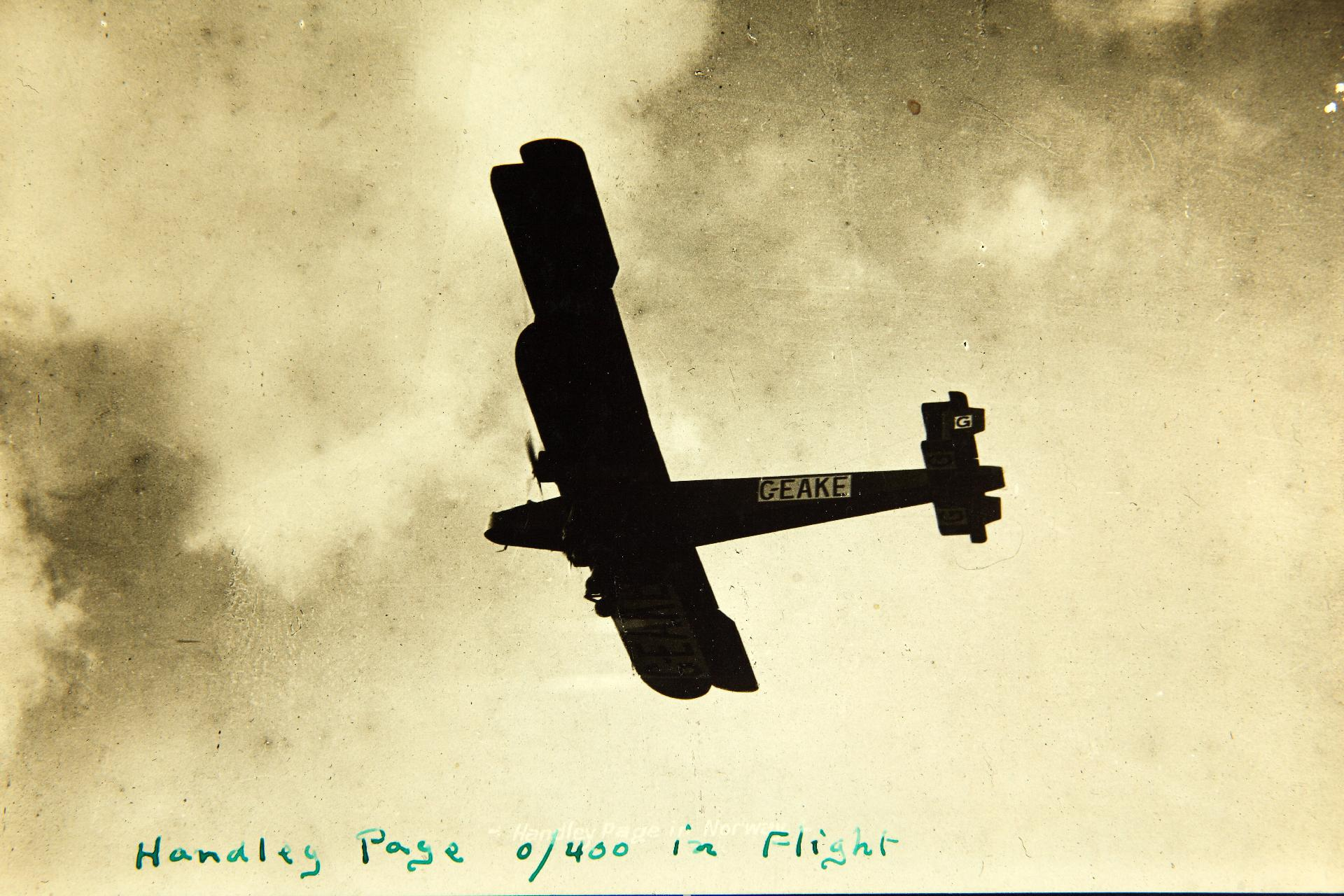
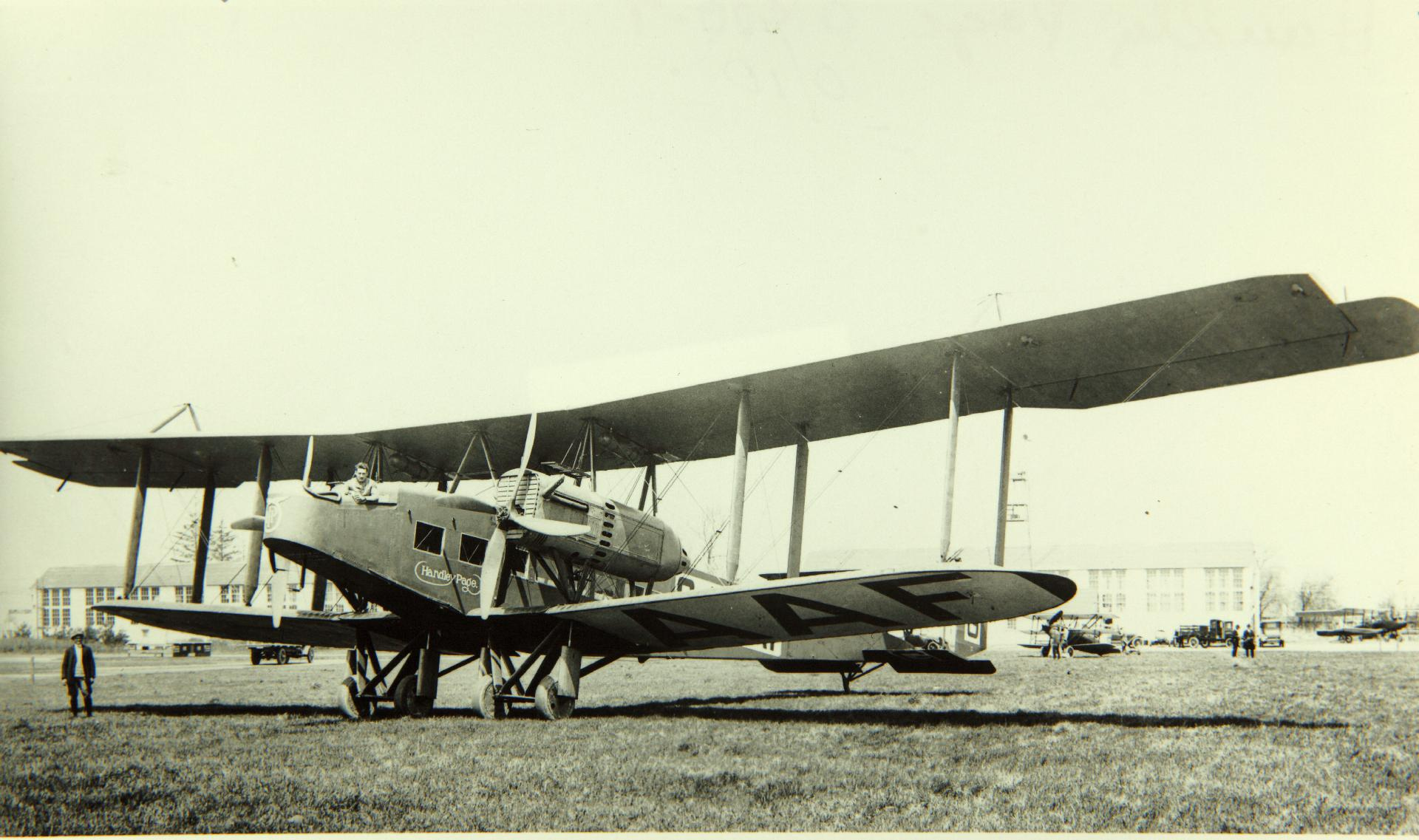
By the standards of 1918 the O/400 was enormous. Its wings stretched a full hundred feet and folded back like a moth’s so the machine could be wheeled into an ordinary hangar. Two Rolls-Royce Eagle engines, mounted between the wings in armoured nacelles, hauled it into the air with a crew of four or five and up to nine hundred kilograms of bombs slung beneath. It was slow, it was fragile in a dive, and it was never meant to dogfight. It was meant to arrive over a target in the dark and change what people thought war could reach.
For most of 1917 and 1918 that is exactly what it did. Flying by night from fields in France and Belgium, O/100s and O/400s of the RNAS — and, after 1 April 1918, the new Royal Air Force — bombed rail junctions, airfields, docks and U-boat bases behind the German lines. Then, in the summer of 1918, the aircraft was handed a larger idea. The Independent Air Force was formed to strike Germany itself, and its O/400 squadrons flew the long, cold trips across the frontier to bomb blast furnaces, chemical works and railways in the Rhineland, the Saar and the Ruhr. It was Britain’s deliberate answer to the German Gotha and Zeppelin raids on London — the opening argument, made in the dark over the Rhine, that air power could carry a war to an enemy’s home.
The O/400 also went east. A single long-range example was flown out to the Middle East, and No. 1 Squadron of the Australian Flying Corps operated the type from Haifa in 1918, its huge shape throwing a shadow over the last Turkish and German positions in Palestine. Hundreds of the bombers were built — commonly given as around 554 — and the design was even put into production in the United States, where the Standard Aircraft Corporation tooled up to assemble it; the Armistice arrived before more than a handful of American machines could reach the front.
What happened after the war may matter as much as what happened during it. Handley Page Transport rebuilt surplus O/400s with enclosed cabins and rows of wicker seats and flew fare-paying passengers between London and Paris — among the first airline services anywhere. From the same line grew the four-engined Handley Page V/1500, a giant built to bomb Berlin from bases in England, ready just as the war ended. The O/400 was the bridge between the improvised bomb-droppers of 1915 and the strategic bombers, and airliners, that would follow.
None of this should be over-claimed. The Independent Force’s raids did limited physical damage, the O/400 was slow and vulnerable, and the strategic-bombing theory it embodied would take another generation, and another world war, to mature. But as a first attempt — the first aircraft with which a nation set out, deliberately and systematically, to carry a war to an enemy’s home by air — the O/400 has a strong claim to a place among the most historically significant aeroplanes of its era. That it has almost entirely vanished, with no complete example left anywhere, only makes the surviving photographs and relics more valuable.
that led to the Handley Page O-types
The Handley Page O/400 in detail: origins, engineering and the argument for the bomber
01The Handley Page O/400’s origins: the O/100 and the “bloody paralyser”
The O/400 did not appear from nothing. In December 1914 the Admiralty issued a requirement for a large aeroplane capable of carrying a worthwhile bomb load over long distances — a machine that could reach the German airship sheds. The demand is remembered through the phrase calling for a “bloody paralyser of an aeroplane”, a line that has been attached to several senior RNAS figures over the years; the wording varies between accounts, so it is best treated as the spirit of the requirement rather than a verbatim quotation from one named officer.
Frederick Handley Page answered with the O/100, first flown in December 1915: a twin-engined biplane of unprecedented size for a British aircraft. Forty-six O/100s were built for the RNAS. Experience in service led to the improved O/400, which standardised on more powerful Rolls-Royce Eagle VIII engines and a revised fuel system. The two types are often discussed together as the “Handley Page Type O”, and in the field they served side by side.
It is worth pausing on how bold the concept was. In 1914 most military aircraft were small, unarmed scouts used for reconnaissance; the notion of a purpose-built heavy bomber able to carry a tonne of bombs deep behind the lines was close to science fiction. The O-series turned that notion into hardware, and in doing so helped define a whole category of aircraft that had not existed before.
Why it mattered
The O-series gave Britain, for the first time, an aircraft designed from the outset to deliver heavy bombs at range. Everything the Independent Air Force attempted in 1918 rested on that foundation.
02The Handley Page O/400’s folding wings and Rolls-Royce Eagle engines
Two features defined the machine. The first was its folding wings. The original naval requirement demanded that so large an aeroplane still fit inside existing hangars and sheds, so the outer wings were hinged to fold back alongside the fuselage — an elegant solution that turned a hundred-foot span into something a ground crew could store and shelter. The second was its powerplant: two Rolls-Royce Eagle VIII V-12 engines of about 360 horsepower each on the O/400, mounted in nacelles between the wings and driving tractor propellers. (The earlier O/100 used lower-powered Eagle IIs; some aircraft, including many intended for American production, were fitted with other engines such as the Liberty or Sunbeam Maori, so engine fits varied.)
The Rolls-Royce Eagle was one of the great engines of the war — a water-cooled V-12 developed from the company’s pre-war motor-car engineering — but it was also in high demand and short supply, which constrained how many bombers could be built and kept flying. Two of them per aircraft made the O/400 a thirsty, resource-hungry machine to field in quantity.
The result was an aircraft that was steady and load-carrying rather than fast or agile. Handled gently it was a fine night bomber; thrown around, its long wings and heavy structure punished the careless.
03The Handley Page O/400’s bomb load and the 1,650 lb bomb
The O/400 carried its bombs internally in a cell in the fuselage, plus underwing stations, for a maximum load usually given as around 2,000 lb (roughly 900 kg). Typical fits included sixteen 112 lb bombs, eight 250 lb bombs, or three larger weapons. Late in the war the type could also carry a single 1,650 lb bomb — the heaviest bomb dropped by the RAF during the First World War — a weapon meant for hardened targets and for the shock value of a very large explosion.
The actual load carried on any given night depended on the target and the distance: fuel for a long trip to the Ruhr meant fewer bombs, while a shorter raid on the Belgian coast allowed a heavier load. Bomb aiming was done with the simple sights of the day, so accuracy was limited and crews aimed for large targets — rail yards, factories, airfields — rather than pinpoint objectives.
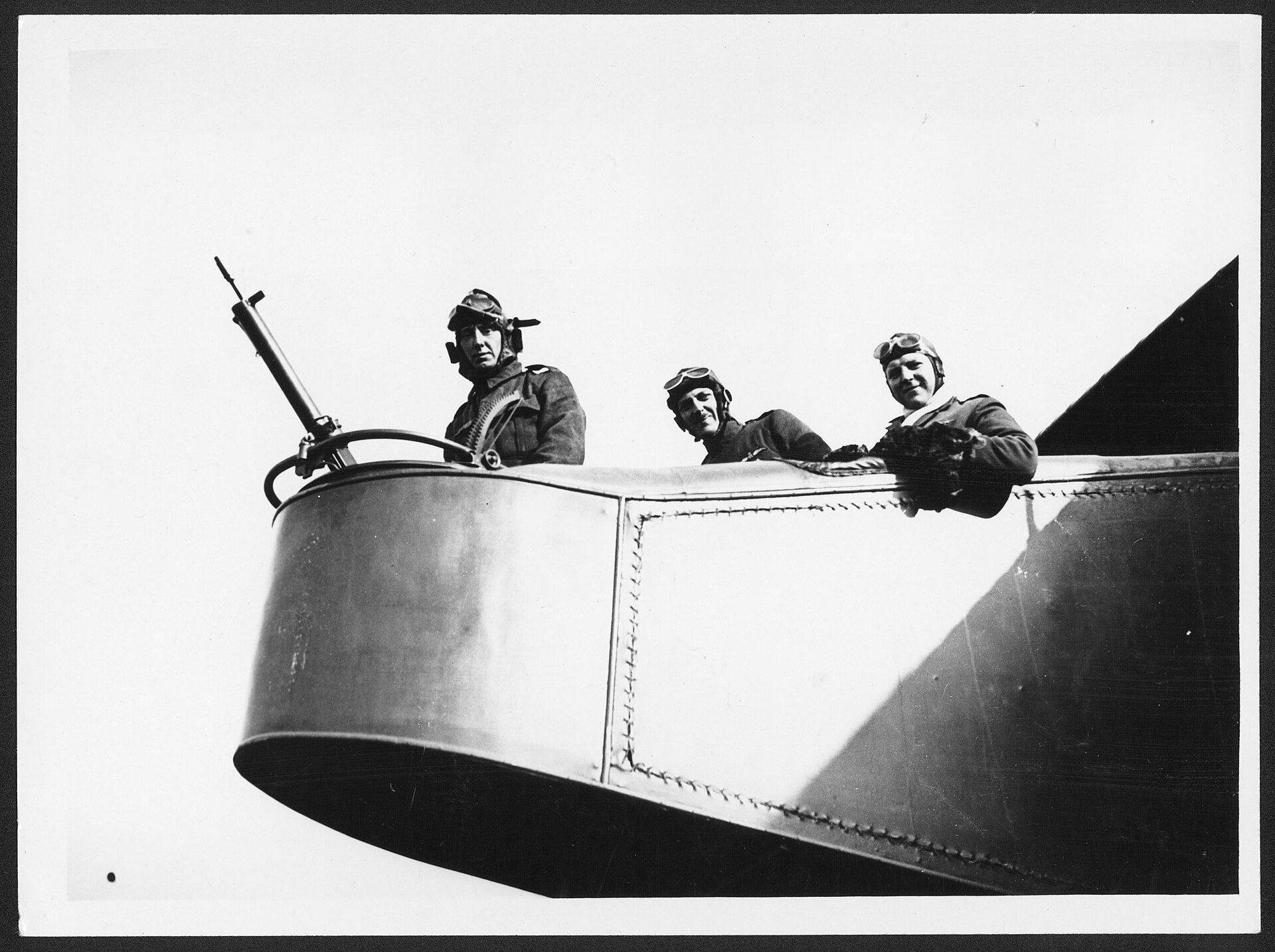
Defensively the bomber bristled with .303 in Lewis guns — commonly up to five — on a nose scarff ring, in a dorsal position and firing downward through a ventral hatch to guard the blind spot beneath the tail. At night, however, its real defence was darkness.
How the Handley Page O/400 was built to bomb by night
A hangar-sized biplane that folded
A hundred-foot upper wing, a slab-sided fuselage and a biplane tail carried the load; hinged outer wings folded back so the giant could be sheltered like any other aeroplane.
Two Eagles between the wings
A pair of Rolls-Royce Eagle VIII V-12s, about 360 hp each, in nacelles between the wings — reliable, water-cooled and just powerful enough to lift bombs, fuel and crew for a long night trip.
Bombs inside, Lewis guns all round
An internal bomb cell fed by a hinged floor, up to a 1,650 lb single bomb, and as many as five Lewis guns covering nose, back and belly for the run home in the dark.
Handley Page O/400 specifications, performance and cost
Figures are representative of a standard Rolls-Royce Eagle-engined O/400; dimensions, weights and production totals vary between contemporary sources, and estimated or contested values are flagged.
- 类型
- Heavy night bomber (biplane)
- Origin
- United Kingdom · Handley Page Ltd
- First flight (O/400)
- 1917 (O/100: Dec 1915)
- 全体人员
- Typically 4–5 (sources vary; some cite 3–5)
- 长度
- ~19.2 m (62 ft 10 in)
- 翼展
- ~30.5 m (100 ft), wings folding
- 高度
- ~6.7 m (22 ft)
- Engines
- 2 × Rolls-Royce Eagle VIII V-12
- Power
- ~360 hp (268 kW) each
- Max speed
- ~157 km/h (97.5 mph), low level
- 设备天花板
- ~2,600 m (~8,500 ft)
- Endurance
- ~8 hours
Airframe & performance
- Bomb load
- Up to ~900 kg (~2,000 lb)
- Largest bomb
- Single 1,650 lb (heaviest RAF bomb of WWI)
- Defensive guns
- Up to 5 × .303 in Lewis guns
- Number built (O/400)
- ~554 (figures vary)
- O/100 built
- 46 (for the RNAS)
- US assembly
- Standard Aircraft Corp., ~100–107 (few in service)
- Main operators
- RNAS, RFC, RAF, Australian Flying Corps
- Unit cost
- Not reliably recorded (WWI)
- Cost per flight hour
- Not applicable — no surviving/airworthy example
- Retired
- From ~1919 (replaced by Vickers Vimy)
- Survivors
- None complete — relics and parts only
Armament, production & cost
The Handley Page O/400’s variants, costs and place in history
04The Handley Page O/400’s operating costs: what a WWI heavy bomber cost
No reliable unit price or hourly operating cost survives for the O/400 in a form worth quoting. It was a wartime aircraft, procured under emergency conditions and accounted for very differently from a modern machine, and the surviving records do not translate into a meaningful “cost per flight hour”. What can be said is that the O/400 was expensive in the terms that mattered in 1918: it needed two of the scarce, costly Rolls-Royce Eagle engines, a large skilled crew, and a great deal of fuel for its long night sorties.
Because no complete O/400 survives and none is airworthy, there is also no modern operating cost and nothing to book. Any figure you see presented as a per-hour cost for this aircraft is not grounded in a real, flyable example.
05The Independent Air Force: the Handley Page O/400 and strategic night bombing
The most historically important chapter in the O/400’s career is its service with the Independent Air Force in 1918. This was a force deliberately detached from the direct support of the army and navy so that it could strike targets inside Germany — industry, railways and the war economy — rather than the trenches. Its O/400 squadrons flew by night from fields in eastern France to bomb the Rhineland, the Saar and the Ruhr.
The material damage was modest by later standards, and the campaign was cut short by the Armistice. Its significance is as a precedent. Here, for the first time, was a national force organised around the idea that bombers could carry a war to an enemy’s heartland — the direct counterpart to the German Gotha and Zeppelin raids on London, and the ancestor of the strategic bombing of the Second World War. The O/400 was the aircraft that made the argument real.
06From bomber to airliner: the Handley Page O/400, Handley Page Transport and the V/1500
When the war ended, hundreds of large bombers were suddenly surplus. Handley Page saw an opportunity. The firm’s new airline, Handley Page Transport, converted O/400s into early passenger aircraft — fitting cabins, windows and seats into the roomy fuselage — and from 1919 flew paying passengers between London and Paris, among the world’s first scheduled airline services. Civil versions carried designations such as O/7, O/10 and O/11. Early airline flying was dangerous work: the loss of a converted O/400 at Golders Green in December 1920 was one of the first fatal British airliner accidents, and it fed directly into the earliest air-safety regulation.
The design line also grew upward. The four-engined Handley Page V/1500 — a still larger bomber intended to reach Berlin from bases in England — was developed from the same thinking and was ready as the war closed. Together the O/400 and V/1500 mark the moment the heavy aeroplane became both a strategic weapon and a vehicle for civil aviation.
07The Handley Page O/400 and the German Gotha: two answers to the same idea
The O/400 is best understood alongside its German counterpart, the Gotha. In 1917 and 1918 German Gotha bombers, and the earlier Zeppelin airships, carried out daylight and night raids on London and other English towns. The material damage was limited, but the psychological and political effect was large: for the first time, an enemy could reach the British public directly, and the country demanded both a defence and a reply.
The O/400 was that reply in kind. Where the Gotha struck British cities, the O/400 — especially with the Independent Air Force — struck German industry and railways. The two aircraft were broadly comparable in concept: large twin-engined biplane bombers, operating mostly by night, carrying a similar order of bomb load. They represent the same idea arrived at on both sides — that the aeroplane could carry a war beyond the battlefield — and together they mark the true beginning of strategic bombing. The German raids also helped push Britain to create the RAF, the service that then flew the O/400 over Germany.
08A night raid in a Handley Page O/400: crew, cold and navigation in 1918
Flying an O/400 on a night raid was a feat of endurance. The crew of four or five sat in open or lightly enclosed positions, exposed to a freezing slipstream for sorties that could last many hours. There was no radar, no radio navigation and no reliable blind-flying instruments; the pilot flew by feel, by compass, and by the dim shapes of rivers, coastlines, forests and towns below.
Finding the target
Navigation was by dead reckoning — heading, airspeed and time, corrected for a wind that could only be guessed at — checked against whatever landmarks moonlight revealed. Reaching the right town at all was an achievement; hitting a specific factory or rail yard within it, with the simple bomb sights of the day, was harder still. Anti-aircraft fire and the ever-present risk of engine failure over enemy territory made every trip a gamble.
These conditions explain both the O/400’s strengths and its limits. It was steady, roomy and long-legged — good qualities for a night bomber — but the accuracy and weight of effort it could deliver were bounded by the technology of 1918, and honest histories of the Independent Force stress how modest the physical results were compared with the scale of the idea.
09The Handley Page O/400 in the Middle East: the giant that flew to Palestine
One of the more remarkable episodes in the type’s career took place far from the Western Front. In 1918 a single long-range O/400 was flown out to Egypt by way of a long ferry route — a demanding journey for any aircraft of the period — to reinforce the air effort in the Middle East. Its size alone made it a sensation among crews used to far smaller machines.
No. 1 Squadron, Australian Flying Corps, operated the type from Haifa in the last phase of the Palestine campaign, using its bomb-carrying capacity against Turkish and German airfields, troop columns and communications as General Allenby’s forces advanced north. The presence of a heavy bomber in that theatre, however briefly, showed the reach the design gave the RAF and its Dominion squadrons, and it is one reason the O/400’s story spans not just France and Germany but the eastern Mediterranean as well.
10What became of the Handley Page O/400: retirement, the Vimy and why none survive
The O/400’s front-line career was short. Within a year of the Armistice the RAF was replacing it with the Vickers Vimy, a cleaner and more capable heavy bomber, and the wartime O/400 fleet was rapidly run down. Some airframes found a second life in civil hands as airliners and survey aircraft; most were simply scrapped as surplus.
That is the core reason no complete example survives. In 1919 the O/400 was yesterday’s weapon, produced in haste for a war that had just ended, and there was neither the appetite nor the money to preserve one. By the time aviation history was valued enough to warrant museum collections, the intact aircraft were long gone. What remains — relics, sections and fittings in collections including the Royal Air Force Museum — is precious precisely because it is all that is left of an aircraft that mattered a great deal and vanished almost completely.
The Handley Page O/400 through the war and after
The “bloody paralyser” requirement
The Admiralty asks for a large bomb-carrying aeroplane to reach German airship sheds — the demand that produces the Handley Page O-types.
The O/100 flies
Handley Page’s huge twin-engined O/100 first flies; 46 are built for the Royal Naval Air Service and enter bombing service on the Western Front.
The O/400 enters the picture
The improved O/400, with Rolls-Royce Eagle VIII engines and a revised fuel system, is developed and ordered in large numbers.
The RAF and the Independent Force
The Royal Air Force is formed; in June the Independent Air Force begins strategic night raids on Germany, its O/400 squadrons bombing the Rhineland, Saar and Ruhr.
Palestine and America
No. 1 Squadron AFC flies the O/400 from Haifa; the Standard Aircraft Corporation tools up to build the type in the USA. The Armistice halts American production.
Bomber becomes airliner
Handley Page Transport converts O/400s into early airliners, flying London–Paris; the four-engined V/1500 is developed from the line. The type is retired from RAF service in favour of the Vickers Vimy.
No complete survivor
No intact Handley Page O/400 exists anywhere. Only relics, sections and parts survive, with related material held by the Royal Air Force Museum and other collections.
The Handley Page O/400 in twelve stories: from the airship sheds to the Rhine
A “bloody paralyser” is ordered
Britain asks for an aeroplane bigger than anything it has flown, to reach the German airship sheds.
Read the full account
In the winter of 1914 the Admiralty wanted a way to hit the sheds where German airships were built, far behind the front. Existing aircraft could not carry enough bombs far enough to matter. The answer was a requirement for a large, long-range bomb-carrier — a demand that has come down to us through the vivid phrase calling for a “bloody paralyser of an aeroplane”.
The exact wording, and the officer who first said it, are reported differently in different accounts; the phrase is variously linked to senior Royal Naval Air Service figures of the period, so it is safest to treat it as the spirit of the requirement rather than a single documented quotation. What is not in doubt is its effect. Frederick Handley Page took up the challenge, and out of that demand for something enormous and destructive grew the O/100 and, after it, the O/400.
The O/100 takes the air
The first of the giant Handley Pages flies — a twin-engined biplane of a size no British aircraft had reached.
Read the full account
The O/100 first flew in December 1915. With a wingspan of a hundred feet and outer wings that folded back so the machine could be stored in an ordinary shed, it dwarfed the scouts and two-seaters around it. Forty-six were built for the Royal Naval Air Service.
Early machines carried a glazed, partly enclosed crew position — unusual for the time — though this was later opened up in service. More importantly, it was the O/100 that worked out the tactics: flying by night, navigating by dead reckoning and the shapes of coast and river, and delivering bombs against targets behind the German lines. Everything the O/400 later did over Germany was rehearsed first in the O/100.
A gift to the enemy
One of the first O/100s lands by mistake behind German lines, handing the enemy an intact example.
Read the full account
Ferrying the new bombers out to France did not always go to plan. In early 1917 one O/100, its crew disoriented on a long flight, put down at a German-held aerodrome and was captured intact — an embarrassing gift that allowed German engineers to examine Britain’s new heavy bomber at their leisure.
The incident was a sharp reminder of how demanding long over-water and cross-lines navigation was in 1917. These aircraft had no radio navigation aids, only basic instruments and a compass, and a single error over a featureless night landscape could put a crew down in the wrong country. It was a hazard the O/400 crews would live with for the rest of the war.
Bombing the occupied coast
RNAS Handley Pages begin systematic night raids on U-boat bases, docks and airfields in occupied Belgium.
Read the full account
Through 1917 the RNAS used its Handley Pages by night against the German-occupied Belgian coast — the U-boat and destroyer bases at Bruges, Zeebrugge and Ostend, the docks, and the airfields from which German bombers themselves operated against Britain and the Channel ports.
Flying in darkness was the key. It sharply reduced losses to fighters and anti-aircraft fire, at the cost of making the target far harder to find and hit. Crews learned to read moonlight on water, to follow coastlines and canals, and to judge a bombing run by eye. It was slow, cold, exhausting work, and it built the body of experience that made the strategic raids of 1918 possible.
The O/400 comes of age
More powerful Rolls-Royce Eagle VIII engines and a safer fuel system turn the design into a mass-produced weapon.
Read the full account
The O/400 refined the O/100 rather than replacing its concept. The two key changes were the 360 hp Rolls-Royce Eagle VIII engines — a real step up in power and reliability — and a revised fuel arrangement that moved the tanks out of the engine nacelles and into the fuselage, reducing the risk of fire.
With these improvements the type could be ordered in large numbers, and it was: production totals are commonly given as around 554, though sources vary. Standardised, reasonably reliable and available in quantity, the O/400 became the backbone of Britain’s heavy-bombing effort in the last year of the war and the aircraft on which the Independent Air Force was built.
Reliability mattered as much as power. A night crossing of the lines gave no margin for a failed engine over hostile ground, so the improved Eagle VIII’s steadiness was not a luxury but the difference between a bomber that could be sent out night after night and one that could not.
The RAF is born
The Royal Air Force is created; the heavy bombers pass into the world’s first independent air arm.
Read the full account
On 1 April 1918 the RNAS and the Royal Flying Corps merged into the Royal Air Force — the first independent air service in the world, answerable to its own ministry rather than to the army or navy. The pressure that helped bring it about came in large part from the German Gotha and Zeppelin raids on Britain, which had shown that air power could strike a nation’s cities directly.
The new service inherited the O/400 as its principal heavy bomber. Within weeks the RAF would use those bombers to make its own argument in reply — carrying the war back across the Rhine, by night, to German soil.
The raids on Germany begin
The Independent Air Force is formed to bomb German industry; O/400 squadrons fly the long night trips east.
Read the full account
The Independent Air Force, commanded by Major-General Hugh Trenchard, was formed in June 1918 with a radical remit: to strike targets inside Germany itself rather than support the armies at the front. Its O/400 squadrons flew from fields in eastern France against blast furnaces, chemical plants, railway yards and airfields in the Rhineland, the Saar and the Ruhr.
The trips were long, cold and dangerous, flown in darkness with primitive navigation, and the bomb tonnage delivered was small by the standards of a later war. But the idea was revolutionary and deliberate: a national force organised around the belief that bombers could reach and wear down an enemy’s heartland. It is the direct ancestor of the strategic bombing campaigns that followed, and the O/400 was the aircraft that first made it real.
Trenchard himself was privately sceptical that the material results justified the effort, and post-war analysis largely bore him out — yet he became the great advocate of the doctrine, and the Independent Force experience shaped RAF thinking for decades. The O/400 thus sits at the very root of the strategic-bombing debate that would dominate air power in the twentieth century.
The 1,650-pounder
The O/400 gains the ability to carry the heaviest bomb dropped by the RAF in the whole war.
Read the full account
Late in the war the O/400 could carry a single 1,650 lb bomb — the largest air-dropped weapon the RAF used in the First World War. It was enormous for its day, and carrying it pushed the aircraft to its limits.
The weapon was meant for hardened or high-value targets and for the shock of a very large single explosion. More often the bomber carried a mix of smaller bombs — sixteen 112-pounders, eight 250-pounders, or a few larger weapons — chosen for the target. But the 1,650-pounder pointed straight at the future, when ever-larger bombs would come to define strategic air power.
A giant over Haifa
A long-range O/400 is flown to the Middle East, and No. 1 Squadron AFC operates the type from Haifa.
Read the full account
The O/400 was not confined to the Western Front. A single long-range machine was flown all the way out to Egypt and on to Palestine — a remarkable journey in itself for 1918 — where the arrival of so large an aircraft caused a considerable stir.
No. 1 Squadron of the Australian Flying Corps operated the type from Haifa during the final British advance. In the closing weeks of the campaign the big bombers struck Turkish and German airfields, columns and communications as Allenby’s forces drove north. The same design that bombed the Rhineland by night now threw its shadow over the hills and valleys of northern Palestine.
The Middle Eastern deployment also showcased the type’s range. Reaching Egypt at all meant a demanding staged flight across Europe and the Mediterranean rim, and the fact that a heavy bomber could be delivered so far under its own power hinted at the long-distance possibilities that Handley Page would later pursue with civil and record-breaking flights.
Building the O/400 in New Jersey
The Standard Aircraft Corporation tools up to mass-produce the O/400 in the United States.
Read the full account
The O/400 was judged good enough to be chosen for licence production in the United States, where the Standard Aircraft Corporation set out to assemble the type — commonly cited as around 100 to 107 machines, built from a mixture of British-supplied and American-made parts, many intended to use the American Liberty engine.
The Armistice of November 1918 ended the programme before more than a handful of American-built examples could reach service. But that an American manufacturer was tooling up to build a British bomber at all says a great deal about how completely the O/400 had been adopted as an Allied standard heavy bomber.
The bomber that became an airliner
Handley Page Transport rebuilds surplus O/400s into some of the world’s first airliners.
Read the full account
With the war over and bombers suddenly surplus, Handley Page saw an opportunity. The firm converted O/400s into passenger aircraft — fitting cabins, windows and rows of wicker seats into the deep fuselage — and its new airline, Handley Page Transport, flew fare-paying passengers between London and Paris from 1919. These were among the first scheduled airline services anywhere in the world. Civil versions carried designations such as O/7, O/10 and O/11.
It was rough, cold, pioneering travel, and not without danger: the loss of a converted O/400 at Golders Green in December 1920 was one of the first fatal British airliner accidents and fed directly into the earliest air-safety rules. But it began the transformation of the heavy aeroplane from weapon into transport.
Those first London–Paris services were spartan by any later measure — noisy, cold and slow, with passengers wrapped up against the draught — but they proved that a converted bomber could carry paying travellers on a regular schedule. In doing so the O/400 helped invent the airline as an idea, and Handley Page went on to become one of the pioneering names of early British commercial aviation.
Why you will never see a whole one
No complete Handley Page O/400 survives anywhere in the world — only fragments and relics remain.
Read the full account
For all that hundreds were built, not a single complete Handley Page O/400 survives. The bombers were scrapped when they became obsolete, lost in accidents, or simply worn out in early airline and survey work, and none was set aside and preserved intact.
What remains are relics and sections — pieces of structure, fittings and instruments in museum and private collections, with related material held by the Royal Air Force Museum and others. To picture the aircraft today you have to rely on those fragments, on the wealth of wartime photographs, and on full-scale replicas and models rather than an original airframe. It is one of the most historically important British aircraft of which nothing whole is left.
It is a strange fate for a machine of such importance. Contemporaries who had flown or built these giants lived to see the Second World War’s thousand-bomber raids, yet the aircraft that began the whole story had already disappeared. Preserving one was simply never a priority in the lean years after 1918 — a reminder of how much early aviation heritage was lost before anyone thought to save it.
The Handley Page O/400 in photographs
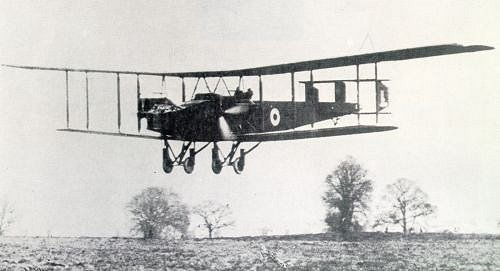
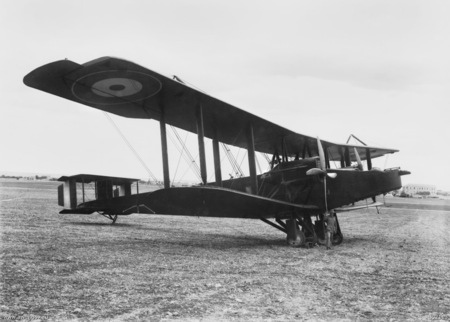
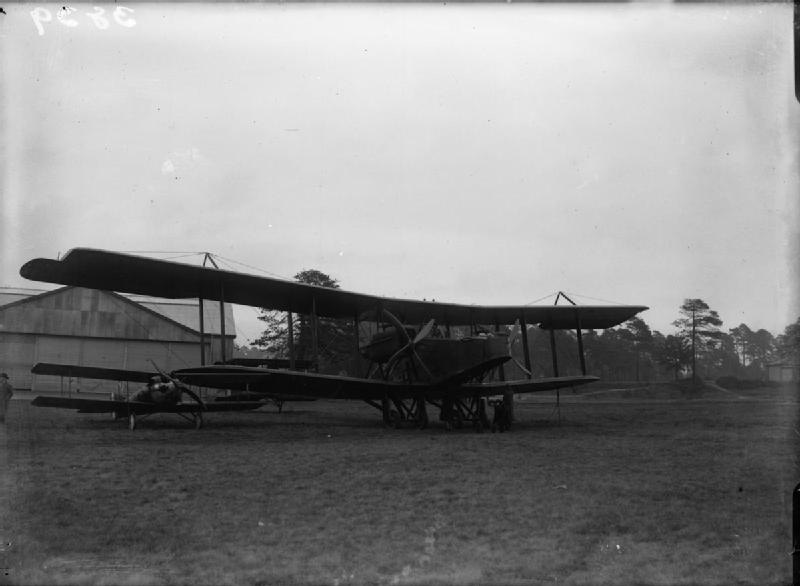
The Handley Page O/400 on film: Britain’s first heavy bomber
“Handley Page Type O — Britain’s First ‘Heavy’ Bomber”, Rex’s Hangar (aviation-history documentary channel), 2024 — roughly 128,000 views at the time of writing. Chosen as a dedicated, well-researched account of the type.
Where the Handley Page O/400 flew, fought and survives
Britain built and flew it; from France and Belgium it bombed the occupied coast and, with the Independent Air Force, Germany itself; it served in Palestine and was to be built in America; and today it survives nowhere in complete form. Toggle the categories to explore.
The Handley Page O/400’s war record
Handley Page O/400: your questions answered
Can I fly in a Handley Page O/400?
No. Not a single complete Handley Page O/400 survives anywhere in the world, and there is no airworthy or bookable example — so there is no way to fly in, or fly, the real aircraft. Any offer suggesting otherwise is not genuine.
What you can do is experience real military flight in aircraft that do still fly. MiGFlug puts civilians in the cockpit of genuine jets — from the L-39 Albatros to fast supersonic types — for aerobatics, high-g manoeuvres and edge-of-space flights. If the O/400 sparked your interest in military aviation, start here: migflug.com/flights-prices.
What was the Handley Page O/400?
It was Britain’s principal heavy night bomber of the First World War — a very large twin-engined biplane built by Handley Page. Developed from the earlier O/100, it carried a crew of four or five and a bomb load of up to around 900 kg, and it was designed to strike targets behind the German lines and, in 1918, inside Germany itself.
How was the O/400 different from the O/100?
The O/400 was a refined, mass-produced development of the O/100. The main changes were more powerful 360 hp Rolls-Royce Eagle VIII engines and a revised fuel system that moved the tanks out of the engine nacelles, reducing fire risk. About 554 O/400s were built, against 46 O/100s for the Royal Naval Air Service. The two are often grouped together as the “Handley Page Type O”.
What did “bloody paralyser” mean?
It comes from the 1914 Admiralty/RNAS requirement that led to the Handley Page O-types: the call for a “bloody paralyser of an aeroplane” — a machine big and powerful enough to carry heavy bombs to the German airship sheds. The phrase is quoted in slightly different forms and attributed to different officers depending on the source, so it is best treated as the spirit of the requirement rather than a single documented quotation.
Did the Handley Page O/400 bomb Germany?
Yes. From June 1918 the Independent Air Force used O/400 squadrons for strategic night raids on German industrial, rail and chemical targets in the Rhineland, the Saar and the Ruhr, flying from bases in France. This was Britain’s deliberate answer to the German Gotha and Zeppelin raids on London, and one of the first organised strategic bombing campaigns in history.
How big was the O/400, and what could it carry?
Its wingspan was about 30.5 m (100 ft), with folding wings so it could fit in a hangar. It could carry up to roughly 900 kg (2,000 lb) of bombs — a mix of smaller weapons or, late in the war, a single 1,650 lb bomb, the heaviest air-dropped weapon the RAF used in the First World War. For defence it carried up to five .303 in Lewis guns.
Did any O/400 become an airliner?
Yes. After the war Handley Page Transport converted surplus O/400s into some of the first airliners, fitting cabins and seats and flying fare-paying passengers between London and Paris from 1919. Civil versions were designated O/7, O/10 and O/11. The line also led to the larger four-engined Handley Page V/1500, a bomber built to reach Berlin from England — making the O/400 an important step in both military and civil aviation.
Who flew the Handley Page O/400, and how many crew did it carry?
It was flown by the Royal Naval Air Service and Royal Flying Corps, and after 1 April 1918 by the Royal Air Force — including the squadrons of the Independent Air Force that raided Germany. The Australian Flying Corps operated it in Palestine. The crew is usually given as four or five: pilots, an observer/bomb-aimer and gunners, though some sources cite three to five depending on the sortie and the fit.
How does the O/400 compare with the German Gotha bomber?
They were close counterparts. The Gotha carried out the German night raids on London; the O/400, especially with the Independent Air Force, carried out British night raids on German industry. Both were large twin-engined biplane bombers of broadly similar concept and bomb load, operating mainly in darkness. Together they mark the beginning of strategic bombing — each side’s attempt to reach the other’s home from the air. The Gotha raids also helped prompt the creation of the RAF, which then flew the O/400 over Germany.
Does any Handley Page O/400 survive?
No complete example survives anywhere. The bombers were scrapped or worn out, and none was preserved intact. Only relics, sections and parts remain in museum and private collections, with related material held by the Royal Air Force Museum. To picture the aircraft today you have to rely on those fragments, on wartime photographs, and on full-scale replicas rather than an original airframe.
The bomber lives in museums. A real jet flight does not.
No Handley Page O/400 will ever fly again — but a genuine military jet flight is real, and bookable. Take the controls, pull real g and see the curve of the Earth with MiGFlug.
 Fly the L-39 AlbatrosThe world’s most-flown jet trainer — aerobatics included
 Fly the F-104 Starfighter“The missile with a man in it”
 Fly the MiG-21The Cold War’s most-produced jet
 驾驶T-33流星战斗机America’s first jet trainer
 Fly the DH VampireA piece of early jet history
 Fly the S.211Agile Italian jet trainer
 Fly the MB-326The classic Aermacchi jet
 Fly the MiG-15The Soviet legend of the Korean War
Explore more of the Book of Beasts
Where these Handley Page O/400 facts come from
- Royal Air Force Museum — Handley Page O/400 and Independent Force history.National museum of the RAF; holds related O/400 material.
- Imperial War Museums (IWM) — First World War aircraft and bombing collections.Photographs and records of RNAS/RAF heavy bombers.
- Smithsonian National Air and Space Museum — WWI strategic bombing.Reference on early heavy bombers and the birth of air power.
- Australian War Memorial — No. 1 Squadron AFC in Palestine, 1918.Records and images of the O/400 at Haifa.
- Tangmere Military Aviation Museum — Handley Page O/400 aircraft profile.Specifications, armament and service summary.
- HistoryNet — “Britain’s Bloody Paralyzer”.Feature on the O/100 and O/400 origins and the 1,650 lb bomb.
- Handley Page Association — company and aircraft history.Heritage body dedicated to Handley Page aircraft.
- Flight archive (contemporary reporting).Period coverage of the Type O and its civil conversions.
- Handley Page Transport — early London–Paris airline services.Background on the O/400’s post-war airline career.
- Rex’s Hangar — “Handley Page Type O — Britain’s First Heavy Bomber” (video).Dedicated documentary overview of the type.
Specifications, production totals and the wording and attribution of the “bloody paralyser” requirement vary between sources; contested and estimated figures are flagged in the text. Images are public domain or free of known copyright restrictions via Wikimedia Commons, credited individually. MiGFlug does not operate Handley Page O/400 flights — no complete or airworthy example exists.