
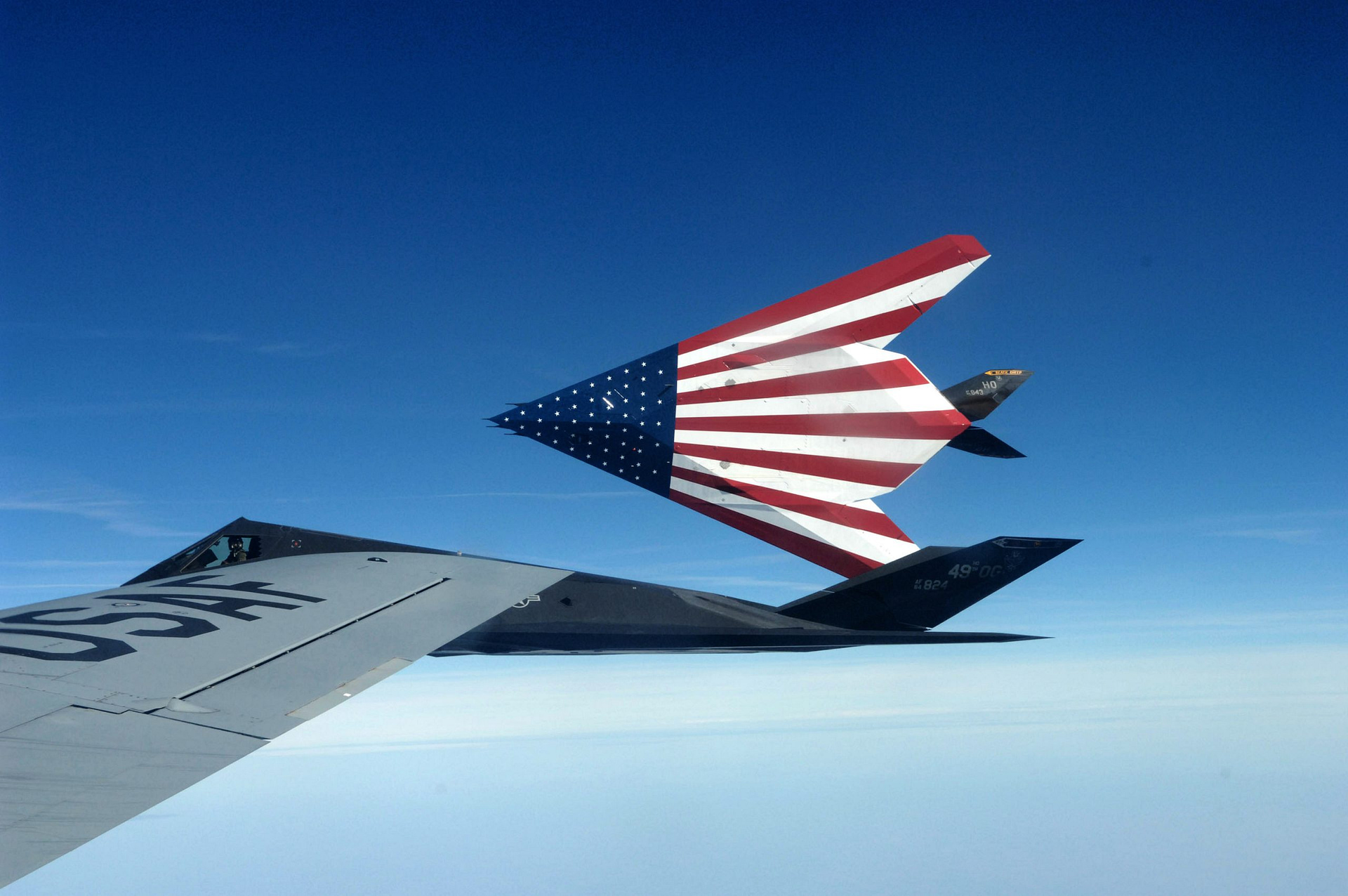
Lockheed F-117
“Nighthawk”
The world’s first operational stealth aircraft — a faceted black jet built in total secrecy at Lockheed’s Skunk Works, flown only in the dark, and the machine that finally made radar-evading warplanes real.
The jet that made radar blind
By the mid-1970s the United States had a problem: Soviet radar-guided surface-to-air missiles had grown so lethal that flying into defended airspace was close to suicide. The answer was not to fly faster or higher, but to disappear. In 1975 Lockheed’s legendary Skunk Works, then led by Ben Rich, began chasing an idea that sounded absurd — an aircraft so shaped that enemy radar would barely see it at all.
The breakthrough came from an unlikely place: a 1962 paper by Soviet physicist Pyotr Ufimtsev, which gave engineers the maths to predict how radar waves scatter off flat panels. A Skunk Works mathematician, Denys Overholser, realised those equations meant a jet built entirely from angled facets could deflect radar energy away from the sender. The demonstrator that proved it — the Have Blue — first flew in 1977, and the operational aircraft, code-named Senior Trend, followed on 18 June 1981.
For seven years the F-117 flew only at night, from a remote base at Tonopah in the Nevada desert, its very existence a state secret. The world did not see it until the Pentagon released a single blurry photograph in November 1988. When it finally went to war — over Panama, then in a spectacular debut over Baghdad in 1991 — it rewrote the rules of air power. It was not the fastest or the most agile jet ever built. It was simply the one radar could not find.
01How the F-117 Nighthawk was built in total secrecy at Tonopah
The F-117 was one of the most closely guarded programmes of the Cold War. The operational jets were based at the Tonopah Test Range Airport in Nevada, and for years they flew only at night so they could not be photographed or tracked. Pilots and maintainers commuted from Nellis Air Force Base on unmarked contractor Boeing 737s, working a nocturnal life their own families knew almost nothing about — many were told only that they worked on a classified project in the desert.
Because the aircraft did not officially exist, the Air Force even flew A-7 Corsairs from Tonopah as a cover story to explain the flying-hours and personnel. The secret held remarkably well. The type was not publicly acknowledged until 10 November 1988, and the first F-117 was not shown to the public in daylight until 1990 — nearly a decade after its first flight.
What makes the F-117 special
A shape made of flat facets
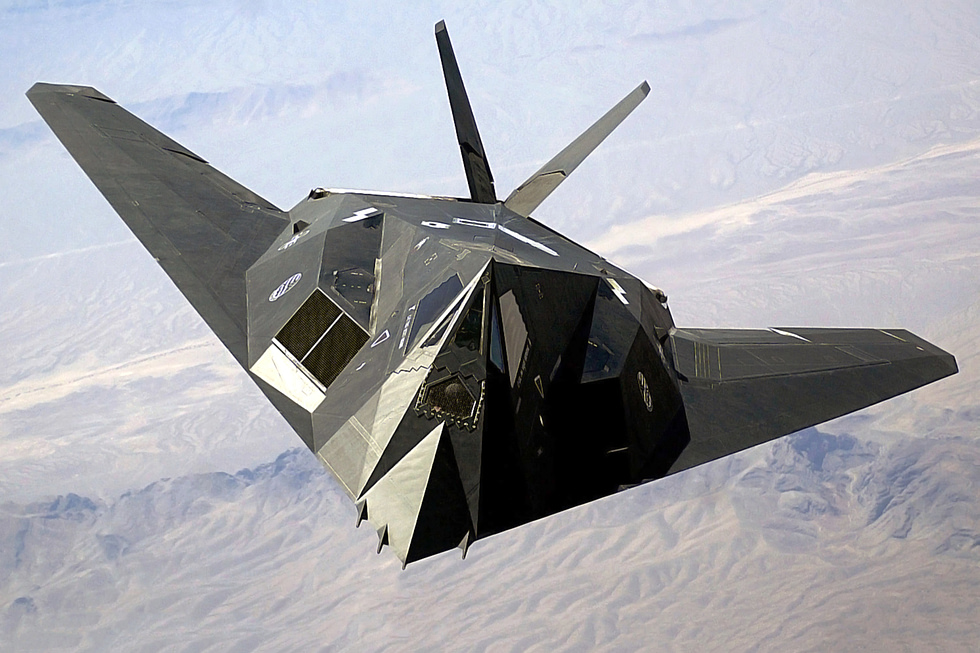
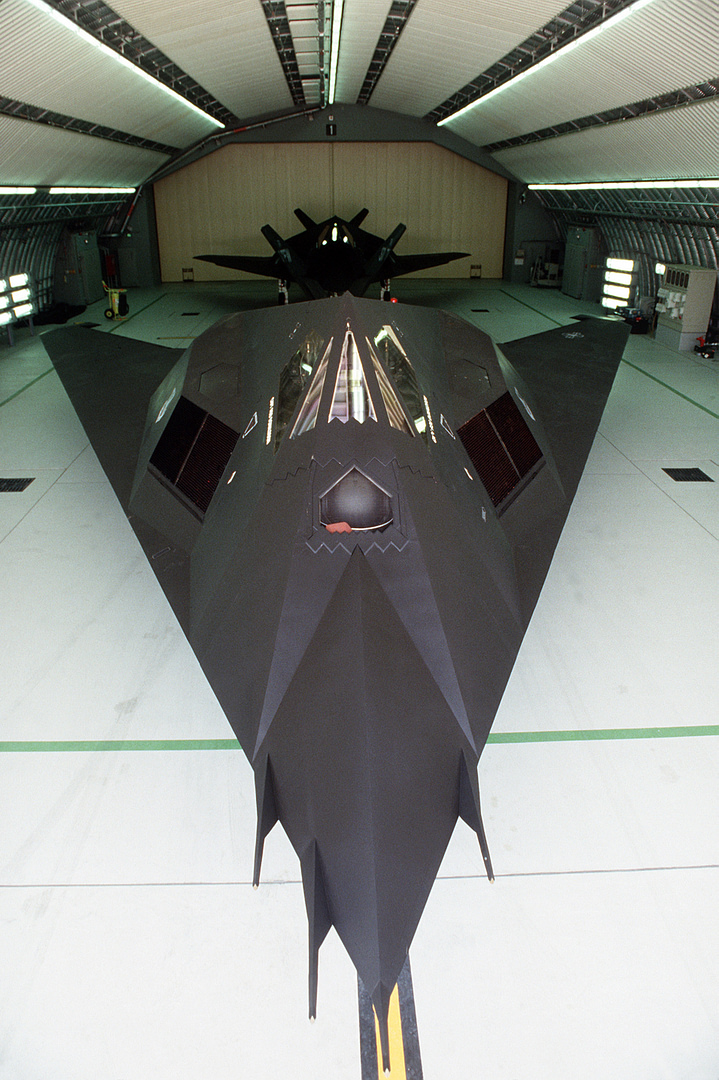
The Nighthawk’s strange, angular body is not styling — it is physics. Its surface is broken into dozens of flat panels (facets) angled to bounce radar energy away from the sender rather than back to it, and the whole airframe is wrapped in radar-absorbent material (RAM). Together they gave the F-117 a radar signature commonly likened to a small bird. The design was only possible because Soviet physicist Pyotr Ufimtsev’s equations let Skunk Works predict a faceted jet’s radar return before it was ever built.
Precision bombing in the dark
The F-117 could not use radar — radar emissions would give it away — so it navigated by GPS and inertial systems and aimed with a pair of infrared sensors (FLIR and a downward-looking DLIR) that let the single pilot find, track and laser-designate a target in total darkness. Its two GBU-27 or GBU-10 laser-guided bombs rode in internal bays so nothing hung outside to reflect radar. The result was a stealthy aircraft that could put a 2,000-lb bomb through a specific doorway at night.
Subsonic, silent to radar, and unstable
Stealth drove every choice. Two General Electric F404 turbofans run without afterburner — no supersonic dash, no telltale reheat plume — and exhaust through flattened ‘platypus’ slots that cool and hide the heat. Carrying no radar and emitting almost nothing, the jet is nearly passive. The faceted shape is so aerodynamically unstable that it can only be flown by a quadruple-redundant fly-by-wire computer making constant corrections a human never could.
02The physics behind the F-117: Ufimtsev, the ‘Hopeless Diamond’ and edge waves
In 1962 a Soviet physicist named Pyotr Ufimtsev published a paper on how electromagnetic waves scatter from the edges of flat surfaces. Moscow considered it academic and let it circulate freely; a Skunk Works engineer, Denys Overholser, found it and realised it was the key to predicting an aircraft’s radar cross-section from simple flat facets. Lockheed’s early faceted test model was so ungainly the engineers nicknamed it the “Hopeless Diamond,” yet on the radar range it all but disappeared.
Ben Rich later joked that Ufimtsev had done more for American stealth than any US engineer. The irony is complete: the aircraft that would help win the air war over Iraq was made possible by a paper the Soviet Union gave away for free.
03Flying a brick: why the F-117 needed computers to stay in the air
Designing for radar, not for flight, produced a shape that no pilot could control unaided. The faceted airframe is aerodynamically unstable in pitch and yaw, so the F-117 relies on a quadruple-redundant fly-by-wire flight-control system that senses the aircraft’s attitude and corrects it many times a second. Take the computers away and the jet would tumble.
Early instability during the Have Blue and development years earned the type the mocking nickname “Wobblin’ Goblin,” though operational pilots insisted the finished aircraft flew steadily and disliked the name, preferring simply “the Black Jet.”
Full F-117 specifications
Airframe & Performance
- Multitud
- 1
- Longitud
- 20.09 m (65 ft 11 in)
- Envergadura
- 13.21 m (43 ft 4 in)
- Altura
- 3.78 m (12 ft 5 in)
- Peso vacío
- ~13,380 kg (29,500 lb)
- Max takeoff weight
- ~23,810 kg (52,500 lb)
- Max speed
- ~Mach 0.92 (high subsonic)
- Rango
- ~1,720 km combat radius (with tanking)
- Techo de servicio
- ~13,700 m (45,000 ft)
Propulsion, Systems & Cost
- Engines
- 2 × GE F404-F1D2 (non-afterburning)
- Thrust (each)
- ~40–48 kN (9,000–10,800 lbf), source-dependent
- Radar
- None — passive IR (FLIR/DLIR) targeting
- Internal payload
- ~2,300 kg (5,000 lb) in 2 bays
- Typical weapons
- 2 × GBU-27 or GBU-10 laser-guided bombs
- First flight
- 18 June 1981
- Built
- 64 (5 YF-117A + 59 F-117A)
- Unit cost
- ~$42–45 million flyaway (est.)
- Program cost
- ~$111 million per aircraft incl. development
04What the F-117 Nighthawk actually cost
Because it was a black programme, the F-117’s finances were hidden for years, and the numbers you see depend on what is counted. The flyaway cost of an individual airframe is usually put in the low-to-mid $40 millions (1980s dollars). Spread the enormous secret research, development and infrastructure bill across the small fleet of 64 aircraft, however, and the program unit cost rises to roughly $111 million each. No reliable public cost-per-flight-hour figure exists for the type. Any single dollar figure attached to the Nighthawk should be read with that ambiguity in mind.
From black project to retirement
Have Blue flies
Lockheed’s faceted stealth demonstrator, Have Blue, takes to the air and proves a radar-evading shape can actually fly.
First Senior Trend flight
The first operational F-117A flies on 18 June from Groom Lake — still one of the most secret aircraft in the world.
Declared operational
The 4450th Tactical Group reaches initial operating capability at Tonopah, flying the jet exclusively at night.
The Pentagon reveals it
On 10 November the Air Force releases a single grainy photograph, finally admitting the F-117 exists.
Combat debut over Panama
During Operation Just Cause, F-117s fly their first combat mission, dropping bombs near Rio Hato — with mixed results.
Desert Storm
Around 40 Nighthawks strike the most heavily defended targets in Baghdad on the opening night, losing none.
Vega 31 shot down
On 27 March a Serbian SA-3 battery downs an F-117 over Yugoslavia — the only combat loss in the type’s history. The pilot is rescued.
Retired — but not gone
The Air Force retires the F-117 in April 2008, yet keeps airframes flyable; Nighthawks are still seen flying as test and adversary aircraft into the 2020s.
Twelve stories from the shadows
A Soviet paper built it
American stealth began with maths the USSR gave away for free.
Read the full story
The Hopeless Diamond
The first stealth shape was so ugly engineers laughed — then it vanished on radar.
Read the full story
A life lived at night
For years F-117 crews commuted to a secret desert base and flew only in the dark.
Read the full story
‘Wobblin’ Goblin’
The unstable stealth shape earned a mocking nickname its pilots hated.
Read the full story
The F-19 that never was
Before the reveal, the world was sure the secret stealth jet was called the F-19.
Read the full story
One blurry photo
After a decade of secrecy, the F-117 was unveiled with a single grainy picture.
Read the full story
A rocky debut over Panama
The F-117’s first combat mission was overshadowed by a bombing controversy.
Read the full story
First bomb on Baghdad
A Nighthawk dropped the opening bomb of Desert Storm on the enemy capital.
Read the full story
Why it only flew at night
Stealth against radar left the F-117 exposed by day, so it became a creature of darkness.
Read the full story
The night stealth died
A Serbian missile crew did what no one thought possible and shot down an F-117.
Read the full story
The pilot and the man who shot him down
Years later, the F-117 pilot and the Serbian officer who downed him became friends.
Read the full story
Retired, but still flying
Officially gone since 2008, Nighthawks keep turning up in the desert skies.
Read the full story
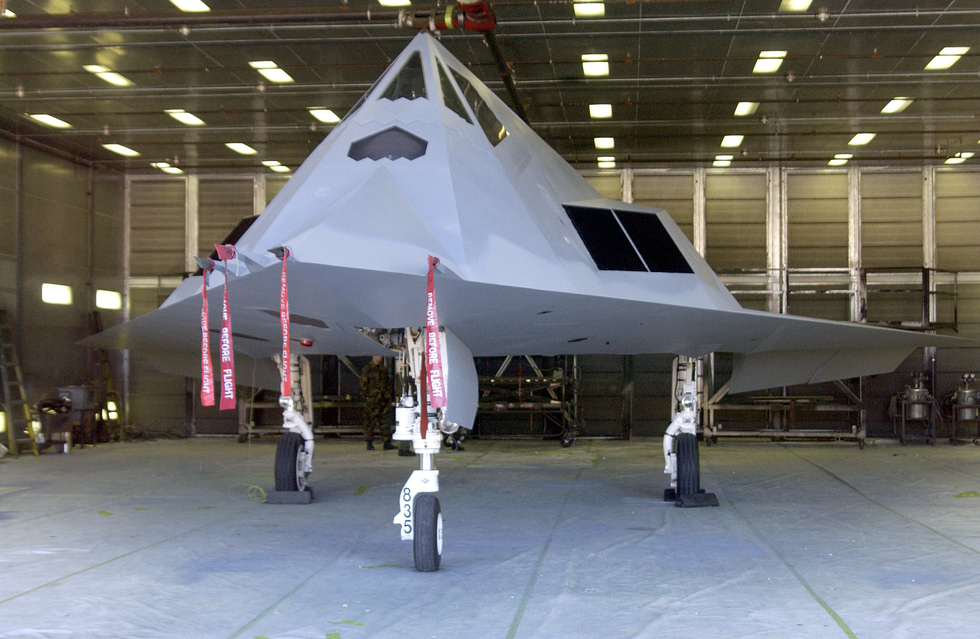
The Nighthawk in pictures
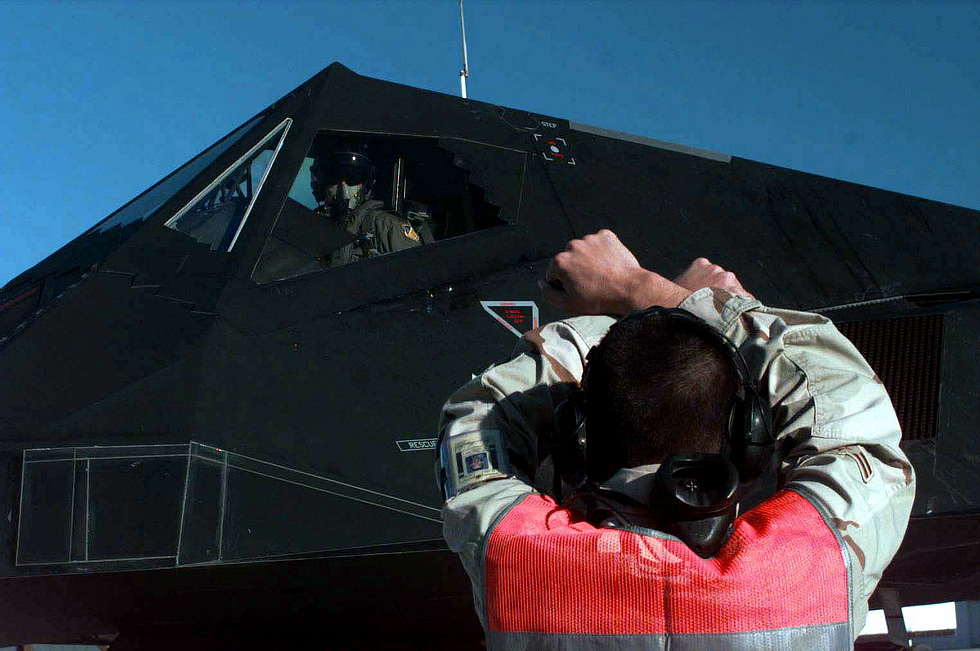
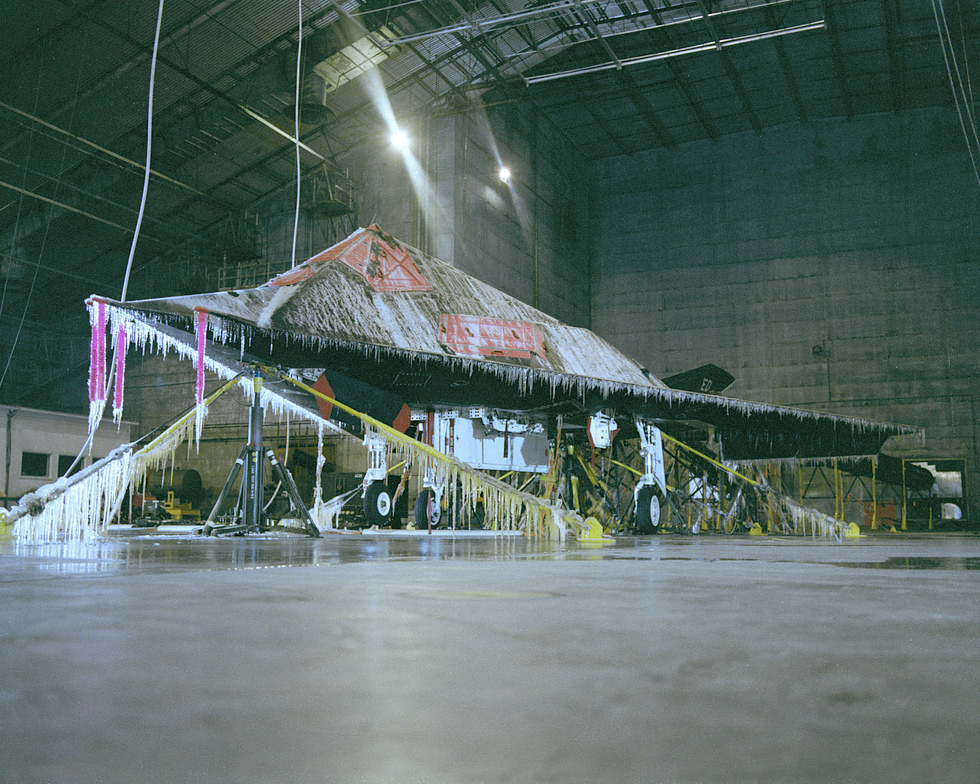
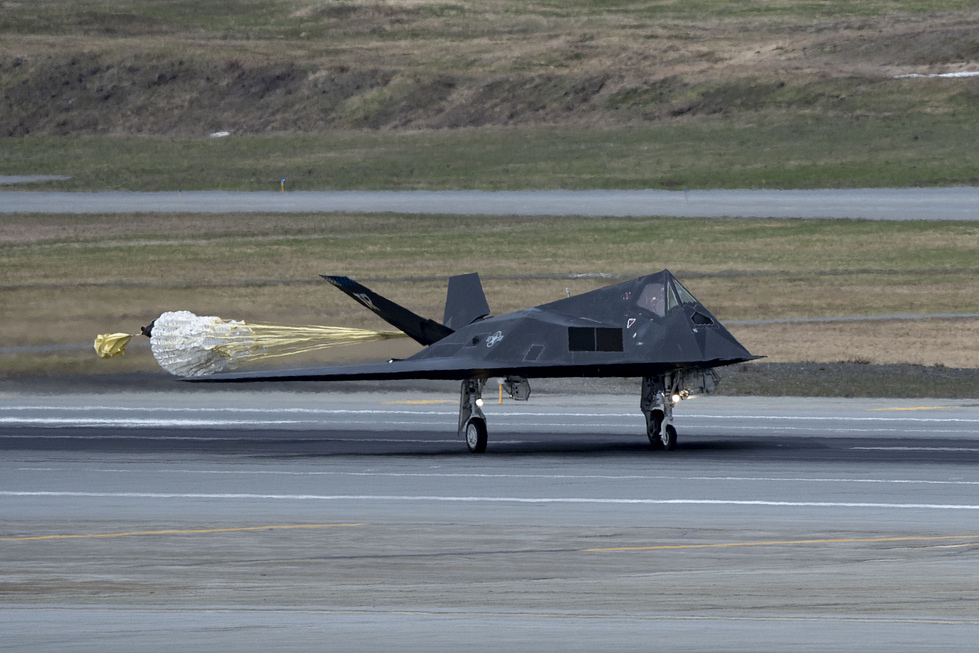
The F-117 in motion
A hand-picked F-117 Nighthawk documentary is coming soon to this page. In the meantime, explore the stories, gallery and operations map above — or read the full account of the 1999 shootdown in the stories below.
The F-117 Nighthawk in motion
Real Engineering — one of the most-watched F-117 Nighthawk films on YouTube.
Where the F-117 operated
The score that defines it
The F-117 never fired a shot in air-to-air combat — it carried no guns or missiles and never needed them. Its record is one of stealthy precision strikes against the hardest targets, and of a single, historic loss. In Desert Storm it flew a small fraction of the sorties yet hit a large share of the strategic targets, and it did so without losing an aircraft. Only once, over Serbia in 1999, did a defender manage to bring a Nighthawk down.
Compare the combat record of every military aircraft. Figures as of July 2026.
Everything people ask about the F-117
Can I fly in an F-117?
Why is the F-117 called a “fighter” if it only drops bombs?
How was the F-117 kept secret for so long?
Was an F-117 ever shot down?
How fast is the F-117?
Why was it thought to be called the F-19?
Is the F-117 still flying?
You can’t fly the F-117.
These, you can.
Some legends only live in museums — others are fuelled and waiting. MiGFlug has put civilians in real military jet cockpits since 2004.
 Fly the L-39 AlbatrosThe world’s most-flown jet trainer — aerobatics included
 Fly the F-104 Starfighter“The missile with a man in it”
 Fly the MiG-21The Cold War’s most-produced jet
 Vuela el T-33 Shooting StarAmerica’s first jet trainer
 Fly the DH VampireA piece of early jet history
 Fly the S.211Agile Italian jet trainer
 Fly the MB-326The classic Aermacchi jet
 Fly the MiG-15The Soviet legend of the Korean War
Continue the tour
Every fact, checked
- National Museum of the U.S. Air Force — F-117A fact sheetOfficial specifications, development and service history.
- Lockheed Martin — F-117 Nighthawk historyThe manufacturer’s account of the Skunk Works stealth programme.
- Air & Space Forces Magazine — F-117Reference specifications and operational timeline.
- The Aviation Geek Club — F-117 over BaghdadDesert Storm sortie figures and first-night strikes.
- Defense Media Network — The Rescue of Vega 31Detailed account of the 1999 shootdown and pilot rescue.
- The Aviationist — the 1999 F-117 shootdownZoltan Dani’s SA-3 battery, tail number 82-0806 and why stealth failed.
- Code One Magazine — F-117 Nighthawk MemoriesFirst-hand recollections of the secret Tonopah years.
- 19FortyFive — How the F-117 redefined stealthDevelopment, Ufimtsev’s physics and the aircraft’s legacy.