
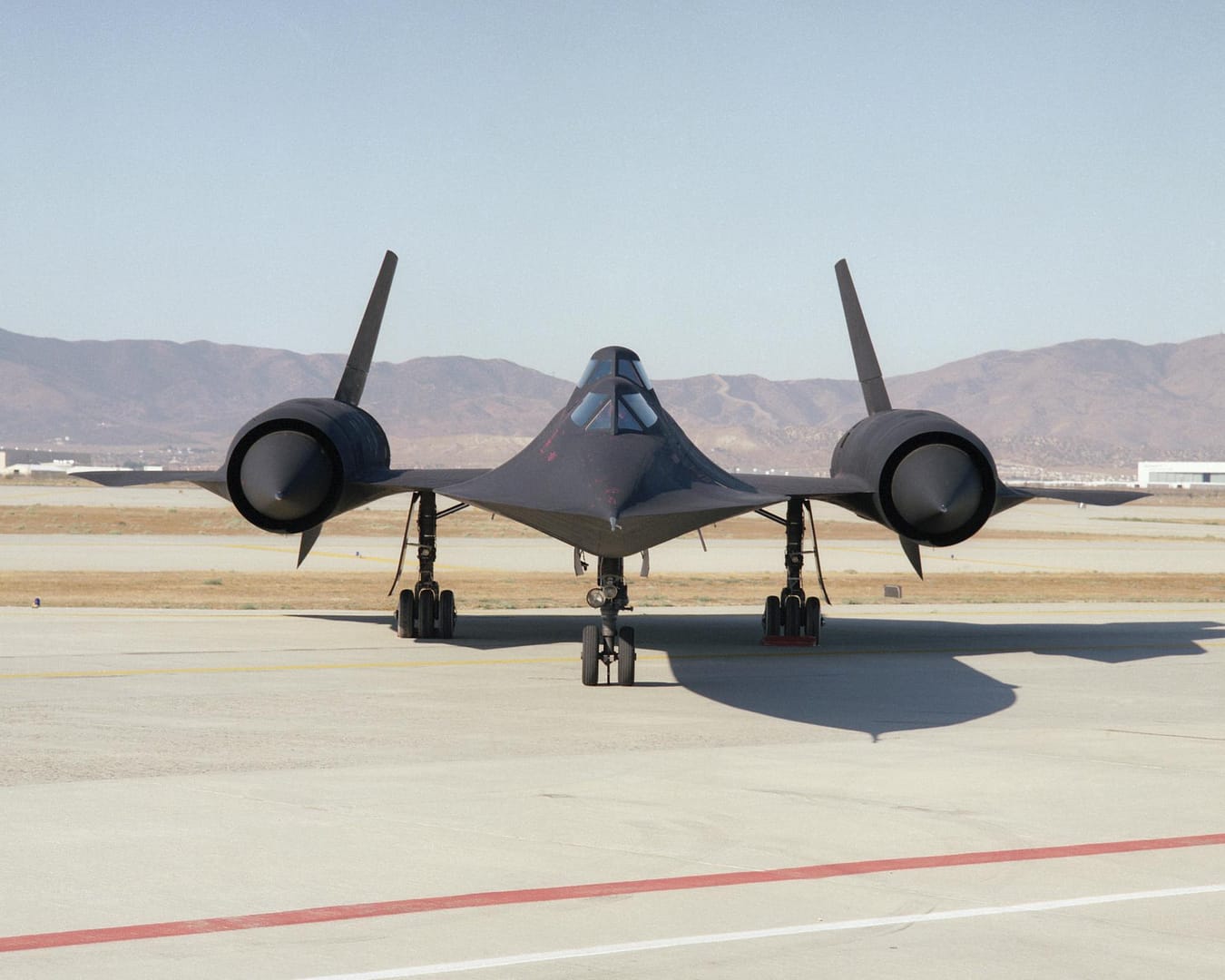
The skin glows a dull cherry red. At Mach 3.2, eighty thousand feet above the earth, the leading edges of the Blackbird climb past 1,000 degrees Fahrenheit, hot enough to soften aluminium like warm wax and bend ordinary steel out of true. Only one metal on the periodic table could take the punishment without growing impossibly heavy: titanium.
And here lies the most exquisite irony of the Cold War. In the early 1960s, the United States simply did not have enough of the stuff. The world’s richest reserves of titanium ore sat squarely inside the Soviet Union — the very country the aircraft was being built to photograph. So the CIA went shopping, quietly, through a maze of third countries and shell companies, and bought the raw material for its premier spy plane from Moscow itself.
The Russians, it is said, never suspected a thing. They sold the metal that became the airframe of the machine designed to spy on them.
Quick Facts
- The SR-71 airframe was roughly 85–93% titanium by weight — the first aircraft built almost entirely from the metal.
- Leading-edge skin temperatures exceeded 1,000°F (about 540°C) at sustained Mach 3+ cruise.
- The USSR was the world’s leading source of titanium ore (rutile) in the early 1960s.
- Per Ben Rich’s memoir, the CIA used “third parties and dummy companies” to buy the base metal from the Soviet Union.
- First flight: 1962 (A-12 predecessor); SR-71 entered service 1966; retired (mostly) 1990.
- Titanium was so brittle and reactive that Skunk Works had to invent new tooling and procedures from scratch.
The Tyranny of Heat
Every material has a temperature at which it stops behaving. For aluminium, the workhorse of post-war aviation, that point arrives embarrassingly early. Push an aluminium airframe past roughly Mach 2.2 for any sustained period and the structure begins to lose strength, creep, and ultimately fail. The Blackbird was designed to cruise at Mach 3.2 — not in a brief afterburner dash, but for hours.
Stainless steel could survive the heat. But steel is heavy, and a Mach 3 aircraft that can barely lift itself is no aircraft at all. Lockheed’s engineers were squeezed between two impossibilities: a metal light enough to fly, and a metal tough enough not to melt.
Titanium answered both demands. It offered nearly the strength of stainless steel at little more than half the weight, and it held that strength deep into the temperature band where aluminium turned to taffy. There was simply no other option.
Real Engineering breaks down the thermal and material challenges that forced Lockheed to build the SR-71 almost entirely from titanium.
Shopping at the Enemy’s Counter
The problem was supply. Titanium is not rare in the earth’s crust — quite the opposite — but in 1960 the ore that mattered, high-grade rutile, was concentrated in a handful of places, and the dominant producer was the Soviet Union. American domestic reserves were thin, and the Titanium Metals Corporation, Lockheed’s supplier, held only limited stock of the specific high-purity alloy the design demanded.
So the Central Intelligence Agency, which ran the program in its earliest A-12 form, did what intelligence agencies do. It created a procurement network — front companies, sympathetic third countries, paperwork that pointed everywhere but Burbank — and began buying Soviet titanium on the open market. The metal flowed west under cover stories so mundane that, by some accounts, the Soviets were told it was destined for things as harmless as pizza ovens.
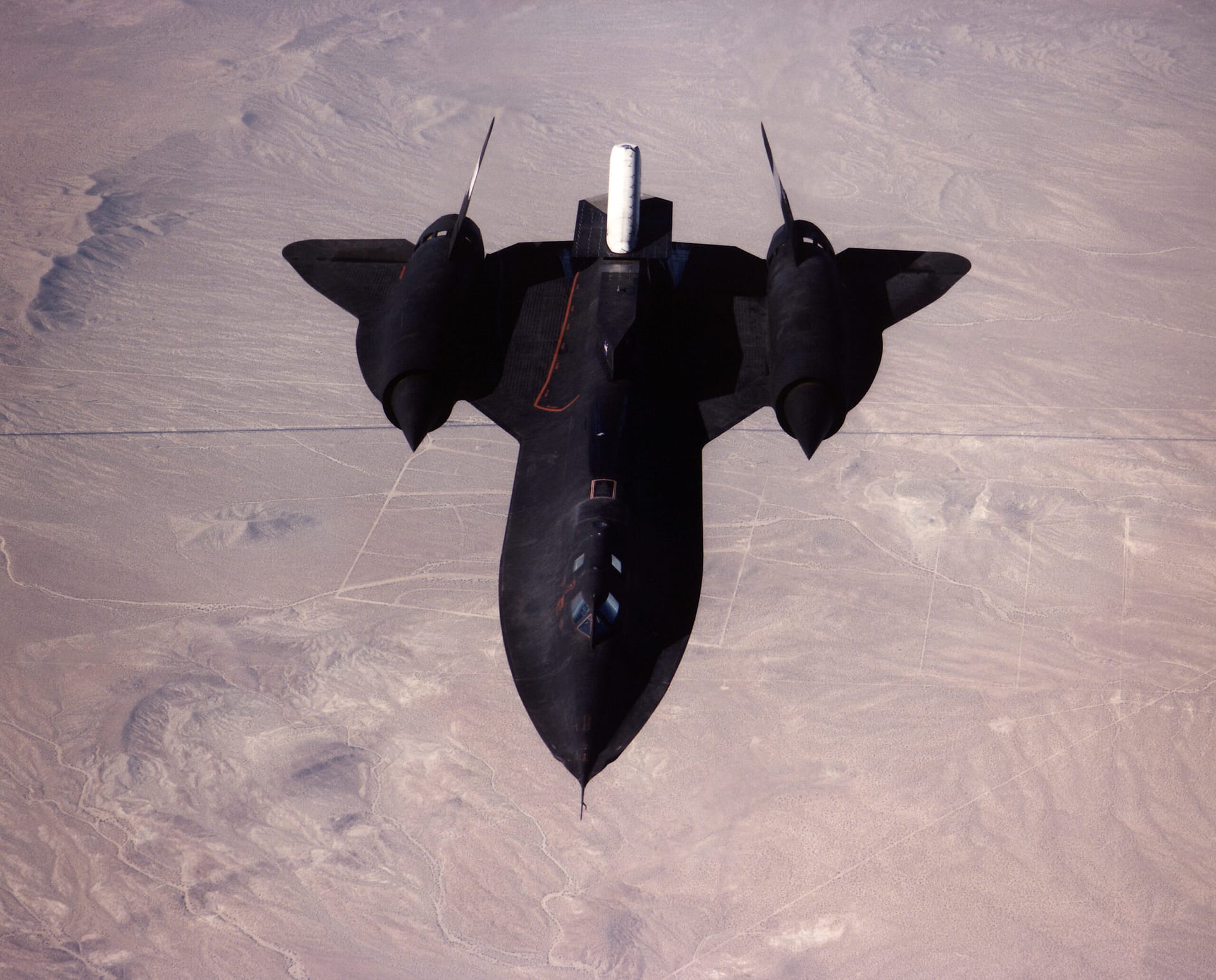
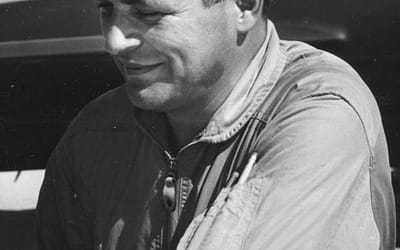
The most-quoted account of the scheme comes straight from the man who would later run Skunk Works. In his memoir, Ben Rich set it down plainly — and it is worth reading in his own words, because almost every retelling since traces back to this single paragraph.
How Solid Is the Story?
Here precision matters. That the SR-71 was built overwhelmingly from titanium is beyond dispute — it is documented by Lockheed Martin, the Smithsonian, and the engineers who bent the metal. That the Soviet Union was the era’s leading titanium source is equally well established.
The specific, colourful claim — that the CIA covertly bought Soviet titanium through shell companies to build the Blackbird — rests primarily on Ben Rich’s 1994 memoir, and the Smithsonian and reputable historians have since repeated it. It is credible and widely accepted, but it traces largely to one firsthand source rather than a declassified paper trail. The famous “pizza ovens” cover story, in particular, is best treated as aviation lore: oft-repeated, rarely documented.
Members of the SR-71 community add a further wrinkle. By their account the purchase from the Russians happened essentially once, after which the program turned to other suppliers — reportedly including Australia — to avoid feeding the Soviet economy. The truth, as so often, is more nuanced than the meme.
A Metal That Fought Back
Securing the titanium was only half the battle. Working it was a nightmare all its own. The high-strength alloy was so brittle that components shattered when mishandled on the assembly line, and Lockheed had to send its machinists back to school to learn how to handle it.
Worse, the metal was chemically temperamental. Cadmium-plated steel tools — standard issue across the industry — embrittled titanium on contact, so an entirely new set of tools had to be designed and fabricated from titanium itself. Even chlorine proved an enemy: parts washed in tap water in summer were found to corrode, because some municipalities chlorinated their water more heavily in the warm months.
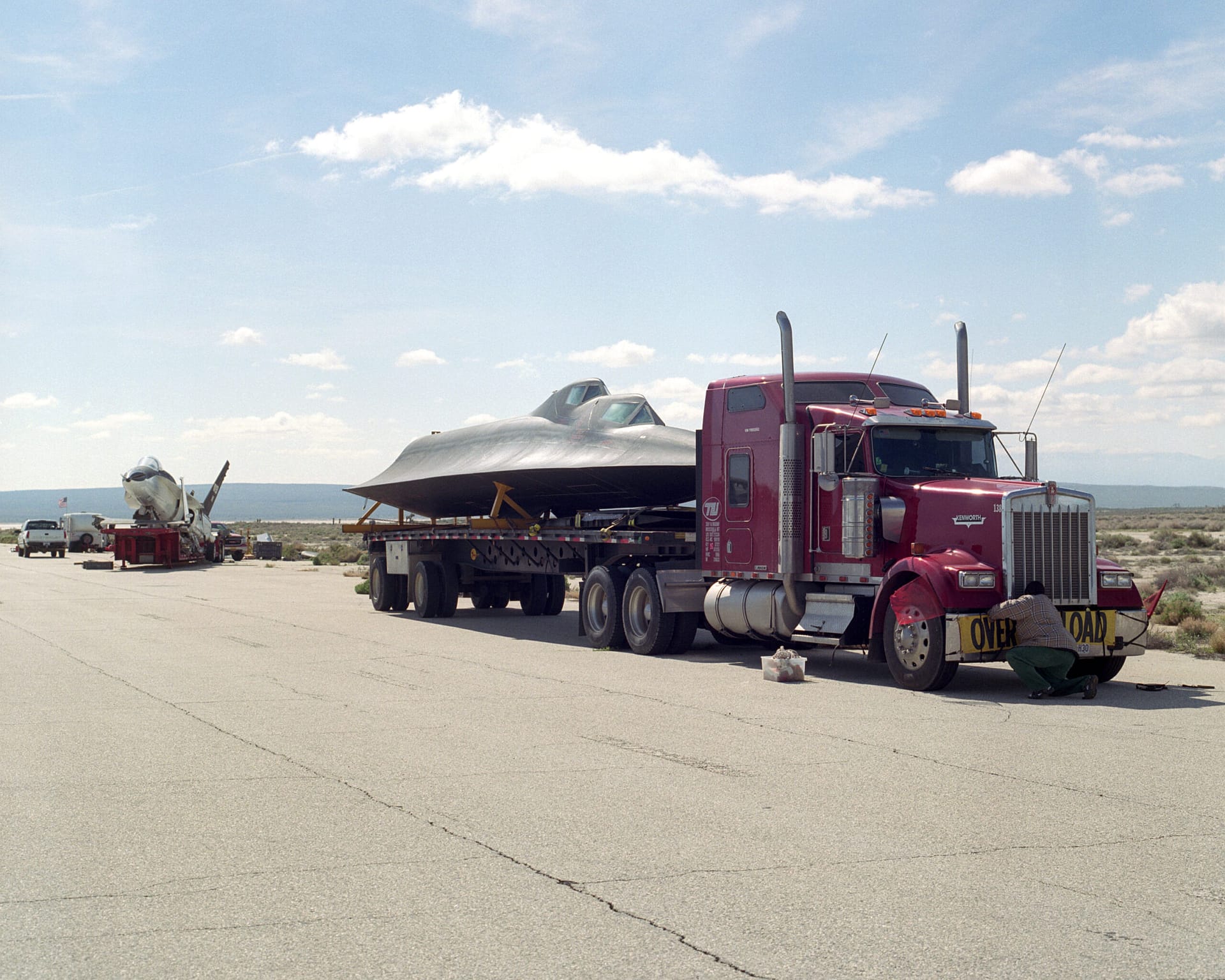
The result, once mastered, was a machine that has never truly been surpassed. More than sixty years after its first flight, no operational aircraft has flown higher and faster for longer — and the airframe that made it possible was, in part, bought from the adversary it was built to watch.
Sources: Ben R. Rich & Leo Janos, “Skunk Works” (1994); Smithsonian Magazine (Andrew Chaikin, 2014); Lockheed Martin official Blackbird history; The National Interest; National Security Journal; Habubrats SR-71 (Linda Sheffield Miller).
 English
0 Comments