
Quick Facts
Date: 9 June 1982
Location: Bekaa Valley, Lebanon
SAM batteries destroyed: 17 of 19
Syrian aircraft lost: 82–86 (MiG-21s and MiG-23s)
Israeli aircraft lost: 0
Key systems: Samson & Delilah decoy drones, E-2C Hawkeye, electronic warfare
The Trap
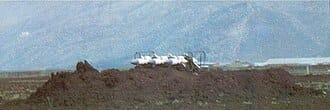
Syria had built a dense network of Soviet SA-6 Gainful surface-to-air missile batteries across the Bekaa Valley in 1981, during its occupation of Lebanon. The SA-6 was the same system that had devastated Israeli aircraft during the 1973 Yom Kippur War. Syria was confident. The batteries were dug in, overlapping, and connected to a centralised command network. Israel spent months preparing. The plan was elegant: first, send Samson and Delilah decoy drones over the valley. The drones looked like fighters on radar. When the Syrians turned on their SAM radars to engage the decoys, Israeli electronic warfare aircraft recorded the exact frequencies and positions. Then F-4 Phantoms fired AGM-78 Standard anti-radiation missiles at the exposed radars. F-16s followed up with iron bombs on the launchers. The entire suppression phase was over in hours.The Turkey Shoot
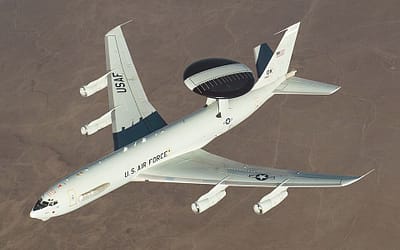
Syria scrambled its air force. Over the next three days, waves of MiG-21 Fishbeds and MiG-23 Floggers rose to meet the Israelis — and were systematically destroyed. Israeli F-15 Eagles and F-16 Fighting Falcons, supported by E-2C Hawkeye airborne early warning aircraft that gave them a God’s-eye view of every Syrian formation, achieved an 82-to-0 kill ratio. Some accounts put the Syrian losses as high as 86. The asymmetry was shocking. Soviet-built aircraft and missiles, operated by Soviet-trained crews using Soviet doctrine, had been annihilated by a smaller force using American equipment and Israeli tactics. The political consequences were enormous.“The Czech deputy chief of staff told me that when he was in the National Defence College in Moscow in 1982, he learned that the blow to the Syrian surface-to-air missile batteries was a catalyst for glasnost in the Soviet Union.”
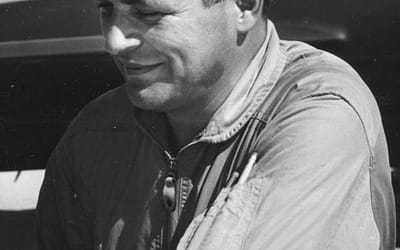
IAF Commander David Ivry — Recalling what a Czech officer told him after the Cold War
 English
0 Comments