
The Shahed Effect
Iran’s Shahed-136 changed the economics of air warfare overnight. At roughly $20,000–$50,000 per unit, the delta-wing kamikaze drone can strike targets hundreds of kilometres away at a cost that makes traditional air defences absurd. Shooting down a $30,000 drone with a $3 million Patriot interceptor is not a strategy. It is a bankruptcy plan. Russia learned this lesson in Ukraine. Rather than risk irreplaceable crewed aircraft over contested airspace, Moscow began launching Shaheds by the hundred — forcing Ukraine to burn through Western-supplied air defence missiles at an unsustainable rate. The drone was not accurate enough to destroy hardened military targets, but it did not need to be. Its job was to exhaust the defence.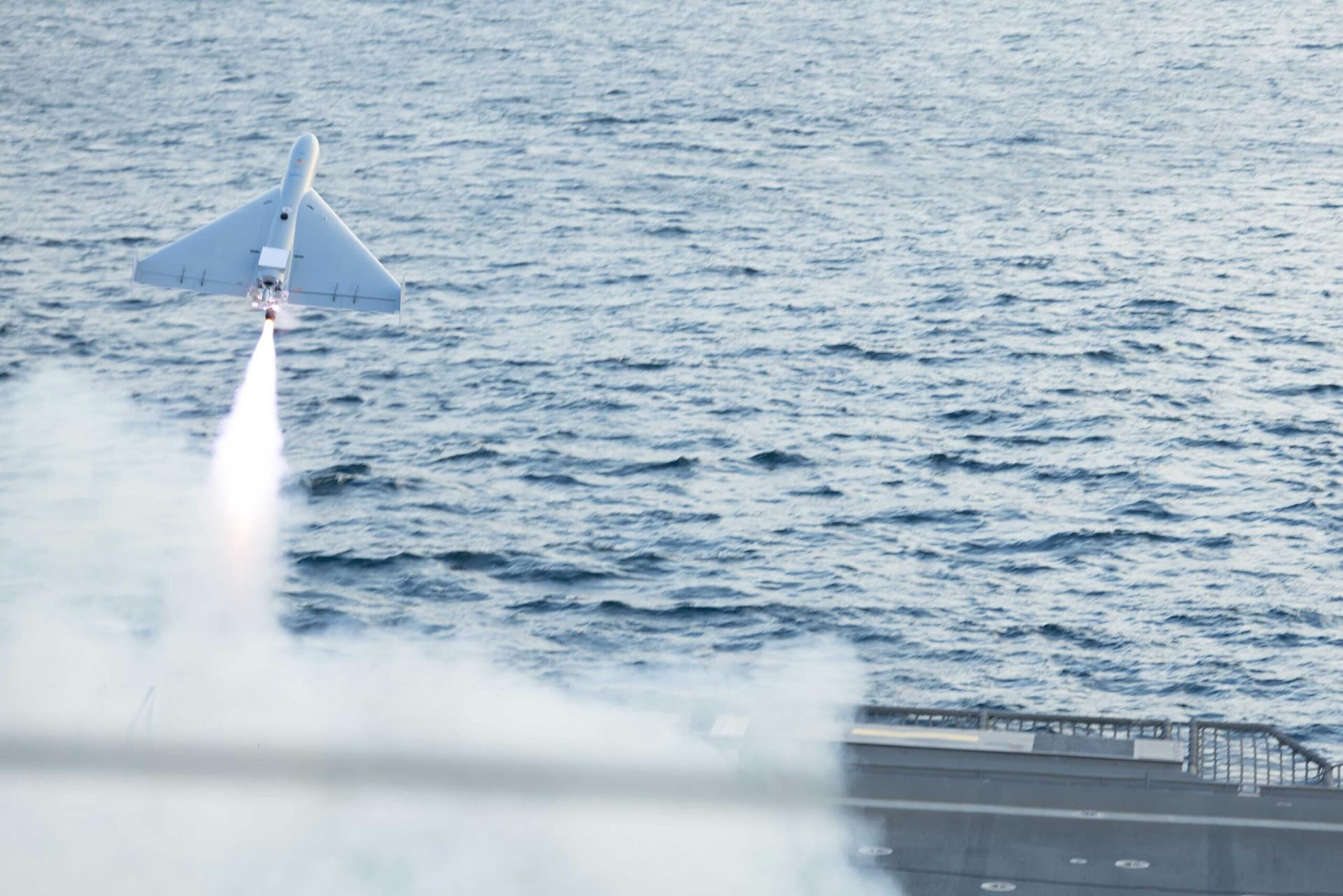
America Copies the Homework
The Pentagon took notes. In 2025, the U.S. effectively reverse-engineered the Shahed concept to create LUCAS — a Western-standard one-way attack drone costing approximately $35,000 per unit. A small unit of roughly two dozen personnel now operates an inventory of these drones, which were first used in combat operations in early 2026. What separates LUCAS from its Iranian ancestor is the brain. Where the Shahed relies on basic GPS and inertial navigation, LUCAS uses autonomous coordination — drones communicate with each other mid-flight, adapt to changing conditions, and can operate in swarms. The airframe may be expendable, but the software is cutting-edge. An experimental unit for small disposable drones is launching in mid-2026 under Air Force Special Operations Command. The message is clear: America is not just building expendable drones as a stopgap. It is building them as a permanent category of weapon.The CCA: Expendable Wingmen
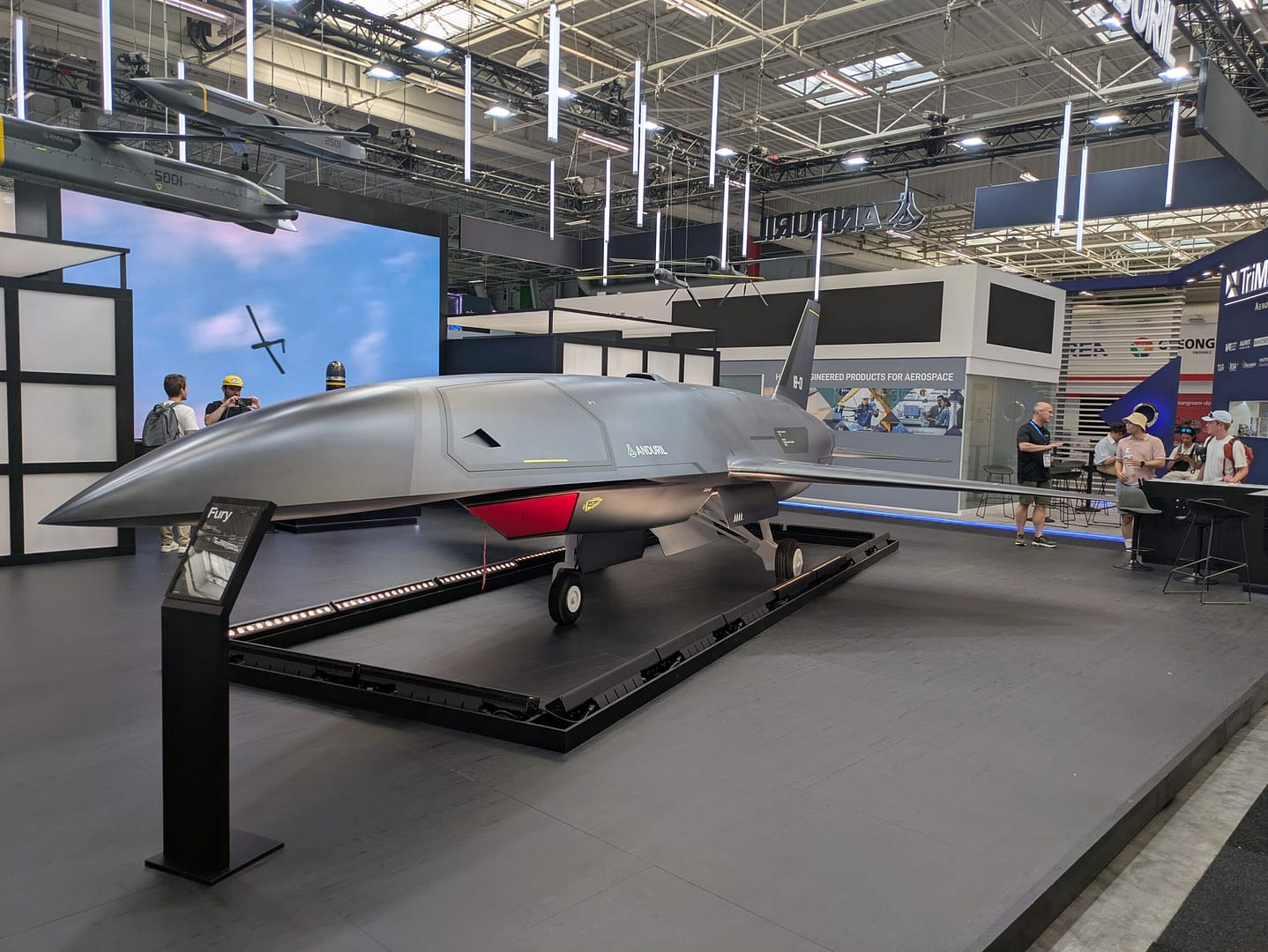
At the other end of the cost spectrum sit the Collaborative Combat Aircraft. At $3–10 million each, CCAs are not cheap in absolute terms. But compared to the $80 million F-35 they are designed to fly alongside, they are bargain-basement. The concept pairs every crewed fighter with two or more AI-controlled unmanned aircraft carrying sensors, weapons, and electronic warfare systems. If a CCA gets shot down in combat, the loss is tactical, not strategic — no pilot to rescue, no $100 million airframe to replace, no congressional inquiry. The Air Force is running a fly-off between Anduril’s Fury (YFQ-44) and General Atomics’ YFQ-42A for the first CCA production contract, expected in fiscal 2026. The Air Force wants about $1 billion to move CCAs into production in fiscal 2027, and Congress appears inclined to support it. The era of the robotic wingman is arriving faster than most analysts predicted.The Disposable Drone Spectrum
- FPV kamikaze drones: $500–$2,000 — Soldier-level strike tool, range 5–15 km
- Shahed-136 / LUCAS: $20,000–$50,000 — Strategic one-way attack, range 1,000+ km
- Switchblade 600: ~$50,000 — Loitering munition, anti-armour
- CCA (Fury / YFQ-42A): $3–10 million — AI wingman, multi-mission, reusable but expendable
- XQ-67A: ~$10 million — Larger autonomous combat drone, ISR and strike

 English
0 Comments