On April 26, 1986, Reactor Number Four at the Chernobyl Nuclear Power Plant exploded. What followed was the worst nuclear disaster in history — and one of the most extraordinary helicopter operations ever attempted. Soviet pilots flew directly over the burning, exposed reactor core, dropping sand, boron, clay, and lead into the inferno from as low as 200 meters. They did this knowing, or quickly learning, that the radiation levels above the reactor were lethal.
✈ Quick Facts
- Disaster date: April 26, 1986 (01:23 local time)
- Helicopter operations: April 27 – May 10, 1986 (peak intensity)
- Primary aircraft: Mil Mi-8, Mil Mi-26, Mil Mi-6
- Material dropped: ~5,000 tonnes of sand, boron, clay, dolomite, and lead
- Sorties over reactor: ~1,800 helicopter sorties in the first two weeks
- Radiation over reactor: Estimated 3,500+ roentgens/hour at 200m altitude
- Lead pilot: Colonel Nikolai Antoshkin, later awarded Hero of the Soviet Union
- Mi-8 crash: October 2, 1986 — rotor struck a construction crane cable; 4 crew killed
The First Hours
The explosion blew the 1,000-tonne reactor lid off the building and scattered radioactive graphite and nuclear fuel across the plant grounds. The exposed reactor core was burning — a graphite fire at over 1,500°C, spewing radioactive isotopes into the atmosphere. Ground-level radiation near the reactor building was measured at 10,000 to 15,000 roentgens per hour. A lethal dose was 500 roentgens.
Firefighters arrived first. They climbed the reactor building roof and fought the fires that threatened Reactor Number Three next door. Many received fatal radiation doses within minutes. By morning, the Soviet government began mobilizing the military response.
Colonel Nikolai Antoshkin, deputy commander of the Soviet Air Force’s Kiev military district, arrived at Chernobyl on the afternoon of April 26. He was ordered to begin helicopter operations over the reactor immediately. There were no radiation-shielded helicopters. There were no specialized procedures. There was just the order: seal the reactor.
Flying Into the Invisible Fire
The helicopter campaign began on April 27. Mi-8 and Mi-6 helicopters carried underslung loads of sand and boron in cargo nets, flying over the open reactor and releasing the loads from hover. The pilots had to hold position directly above the burning core — the hottest radiation zone on the planet — while the ground crew estimated whether the load had hit the target.
The initial runs were flown at about 200 meters altitude. Radiation dosimeters in the cockpits quickly exceeded their scales. Pilots reported tasting metal in their mouths — a common symptom of acute radiation exposure. Some crews wore lead sheets under their seats. Others placed lead plates on the cockpit floor. The protection was minimal at best.
“We knew the radiation was terrible. You could feel it — a heat, a tingling. But the reactor was burning and there was no other way to reach it. We flew because there was no one else.”
— Testimony from Chernobyl helicopter crew member, as recorded in liquidator interviews
As the campaign continued, flight altitudes were raised to reduce exposure. Crews were rotated after progressively shorter shifts — initially a few hours, then a single sortie per day as the cumulative doses climbed. The Soviet Air Force implemented a crude exposure tracking system, though its accuracy was questionable.
The Mi-26 Heavy Lifters
The Mil Mi-26 — the world’s largest production helicopter, capable of carrying 20 tonnes internally — became the workhorse of the later drops. It could deliver far more material per sortie than the Mi-8, reducing the number of passes needed over the reactor.
An Mi-26 was also used for one of the most dramatic operations: lowering a radiation sensor on a cable directly into the exposed reactor core to measure temperatures and radiation levels. The data was critical for assessing whether the nuclear fuel was still undergoing fission — a potential scenario that could have caused a second, even worse explosion.
Over the course of the first two weeks, helicopters dropped approximately 5,000 tonnes of material into the reactor. Whether this campaign actually helped contain the disaster remains debated among nuclear engineers. Some analysts have argued that the weight of the dumped material contributed to concerns about the reactor floor collapsing into the water-filled suppression pool below — which could have caused a steam explosion spreading contamination across a far wider area.
The October Crash
On October 2, 1986, during the ongoing construction of the concrete sarcophagus over the reactor, an Mi-8 helicopter snagged a construction crane cable with its main rotor. The helicopter crashed, killing all four crew members: Captain Volodymyr Vorobyov, Lieutenant Alexander Yungerov, Flight Engineer Leonid Khrystych, and Flight Engineer Nikolai Hanzhuk.
The crash was captured on film and became one of the most widely seen images of the Chernobyl disaster. The helicopter can be seen rotating uncontrollably after the rotor strike before plunging to the ground near the reactor building.
The Cost
Exact casualty figures among Chernobyl helicopter crews are disputed. The Soviet system was not transparent about radiation exposure records, and many pilots’ health deteriorated over years rather than weeks. What is documented: Colonel Antoshkin and his crews received significant radiation doses. Many developed cancers and other radiation-related illnesses in the years following the disaster.
Antoshkin himself was awarded the Hero of the Soviet Union for his leadership of the helicopter campaign. He survived and continued his military career, eventually reaching the rank of Major General before retiring. Many of his pilots were not as fortunate.
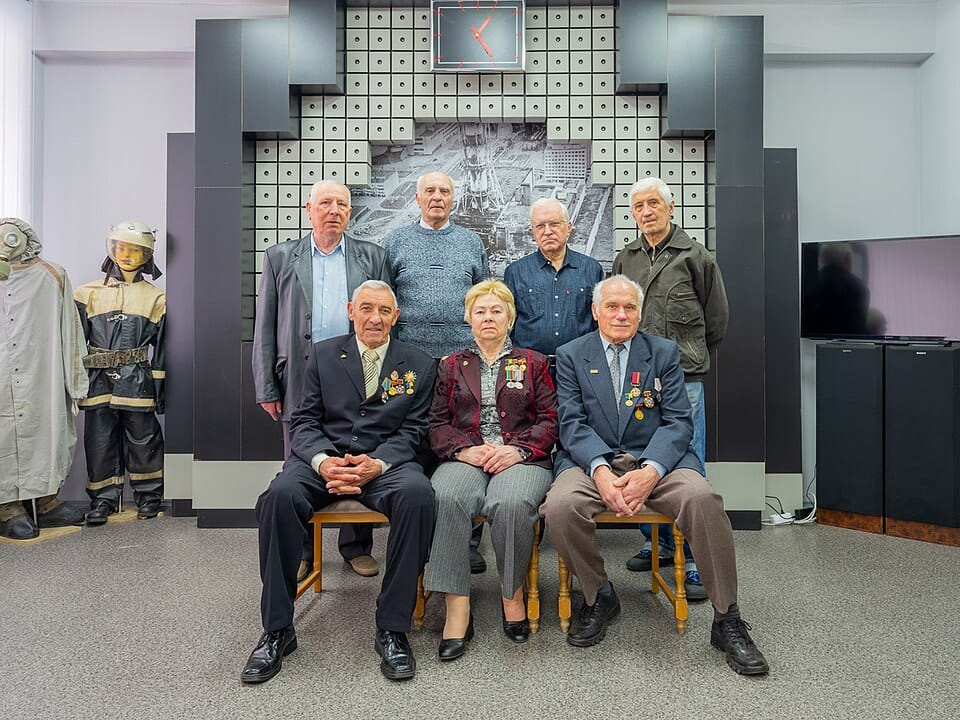
The helicopter pilots of Chernobyl were not volunteers in any meaningful sense — they were military officers who received orders. But they flew those missions with full awareness, after the first day, of what the radiation was doing to them. They are part of the broader story of the Chernobyl liquidators — the estimated 600,000 people who participated in the cleanup — and they deserve to be remembered as what they were: men who flew into a disaster that no aircraft was designed to survive.
Sources: IAEA Chernobyl reports, Svetlana Alexievich “Voices from Chernobyl,” Soviet Air Force after-action records, National Geographic documentary footage, Chernobyl liquidator testimony archives

 English
0 Comments