
For seventy years, the story of air power in South Asia had a familiar shape: India bought the best jets money could find — French, Russian, British — and Pakistan made do with whatever it could afford or build. That hierarchy is about to be turned upside down, and not by a Western jet.
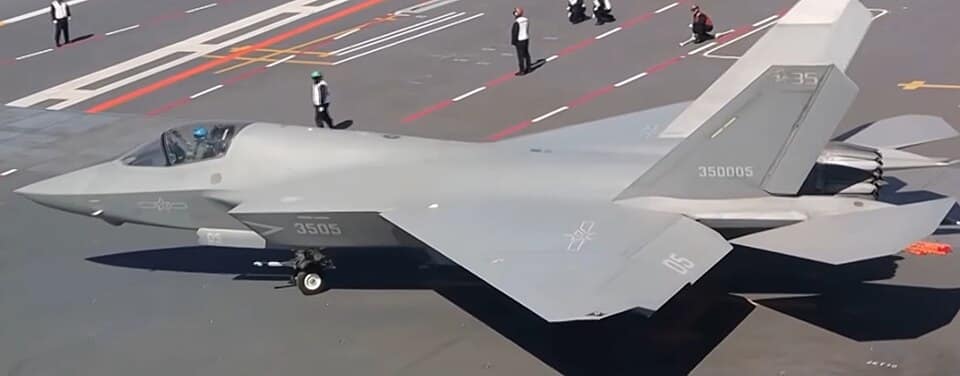
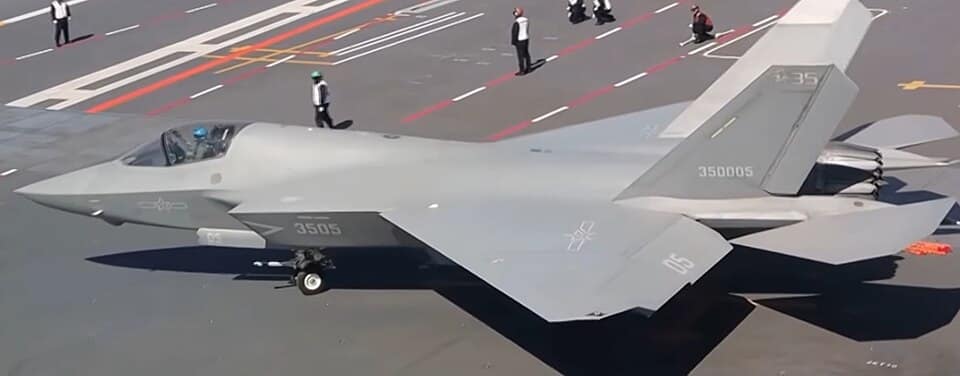
Pakistan has agreed to buy China’s newest stealth fighter, the Shenyang J-35. If the deal goes the distance, Islamabad will become the first country in the world outside China to fly a Chinese fifth-generation stealth jet — beating India to the stealth era in its own neighbourhood.
It is a remarkable reversal, and it says as much about Beijing’s ambitions as it does about Pakistan’s.
QUICK FACTS
Aircraft: Shenyang J-35 (export variant J-35AE)
Buyer: Pakistan Air Force
Reported quantity: Up to 40 aircraft
Significance: First export operator of a Chinese 5th-gen stealth fighter
Deliveries: Reportedly fast-tracked, as early as 2026–2027
Status: Initial agreement; no binding contract publicly confirmed
The deal, and what we actually know
Pakistani military leadership has publicly signalled an initial agreement to acquire the J-35, with reports putting the figure at up to 40 aircraft. China unveiled the dedicated export version — the J-35AE — on 1 May 2026, a clear declaration that the jet is now for sale. Both sides have stopped short of confirming a binding contract or a firm delivery calendar.
What is reported is striking enough. The original Chinese package, which surfaced briefly on official channels in 2025, paired the fighters with Shaanxi KJ-500 airborne early-warning aircraft and HQ-19 air-defence missiles — not just a jet, but a whole networked system. And deliveries, according to multiple regional outlets, have been pulled forward rather than pushed back.
Why this rattles New Delhi
India does not yet field a stealth fighter. Its home-grown AMCA is years from squadron service, and its push to buy more Rafales has bogged down in disputes over technology and source code. For the Indian Air Force to watch its rival induct a fifth-generation jet first — supplied by China, India’s other strategic worry — is close to a worst case.
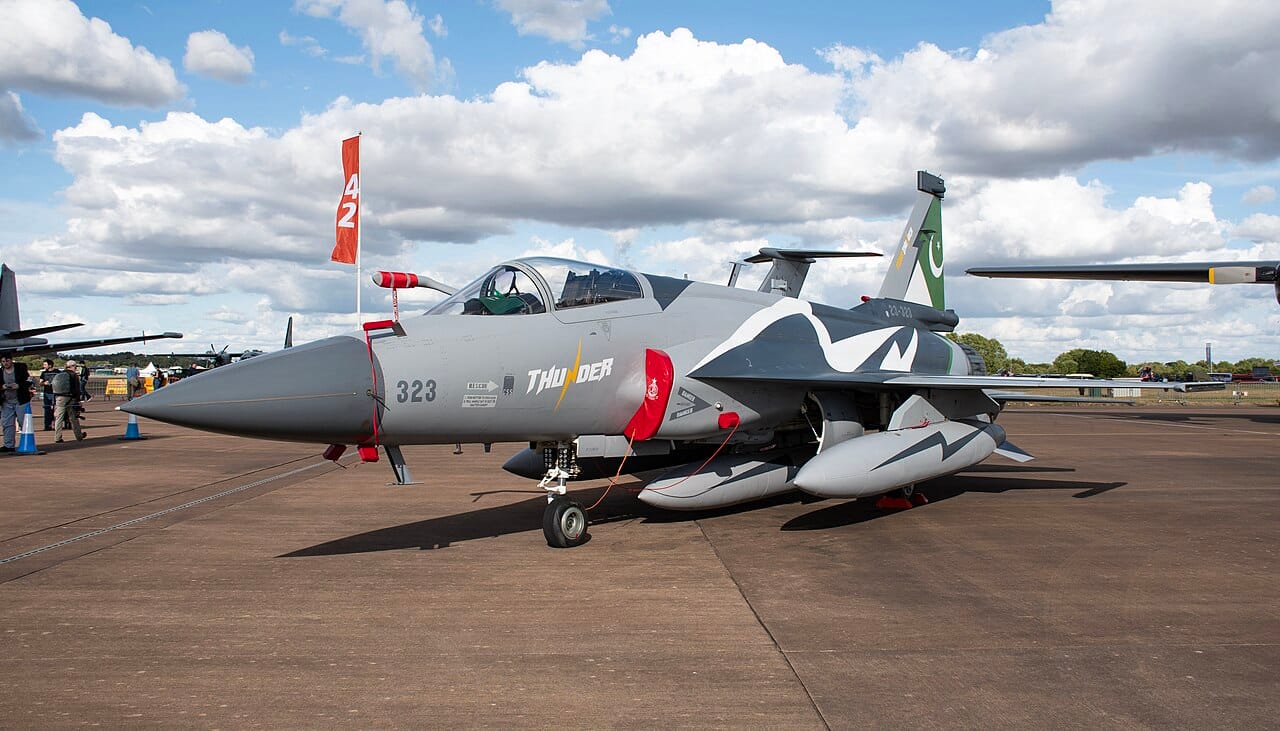
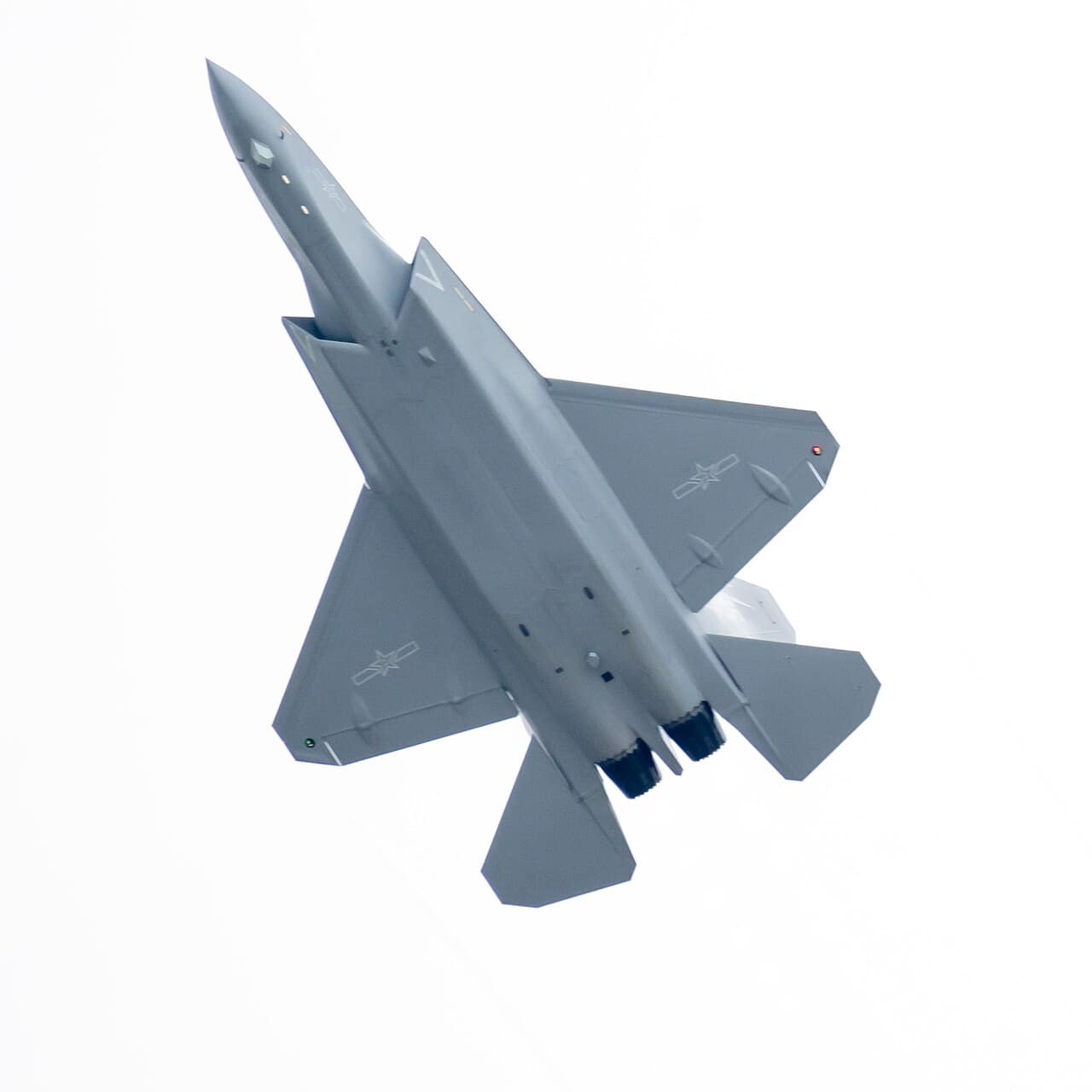
Pakistan’s current top-end fighter, the JF-17 Thunder, is itself a Sino-Pakistani product. The J-35 would be a generational leap above it: low-observable shaping, internal weapons carriage, and the sensor fusion that defines modern stealth combat.
There is a caveat worth stating plainly. China has never exported a stealth fighter before, and an export jet is rarely as capable as the version a country keeps for itself. Engines, sensors, and weapons access are all bargaining chips. How good the J-35AE really is — and how quickly Pakistan can absorb it — remains to be seen.
A new kind of arms race
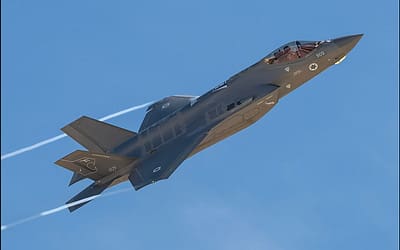
For decades the fifth-generation club was small and Western-led: the F-22, then the F-35, then a handful of others. China is now offering a seat at that table to whoever can pay — and Pakistan looks set to be the first taker.
If the jets arrive on the accelerated timeline being reported, South Asia will have its first stealth-versus-everything-else mismatch. That is the kind of imbalance that tends not to stay an imbalance for long. New Delhi will answer. The only questions are how, and how fast.
Sources: The Defense Post; Defence Security Asia; South China Morning Post; Quwa; Wikipedia (Shenyang J-35)
 English
0 Comments