
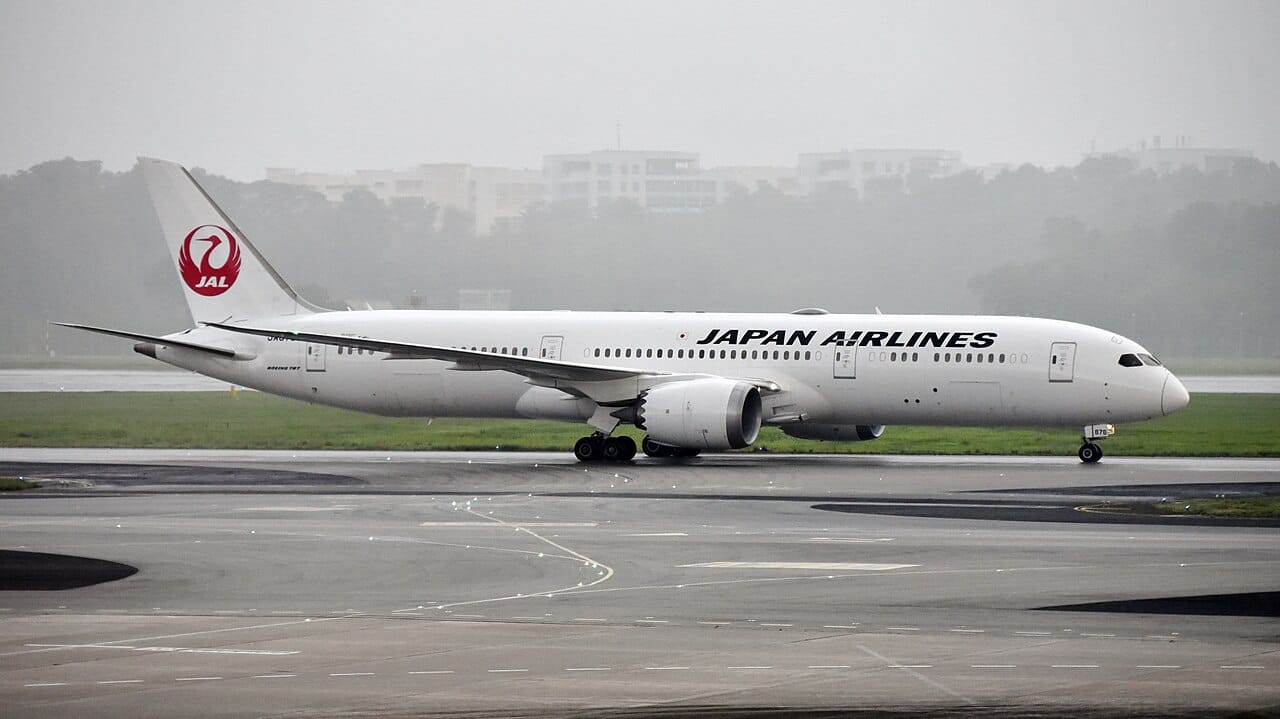
When an airliner needs more than a routine turnaround — one of the deep, weeks-long teardowns that strip it to the structure, inspect everything and put it back together — it doesn’t just taxi to a gate. It disappears into an MRO: a maintenance, repair and overhaul facility, the unglamorous industrial backbone that keeps the whole aviation system flying safely.
Across fast-growing Asia, there are not enough of them. On 16 June 2026, four companies moved to change that, agreeing to build a roughly US$360 million aircraft-maintenance complex at Vietnam’s Van Don International Airport — one of the largest such facilities the country has ever seen.
Where: Van Don International Airport, Quang Ninh Province, Vietnam
Partners: HAECO, Sun Group, Toyota Tsusho and Japan Airlines
Investment: around US$360 million, covering ~170,000 m²
Centrepiece: A four-bay wide-body hangar, plus narrow-body capacity
Opens: operations expected to begin in 2028 (~1,000 jobs)
A Four-Bay Hangar for the Region’s Backlog
The joint venture brings together Hong Kong’s HAECO — one of the world’s big independent maintenance providers — Vietnam’s Sun Group, Japan’s Toyota Tsusho, and Japan Airlines as both investor and future customer. The cornerstone is a four-bay hangar able to swallow wide-body jets, with additional bays configured for narrow-bodies. HAECO is already recruiting Vietnamese technicians and training them at its facilities in Xiamen, China, ahead of the 2028 opening.
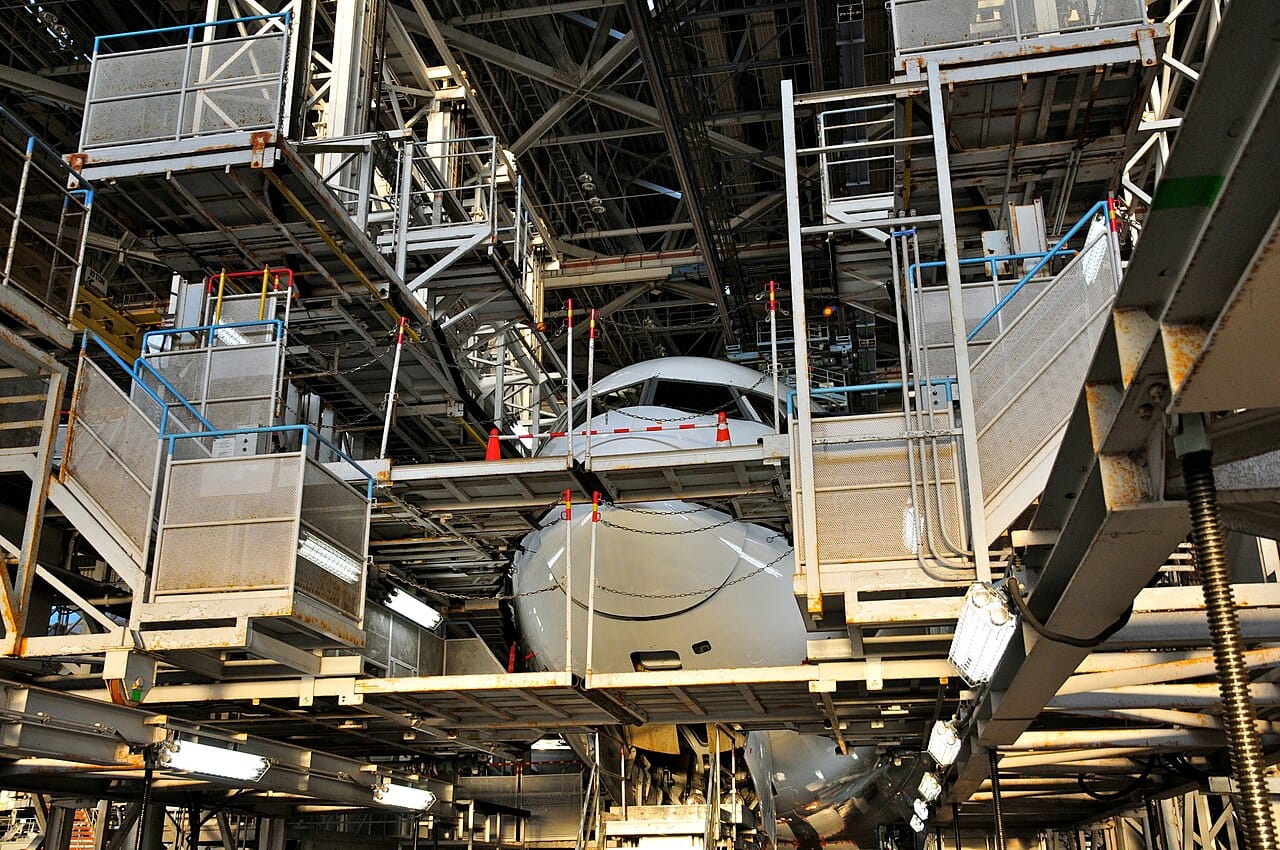
Why Airlines Are Building “Jet Hospitals”
The problem the venture is chasing is a simple mismatch: Asia’s airline fleets have grown far faster than the region’s ability to maintain them. Most of Southeast Asia’s heavy MRO work is concentrated in Singapore, Malaysia and Thailand, which means carriers in countries like Vietnam often have to ferry aircraft abroad for major checks — expensive, time-consuming, and a recipe for aircraft sitting idle when hangar slots are scarce.
When there is nowhere to fix a grounded jet quickly, the result is exactly what passengers feel as cancellations and delays. Vietnam’s civil aviation authority projects the country’s MRO market will reach US$7.4 billion by 2030 — a gap this complex is designed to fill.
Vietnam Moves Up the Value Chain
For Vietnam, the project is another step in a fast-moving aviation ambition that also includes the giant new Long Thanh airport in the south. The country is climbing from simply operating aircraft toward building and maintaining them — capturing the high-value engineering work that has long sat elsewhere. For Japan Airlines, it secures a modern, lower-cost overhaul base close to home.
It will never make a magazine cover. But the four-bay hangar rising at Van Don is the kind of infrastructure that quietly decides whether a region’s aviation boom keeps flying — or grinds to a halt for want of somewhere to turn a wrench.
Sources: JAL Group press release; Toyota Tsusho; Aviation Week; AeroTime; FlightGlobal; Sun Group.



 English
0 Comments