
Quick Facts
- Event: Air Race Classic
- Founded: 1947 (successor to the 1929 Women’s Air Derby)
- Format: All-female, 2-pilot teams, VFR cross-country race
- 2026 start: St. Louis Regional Airport, 23 June
- Distance: ~2,400 nautical miles over 4 days
- Typical field: 60+ teams
- Aircraft: Any fixed-wing, single-engine piston aircraft
- Scoring: Handicapped groundspeed (aircraft performance equalised)
The Powder Puff Derby’s Heir
The roots of the Air Race Classic stretch back to 1929, when the first Women’s Air Derby — quickly nicknamed the “Powder Puff Derby” by dismissive male reporters — saw twenty pilots including Amelia Earhart race from Santa Monica to Cleveland. The women flew open-cockpit biplanes across unmapped terrain with minimal instrumentation. One pilot died. The rest proved that women could fly as competitively as men. That race evolved into the All-Women’s Transcontinental Air Race, which ran from 1947 to 1977. When it ended due to financial difficulties, a group of determined pilots immediately formed the Air Race Classic to continue the tradition. The race has run every year since 1977, interrupted only by the pandemic in 2020.How It Works
The race is scored on handicapped groundspeed — a system that levels the playing field between aircraft of vastly different performance. Each aircraft receives a handicap speed based on its published specifications. Teams score points by exceeding their handicap speed at each timing point along the route. This means strategy, weather reading, and route selection matter as much as raw aircraft speed. Teams must fly VFR (Visual Flight Rules) and navigate between mandatory checkpoints. They cannot fly at night or in instrument conditions. Weather becomes the great equaliser — a fast team stuck on the ground by a thunderstorm watches slower teams in clear air rack up points. Decision-making under uncertainty is the real skill being tested.Who Races
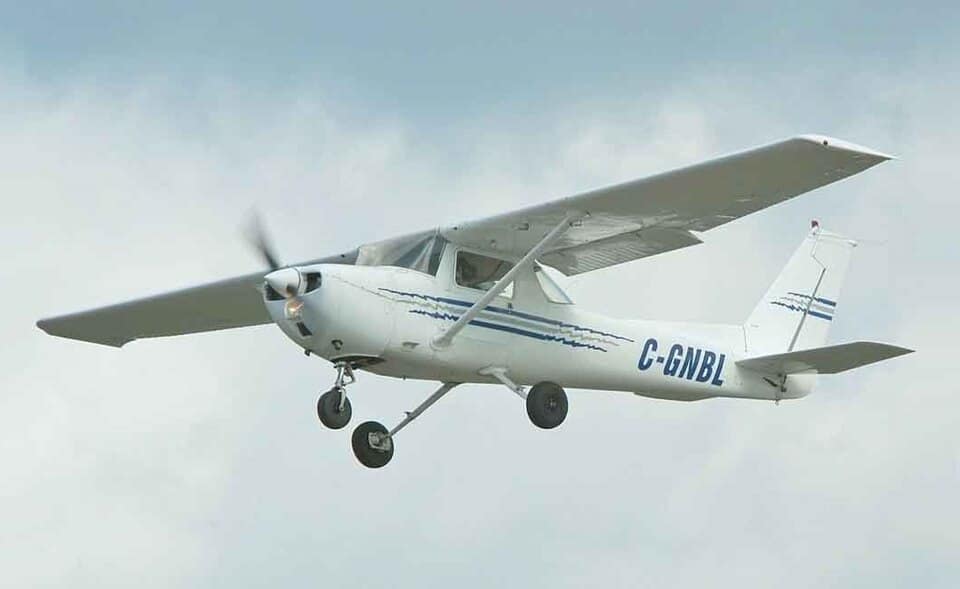
The field includes everyone from fresh private pilots on their first cross-country adventure to airline captains and military veterans with tens of thousands of hours. Teams range in age from college students to octogenarians. The aircraft range from 1960s Cessna 150s that cruise at 95 knots to modern Cirrus SR22s pushing 180 knots. What unites them is the same thing that united those twenty women in 1929: a refusal to accept that the sky belongs to anyone but those who fly in it. The Air Race Classic is simultaneously a competition, a community, a mentorship programme, and a living archive of women’s aviation history.Why It Matters
Women remain dramatically underrepresented in aviation. Only about 9% of U.S. pilots are female. The percentage is even lower for airline transport pilots and military aviators. The Air Race Classic serves as both inspiration and gateway — many participants cite the race as the event that transformed flying from a hobby into a calling. The race also preserves skills that modern aviation is rapidly losing. VFR cross-country navigation — reading weather, timing fuel stops, making go/no-go decisions without a dispatcher or flight management computer — is the foundational aviating skill. In an age of glass cockpits and autopilots, the Air Race Classic demands that pilots actually fly. June 2026 will see sixty-plus teams line up in St. Louis for four days of racing that combines the romance of barnstorming with the precision of competitive sport. The Powder Puff Derby’s spirit is alive, well, and still crossing America.Sources: Air Race Classic official website, National Air and Space Museum, St. Louis Regional Airport


 English
0 Comments