
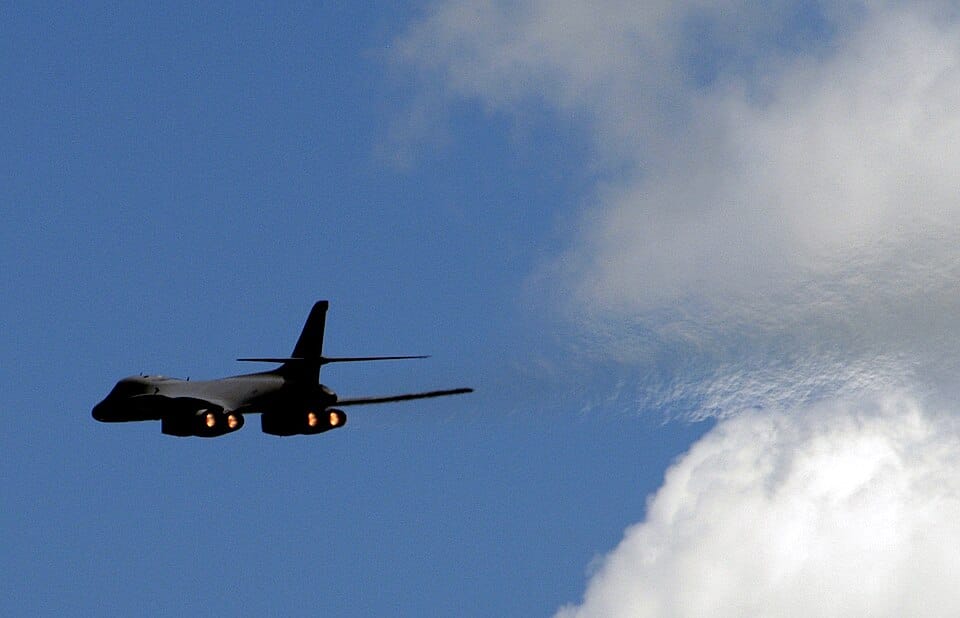
Once a B-1B Lancer goes to the boneyard, it stays in the boneyard. That has been the rule for a quarter of a century.
Until last week.
The U.S. Air Force has confirmed that a single B-1B has been pulled out of long-term storage at Davis-Monthan Air Force Base in Arizona, mechanically and structurally restored, flight-tested, and flown back to its old home unit at Dyess Air Force Base, Texas. It is now active inventory again. It is the first time the Air Force has un-retired a Lancer — and it tells you everything about how thin the long-range bomber fleet has become.
Quick Facts
Aircraft: Rockwell B-1B Lancer
Storage location: 309th AMARG, Davis-Monthan AFB, Arizona
New home: Dyess Air Force Base, Texas
Engines: 4 × General Electric F101-GE-102, 30,780 lb thrust each
Top speed: Mach 1.25 at altitude
Total Lancers built: 100
Why the bomber fleet ran short
The U.S. Air Force ordered 100 B-1Bs in the 1980s. Roughly half are still flying. The rest have been retired in waves — some after combat losses, but most simply because the airframe ran out of useful flight hours and the Air Force did not have the money to keep them serviceable.
The plan, for years, was that this would not matter. The B-21 Raider would arrive, and arrive in numbers, and the B-1 would gracefully bow out. That plan has run into reality. The B-21 is in flight test, but production is slow and the first operational squadrons are still some way off. Meanwhile the B-2, the only other heavy stealth bomber in the inventory, has only twenty airframes and a famously demanding maintenance schedule. The B-52, fifty years older than anything else in the fleet, is being re-engined but is not getting any larger as a force.
The bottom line: every single B-1B is suddenly, unexpectedly, valuable.
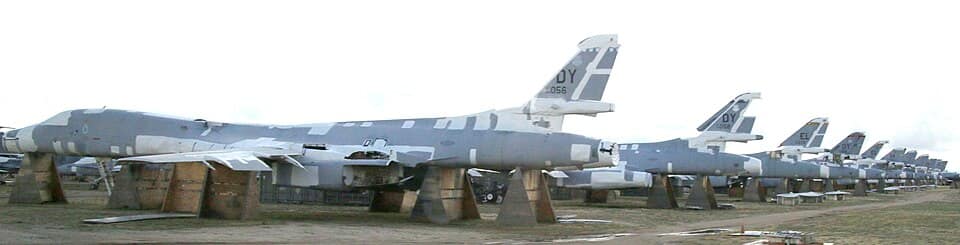
How you bring a bomber back from the dead
Davis-Monthan stores its retired aircraft under a varying degree of preservation. The very best ones are kept in what AMARG calls Type 1000 storage — fully sealed against the elements, fluids drained, every opening covered, the airframe maintained for possible return to flight. Lancers in this category have always been earmarked for a contingency exactly like this one.
The process of getting one airworthy still takes months. The aircraft has to be pulled out of preservation, refilled, every fluid system flushed and refreshed. The four F101 engines have to be inspected, repaired and run up. Avionics need to be retested or, in many cases, replaced with current-generation hardware. Flight controls need full re-certification. Finally, the bomber flies a series of sorties out of Davis-Monthan to confirm it behaves the way it should. Only then is it ferried to its new home.
What it means
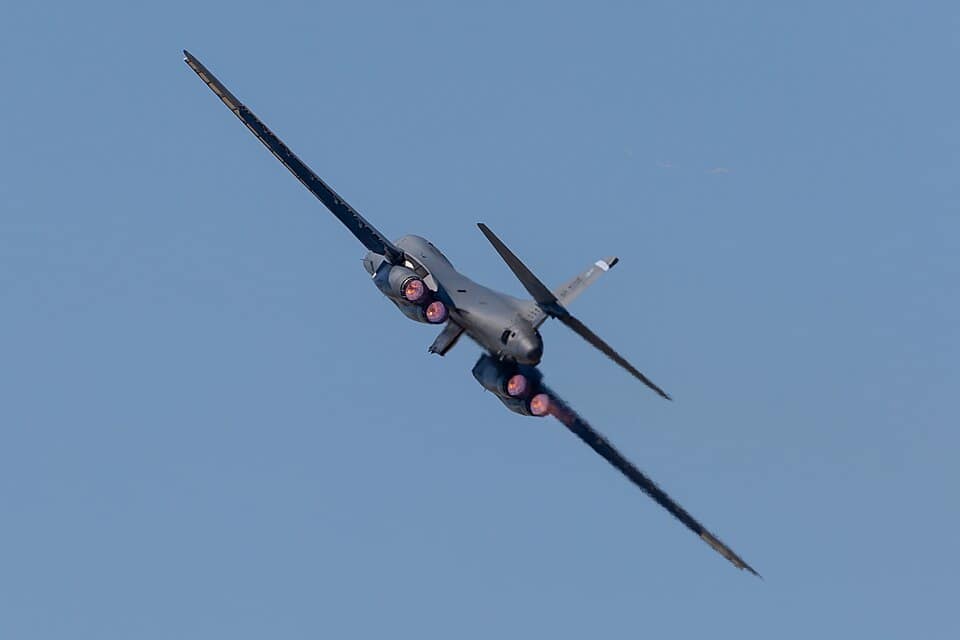
One bomber is not, by itself, an inflection point. The Air Force is not about to drag the entire AMARG B-1B fleet back to the line. But the precedent matters. It tells planners that storage is no longer a one-way trip. It also tells the bomber community something simple: the Pentagon needs more long-range, heavy-payload aircraft right now than it currently fields, and it is willing to spend money on solutions that do not involve waiting for the B-21.
For the crew at Dyess, it means an extra Lancer on the ramp at a base that has not had a new airframe in a long, long time.
And somewhere in the desert, ninety-nine more retired bombers just got a little less retired.
Sources: Air & Space Forces Magazine, Defense Blog, U.S. Air Force.


 English
0 Comments