
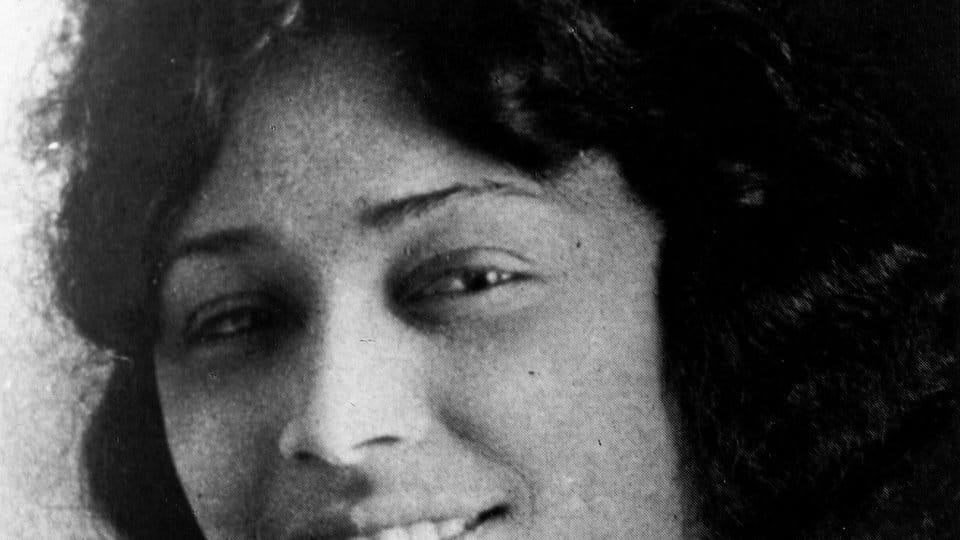
Bessie Coleman walked into every flying school in Chicago and was turned away from every one. The year was 1919. No American flight school would accept a student who was both Black and a woman. Most would not accept her for either reason alone. A lesser person would have abandoned the idea. Coleman went home, taught herself French, and moved to Paris.
Quick Facts
| Nationality | American 🇺🇸 |
| Achievement | First African American and Native American woman to hold a pilot's licence |
| Licensed | 15 June 1921, Fédération Aéronautique Internationale (France) |
| Aircraft | Nieuport 82, Curtiss JN-4 "Jenny" |
| Born / Died | 26 Jan 1892 – 30 Apr 1926 (age 34) |
| Known As | "Brave Bessie" — Queen Bess of the Air |

She enrolled at the École d'Aviation des Frères Caudron at Le Crotoy in northern France. She flew in biplanes that had recently served as military trainers in the First World War. The French had no interest in her race or her gender — only whether she could fly. She could. On 15 June 1921, Bessie Coleman received her international pilot's licence from the Fédération Aéronautique Internationale, becoming the first Black woman — and first person of Native American descent — in the world to hold one.
She returned to the United States a celebrity. Black newspapers celebrated her as a hero. White newspapers largely ignored her. She performed airshows across the American South — refusing to perform at venues with segregated entrances, insisting that Black and white spectators enter through the same gate. At a time when Jim Crow laws governed daily life in much of America, this was not a small gesture. She used the stage the sky gave her to push back against the world below.
A Dream Bigger Than Airshows
Coleman's dream was to open a flying school for Black Americans — a place that would never turn away a student for their race. She saved money from her performances, lectured at churches and schools, charged audiences to hear her speak, and slowly accumulated enough to start planning. She needed one more big performance to put her over the financial threshold.
On 30 April 1926, she was performing a test flight in Jacksonville, Florida, in a Curtiss JN-4 piloted by her mechanic and manager William Wills. Wills lost control of the aircraft when a loose wrench slid into the control gears and jammed them. The Jenny lurched into a nosedive and then a spin. Coleman — who was not wearing a seatbelt, preparing to survey the terrain for the next day's parachute jump — was thrown from the aircraft at around 2,000 feet. She was 34 years old. The school never opened.
“The air is the only place free from prejudices. I knew we had no Negroes flying, so I thought it would be up to me to start, as we have just as much need for aeroplanes as anyone else.”
— Bessie Coleman, 1921Her funeral in Chicago drew 10,000 mourners. Ida B. Wells — the great civil rights journalist — spoke at the service. The Bessie Coleman Aero Club, founded after her death, trained the next generation of Black aviators. Among those it inspired: the Tuskegee Airmen, the legendary fighter pilots who would go on to escort American bombers over Europe during World War II with one of the finest escort records of the conflict. The chain that Bessie Coleman started in a French flying school in 1921 reached all the way to the skies over Germany in 1944.
Watch: Documentary
Related Questions
Who was Bessie Coleman?
Bessie Coleman (1892-1926) was the first African American and first Native American woman to earn a pilot’s licence. Turned away from every US flight school because of her race and gender, she learned French, moved to France, and qualified on 15 June 1921. Known as "Brave Bessie," she became a celebrated airshow pilot back home.
Why did Bessie Coleman learn to fly in France?
No American flight school in 1919 would accept Bessie Coleman, who was both Black and a woman. Rather than give up, she taught herself French and enrolled at the École d’Aviation des Frères Caudron in northern France, where instructors cared only whether she could fly. She earned her international licence there in 1921.
When did Bessie Coleman get her pilot’s licence?
Bessie Coleman received her licence on 15 June 1921 from the Fédération Aéronautique Internationale in France, becoming the first Black woman and first person of Native American descent in the world to hold one. She trained abroad because US schools refused her, much as pioneer Harriet Quimby had navigated a male-dominated field a decade earlier.
How did Bessie Coleman die?
Bessie Coleman died on 30 April 1926, aged 34, during a test flight in Jacksonville, Florida. Her mechanic William Wills was piloting a Curtiss JN-4 when a loose wrench slid into the controls and jammed them. The aircraft dived and spun, throwing Coleman - who was not wearing a seatbelt - from the cockpit at around 2,000 feet.
What was Bessie Coleman’s dream?
Bessie Coleman dreamed of opening a flying school for Black Americans - a place that would never turn anyone away as she had been. She died before achieving it, but the Bessie Coleman Aero Club, founded in her memory, trained a new generation of Black aviators and helped inspire the famed Tuskegee Airmen.
How did Bessie Coleman fight segregation?
Bessie Coleman used her fame to challenge Jim Crow. Performing airshows across the American South, she refused to appear at venues with segregated entrances, insisting that Black and white spectators enter through the same gate. Like later trailblazers such as Jacqueline Cochran, she expanded what was thought possible for women in aviation.
0 Comments