
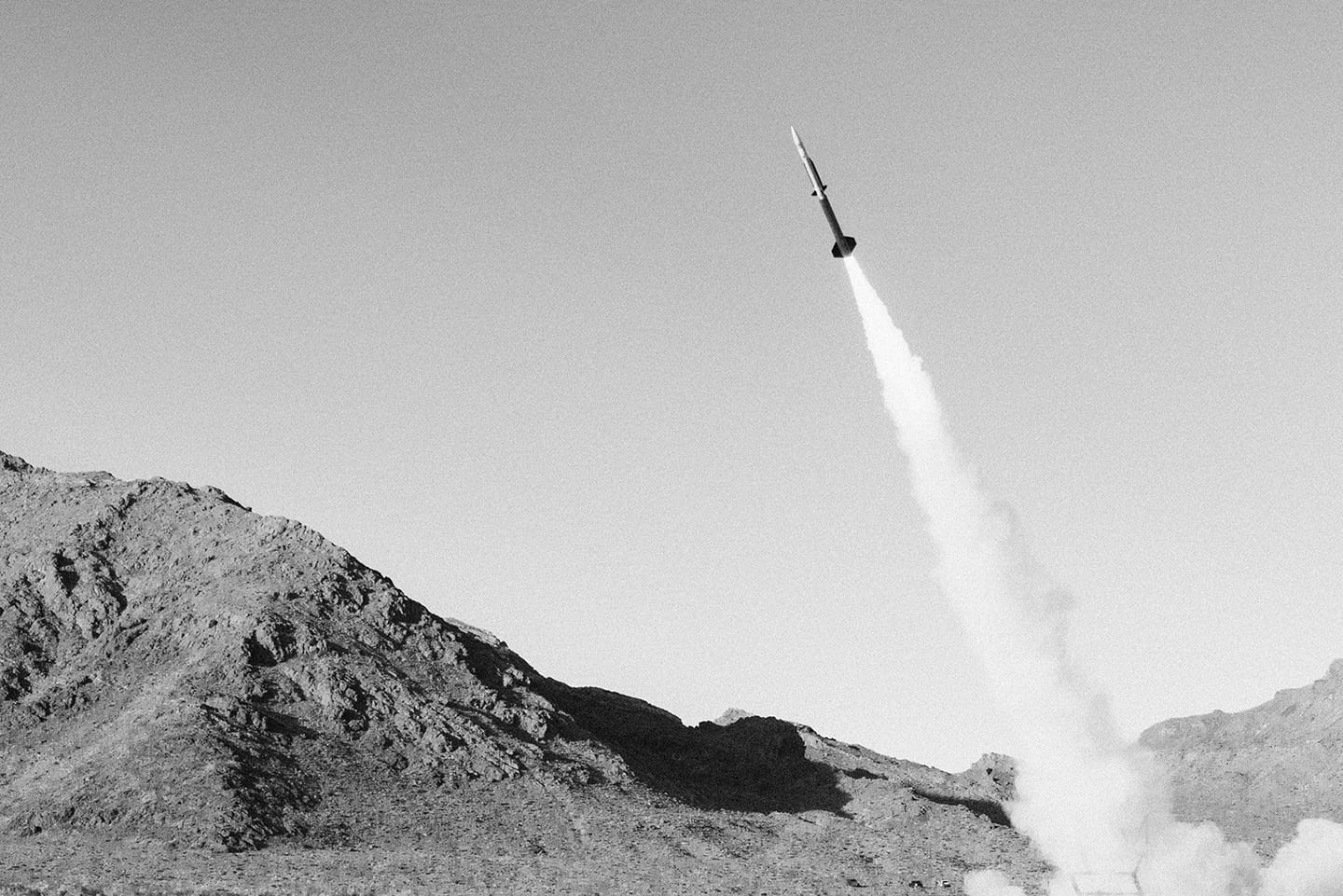
For two decades, “hypersonic” meant “expensive.” A single Mach-5 missile could cost tens of millions of dollars — exquisite, rare, and far too precious to fire in bulk. The U.S. Navy just placed an order that takes a wrecking ball to that assumption.
In June 2026 the Navy awarded Castelion a contract for its first batch of Blackbeard hypersonic missiles: 50 early-production rounds for $23.4 million. Do the math and each one works out to a few hundred thousand dollars — the target unit cost is under $300,000. For a weapon that flies faster than Mach 5, that is almost suspiciously cheap.
And the company behind it is exactly who you’d expect to try something this audacious: a startup founded by ex-SpaceX engineers who think missiles should be built like the rockets they used to launch.
Quick Facts
- Weapon: Blackbeard, built by Castelion — a startup founded by former SpaceX engineers
- Speed: Hypersonic, in excess of Mach 5
- Target unit cost: under $300,000 per round
- Warhead: roughly 75 lb (34 kg), with terminal guidance against moving targets
- Platforms: F/A-18E/F Super Hornet first; must also fit inside the F-35’s weapons bay
- The news: the Navy’s first Blackbeard production order — 50 rounds, $23.4M (June 2026)
A Missile Built the Way SpaceX Builds Rockets
Castelion’s pitch is simple: stop treating hypersonic weapons as artisanal one-offs and start mass-producing them. Blackbeard, the company’s very first product, was engineered from day one for industrial-rate output and continuous flight-test iteration — the same fail-fast philosophy that turned reusable rockets from fantasy into routine.
The numbers back up the rhetoric. Castelion says it has flown more than 25 flight tests in under two and a half years, and it is sinking $220 million of its own money into Project Ranger, a 1,000-acre factory campus in New Mexico built to crank out thousands of Blackbeards a year. When finished, it would be the largest dedicated hypersonic production facility in the United States.
From Test Range to Flight Deck
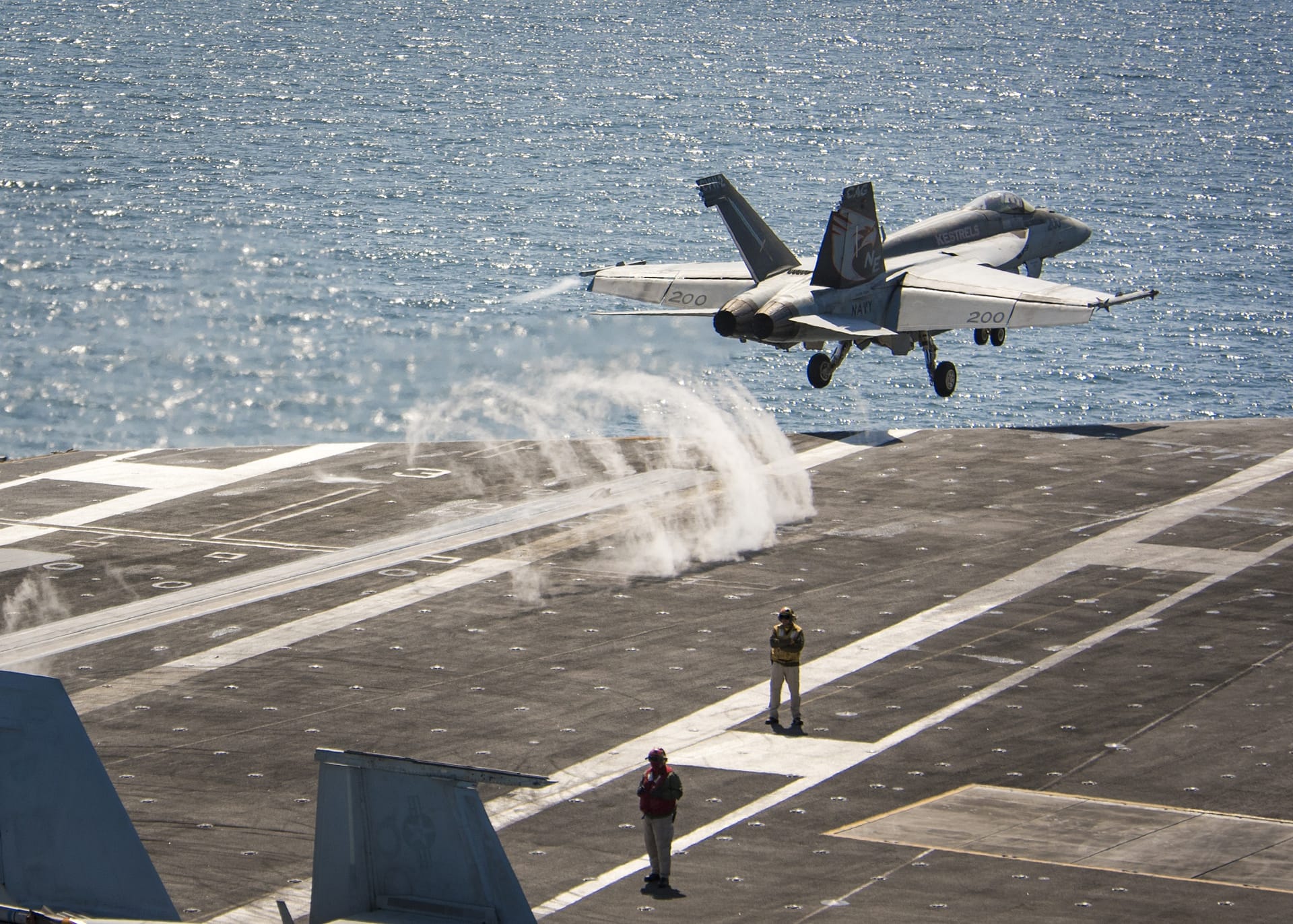
The June production order is the latest in a fast-moving string of awards. Earlier in 2026 the Navy handed Castelion roughly $50 million to push Blackbeard from prototype to early operational capability, then a further $105 million specifically to integrate the weapon onto the Super Hornet, including the carrier-suitability testing that naval aviation demands.
The Navy has also named Blackbeard as the first weapon candidate under its MACE program — the Multi-mission Affordable Capacity Effector — which is intended to become the fleet’s primary hypersonic strike munition. The goal is a live Blackbeard shot from an F/A-18 by 2027.
Why $300,000 Changes the Math
Cost is the whole point. A weapon you can only afford to build by the dozen is a weapon you hoard. A weapon you can build by the thousand — at a price closer to a cruise missile than a spacecraft — is one you can actually use to saturate an enemy’s defenses. Castelion’s framework deal envisions producing 500 rounds a year, and the requirement insists Blackbeard fit inside the F-35’s internal bay as well as hang under a Super Hornet.
For a Pentagon worried about magazine depth in a war with a peer adversary, a sub-$300,000 hypersonic missile that rolls off a production line by the thousand is close to a holy grail. Blackbeard still has to prove it can do all of that from the pitching deck of a carrier — but for the first time, the price tag is no longer the obstacle.
Sources: Castelion; Naval News; The Defense Post; 19FortyFive; Army Recognition.



 English
0 Comments