
| Quick Facts | |
|---|---|
| Company | ZeroAvia (HQ: Hollister, California) |
| Engine | ZA601 — 600 kW hydrogen-electric powertrain |
| How It Works | Hydrogen fuel cell generates DC power → inverters → direct-drive electric motor at 2,200 rpm |
| Target Aircraft | 10- to 20-seat turboprop-class (FAA Part 23) |
| FAA Milestone | Special conditions published — effective March 18, 2026 |
| Certification Target | Fuel cell system by 2027; complete powertrain by ~2029 |

The FAA just did something it has never done before. It published the official regulatory framework for certifying a hydrogen-electric aircraft engine. Not a concept. Not a feasibility study. A set of legally binding special conditions that tell ZeroAvia exactly what its 600-kilowatt engine must prove to carry passengers.
The rule took effect on March 18, 2026. It covers the ZA601 — an electric motor, controller and high-voltage system that forms the propulsion core of ZeroAvia’s hydrogen-electric powertrain. Hydrogen feeds a fuel cell. The fuel cell generates electricity. The electricity drives a motor that spins a propeller. No combustion. No carbon emissions. No jet fuel.
If it sounds like science fiction, the FAA disagrees. They’ve just written the rules for it.
Why Special Conditions Matter
Aviation certification is the most rigorous approval process in any industry. Every component on a commercial aircraft must meet standards that were written to prevent the failure modes that killed people in previous decades. The problem: those standards were written for combustion engines. There is no existing FAA rulebook for an electric motor powered by a hydrogen fuel cell.
That’s what “special conditions” solve. The FAA studied ZeroAvia’s architecture — the fuel cell stack, the power electronics, the motor, the thermal management, the hydrogen storage — and wrote bespoke safety requirements that address the unique failure modes of this technology. What happens if the fuel cell output drops mid-flight? How does the system handle a hydrogen leak at altitude? What are the margins for electrical fault isolation?
These aren’t theoretical questions. They’re now legally defined tests that ZeroAvia must pass before a single passenger boards a hydrogen-powered aircraft.
How It Works
The ZA600 powertrain replaces a conventional turboprop engine. Compressed hydrogen is stored in tanks and fed to a proton-exchange membrane fuel cell, which converts hydrogen and oxygen into electricity and water. That DC electricity passes through bidirectional inverters to a direct-drive electric motor that turns the propeller at 2,200 rpm.
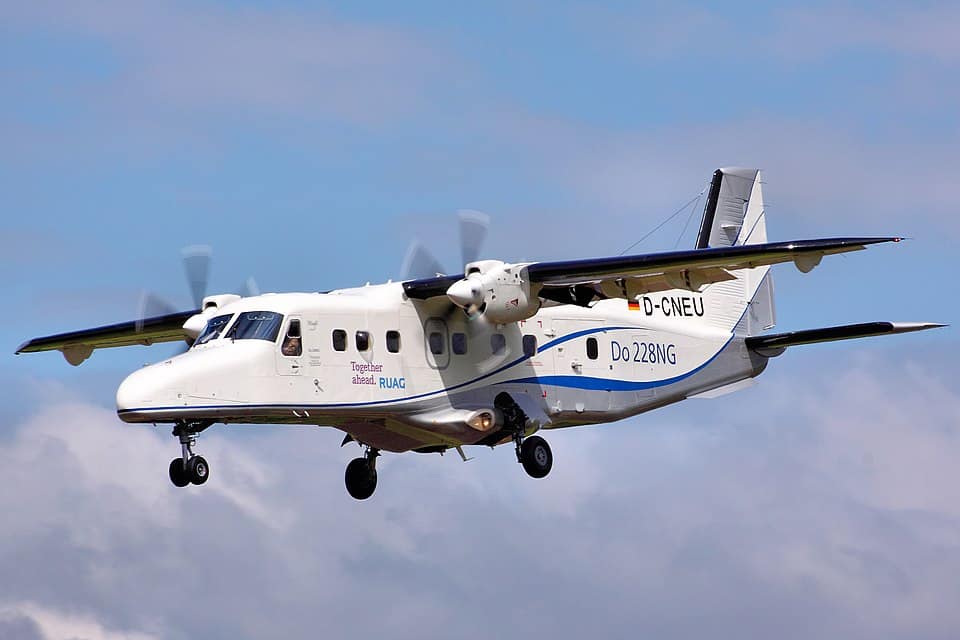
The only exhaust product is water vapour. No CO2. No NOx. No particulates. For short-haul regional routes — the 300 to 500 nautical mile island-hopping and commuter flights that burn disproportionate amounts of fuel per passenger — this is transformative. A Dornier 228 or similar 19-seat turboprop running on hydrogen would emit nothing but steam.

ZeroAvia has already demonstrated the technology in flight. Its HyFlyer II programme put a hydrogen-electric Dornier 228 in the air at Kemble Airfield in the UK, and ground tests of the certification-intent fuel cell system have successfully replicated full flight profiles — takeoff, climb, cruise, descent and landing — on the test bench.
The Reality Check
There’s a gap between regulatory progress and commercial readiness, and ZeroAvia is honest about it. The company now targets certification of the fuel cell system alone by 2027, with the complete integrated powertrain following by approximately 2029. Funding pressures have slowed the programme, and the hydrogen infrastructure needed to refuel aircraft at airports barely exists.
But the FAA’s special conditions represent something irreversible: the regulatory pathway now exists. Future hydrogen-electric engine makers won’t need to start from scratch. ZeroAvia’s certification process is laying the foundation — every test, every failure mode analysis, every safety standard — for an entirely new category of aviation propulsion.
What It Means for Aviation
Aviation accounts for roughly 2.5% of global CO2 emissions — a number that’s growing as passenger volumes increase and every other transport sector electrifies. Airlines have committed to net-zero targets by 2050, but sustainable aviation fuel is expensive, scarce and still produces emissions. Battery-electric aircraft can’t carry enough energy for anything beyond very short hops.
Hydrogen fills the gap. It has three times the energy density of jet fuel by weight (though not by volume), produces zero carbon when used in a fuel cell, and can be manufactured using renewable electricity. The engineering challenges are real — hydrogen is difficult to store, requires new airport infrastructure, and the fuel cells must survive the vibration, temperature and altitude extremes of flight — but none of them are physics problems. They’re engineering problems. And engineers solve those.

The first hydrogen-powered commercial flight won’t carry 300 passengers across the Atlantic. It will carry 19 passengers between two islands, or from a regional airport to a hub, on a route where the economics of a turboprop already work. And when that flight happens, the rules that govern it will trace back to March 18, 2026 — the day the FAA said yes, this can be certified.
Sources: Flying Magazine, Aviation International News, Aviation Week, Charged EVs


 English
0 Comments