
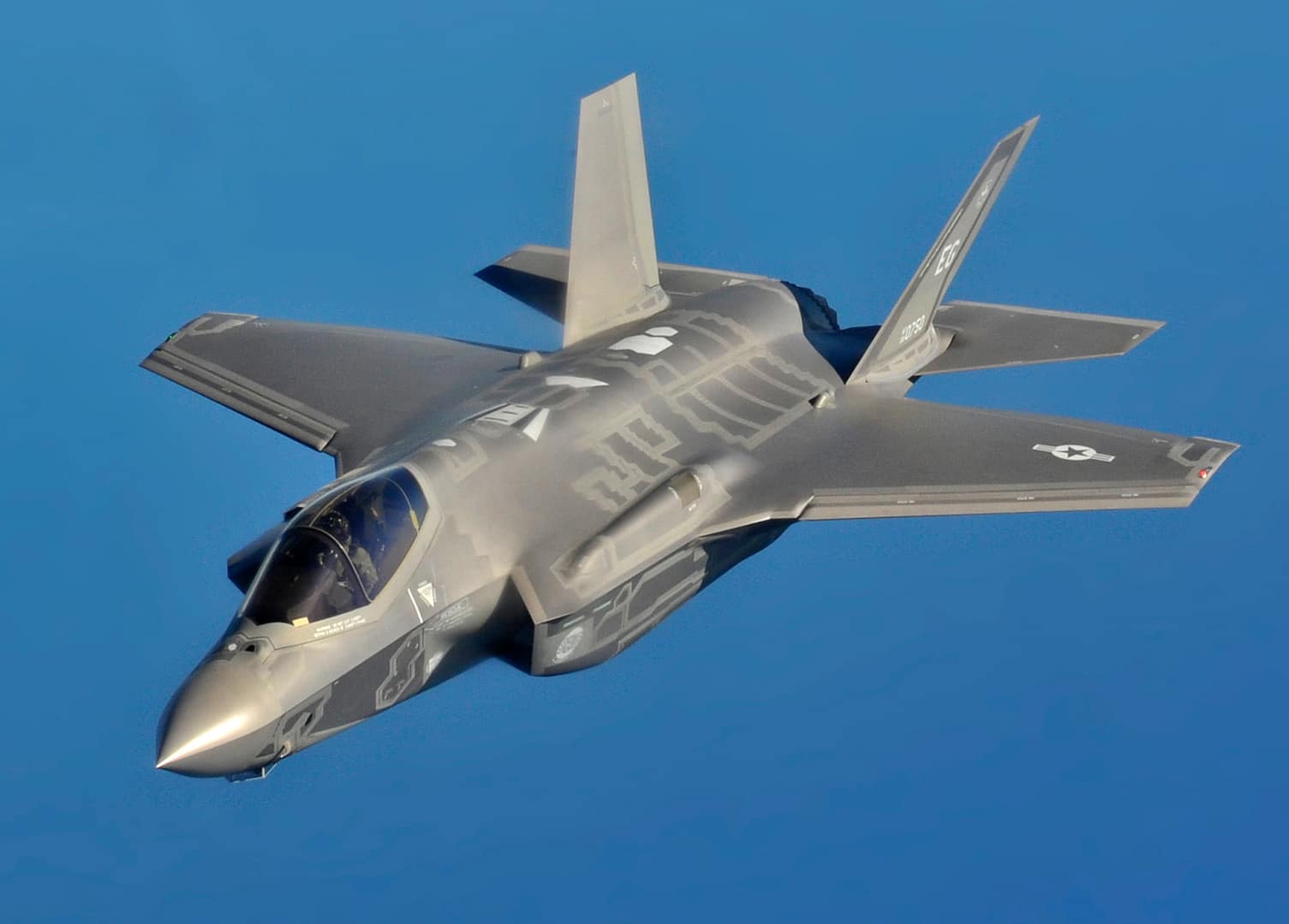
The T-45 Goshawk has been teaching Navy and Marine Corps pilots how to fly jets since 1991. Now, after more than three decades of carrier touch-and-goes, hard landings, and thousands of freshly winged aviators, the little British-designed trainer is getting a retirement notice.
On March 26, the U.S. Navy released its final Request for Proposals for the Undergraduate Jet Training System — a program that will put 216 brand-new trainers on flight lines by the mid-2030s. The contract is worth up to $1.75 billion for the engineering and development phase alone. Five competing teams are circling the prize like sharks around a carrier wake.
The stakes go far beyond one airplane. Whichever jet wins will shape how every single Navy and Marine Corps fighter pilot learns their craft for the next 40 years.
The Contenders
Boeing enters the ring with the T-7A Red Hawk, already in service with the U.S. Air Force. It is the obvious frontrunner — a proven airframe with a digital design pedigree and an existing production line in St. Louis. But “proven” comes with baggage: the T-7A’s path to the Air Force was plagued by delays and cost overruns that the Navy will scrutinize closely.
Lockheed Martin and Korea Aerospace Industries are pitching the TF-50N, a navalized variant of the T-50 Golden Eagle that already trains pilots in South Korea, Indonesia, Iraq, and several other nations. It is a combat-tested platform with a global track record — but adapting it to Navy-specific requirements will take work.
Leonardo brings the M-346N, the naval version of its Italian-built trainer that recently won Indonesia’s next-generation training contract. The M-346 is widely regarded as one of the most capable trainers in the world, with a fly-by-wire system that can simulate the handling characteristics of virtually any frontline fighter.
Then there is the wild card. Sierra Nevada Corporation has teamed up with Northrop Grumman and General Atomics Aeronautical Systems to offer the Freedom Trainer — a clean-sheet design that promises to leapfrog the competition with next-generation capabilities. Little is known about the airframe, which makes it either the most exciting or the riskiest bid in the competition.
Beechcraft rounds out the field, though details of their offering remain thin.
No Carrier Landings Required
Here is the twist that surprises most people: the new trainer will not actually land on aircraft carriers. The RFP specifies that the UJTS must provide “unique aircraft simulation capabilities” to prepare student pilots for carrier operations — but the real thing will still happen in the fleet. The Navy wants a trainer that teaches the skills without the wear and tear of slamming onto a pitching deck thousands of times a year.
That decision is partly why the T-45 wore out. Carrier landings are brutal on airframes. By removing that requirement, the Navy expects the new trainer to last significantly longer and cost less to maintain.
The numbers tell the rest of the story. The winning contractor will deliver four development aircraft first, then ramp to seven jets in low-rate production starting in 2032, and eventually build 25 per year from 2035 onward. Total buy: 216 aircraft capable of flying 76,300 hours annually across the fleet.
A Race Against the Clock
Proposals are due June 29, with a contract award projected for March 2027. That timeline is aggressive — but it needs to be. The existing T-45 fleet entered a Service Life Extension Program in July 2025, with structural repairs expected to keep the jets flying through 2036. If the new trainer slips, the Navy risks a training gap that would ripple through the entire fighter pipeline.
For the five competitors, the next three months are everything. The company that wins this contract will not just build an airplane — it will build the cockpit where every future Top Gun class earns its wings.
Sources: Breaking Defense, The Aviationist, AIAA
 English
0 Comments