
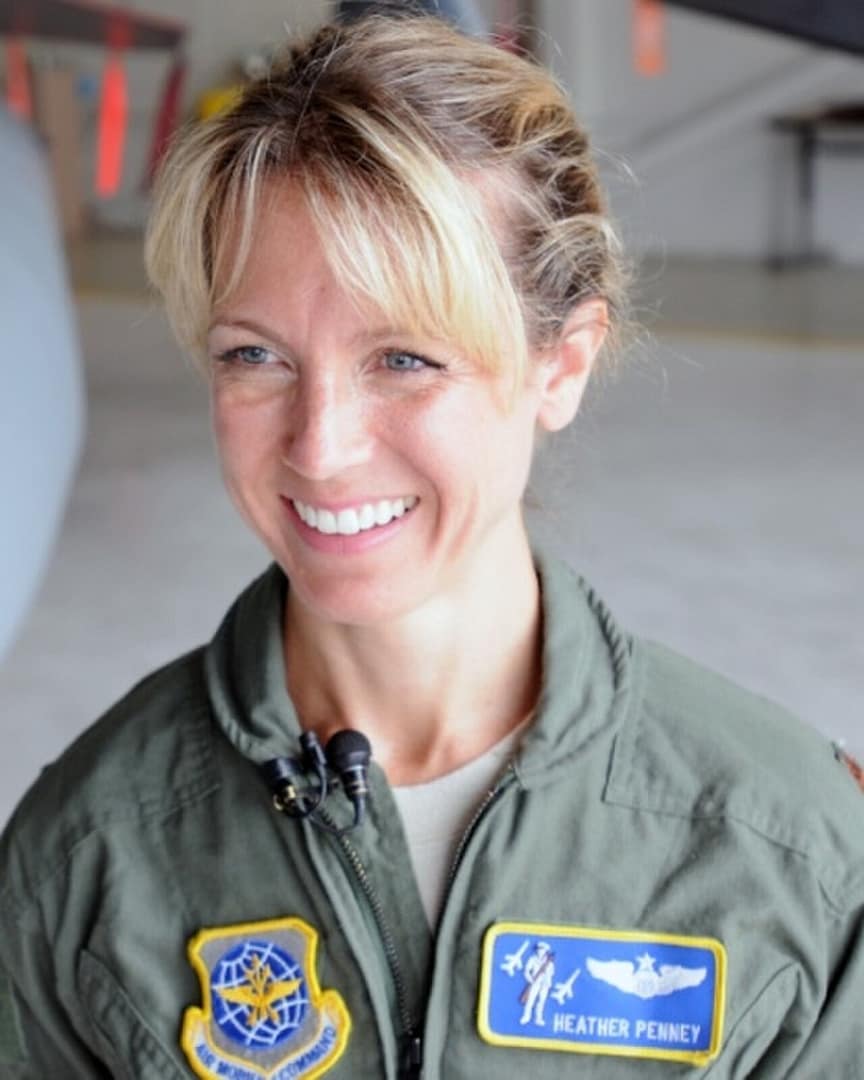
The afterburners on her F-16 still burned cold-blue when First Lieutenant Heather “Lucky” Penney shoved the throttle through the gate. It was 10:42 a.m. on September 11, 2001. Her jet carried no missiles. No live ammunition — only about a hundred lead-tipped training rounds. The only weapon strapped to her single-engine Block 30 was the airframe itself — and the certainty that she would not be flying it home.
Her flight lead, Lieutenant Colonel Marc “Sass” Sasseville, had given her the mission in five words: “Lucky, you’re coming with me.” There was no time for the usual loadout. There was no time for anything. United Airlines Flight 93 was inbound for Washington, and the only thing standing between it and the Capitol was a 26-year-old rookie fighter pilot in her first operational assignment.
Quick Facts
| Pilot | Lt. Heather “Lucky” Penney, 121st Fighter Squadron, DC Air National Guard |
| Flight Lead | Lt. Col. Marc “Sass” Sasseville, Director of Operations, 121st Fighter Squadron |
| Aircraft | Two unarmed F-16C Fighting Falcons |
| Target | United Airlines Flight 93 — Boeing 757, hijacked |
| Plan | Ram the cockpit (Sasseville) and tail (Penney) to bring it down |
| Date | 11 September 2001 — takeoff approximately 10:42 a.m. EDT |
| Outcome | Flight 93 had already crashed in Shanksville, PA at 10:03 a.m. |
“Lucky, you’re coming with me”
Penney had been at Andrews Air Force Base that morning, planning the next month’s training schedule with her squadron mates. She was the first woman ever to fly the F-16 with the DC Air National Guard’s 121st Fighter Squadron — the so-called Capital Guardians. Around 8:45 a.m. someone leaned through the doorway and said the words that ended the pre-9/11 world: “Hey, somebody just flew into the World Trade Center.”
At 9:03 a.m. the second tower was hit. At 9:37 a.m. the Pentagon was hit, just across the river from Andrews. The Federal Aviation Administration grounded every aircraft in American airspace. The Capital Guardians scrambled.
The problem was that none of their F-16s were combat-loaded. The jets sat on the ramp configured for training: no AIM-9 Sidewinders, no AIM-120 AMRAAMs, nothing for the M61 Vulcan but lead-tipped training rounds. The squadron’s air-to-air missiles were still being assembled in the weapons area on the far side of the base. The DC Guard did not have that kind of time. United 93 was an unknown number of minutes out from the District of Columbia.
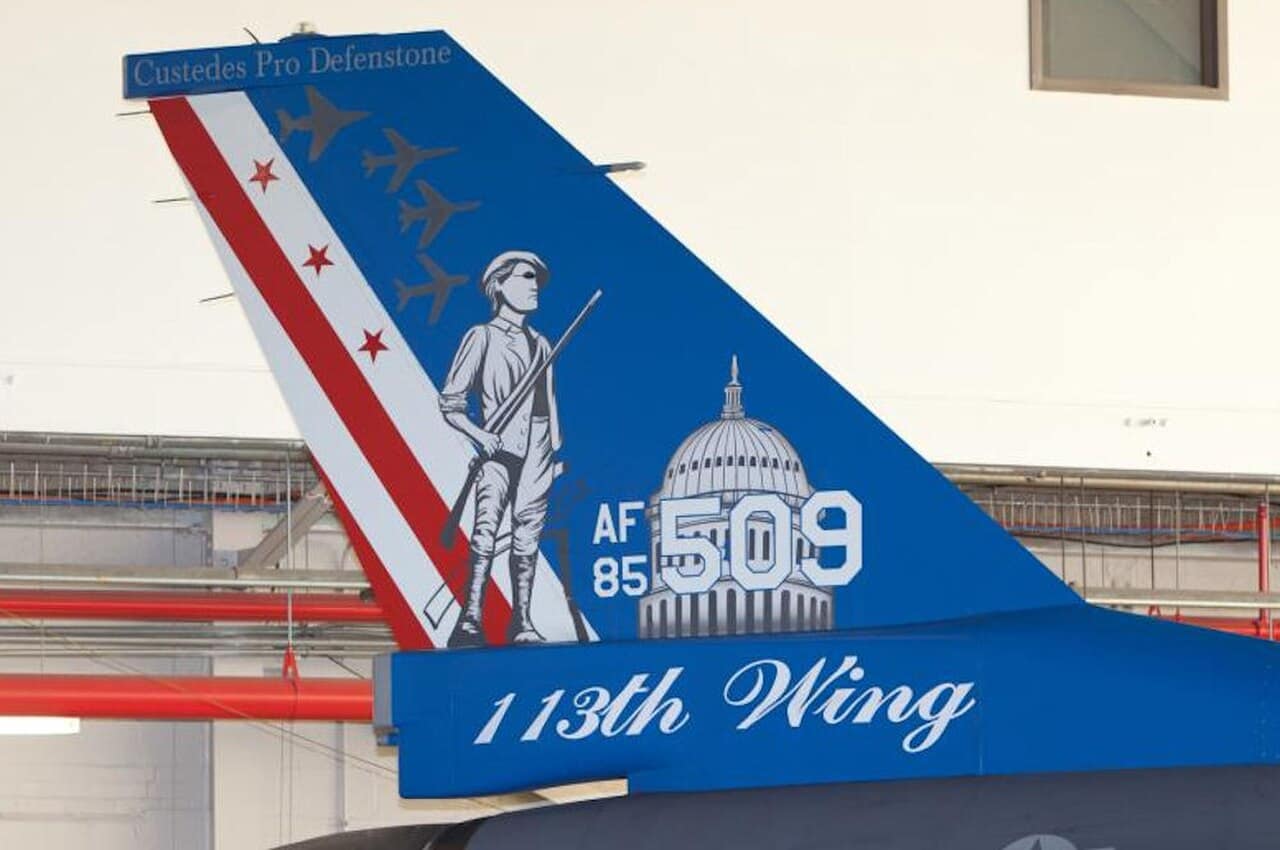
The plan: a kamikaze in a Fighting Falcon
Sasseville and Penney made the decision in the time it took to walk from the briefing room to the jets. He would aim his nose at the airliner’s cockpit. She would aim hers at the tail. The cockpit hit would kill the hijackers and destroy the flight controls. The tail hit would aerodynamically destabilise the aircraft — flipping it so it nosed into the ground rather than continuing forward into Washington.
Both pilots understood what this meant. If they took off on the mission and succeeded, Penney later told CBS News, they would not be coming home. The F-16 was the weapon. They were the targeting system. The mission was a controlled, two-aircraft ramming attack against a hijacked Boeing 757 carrying forty innocent passengers and crew.
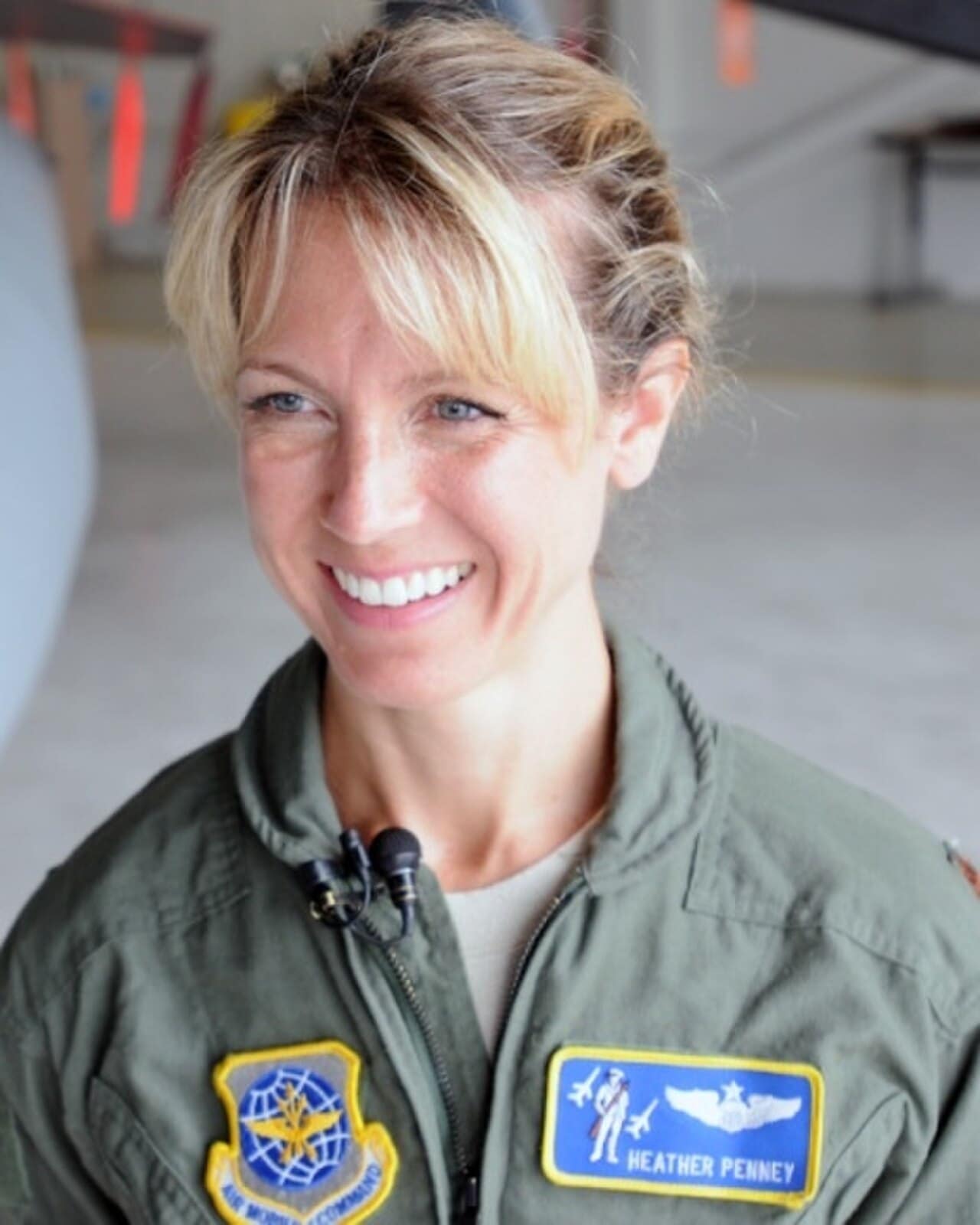
Penney was a rookie fighter pilot. She came from a flying family — her father had flown combat missions over Vietnam — but the Air Force had only opened combat aircraft to women in 1993, and she was still a green first lieutenant — her squadron had returned from a Red Flag exercise in Nevada just three days before — when she taxied out behind Sasseville on the morning of 9/11.
A failed mission — and a saved capital
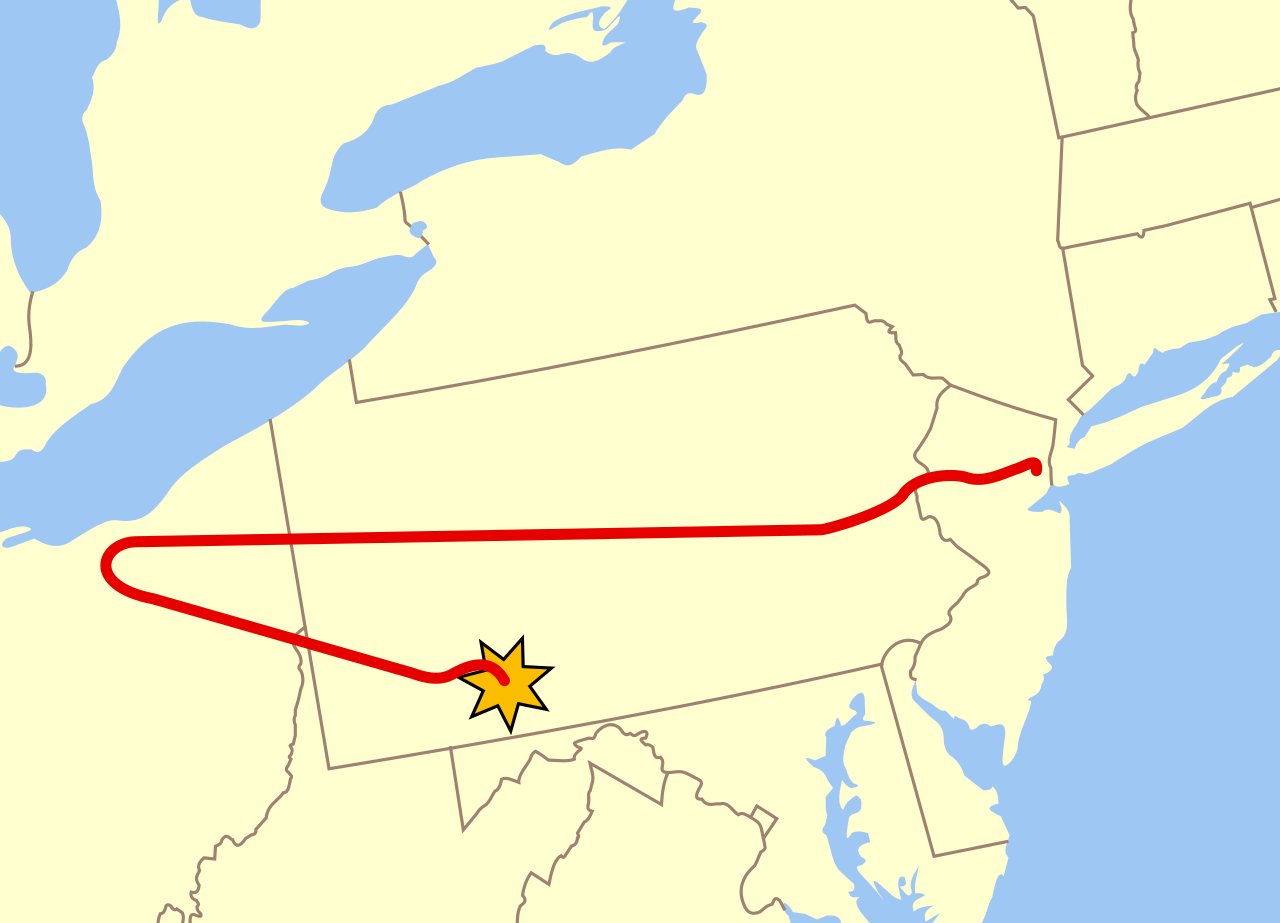
The two F-16s blasted off from Andrews and arrowed northwest, climbing into the empty sky. For the next ninety minutes Penney and Sasseville flew expanding sweeps over Washington’s airspace, hunting for the inbound airliner. They never found it. They never could have. Unknown to either pilot, United 93 had already crashed at 10:03 a.m. — fully thirty-five minutes before they were even airborne.
The passengers had brought the plane down themselves. Phone calls from inside the cabin had warned them of what was happening to the other hijacked aircraft. They had voted. They had charged the cockpit. The aircraft cartwheeled into a Pennsylvania field at 563 miles per hour, killing everyone on board but stopping the attack on the Capitol or the White House.
For years afterwards, Penney has insisted on the same point in every interview: she and Sasseville were not the heroes of that flight. The heroes were the forty passengers and crew of Flight 93 who had already done what she and her commander had been preparing to do — sacrifice themselves to stop the attack. “The real heroes are the passengers on Flight 93 who were willing to sacrifice themselves,” she told The Washington Post. “I was just an accidental witness to history.”
What changed after 9/11
The DC Guard’s unarmed scramble exposed a brutal truth about pre-9/11 air defence: the United States had just fourteen armed fighters on alert at seven sites for the entire continental airspace. All of them were facing outward, watching for Soviet bombers that no longer existed. Inside the perimeter, the assumption was that nobody would ever turn a civilian airliner into a weapon. After 9/11 that assumption was abandoned within hours.
Operation Noble Eagle, the standing combat air patrol over American cities, has continued in some form for more than two decades. Fighter alert sites across the country now maintain armed jets on five-minute response. The rules of engagement for shooting down hijacked airliners — once unthinkable — were drafted within days of the attacks. None of it has been used in anger since. The procedures exist because Lucky Penney and Sass Sasseville had to invent theirs in the time it took to put on a g-suit.
Penney went on to fly combat missions over Iraq. She retired from the Air National Guard as a Major. Sasseville rose to Lieutenant General. Neither of them ever called what happened on the morning of 9/11 a heroic story. They called it a failed mission — a flight that found nothing because the passengers of Flight 93 had already done the impossible.
CBS News: Lt. Gen. Marc Sasseville and Maj. Heather Penney recount their 9/11 mission, on the 20th anniversary of the attacks.
Sources: CBS News; History.com; The Washington Post; National Museum of the U.S. Air Force; Purdue Stories; Wikipedia.


 English
0 Comments