
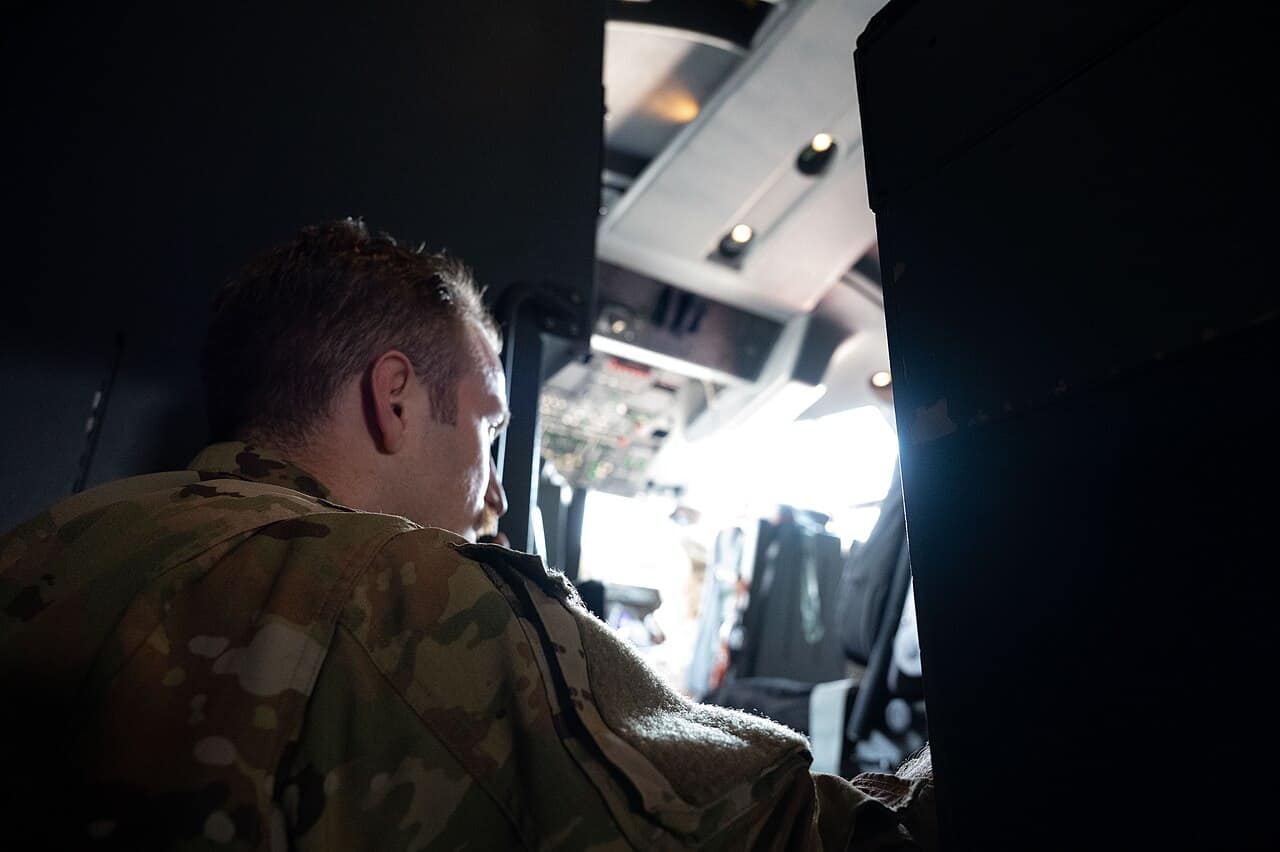
The C-130 Hercules is the most-flown military airlifter on earth. Lockheed has built more than 2,700 of them since 1956. They have dropped paratroopers into Panama, hauled refugees out of Kabul, gun-shipped over Vietnam, and refuelled half the planet’s special forces helicopters. They are flown by 67 nations.
U.S. Special Operations Command signed a contract worth more than $100 million in 2024 to let one of them fly itself — and that effort has just cleared its critical design review.
Boston-based Merlin Labs — a six-year-old autonomy startup that has, until now, been a quiet name on a long list of DARPA contracts — will integrate its flight-autonomy stack onto the C-130J Super Hercules. If it works, the Hercules will become the first heavy military airlifter in history with a certified pilot-optional cockpit.
Quick Facts
- Contract: U.S. Special Operations Command, value $105 million (awarded 2024; critical design review completed 2026)
- Awarded to: Merlin Labs Inc., Boston (founded 2019)
- Platform: C-130J Super Hercules (the new-build variant with 6-bladed Dowty R391 props)
- Goal: Reduced-crew and eventually pilot-optional cargo operations
- Stack: Merlin Pilot — the same autonomy software Merlin has tested on KC-135 simulators and certified Cessna 208 Caravans
- Closest analog: Boeing’s A2X software, which autonomously landed a CH-47 Chinook in April 2026
From Cessna Caravan to four-engine airlifter
Merlin Labs has been the patient one in the autonomy race. While Reliable Robotics chased the same Cessna 208 with a different stack, and Skyryse chased the helicopter market, Merlin spent years working with New Zealand’s Civil Aviation Authority on what is, on paper, an unsexy aircraft: the Cessna Caravan. The Caravan flies cargo. Merlin’s pitch was that a stack proven on a Caravan would scale to anything bigger that uses the same flight regime.
That bet just paid off. U.S. Special Operations Command has decided the Caravan-proven Merlin Pilot is the right basis for a C-130J retrofit. Not a clean-sheet new aircraft. Not a custom uncrewed cargo design like the Pyka Pelican. The C-130J that already exists, with the autonomy bolted on. That detail matters.
The U.S. operates the world’s largest C-130J fleet across the active Air Force, Air National Guard, Reserve, Marine Corps and Coast Guard. Allied operators add hundreds more. The fleet logs hundreds of thousands of flight hours a year. Even a modest reduction in cockpit-crew demand would free thousands of trained pilots for high-end fighter and tanker billets the Air Force has been struggling to fill since 2018.
Why the Hercules first
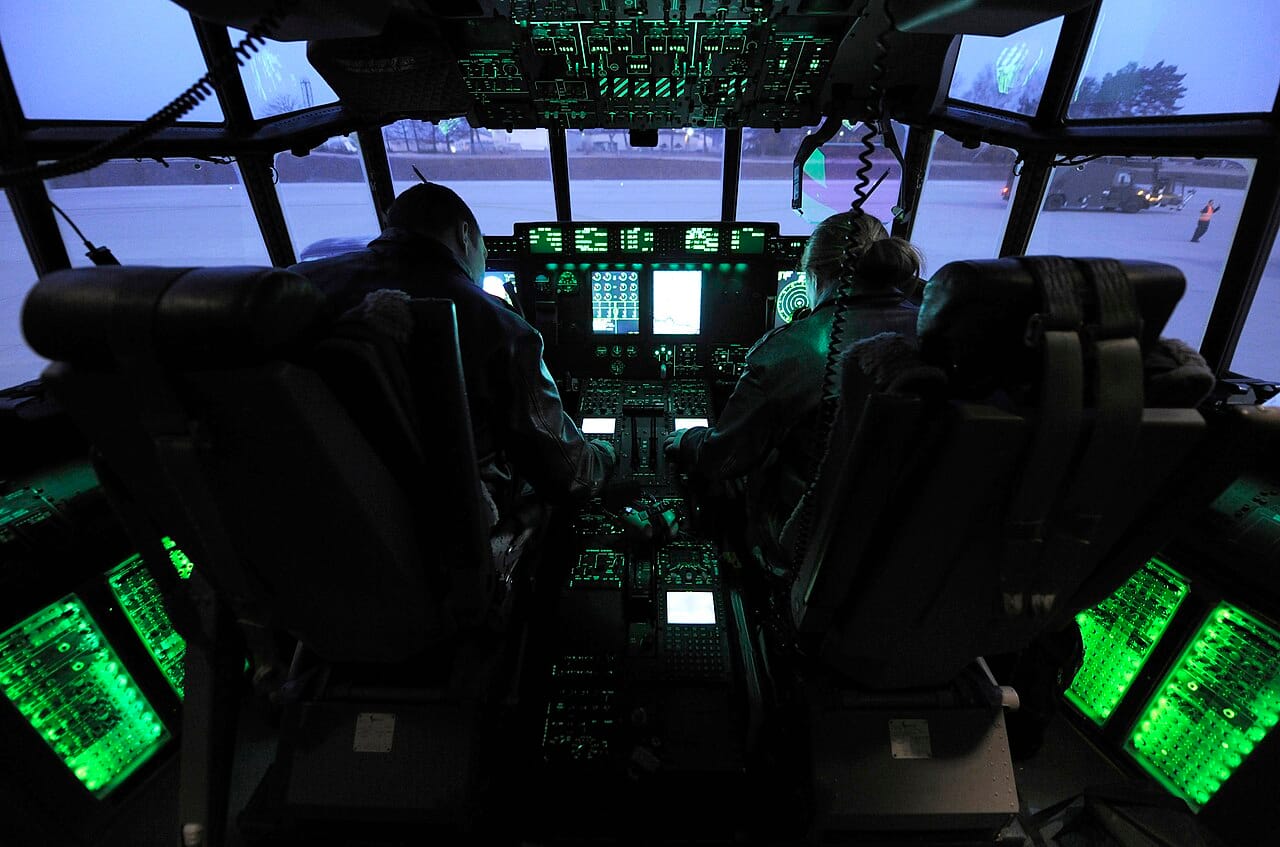
The C-130 is, by aerodynamic standards, a forgiving aircraft. Slow approach speeds, big control surfaces, four engines, simple geometry, and a flight envelope that has been characterised to death over seventy years. Compare it to the F-35 or the MV-22, both of which are notoriously sensitive to control-law tuning, and the Hercules looks like the gentlest possible platform on which to certify a heavy-airlift autonomy stack.
It also matters operationally. The cargo-airlift mission — pickup at A, deliver at B, return — is precisely the use case where pilot-optional autonomy gives the most schedule flexibility. Combat search-and-rescue, special operations infiltration and the dangerous low-altitude missions stay manned. Routine logistics — the long, dull, fatigue-heavy flights that the C-130 fleet does most of — become candidates for the autonomy stack.
Pentagon’s broader autonomy bet
The C-130 contract sits on top of a stack of recent DoD autonomy moves: Boeing’s A2X Chinook landing in April, the Marine Corps’ pilot-optional MARV-EL resupply helicopter pick, the Navy’s MQ-25 Stingray moving towards production, and the Air Force’s Collaborative Combat Aircraft programme funding 100-plus autonomous wingmen. Together they describe a Pentagon that has stopped treating crewed-autonomous teaming as a future capability and started treating it as the default architecture for everything that flies.
The Hercules has always survived by being the last platform anyone retired. Now it might be the first one to fly without a pilot.
Sources: Merlin Labs press release, USSOCOM contract announcement, Aviation Week, FlightGlobal, AIN Online.


 English
0 Comments