
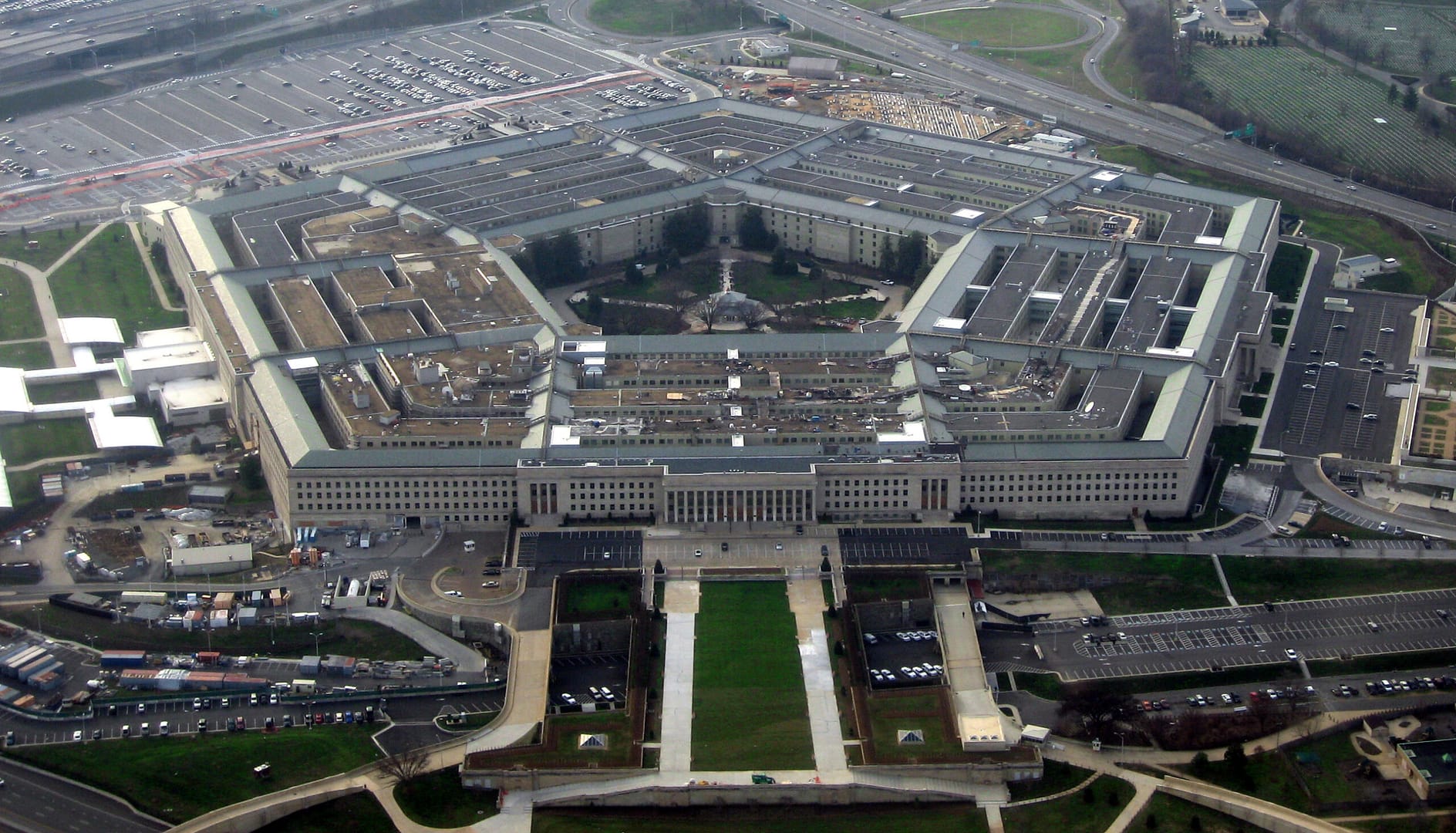
Two EA-18G Growlers collided mid-air over the Mountain Home airshow in May. A T-45 Goshawk went down in Mississippi last week. Two more Growlers had a near-miss the same weekend over the Pacific Northwest. An A-10 lost a wing strake. A KC-46 reported a critical refueling-vision-system fault. The list, when it is read in one sitting, is no longer just a run of bad luck — and the Pentagon, it emerged on 27 May 2026, has stopped treating it as one.
A new joint task force, quietly established on 15 January 2026 and disclosed to Congress only this spring, brings together the Joint Safety Council and the military departments to ask a single, uncomfortable question: why did American military aircraft start falling out of the sky in numbers the country had not seen since 2018?
Quick Facts
Established: 15 January 2026, by the Office of the Secretary of Defense
Mandate: Identify joint and systemic mishap risk factors across USAF, USN, USMC, US Army
Structure: Joint Safety Council and the military departments
Planned output: an Aviation Safety Plan of Action
Why now: Class A mishaps hit a six-year high in fiscal 2024
What the Pentagon is calling concerning
A Class A mishap, in service speech, is one with a fatality, a destroyed aircraft, or damage above $2.5 million. The military has tracked them obsessively since the 1980s as the master indicator of aviation safety. The rate stayed broadly flat through the 1990s and 2000s, climbed slightly during the wars in Iraq and Afghanistan, and dropped back through the late 2010s.
It then climbed again through the early 2020s, and fiscal 2024 saw 54 Class A aviation mishaps across the military — the most since 2018. The Air Force and Army in particular logged their highest flight-mishap rates per 100,000 flying hours in a decade. 2025 brought signs of improvement, with the Air Force recording its fewest Class A mishaps in ten years — but the war in Iran has taken its own toll, with 14 Air Force aircraft destroyed so far in 2026, already above the decade’s yearly average.
The factors the task force will look at
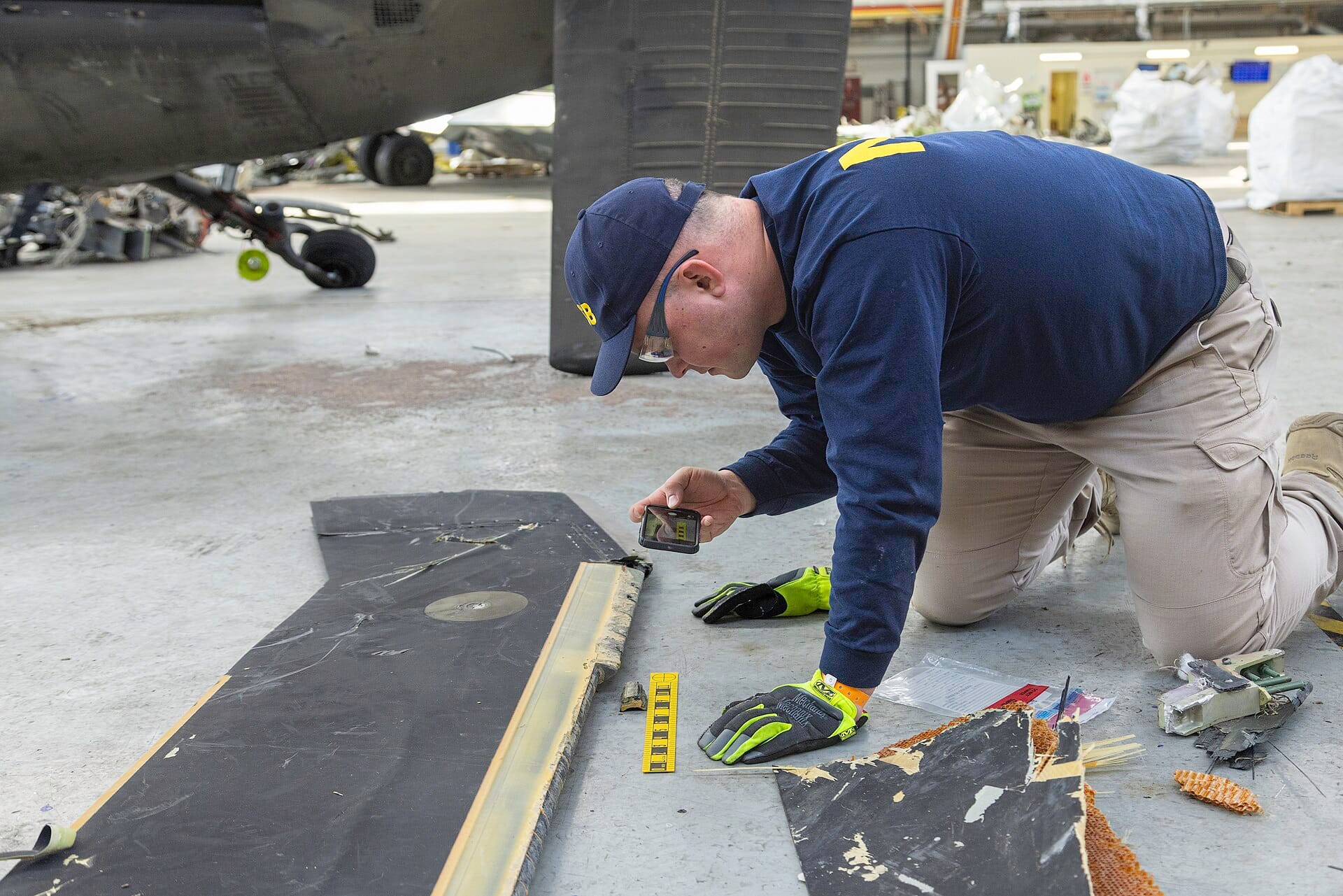
Several recurring threads have already emerged in service-level safety reviews:
First, fleet age. The KC-135 fleet averages 65 years. The A-10 is heading for retirement at the same time the F-22 fleet is being slowly cannibalised to keep itself flying. The Navy’s T-45 trainer has hit its airframe-hour ceiling. Older airframes mean more system failures, more maintenance-induced errors, and more demanding crew workload.
Second, sortie tempo. Operation Epic Fury — the 40-day air campaign against Iran that ended in early May — generated some of the highest tactical-aviation sortie rates the US has flown since Desert Storm. Crews are returning from CENTCOM exhausted, and the post-deployment training schedule has not slowed down.
Third, pilot retention. The Air Force remains short more than a thousand fighter pilots. The pool of experienced instructors across the services is stretched thin. When experienced crews leave, mishap rates rise — the data has been consistent on this point for decades.
What it does not look at — yet
The task force is not expected to investigate the operational losses in Iran. Combat losses are handled inside the after-action reports of the relevant commands. Mountain Home, Whidbey Island, NAS Meridian, Edwards, Robins — those are the names that will keep coming up in the task force’s open-source paper trail.
The task force’s findings will feed an Aviation Safety Plan of Action — materiel fixes, training adjustments, resource decisions — landing just as the FY2027 budget hearings get underway, where the political ask — for funded maintenance, for retention bonuses, for fleet recapitalisation — has to be defended against a Pentagon top line already stretched by Golden Dome and counter-drone programmes. The mishap rate is now part of that political argument, whether the services like it or not.
Sources: Air & Space Forces Magazine, US Air Force, Office of the Secretary of Defense.


 English
0 Comments