
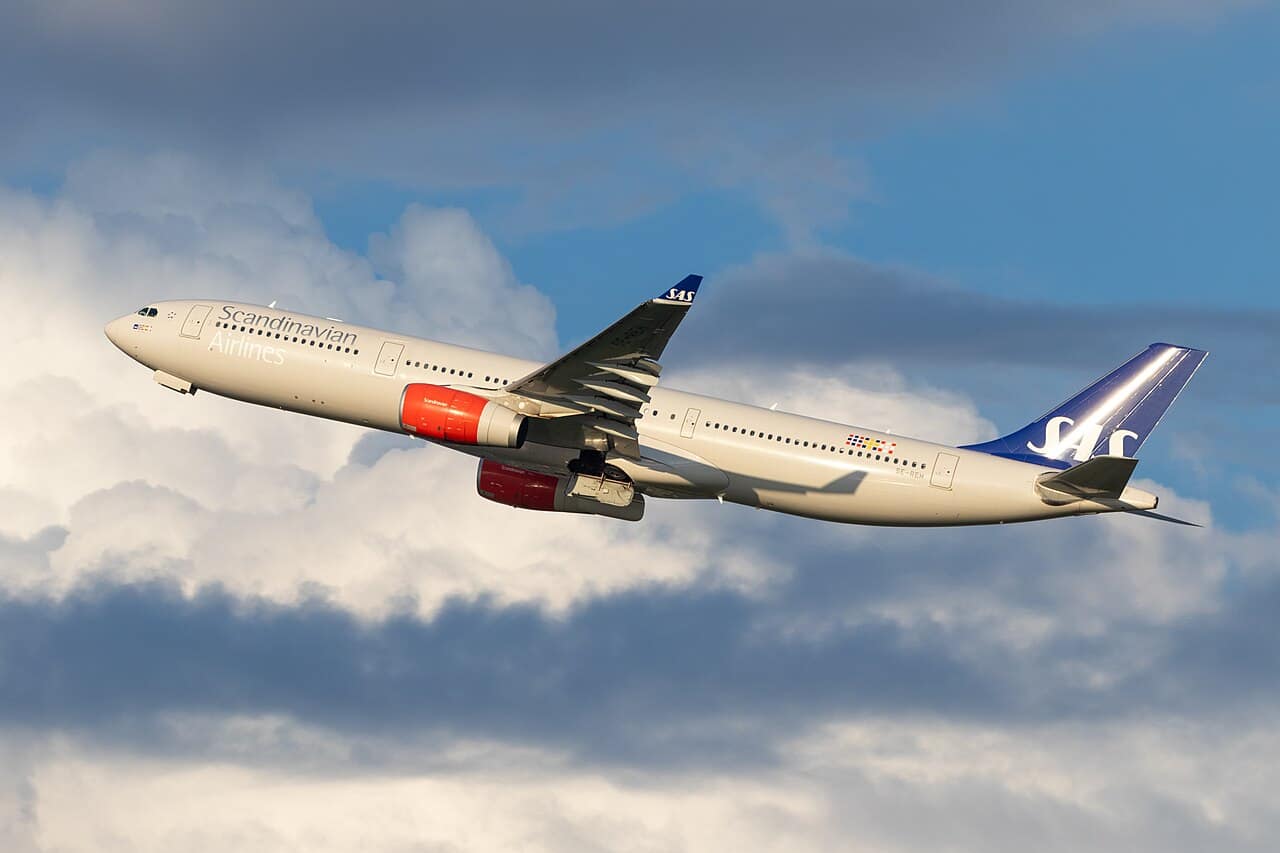
There is a particular kind of optimism in launching a long-haul route, and a particular kind of indignity in having your inaugural flight turn around in mid-air. Scandinavian Airlines managed both in the same week.
On 2 June 2026, SAS opened a new nonstop service between Copenhagen and Mumbai — the carrier’s long-awaited return to India after seventeen years away. The first departure, flight SK969, lifted off as planned and then, somewhere along the way, turned back to Copenhagen: a final Indian regulatory clearance had not arrived in time. A faintly comic start to a genuinely significant route.
QUICK FACTS
Airline: SAS Scandinavian Airlines
Route: Copenhagen (CPH) – Mumbai (BOM), nonstop
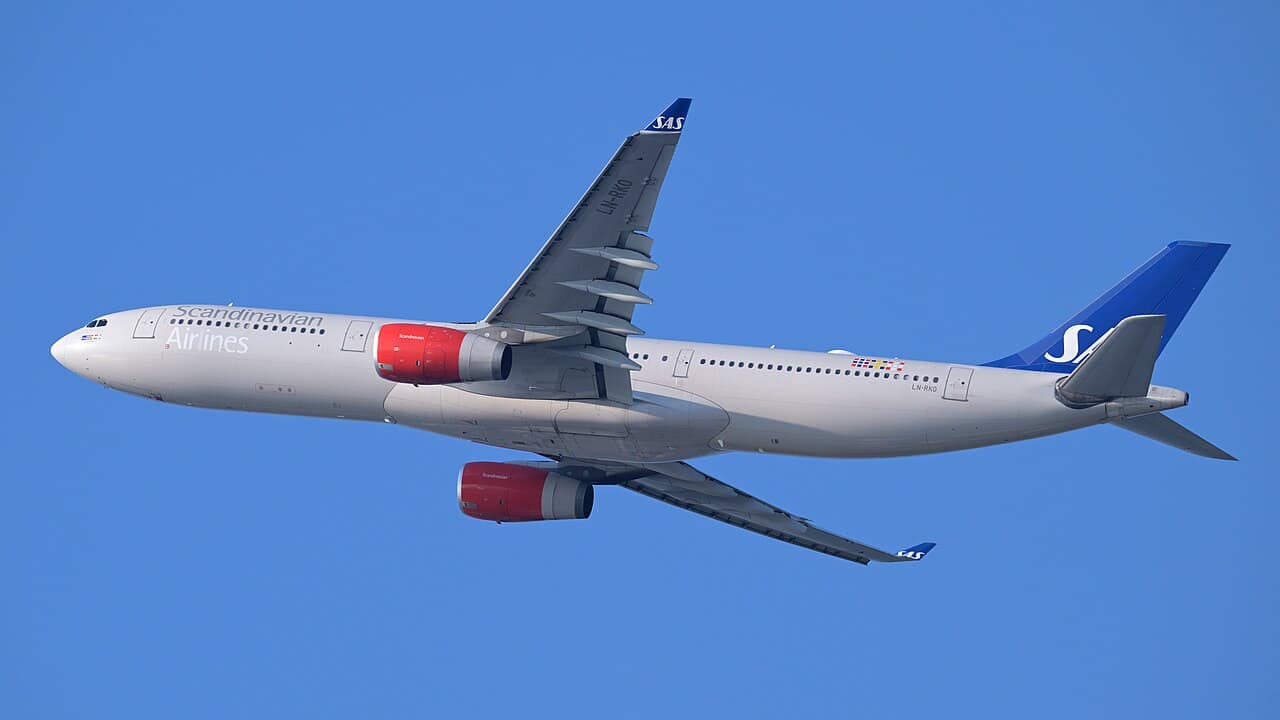
Aircraft: Airbus A330-300
Frequency: Five flights per week
Launched: 2 June 2026
Milestone: SAS’s first return to India in 17 years
A homecoming, seventeen years late
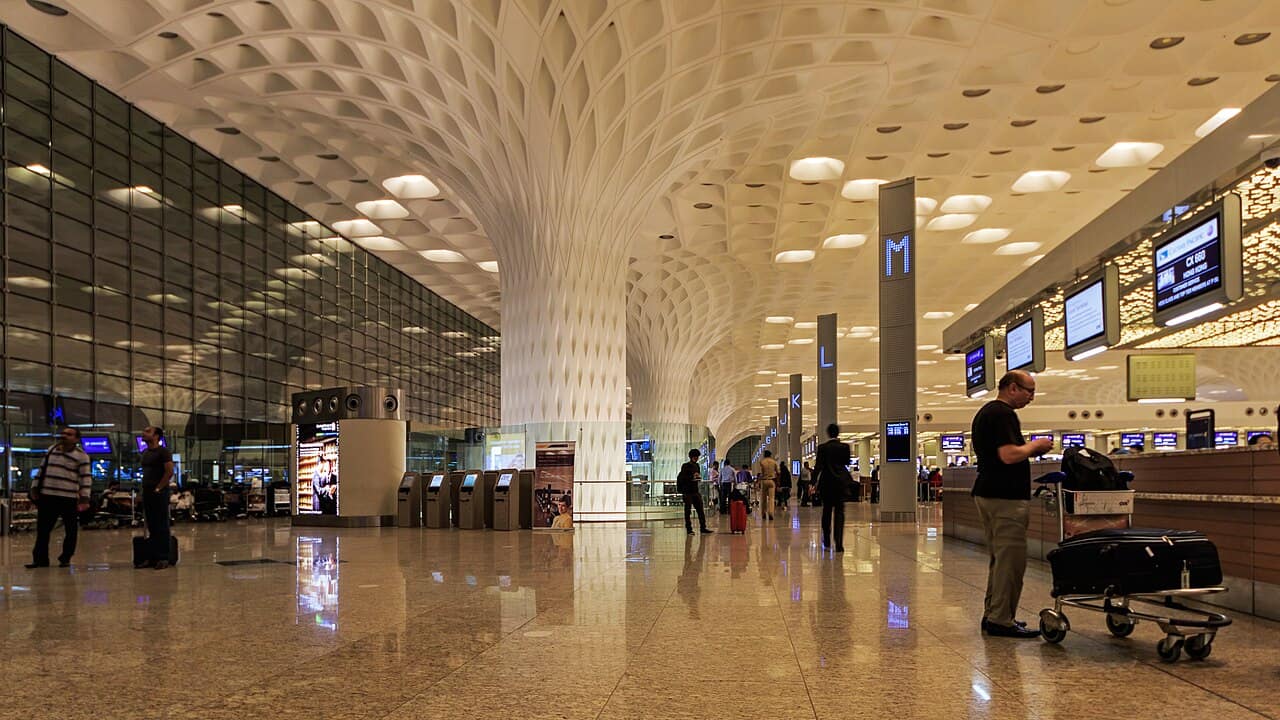
SAS once served India and withdrew during the lean years that followed the 2008 downturn. Its comeback is no nostalgia exercise. Mumbai is India’s financial capital, a magnet for business travel, and the anchor of a vast diaspora that has long had to connect through the Gulf or Frankfurt to reach Scandinavia. A direct link is a commercial statement.
The timing matters too. SAS has left the Star Alliance and joined SkyTeam, and it is rebuilding an intercontinental network to match its new partners. A flagship Asian route — operated by the widebody Airbus A330-300 — is exactly the sort of move a carrier makes when it wants to be taken seriously again.
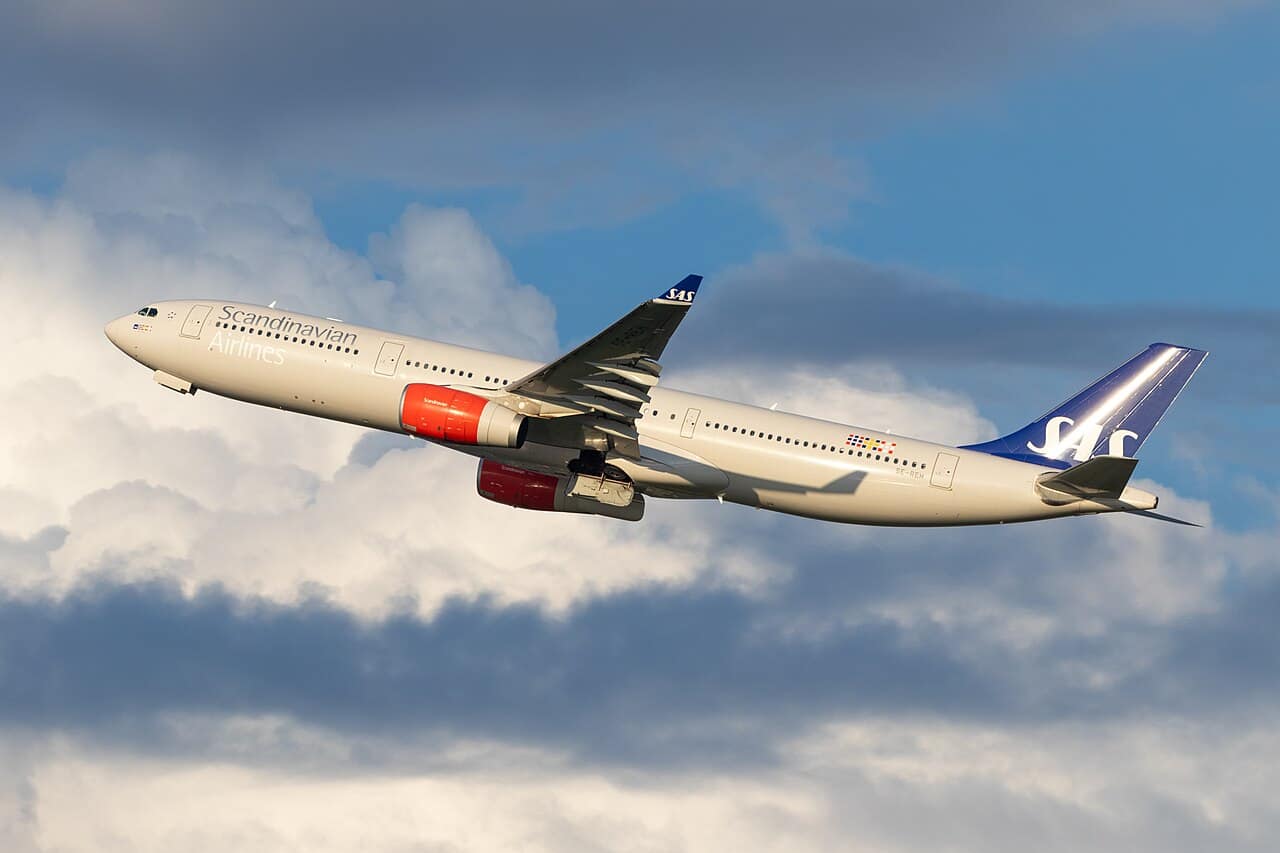
Five flights a week, and one awkward U-turn
The schedule is built for connections: westbound departures land in Copenhagen late morning, feeding the European and transatlantic banks; the eastbound legs arrive in Mumbai in the small hours, the traditional slot for long-haul arrivals into India.
And then there was the inaugural. SK969 turned back when a final piece of Indian paperwork failed to land before the aircraft did — the kind of bureaucratic hiccup that has nothing to do with the aeroplane and everything to do with the labyrinth of international route approvals. Embarrassing, briefly. Forgotten, quickly. The route settled into its rhythm within days.
Why Scandinavia is looking east
European carriers are rediscovering India as one of the few long-haul markets still growing at speed. Demand is outrunning capacity, fares are healthy, and the diaspora travels reliably year-round rather than seasonally. For SAS, a year-round Mumbai service is a hedge against the volatility of its transatlantic business.
One wobbly first flight will not define the route. If the demand is there — and every indication says it is — Copenhagen–Mumbai will quietly become one of the more strategically important lines on the SAS map. The U-turn will be a trivia answer. The route will be the story.
Sources: SAS Group newsroom; Business Travel News Europe; Live From A Lounge; Travel Trade Journal
 English
0 Comments