
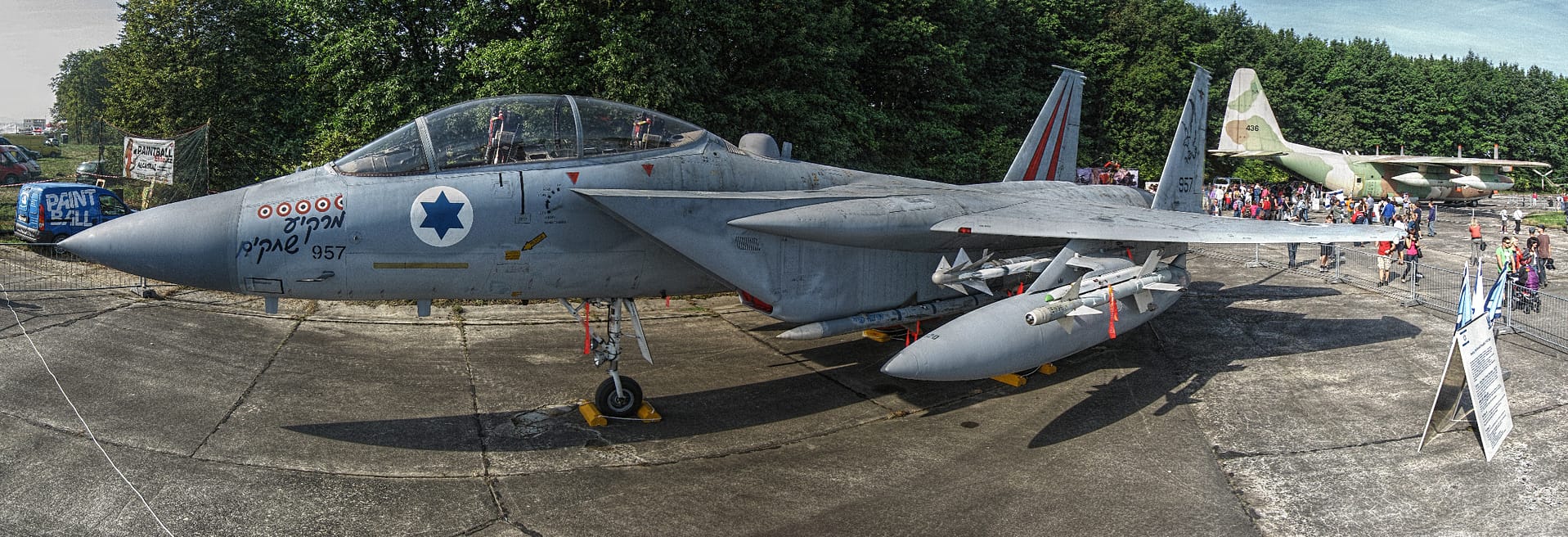
On a spring morning in 1983, Israeli pilot Zivi Nedivi was locked in a dogfight when an A-4 Skyhawk appeared in his six o’clock. The collision that followed should have been fatal. Instead, it became aviation’s most impossible survival story.
The right wing of Nedivi’s F-15D Eagle was sheared off just two feet from the fuselage, cleanly severed by the Skyhawk’s impact. The other pilot ejected safely, but Nedivi faced a nightmare: a supersonic fighter, spinning out of control, with navigator Yehoar Gal screaming in the back seat.
Most pilots would have reached for the ejection handle. Nedivi pushed the throttles to full afterburner.
The Physics of the Impossible
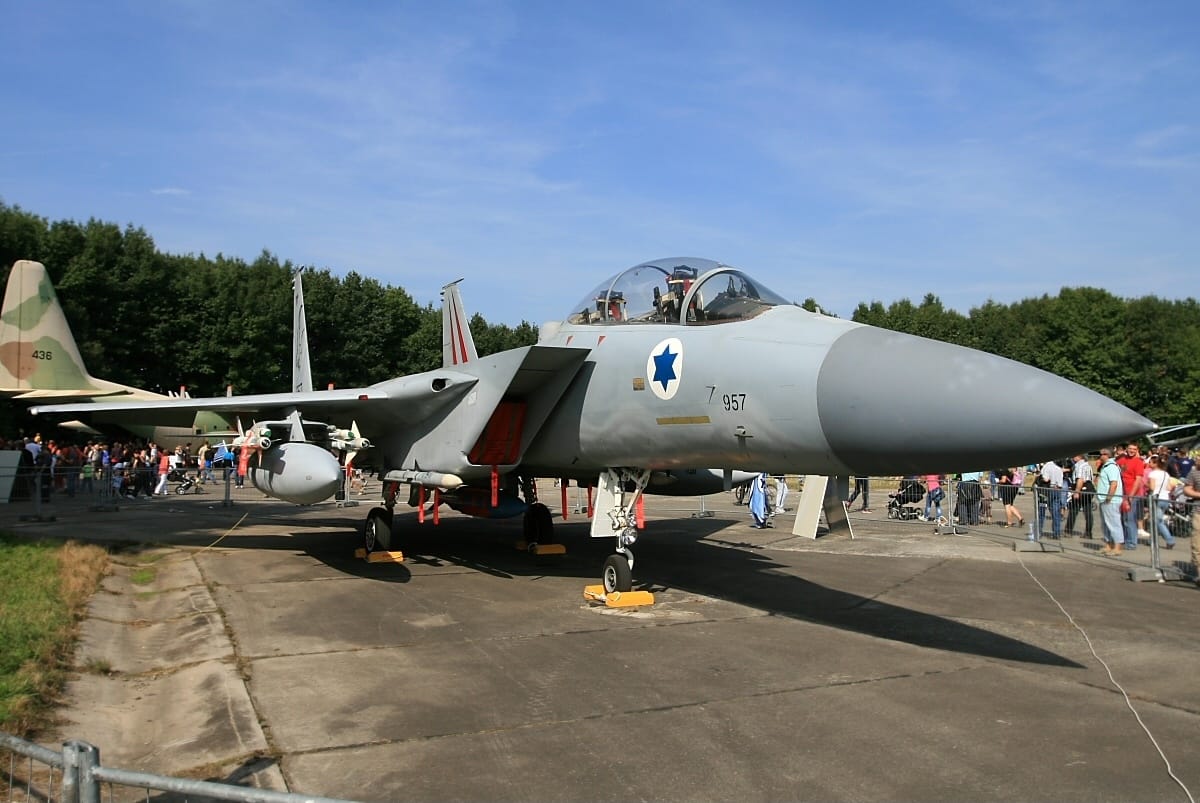
What saved Nedivi wasn’t luck. It was aerodynamics. The F-15 Eagle, despite its reputation as a dogfighter, is fundamentally a lifting body—a fact that would have been mere trivia until that moment.
Without its right wing, the F-15’s wide, flat fuselage became its salvation. At high speed and full afterburner thrust, the fuselage itself generated enough lift to keep the aircraft airborne. The remaining left wing, combined with the stabilators and massive engine thrust, provided just enough control authority to keep the jet stable. Nedivi was essentially flying a rocket that happened to look like a fighter.
The Israeli pilot made a split-second decision: head for Ramon Airbase, 10 miles away. He couldn’t afford to climb or maneuver aggressively. Any aggressive pull would stall the crippled jet out of the sky.
Ten Miles on One Wing
Nedivi flew at twice the normal landing speed—a dangerous gamble that would either get him home or tear what remained of his jet apart. Every second felt like an hour. Every gust of wind, a potential killer. The control stick demanded constant pressure; losing focus for even a moment would invite disaster.
When Ramon Airbase came into view, Nedivi knew he had one shot. He couldn’t go around again. He couldn’t abort and climb back to altitude. This was the landing.
He touched down at 300 knots—nearly twice the normal speed—and the F-15 screamed down the runway. The tailhook tore away completely. The fuselage groaned under forces it was never designed to withstand. Friction and friction alone brought the aircraft to a stop just 20 feet from the runway’s end, a cloud of dust and debris in its wake.
The Wreckage That Walked Away
Ground crews found the damage unimaginable. An entire wing—gone. Yet Nedivi and Gal climbed out of the cockpit, alive and intact. The engineers didn’t believe the pilot’s account until they saw the wreckage. The missing wing was hanging in a hangar at Ramat David Air Force Base; the story was so improbable, the evidence almost too obvious.
The F-15, tail number 957 and bearing the Hebrew name Markia Schakim (Sky Blazer), was eventually repaired and returned to service. It became a testament to both the F-15’s extraordinary design and one man’s ice-cold courage under the ultimate pressure.
Nedivi’s flight proved what test pilots had only theorized: the F-15 Eagle, with its cavernous fuselage and phenomenal engine power, could defy the most fundamental laws of fighter aviation. But it took a midair collision, a sheared wing, and nerves of titanium to prove it.
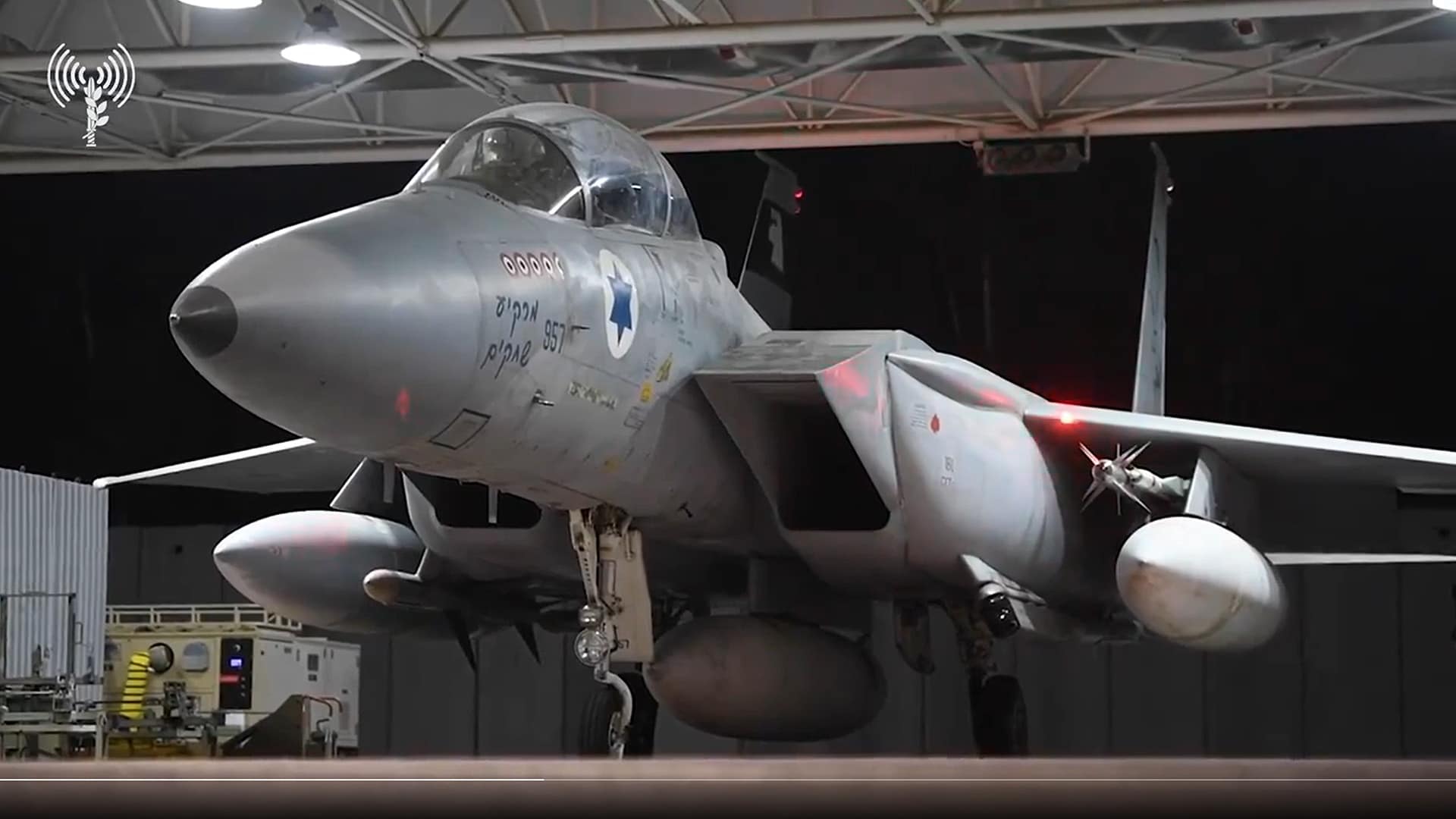
A Design Built for the Impossible
The F-15’s overabundant engine thrust and lifting body principles—traits normally associated with space shuttle concepts, not fighter jets—became the unlikely heroes of this story. The aircraft that had been designed for air dominance over Soviet jets in the skies of Europe proved its worth in the most catastrophic circumstances imaginable.
Today, Nedivi’s flight remains one of aviation’s most closely studied incidents, taught in military academies and engineering courses worldwide. It’s a reminder that extraordinary circumstances sometimes reveal extraordinary truths about the machines we build to fly—and the exceptional people who master them.
Sources: Wikipedia: 1983 Negev Mid-Air Collision, 19FortyFive: F-15 One Wing Landing, The Aviationist: F-15 Lands With One Wing

 English
0 Comments