
The Gulf monarchies watched the 40-day air war over Iran like a long, expensive product demo. The Patriot batteries that defended Bahrain, Saudi Arabia and the UAE had a good war by any measure. They also went through interceptor inventory faster than anyone expected, ran into supply queues stretched by Ukraine, and reminded their owners that there is exactly one major source of Western air-defence missiles — and it is the same Pentagon that just saw its Golden Dome project priced at $1.2 trillion by the Congressional Budget Office.
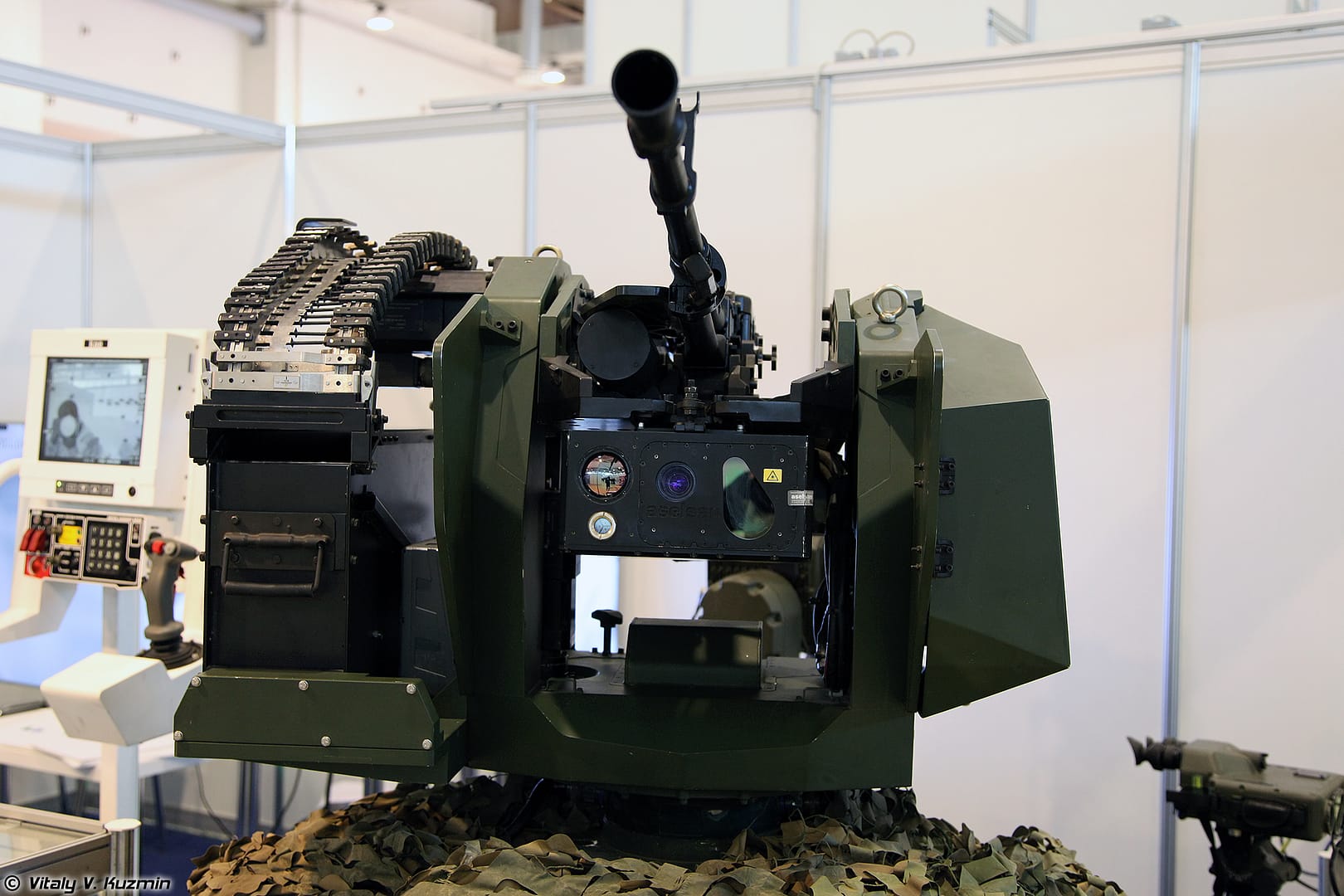
Two days ago at the Efes 2026 military drill outside Izmir, Breaking Defense’s Agnes Helou reported that executives at missile-maker Roketsan and state-owned MKE are fielding sharply increased interest from Gulf states in their air-defence and counter-drone systems. The message for Gulf capitals was simple. Turkey is now selling exactly the kind of air defence system the Gulf needs.
Quick Facts
Trigger event: Operation Epic Fury (US-Iran war), March–May 2026
Turkish suppliers: Roketsan, MKE, Aselsan
Systems of interest: Roketsan Cirit and Alka directed-energy system, MKE Tolga short-range air defence
Buyer interest: Gulf states (not individually named in reporting)
Key differentiator: Local-production technology transfer offered as standard
Why Patriot is no longer enough
The Patriot is, on paper, still the gold standard. The PAC-3 MSE interceptor has scored kills against ballistic missiles, cruise missiles and drones during Epic Fury. But Lockheed Martin is producing somewhere between 550 and 650 PAC-3 missiles per year. The Pentagon is buying most of them. Ukraine is buying what is left. By 2024 most Gulf states had been told their PAC-3 deliveries would slip into the late 2020s, even with cheque-up-front orders.
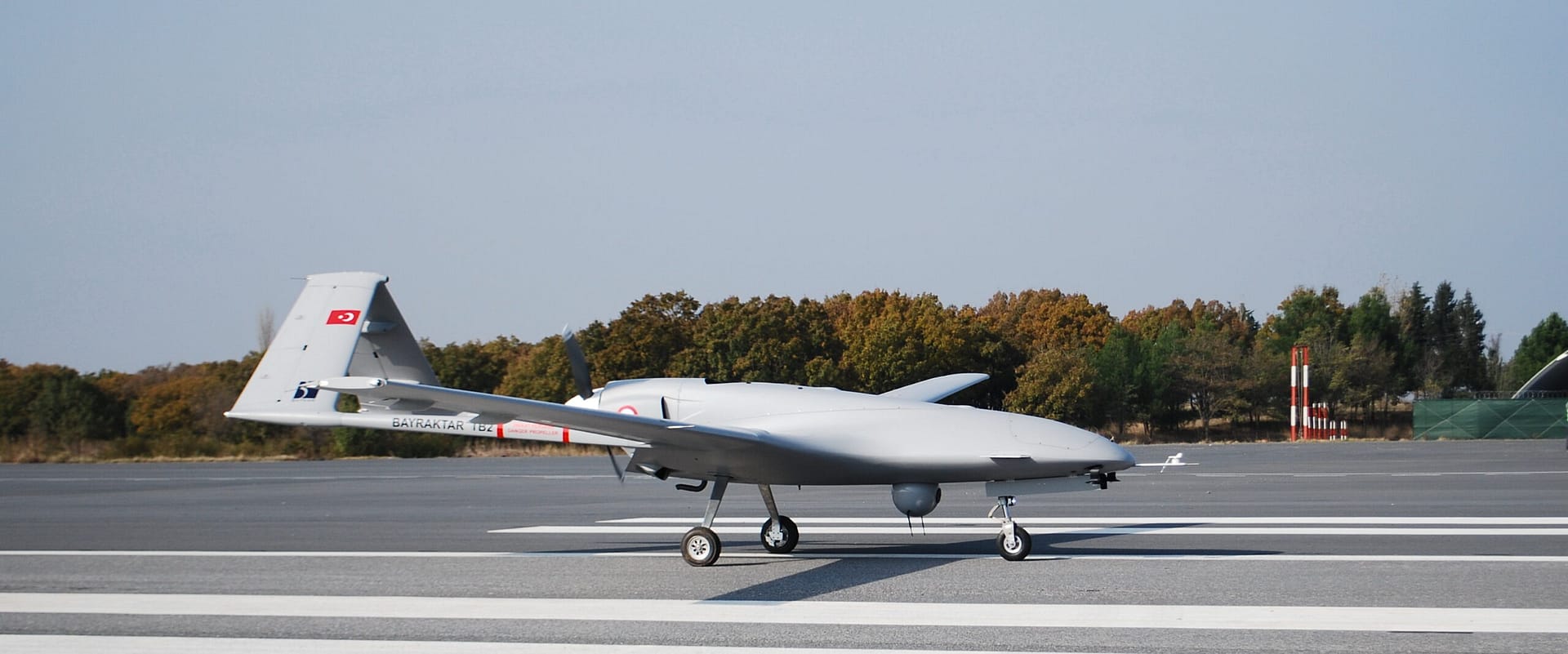
Turkey, meanwhile, has been quietly building a complete indigenous air-defence stack since it was pushed out of the F-35 programme in 2019 over its S-400 purchase. The HISAR-A short-range, HISAR-O medium-range and SİPER long-range systems together form a layered defence comparable to a Western IAMD architecture. They use Aselsan radars (some of which use the same Gallium-Nitride AESA technology family as Saab’s GlobalEye), Roketsan interceptors, and a Turkish-built command-and-control network.
The Gulf differentiator: local production
What Gulf governments want — and what Lockheed has been unwilling to give — is full technology transfer plus local assembly. Saudi Arabia’s Vision 2030 plan calls for localizing 50 percent of defence spending by 2030. Patriot, RIM-66, Aster 30 — none of the Western prime contractors offer that. Turkey does. Aselsan has already signed local-assembly memoranda with Qatar and Saudi Arabia for radar and EW modules. At Efes, both Roketsan and state-owned MKE told Breaking Defense they are open to local production in the Gulf — MKE says its technology-transfer offers are turnkey, with the resulting intellectual property belonging to the buyer.
The strategic re-alignment
This is not the first time the Gulf has flirted with non-Western air defence. Saudi Arabia announced — and then walked back — a deal for Russia’s S-400 in 2017. The UAE bought the Korean Cheongung KM-SAM in 2022. But Turkey is a NATO ally; it sits inside Western intelligence-sharing structures; and its systems are designed to be interoperable with NATO C2.
The post-Epic Fury Gulf air-defence map could look very different by 2028. If even one major Saudi or Emirati HISAR or SİPER contract closes, Ankara becomes the world’s third-largest air-defence exporter after the US and Russia — and Western prime contractors lose their longest-running cash market for surface-to-air missiles. The drill at Efes 2026 was not just an exercise. It was, in Turkish defence industry terms, the most lucrative sales meeting of the decade.
Sources: Breaking Defense, Anadolu Agency, Aselsan, Roketsan.


 English
0 Comments