
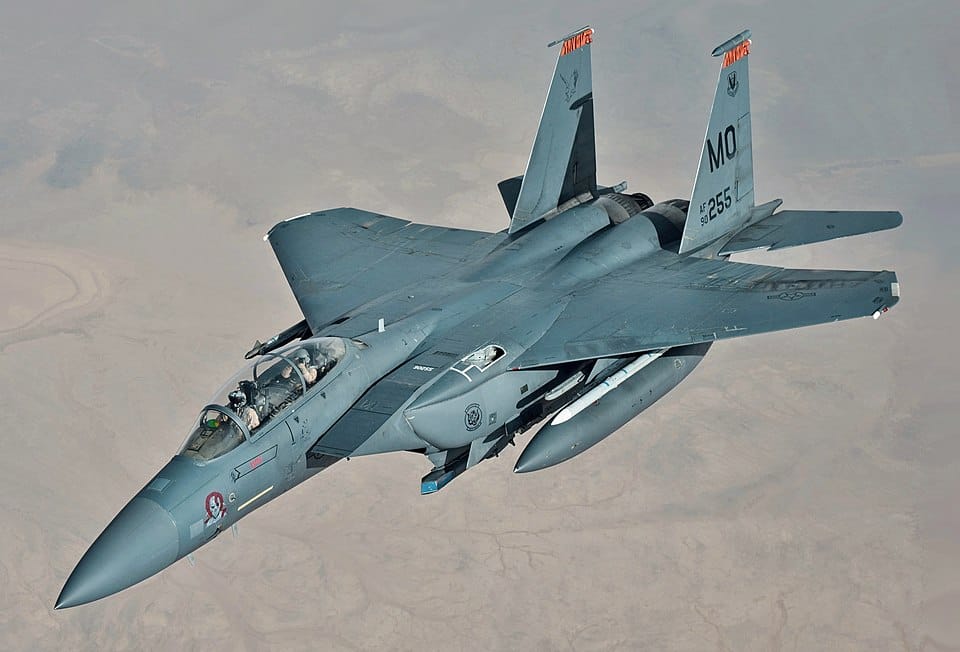
Related: F-15E Down Over Iran — Crew Fate Unknown
Date April 3, 2026
Operation Epic Fury (ongoing since February 28, 2026)
Aircraft Lost One F-15E Strike Eagle (494th Fighter Squadron, RAF Lakenheath) + one A-10C Thunderbolt II
F-15E Crew Two (pilot + WSO) — both ejected; one rescued, one status uncertain
A-10 Pilot Ejected over Persian Gulf, recovered by U.S. forces
F-15E Cause Shot down by Iranian surface-to-air missile
A-10 Cause Damaged during search and rescue mission; exact cause (hostile fire vs. mechanical) unconfirmed
Significance Heaviest single-day manned aircraft loss of Operation Epic Fury
Total Epic Fury Losses 16+ MQ-9 Reapers, multiple manned aircraft, estimated $4.8 billion material cost

April 3 was the worst day of Operation Epic Fury. Two manned American combat aircraft went down within hours of each other — an F-15E Strike Eagle shot from the sky by Iranian air defences, and an A-10C Thunderbolt II lost during the rescue mission that followed. After five weeks and 13,000 combat sorties without losing a manned jet to enemy fire, the air war over Iran drew blood in a single afternoon.
The F-15E, assigned to the 494th Fighter Squadron out of RAF Lakenheath, was hit by an Iranian surface-to-air missile over southwestern Iran. Both crew members — the pilot and weapons systems officer — ejected successfully from the stricken aircraft. Iranian state media released photographs of wreckage scattered across the desert floor within hours. What followed was a desperate, multi-aircraft search and rescue operation that would claim a second aircraft before the day was over.
The Shootdown
The F-15E Strike Eagle was conducting a combat mission as part of Epic Fury’s ongoing air campaign when it was engaged by Iranian air defences. The exact missile system responsible has not been officially confirmed, but the engagement marks the first time Iranian forces have downed a manned American aircraft since the operation began on February 28.
The loss came after what U.S. officials had characterised as American dominance of Iranian airspace. Defence Secretary Pete Hegseth and other Pentagon leaders had pointed to the 13,000+ sorties flown without a manned shootdown as evidence that Iranian air defences had been effectively suppressed. The April 3 incident shattered that narrative. Iranian air defence networks, despite weeks of sustained attack, retained the capability to track and engage fast-moving strike aircraft.
Both crew members ejected and came down in Iranian territory. The clock started immediately — in hostile terrain, with Iranian ground forces actively searching for the downed aviators, every minute on the ground reduced the odds of a successful rescue.
The Rescue — and the Second Loss
The U.S. military launched a Combat Search and Rescue (CSAR) package the moment the ejection was confirmed. The operation involved HC-130 refuelling aircraft conducting low-level operations over Iranian airspace, HH-60G Pave Hawk rescue helicopters threading their way to the crew’s position, and A-10C Thunderbolt IIs providing close air support — the Warthog’s traditional role of orbiting overhead, ready to suppress any threat that endangered the rescue force.
One crew member was located and extracted by U.S. special forces in the hours following the shootdown. The second crew member’s status remains uncertain. Reports indicate they may have been captured by Iranian forces, though this has not been officially confirmed. The rescue operation was still ongoing as of April 4.

During the rescue operation, an A-10C Thunderbolt II went down near the Strait of Hormuz. The circumstances remain disputed. Iranian state media, through the Tasnim news agency, claimed the Warthog was shot down by surface-to-air missiles and published video purporting to show the engagement. U.S. officials have not confirmed whether the aircraft was hit by hostile fire or suffered a mechanical failure in the demanding low-altitude combat environment.
The A-10 pilot ejected over the Persian Gulf and was recovered by American forces. The loss of the aircraft — regardless of cause — made April 3 the first day of Epic Fury to see two manned aircraft go down in a single operational period.
The Mounting Cost
The twin losses compound what has already been a costly air campaign. Since Epic Fury began five weeks ago, the U.S. has lost at least 16 MQ-9 Reaper drones — an estimated $480 million in unmanned aircraft alone. Earlier in the campaign, on March 1, three F-15E Strike Eagles were shot down by friendly fire from a Kuwaiti F/A-18 in a tragic case of mistaken identification. All six crew members from that incident ejected safely.
Total material losses since February 28 are estimated at approximately $4.8 billion. Over 13 U.S. service members have been killed, with hundreds more wounded. The air campaign has achieved significant strikes against Iranian military infrastructure, but the cost — in aircraft, in lives, and in the assumption that American air power could operate with impunity over Iranian airspace — is mounting with each passing week.
The F-15E shootdown is particularly significant because it demonstrates that Iranian integrated air defence systems, despite sustained SEAD (Suppression of Enemy Air Defences) operations, retain pockets of lethal capability. The SAM operators who brought down the Strike Eagle did so after weeks of American attempts to destroy exactly these kinds of threats. They survived. They waited. And on April 3, they shot back.
What Comes Next
The immediate priority is the fate of the missing F-15E crew member. Combat Search and Rescue operations in hostile territory are among the most dangerous missions in military aviation — as the loss of the A-10 on the same day brutally illustrates. Every CSAR mission puts additional aircraft and crews at risk to bring one person home.
Operationally, the losses will force a reassessment of strike tactics and routes. If Iranian air defences scored a kill against a fast, manoeuvring Strike Eagle — an aircraft designed to survive in exactly this environment — the threat picture is more serious than previous assessments suggested. Future missions may require heavier SEAD escort, different ingress altitudes, or revised electronic warfare tactics.
Five weeks into Operation Epic Fury, April 3, 2026 stands as the day the air war stopped looking routine. Two aircraft down. One crew member rescued. One missing. And the skies over Iran a more dangerous place than anyone in Washington had publicly acknowledged.
Sources: Axios, NBC News, CNN, Washington Post, The Aviationist, Military Times, Air & Space Forces Magazine

 English
0 Comments