
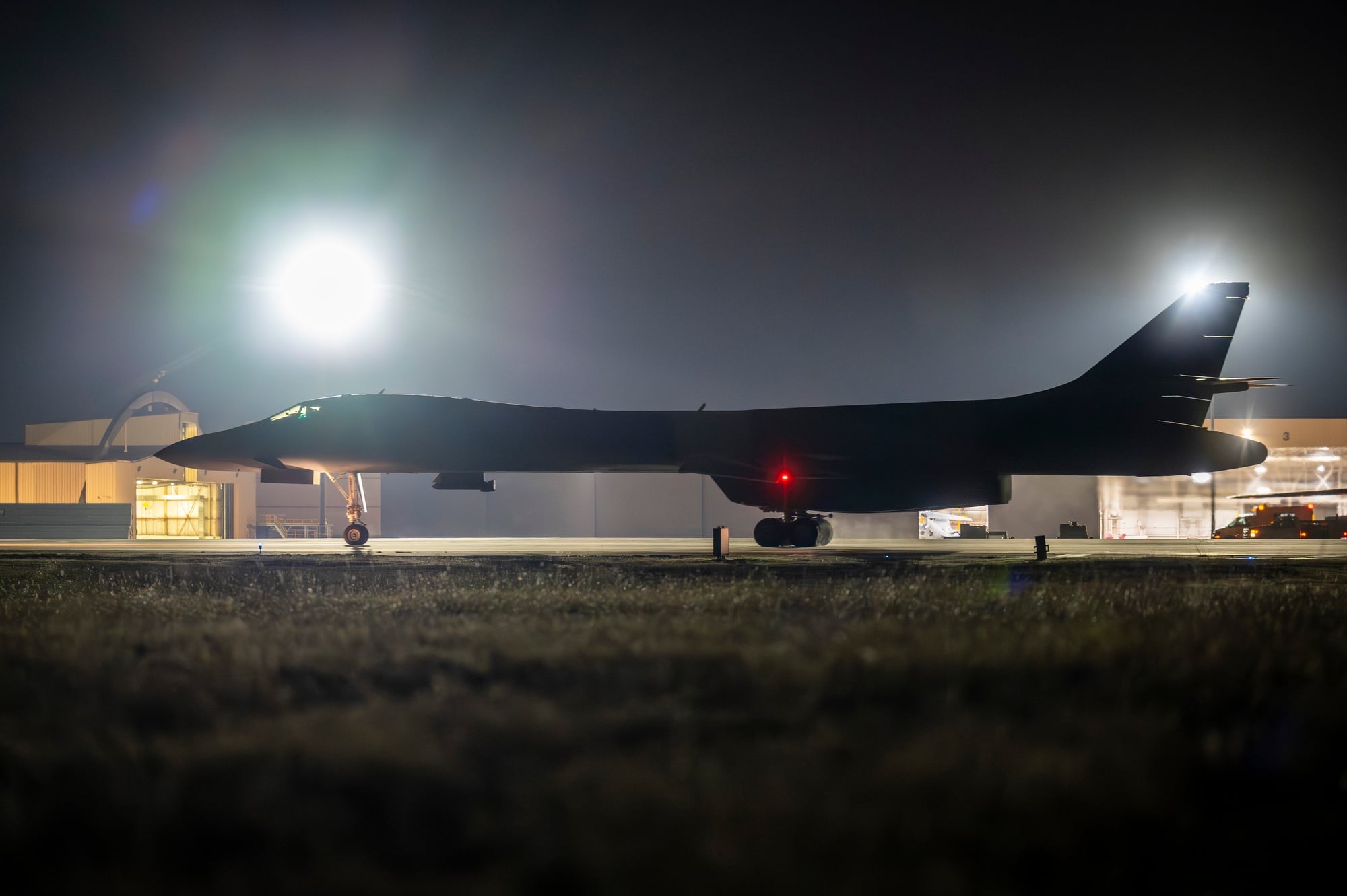
Air Force Global Strike Command has published a progress report on its effort to fix bomber readiness, and it contains one conspicuous absence: any mission capable rate.
The North Star Readiness Campaign began in the summer of 2025 and reached its first anniversary this month. In a release dated 8 September from Barksdale, the command described daily aircraft-on-ground meetings that put the Defense Logistics Agency, the supply-chain enterprise, base logistics readiness squadrons and flight-line maintainers in the same room, streamlined depot cycles negotiated with Air Force Materiel Command, and a maintenance playbook written by the airmen who actually do the work.
The claimed results are genuine improvements, if they hold. B-1 parts problems serious enough to ground an aircraft, what the Air Force calls MICAPs, are said to have fallen from more than 450 to around 160. Some lateral parts shipments that used to take over a week now take two or three days. Every one of those figures comes from a single Air Force press release, and none has been independently verified.
Quick Facts
Campaign: North Star Readiness Campaign, launched summer 2025
Announced: 8 September 2026, Air Force Global Strike Command, Barksdale AFB
Run by: AFGSC with Air Force Materiel Command and the Defense Logistics Agency
Claimed result: B-1 MICAPs down from over 450 to roughly 160
Mission capable rates published: None
Last published rates (2024): B-52H 54 per cent, B-1B 43 per cent
Inventory: 45 B-1B Lancers, 75 B-52H Stratofortresses
B-52H average age: About 65 years. The newest was delivered in 1962
The numbers that are missing
The Air Force stopped publishing mission capable data after 2024. The last figures released put the B-52H at 54 per cent and the B-1B at 43 per cent, both on a multi-year decline. A mission capable rate of 43 per cent means that on an average day, fewer than half the Lancers on the books can fly a mission.
That is the benchmark against which a readiness campaign should be measured, and it is precisely the number AFGSC did not provide. Claiming improvement while withholding the metric is not the same thing as demonstrating it. The MICAP count is a useful proxy, but it measures the supply chain rather than the fleet.
What the campaign has plainly changed is process. Chief Master Sgt. Shane Anderson, who leads change management for the effort, made the point that the fixes are not purely top-down.
What the GAO said six weeks earlier
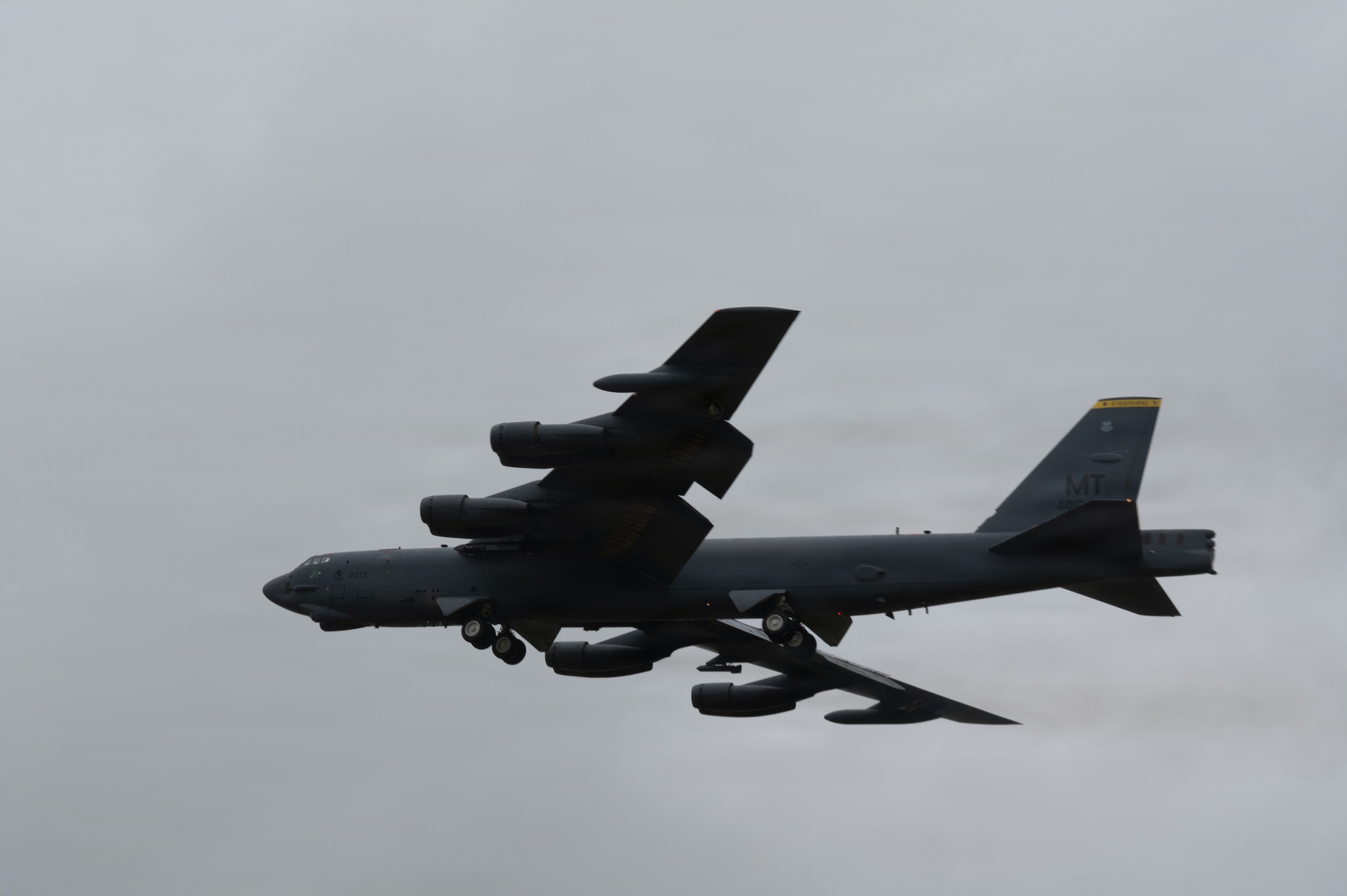
The optimism sits awkwardly beside a Government Accountability Office report published on 31 July 2026. That document found the B-52 had met its readiness goals only four times between financial years 2011 and 2021, and it was scathing about the programme meant to keep the aircraft flying to the 2050s.
The Commercial Engine Replacement Program swaps all eight Pratt and Whitney TF33s on each aircraft for eight Rolls-Royce F130s, producing the B-52J. It cleared Critical Design Review in May 2026, roughly three years late. Its cost has risen to 15.4 billion dollars against an original estimate near 3 billion, an increase of 38 per cent since 2018 alone, and it now accounts for about three quarters of the entire 13-programme B-52 modernisation effort. The GAO expects developmental flight testing to slip to early financial year 2029, four years late, with initial operational capability in 2033, five years late. Production is scheduled to begin alongside flight testing. The GAO recommended delaying that production decision. The Air Force disagreed.
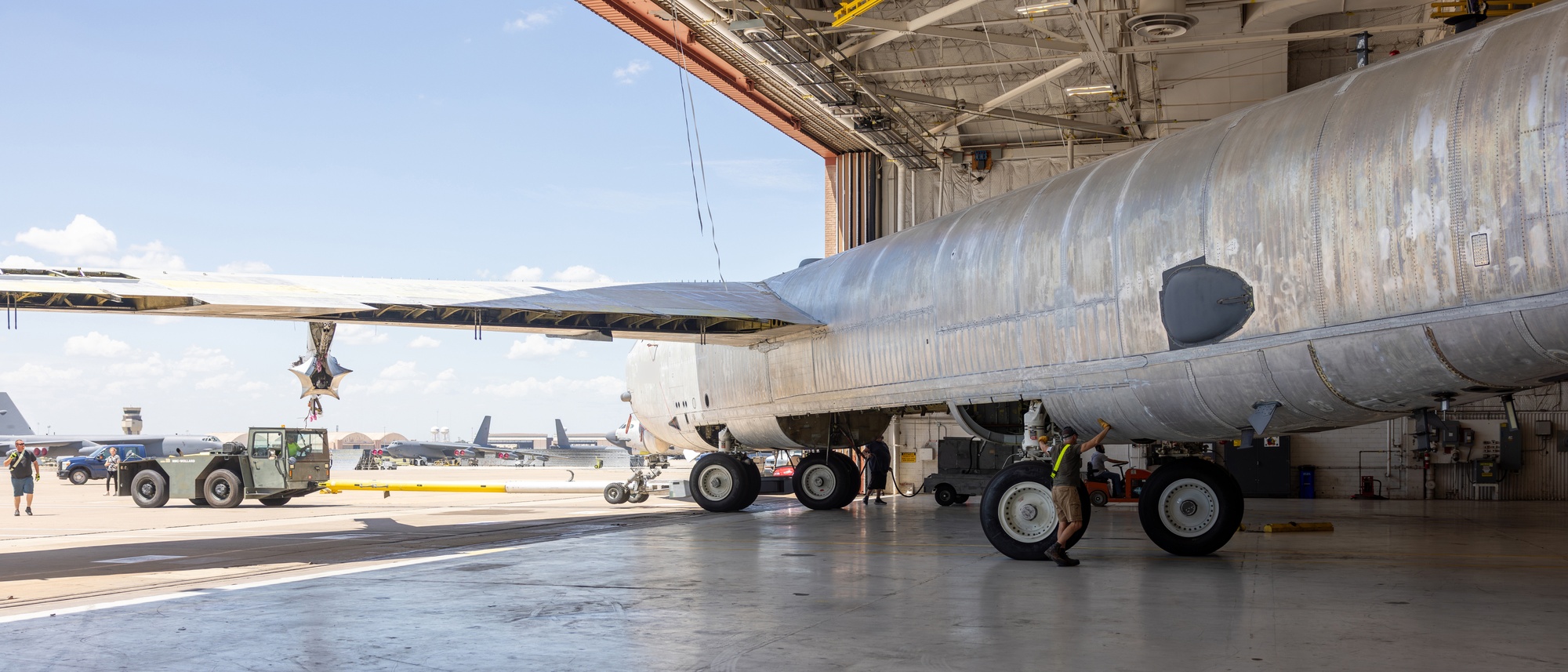
The radar is going the same way. The AN/APQ-188 Radar Modernization Program triggered a significant Nunn-McCurdy breach in May 2025, with costs up about 30 per cent to roughly 2.9 billion dollars and initial operational capability pushed to the third quarter of financial year 2030. Then the radar testbed aircraft crashed at Edwards Air Force Base on 15 June 2026, and officials acknowledged in July that the loss would probably add further delay.
B-1B Lancers recovering at Dyess Air Force Base, home of the 7th Bomb Wing.
Why it has to work
The B-1 fleet stands at 45 aircraft after 17 of the most fatigued airframes were retired over the past five years, and the average age is approaching 40. The Air Force has now reversed its earlier plan to retire the Lancer in the early 2030s and intends to fly both the B-1 and the B-2 through 2037, with roughly 342 million dollars of B-1 modernisation programmed between financial years 2027 and 2031.
That reversal is the real driver here. The B-21 Raider is arriving, but not quickly enough to let anything else go. Until it does, the United States has to keep a 65-year-old bomber and a 40-year-old one available at rates that have been falling for a decade, using parts that in some cases are no longer manufactured.
A campaign that cuts grounding parts shortages by two thirds is a real achievement, and the airmen who did it deserve the credit. Whether it has moved the number that matters is something the Air Force has chosen not to say.
Sources: Air Force Global Strike Command release, 8 September 2026; Air & Space Forces Magazine; US Government Accountability Office report GAO-26-109272, 31 July 2026.
0 Comments