

Every aircraft on the American civil register carries a short code that is entirely its own, from a four-digit number on a club Cessna to N905NA on one of NASA’s old Shuttle Carrier 747s. It is painted on the fuselage, spoken over the radio and printed on the certificate in the cockpit. What most people never consider is where that particular combination came from, and the answer is a government office in Oklahoma City that will sell you almost any unused one for ten dollars.
We have already explained why American aircraft start with N in the first place. This is the other half of the story: how one individual N-number is assigned, reserved, changed, passed on and finally retired, under the rules in Title 14 of the Code of Federal Regulations, Part 47.
Kurzinfo
- Issued by: FAA Aircraft Registration Branch, Oklahoma City
- Rules: 14 CFR Part 47 (registration); Part 45 (display of marks)
- Format: N plus up to five characters; no I or O; may not begin with zero
- Reserved: N1 to N99, for FAA internal use only
- Kennzeichen: $5; certificate valid seven years since 23 January 2023
- Special number: $10 to reserve or assign; $10 a year to renew the reservation
- Number change: $10, via AC Form 8050-64; original form back to the FAA within five days of painting
- After cancellation: Unavailable for five years unless the last owner reserves it
One office, one register
Every N-number is handed out by the FAA Aircraft Registration Branch, which works from the Registry Building in Oklahoma City. It keeps the register of who owns what, issues the Certificate of Aircraft Registration, and controls the pool of numbers that have not yet been used.
Not everyone can put an aircraft on that register. Under §47.3 the owner must be a US citizen, a foreign national lawfully admitted for permanent residence, a US government body, or a corporation organised under US or state law. A corporation that is not itself a US citizen qualifies only if the aircraft is based and primarily used in the United States, which the FAA defines as at least 60 percent of its flight hours.
The format of the number itself is fixed. After the N come up to five characters: one to five digits, one to four digits and a letter, or one to three digits and two letters. The letters I and O are banned, a number may not begin with zero, and N1 to N99 are reserved for the FAA’s own internal use.
Advocate Consulting Legal Group on where US N-numbers come from.
How a new aircraft gets its number
An aircraft that has never been registered anywhere starts with a written request to the Registry describing it by make, type, model and serial number, and stating that it has not been registered before. An imported aircraft needs evidence that its foreign registration has ended. Either way, an ordinary number assigned this way costs nothing.
There is a catch. Under §47.15, the authority to use that freshly assigned number expires 90 days after it is issued unless the owner follows up with a full Aircraft Registration Application, AC Form 8050-1, and the evidence of ownership. The application itself costs five dollars, and since 23 January 2023 the resulting certificate is valid for seven years instead of three.
Manufacturers work at a different scale. A builder may apply for enough registration numbers to cover its estimated production for the next 18 months, and the regulation is explicit that there is no charge for that allocation. A new aircraft can therefore roll out of the factory already wearing the number it will carry on its first registration.
Picking your own: the ten-dollar vanity plate
Anyone who wants a specific combination asks for what the FAA calls a special registration number. In the FAA’s own definition, it is an N-number selected from the list of available numbers, either for immediate use on a specific aircraft or to reserve in your name for future use.
The fee for reserving or assigning one is $10. A reservation lasts one year and can be renewed year after year for another $10 each time. The FAA’s online system takes a card payment and lets you list up to five numbers in order of preference, or ask for numbers ending in a two-character suffix of your choice.
That warning matters most when a popular number comes free. A reserved number that its holder does not renew becomes available at midnight Central time on the day after its purge date. From that moment, requests can arrive online, by mail, by courier or in person at the Registry’s public document rooms when they open at 7:30 a.m.
Over 50 and Learning To Fly on getting new N-numbers for an aeroplane.
Putting the new number on the aircraft
Changing the number on an existing aircraft is a paper process with a clock attached. The owner writes to the Registry describing the aircraft by manufacturer, model, serial number and current registration, and pays $20: $10 for the special number and $10 for the change. If the owner already holds the number in reserve, the fee at this stage is the $10 assignment fee.
If the request is approved, the FAA mails an Assignment of Special Registration Number, AC Form 8050-64, in triplicate. The owner has one year to paint the new number on. Within five days of doing so, the original form goes back to Oklahoma City, while a copy rides in the aircraft with the old certificate as temporary authority to fly. That temporary authority lasts no more than 120 days.
Within ten days, the owner also has to take the duplicate form and the airworthiness certificate to a local Flight Standards District Office for a revised airworthiness certificate showing the new number. The old number does not have to be lost: the owner may reserve it during the change, for the usual $10.
Can you buy someone else’s N-number?
Not from the FAA, beyond the $10 fee. The rules do allow a number to move from one person to another, though. If a special number is reserved to one party and the aircraft is registered to someone else, the change request must include a signed letter from the holder releasing the number to the aircraft owner, plus $20 in fees.
That release letter is the Registry’s whole involvement. Whatever the two parties agree between themselves happens outside the FAA’s process. As far as Oklahoma City is concerned, a number has simply been released by one person and reserved by another.
When the number dies with the aircraft
Registration ends under §47.41 when the aircraft is registered in another country, is totally destroyed or scrapped, when the owner loses US citizenship or resident status, or 30 days after the owner’s death. The FAA must be told, in most cases within 21 days. An export is formally a written request to cancel the registration, naming the country the aircraft is going to, and the Registry notifies that country.
The number can also lapse more quietly: when a registration expires without renewal, or when an aircraft has been sold and the new owner never completes the application within the deadlines in the rule. Either way, what happens to the number next depends on one detail of timing.
In other words, a number that comes off a wrecked or exported aircraft does not go straight back into the pool. Unless the last owner pays to keep it, it sits out of circulation for five years before anyone else can have it.
Fossils on the tail
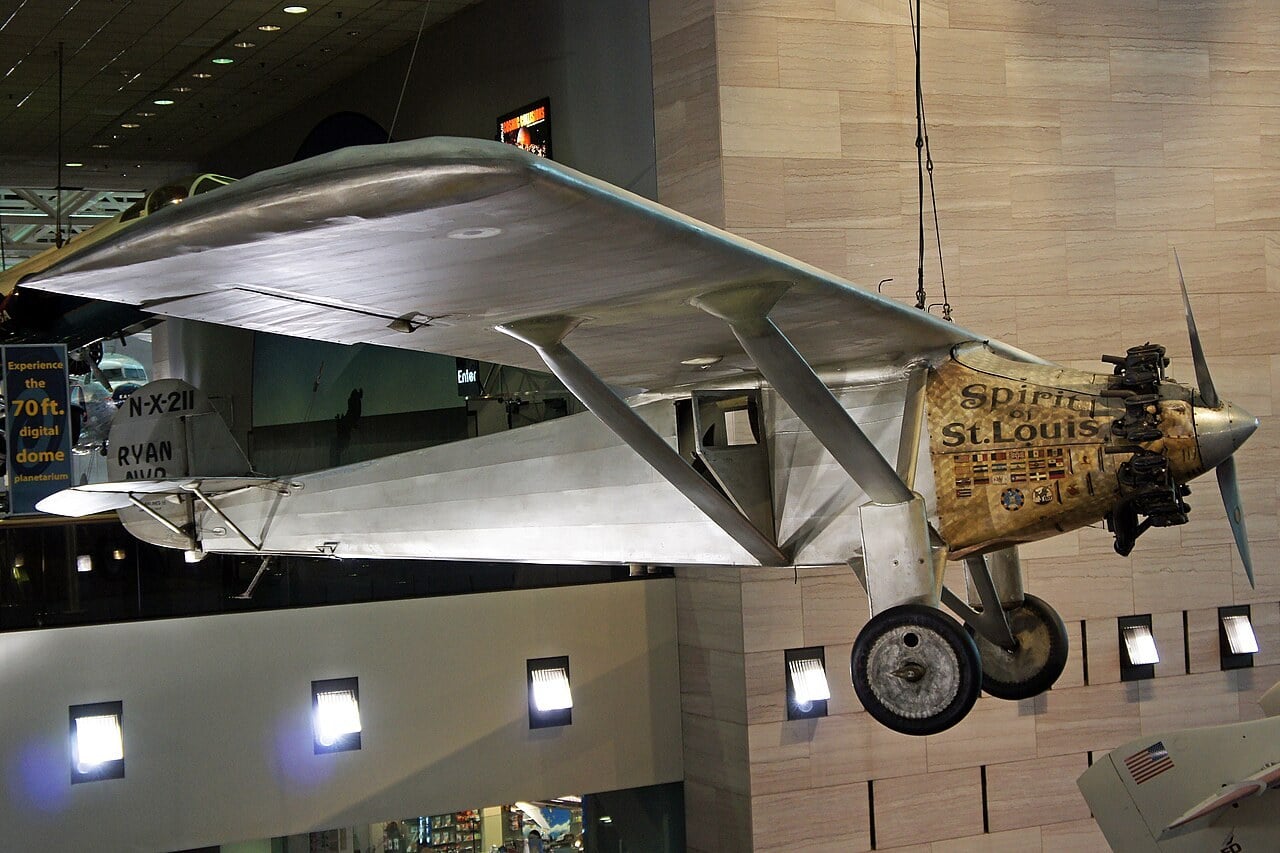
Some aircraft still carry a second letter after the N. Until the end of 1948, US registrations included an airworthiness category: C for standard, R for restricted, X for experimental and later L for limited. Charles Lindbergh’s Ryan NYP, the Spirit of St. Louis, was registered N-X-211, the X marking it as experimental.
The Flying Mechanic on the history of US aircraft registration numbers.
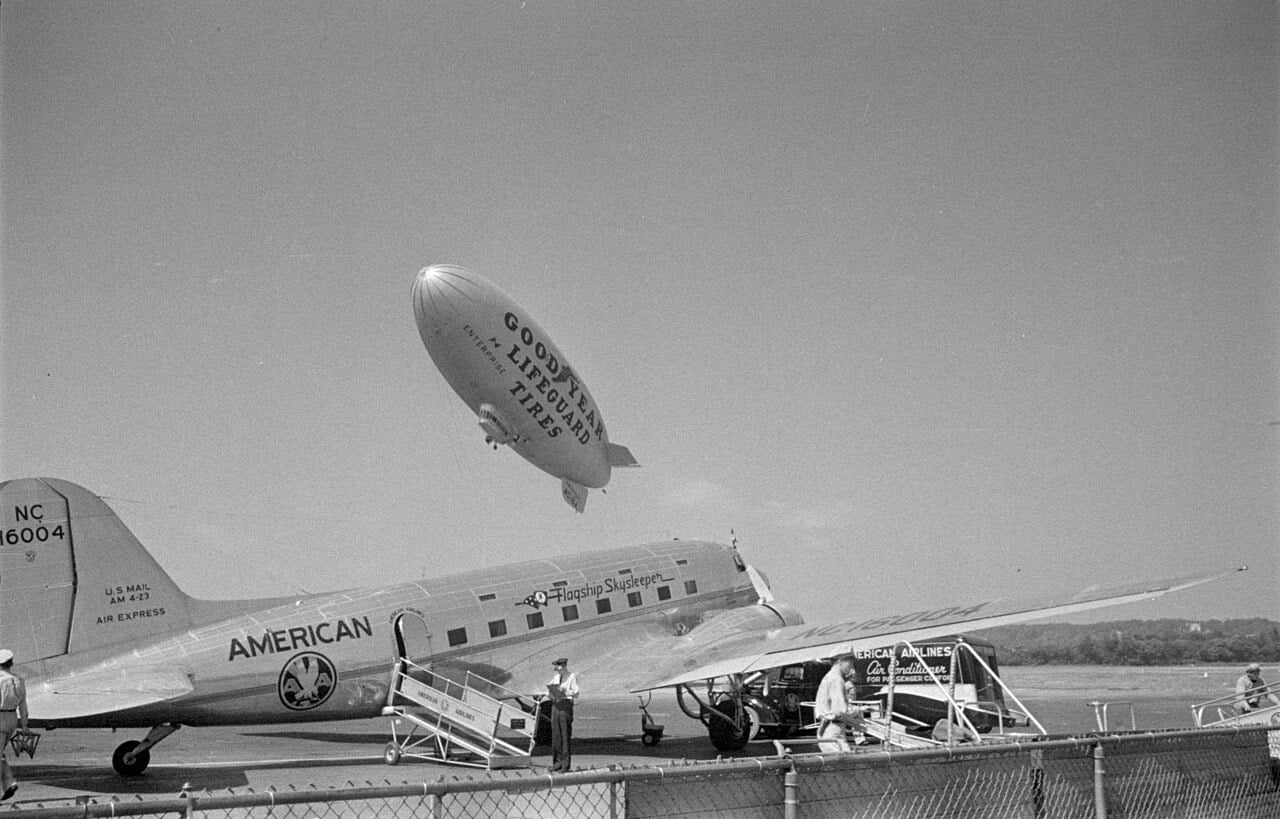
The FAA no longer issues numbers beginning NC, NX, NR or NL. Restored antiques may still display them under 14 CFR 45.22, but the letter is decoration rather than part of the registration: to the Registry, NC16004 and N16004 are the same thing.
Which leaves the modern N-number as one of the cheapest pieces of personal branding in aviation. Ten dollars buys the letters, ten dollars a year keeps them, and a single signed letter can hand them on. What no amount of money can do is bring a cancelled number back early: that one waits five years.
Sources: FAA Aircraft Registration (N-Numbers, Special N-Numbers, Forming an N-Number, Aircraft N-Number History, Register an Aircraft), FAA Registry N-Number Reservation, eCFR 14 CFR Part 47, Wikipedia (Aircraft registration; Spirit of St. Louis; Shuttle Carrier Aircraft)


0 Comments