
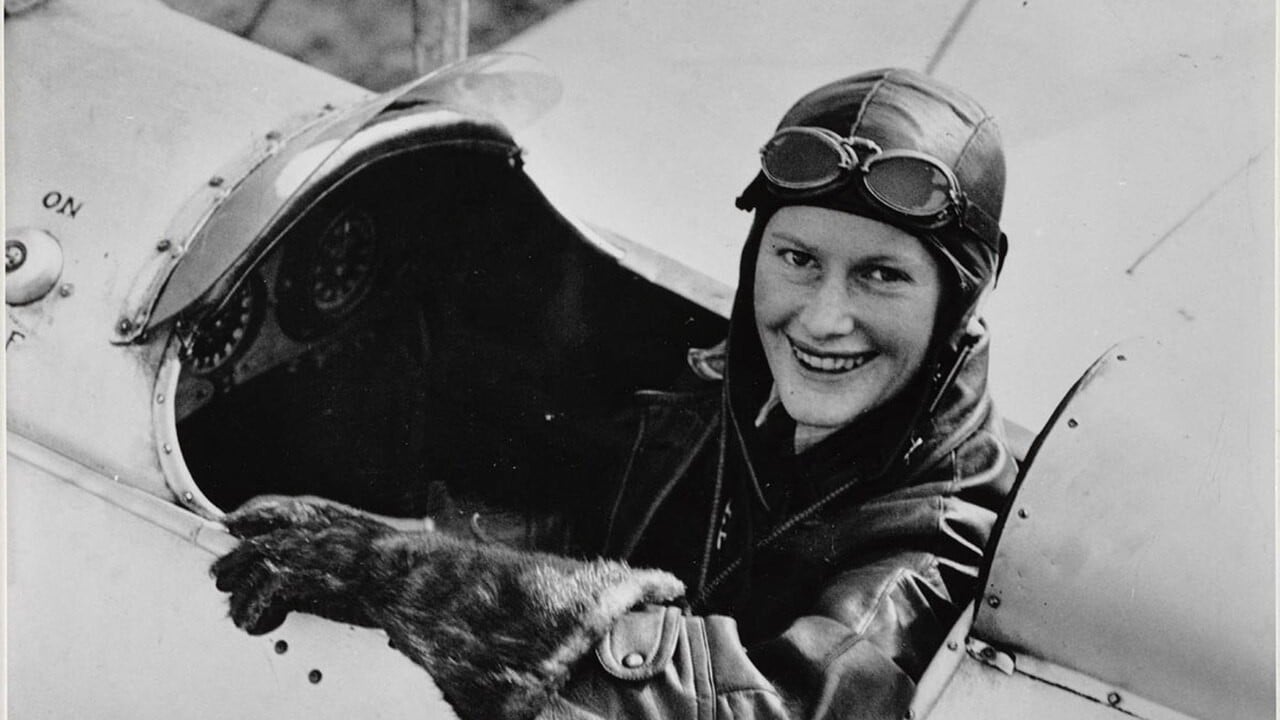
The grazier walked out to meet the little biplane that had just landed on his property, somewhere in the Australian outback. Out of the cockpit climbed a slight young pilot in leathers and goggles. His astonished reaction became, half a century later, the title of her autobiography: My God! It’s a Woman.
Nancy Bird Walton heard some version of that sentence for most of her life. In the 1930s she became the first woman in Australia to earn a commercial pilot’s licence, flew an air ambulance across the outback with road maps and fence lines for navigation, and later founded the Australian Women Pilots’ Association. Today Sydney’s newest airport carries her name.
Kurzinfo
- Geboren: 16 October 1915, Kew, New South Wales
- Trained: 1933, Kingsford Smith’s flying school at Mascot
- Commercial licence: 1935; the first woman in Australia to hold one (Australian Museum, NSW Government)
- Outback flying: Pilot of the Far West Children’s Health Scheme air ambulance from 1935, based at Bourke
- Gegründet: Australian Women Pilots’ Association, 1950
- Auszeichnungen: OBE 1966, AO 1990
- Named after her: Qantas’ first A380, VH-OQA (2008); Western Sydney International (Nancy-Bird Walton) Airport
- Gestorben: 13 January 2009, Sydney, aged 93
A bird who wanted wings
She was born Nancy Bird on 16 October 1915 in Kew, a small town near Taree on the New South Wales coast. Flying caught her early. As a small child she watched an aeroplane land on Dee Why Beach in Sydney, and she never forgot it.
She left school in her early teens to help in her father’s general store. At 13 she spent a week’s wages on a joyflight at an air pageant and talked the pilot into some aerobatics. From then on, she later said, flying was the ruling passion of her life.
In 1933 she went to Sydney and enrolled at the new flying school that Charles Kingsford Smith, who had made the first flight across the Pacific, had opened at Mascot. She was among his first students and qualified quickly, but she was too young to carry passengers. According to the Australian Museum, she had to wait until she was 19. In 1935 she received her commercial licence.
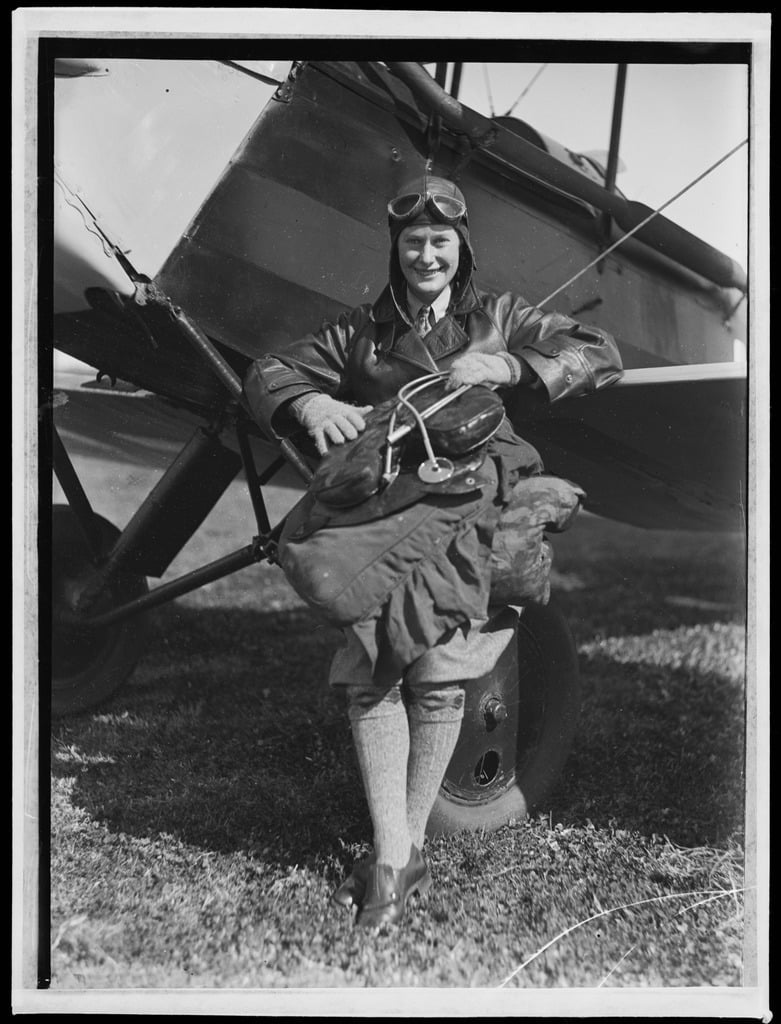
Australia already had women pilots. Millicent Bryant had been the first to qualify. But most women flew for sport and pleasure. Nancy Bird wanted to fly for a living, and the commercial licence made her, according to both the Australian Museum and the New South Wales Government’s blue plaque in her honour, the first woman in Australia to hold one.
Barnstorming, then the outback
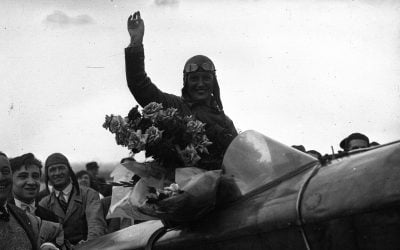
With her own de Havilland Gipsy Moth, she set off with fellow pilot Peggy McKillop on a barnstorming tour of country New South Wales, following the shows and race meetings and selling joyflights to people who had rarely seen an aeroplane, let alone one flown by a woman.
On one of those tours she met the Reverend Stanley Drummond, who wanted to start a flying medical service in the outback. In 1935 she became the pilot of his Far West Children’s Health Scheme, based at Bourke, flying nurses and sick children between remote stations and hospital. There were no aviation charts for that country. She navigated with road maps, telegraph lines and fences, and landed in rough paddocks full of hidden obstacles. She never had an accident.
Not everyone thought she could do it. The National Portrait Gallery notes that fellow aviators, among them John Flynn of the flying doctor service and the navigator P. G. Taylor, doubted a woman could stick at the job. She flew the service for four years. Australians came to call her the Angel of the Outback.
Nancy Bird Walton in interview, recorded by filmmaker Adam Sébire.
Races, Europe and a wedding
In 1936 she entered the Centenary Air Race between Brisbane and Adelaide and won the Ladies’ Trophy, flying, according to the National Portrait Gallery, the fastest time of all competitors on the Melbourne to Adelaide leg.
In 1938 the Dutch airline KLM invited her to Europe to do promotional work and study the airline industry. On the voyage home she met an Englishman, Charles Walton. They married in Sydney in 1939, with John Flynn, the man who had doubted her, conducting the ceremony. Her husband preferred to call her Nancy-Bird, and the hyphenated name stuck.
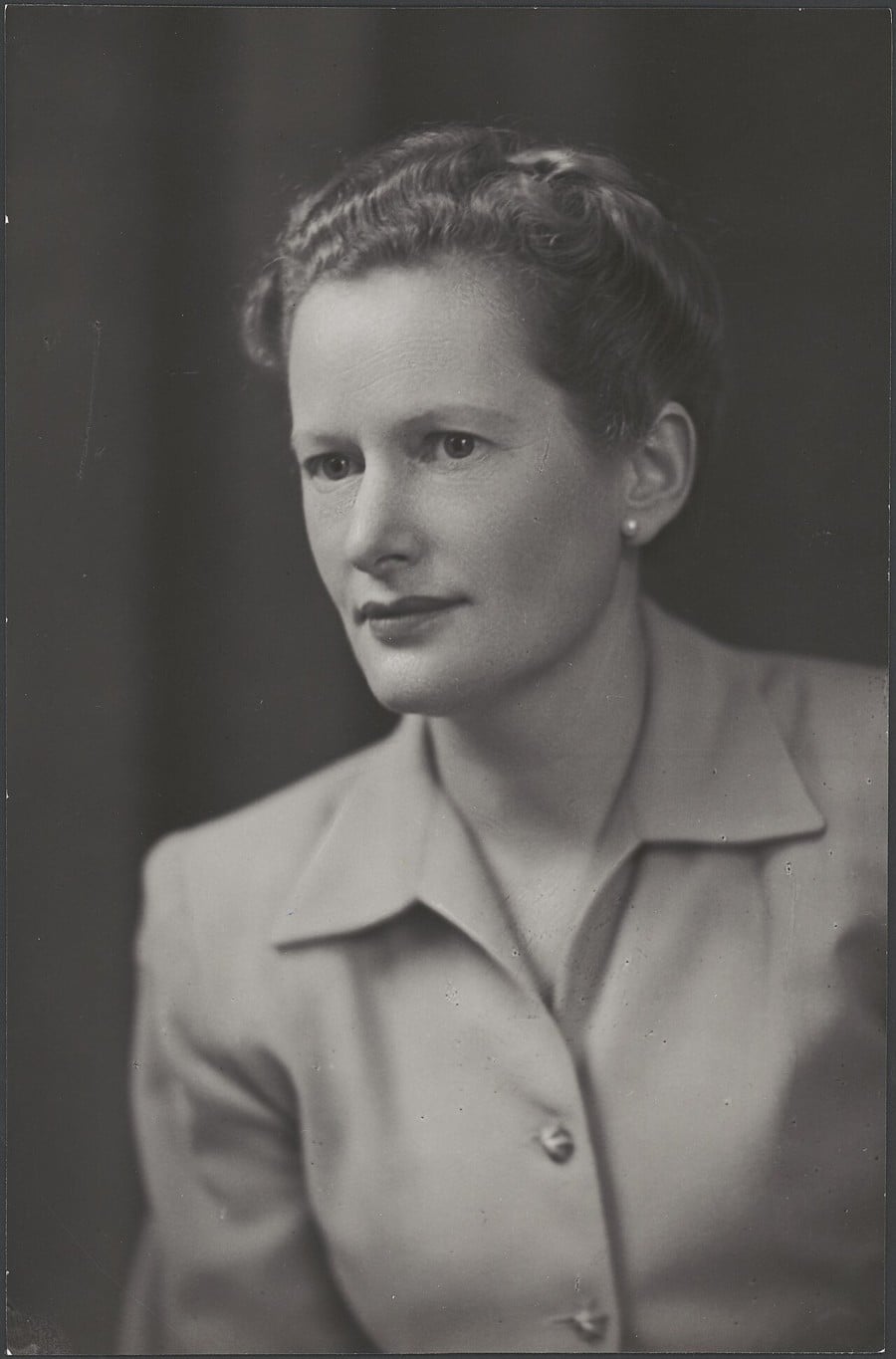
The war that began that year did not open the cockpit to Australian women the way some had hoped. Instead she trained women for support roles as a commandant of the Women’s Air Training Corps, backing up the men of the Königliche Australische Luftwaffe.
The association, and a very long licence
In 1950 she founded the Australian Women Pilots’ Association, which became her life’s cause, encouraging generations of women to ignore the idea that aviation was a man’s career. She went back to air racing too. In 1958, according to the National Portrait Gallery, she became the first woman from outside the United States to enter the All Women’s Transcontinental Air Race, the Powder Puff Derby.
Qantas welcomes home its A380 Nancy-Bird Walton.
She kept her licence into her nineties; the Australian Museum says she handed it back in 2006, at 91. She was appointed an Officer of the Order of the British Empire in 1966 and an Officer of the Order of Australia in 1990, the year she published My God! It’s a Woman. By 1977, the National Portrait Gallery records, she was describing herself as having been “small fry” in aviation.
A superjumbo and an airport
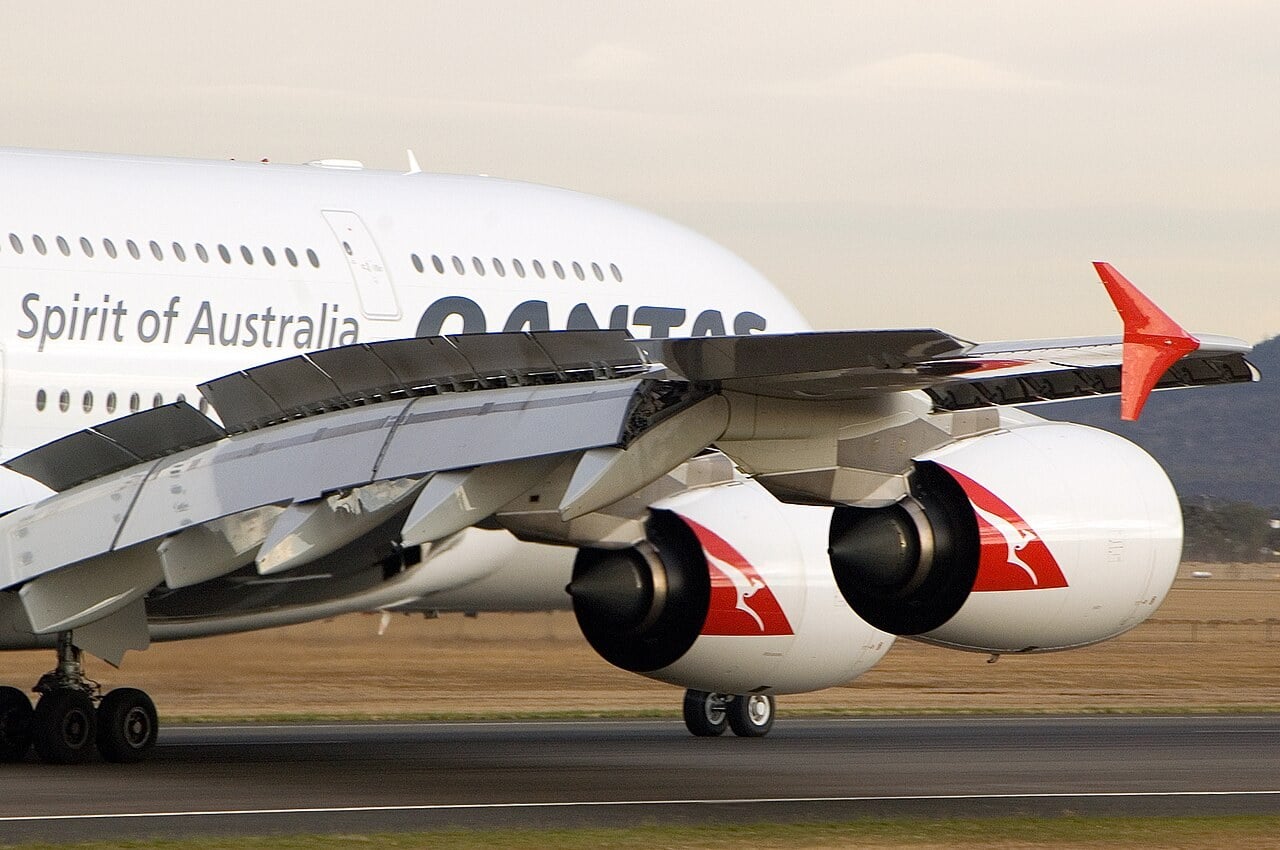
The rest of the world disagreed. When Qantas took delivery of its first Airbus A380 in September 2008, the giant aircraft, VH-OQA, carried her name: Nancy-Bird Walton. The pilot who had started in a fabric-covered Moth lent her name to the biggest airliner in the world. Two years later, flying as QF32, the same aircraft survived an uncontained engine failure after take-off from Singapore.
She died in Sydney on 13 January 2009, aged 93. In 2026, Western Sydney International (Nancy-Bird Walton) Airport opened to its first flights, putting her name on a whole airport.
Nine News Australia reports the naming of the new Western Sydney airport after Nancy Bird Walton.
Somewhere on an outback station, a grazier once looked at an aeroplane and could not believe who had flown it. Every woman who now walks out to a cockpit at the airport named after her proves how wrong he was to be surprised.
Sources: National Portrait Gallery of Australia, Australian Museum, NSW Government Blue Plaques, Museums of History NSW, Australian Aviation
Header photo: State Library of New South Wales / Wikimedia Commons, public domain

0 Comments