
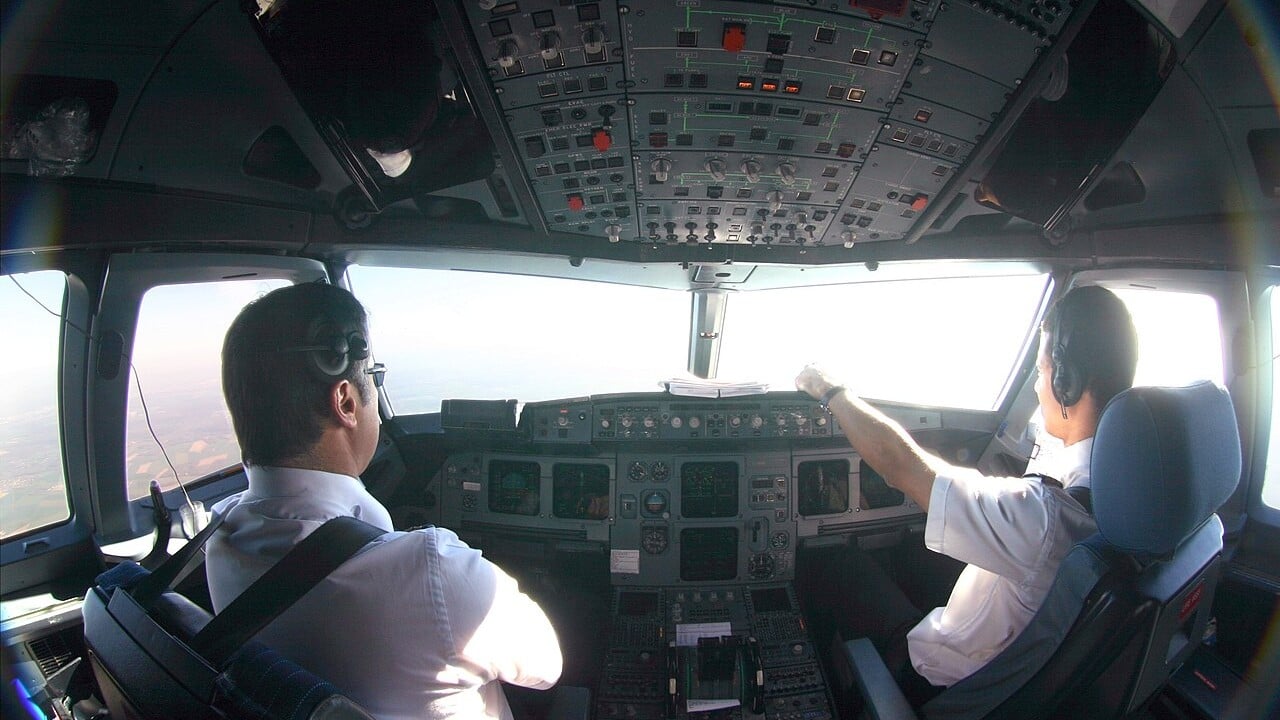
More than three in four European airline pilots say they have nodded off at the controls at least once in the past month. That is the headline finding of a new report published on 26 October 2026 by the European Cockpit Association (ECA), the Brussels-based body that represents more than 44,000 pilots across Europe.
The report, A fatigue survey of European Pilots – 2026, was prepared by the aviation safety consultancy Baines Simmons. The pilot fatigue survey behind it drew answers from 7,198 pilots in 32 European countries between 4 August and 7 September 2026, at the height of the summer flying season. Its most uncomfortable conclusion is not any single number. It is that, compared with the ECA’s previous survey in 2023, none of the survey dimensions showed any significant improvement.
Kurzinfo
- Report: A fatigue survey of European Pilots – 2026, by Baines Simmons for the ECA
- Veröffentlicht: 26 October 2026
- Respondents: 7,198 pilots in 32 European countries
- Survey period: 4 August – 7 September 2026
- Microsleeps: 76.8% had at least one in the past four weeks; 24.7% had five or more
- Fly fatigued: 24.2% usually do not report and fly anyway
- Commander’s discretion: 38.3% used it at least once in four weeks; 69.1% concerned about refusing
- Trend: No significant improvement since the 2023 survey
The numbers in the cockpit
According to the ECA, 76.8% of pilots experienced at least one microsleep while operating an aircraft in the previous four weeks, and 24.7% reported five or more. Asked what they usually do when they are too fatigued to fly, only 37.2% said they report themselves unfit. Another 24.2% said they do not report it and fly anyway, and 16.8% said they call in sick instead, as both The Guardian and aeroTELEGRAPH reported from the survey data.
Rest is a recurring theme. In all, 38.8% of respondents said they usually or always lacked enough rest to prevent fatigue building up over time, and 52% said that, with hindsight, they had flown at least once in the previous three months when they should have reported unfit. Only 11.9% said they trust their airline’s fatigue reporting system.
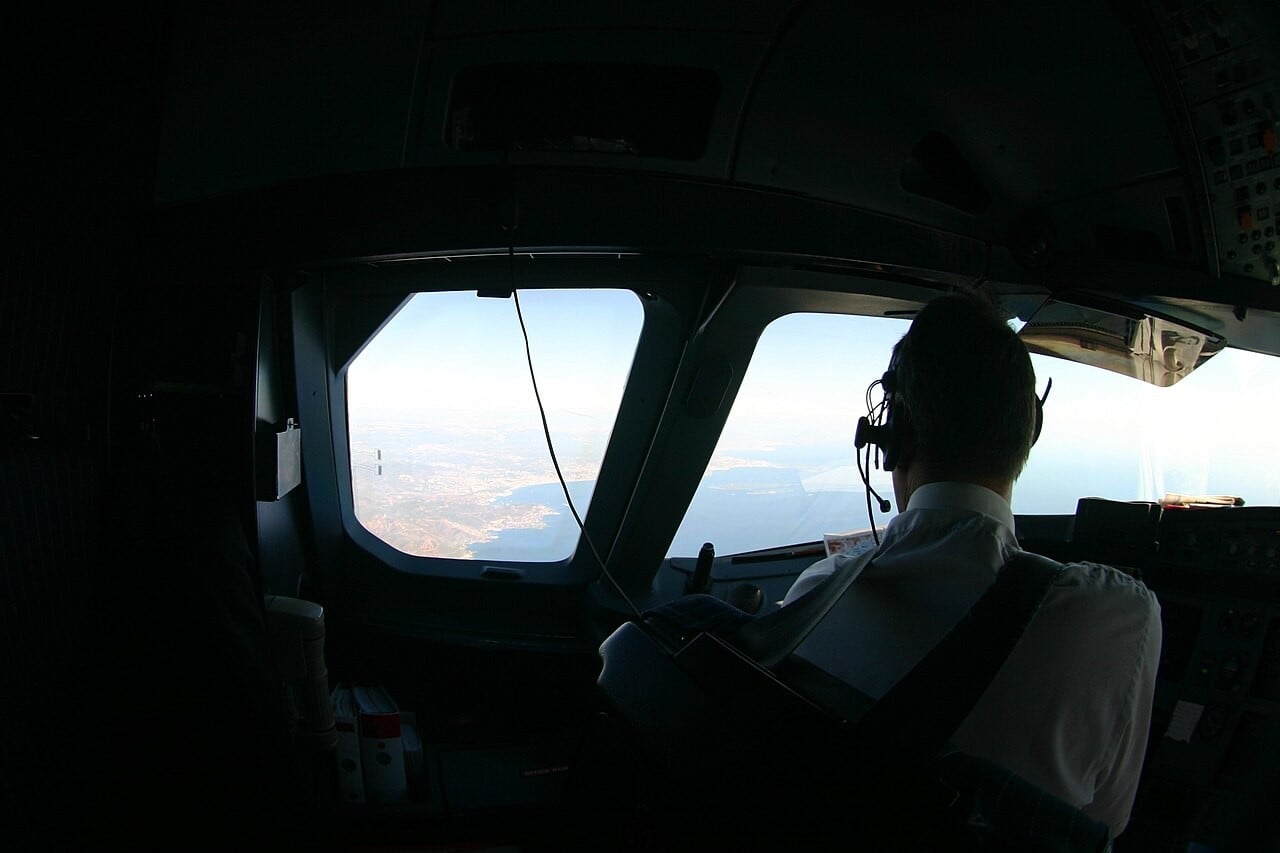
The survey measures what pilots say they experience, not accident risk directly, a point Baines Simmons stresses. But the pattern is consistent. The ECA’s 2023 survey, which aeroTELEGRAPH reported at the time as covering 6,893 pilots in 31 countries, also found that about three in four pilots had experienced a microsleep.
What a microsleep actually is
A microsleep is a brief, involuntary episode of sleep, often lasting just a few seconds, in which a person stops responding to what is around them. It can happen with the eyes open. The dangerous part is that people often do not notice it: they believe they were awake the whole time, or that they only lost focus for a moment.
That makes it very different from controlled rest, a planned nap that European rules allow one pilot to take in the seat when workload permits, with the other pilot fully in charge. EASA guidance says such a rest period should not be longer than 45 minutes. A microsleep is the opposite: unplanned, unannounced, and often unnoticed by the pilot it happens to.
A 2013 European Parliament report on the fierce debate over the EU’s proposed duty-time rules for pilots, which became today’s EASA flight time limitations.
How Europe limits pilot duty
European airline crews fly under EASA’s flight time limitation (FTL) rules. In simple terms, they cap a pilot’s daily flight duty period at a basic maximum of 13 hours, shorter for duties that start at unfavourable times or include more sectors. Total flying is capped at 100 hours in any 28 consecutive days and 900 hours in a calendar year. Before a duty at home base, rest must be at least as long as the preceding duty, or 12 hours, whichever is greater.
On top of the fixed limits, airlines must manage fatigue actively: identify it, monitor it and act on fatigue reports. Some operators go further with a formal fatigue risk management (FRM) system, which uses data and crew reports to adjust rosters. For that to work, pilots have to feel safe saying “I am too tired to fly.” That is exactly where the survey points to a problem.
Commander’s discretion and the fear factor
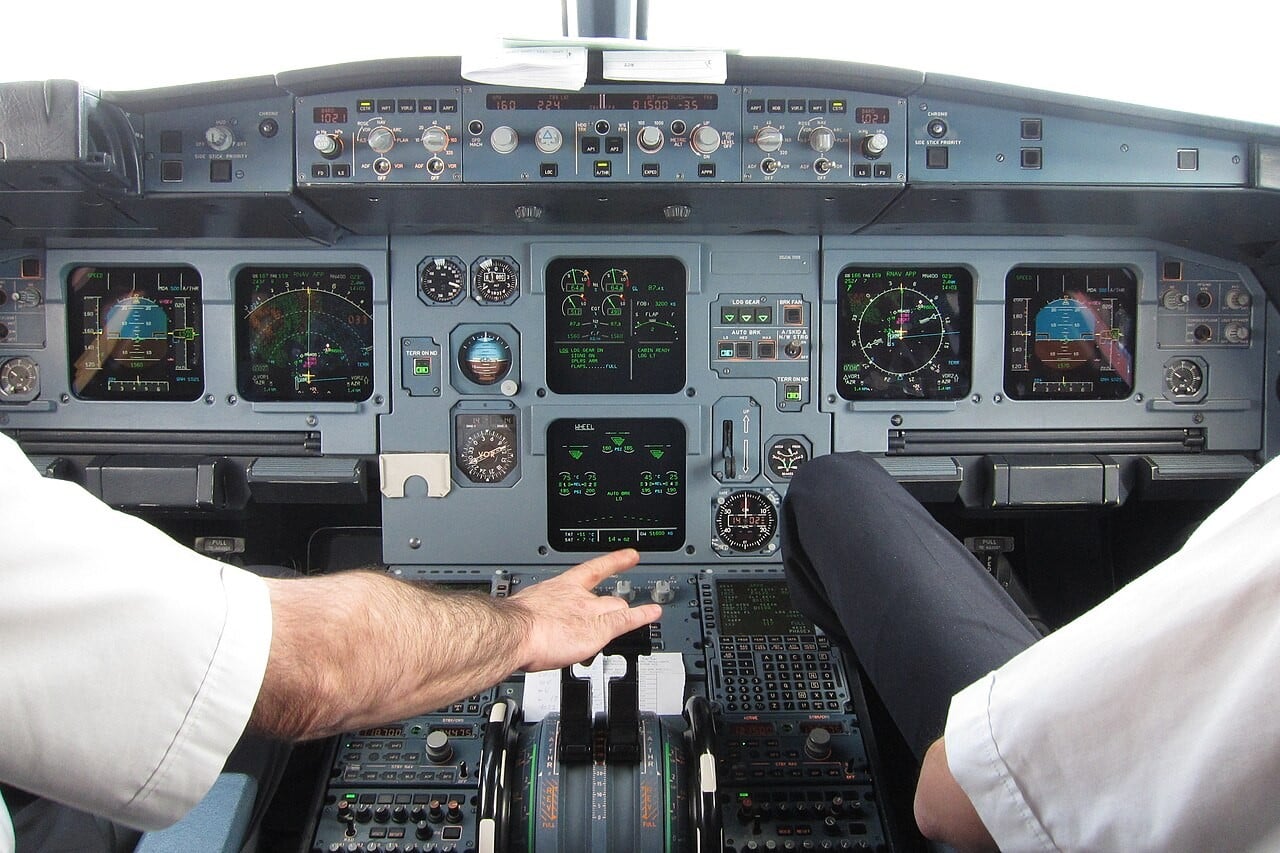
The rules also let the captain extend a flight duty in unforeseen circumstances, normally by up to two hours. This is called commander’s discretion, and it is meant for exceptions like a bad-weather delay. According to the ECA, 38.3% of pilots used it at least once in the previous four weeks, and 69.1% expressed some concern about negative consequences if they refused an extension, up from 65.8% in 2023.
The differences between countries and business models are stark. The ECA says pilots at airlines holding their operating certificate in Ireland and Malta consistently ranked among the bottom two or three, while Finland and the Netherlands ranked well above the rest. Pilots at low-cost and ACMI (wet-lease) operators reported the most negative experiences. The report does not name or assess any individual airline.
The timing matters. EASA is finalising its Best Intervention Strategy on Aircrew Fatigue, and the ECA notes that EASA’s own recent “Article 89” report found fatigue present in almost 60% of safety-precursor occurrences in 2024. The pilots’ union wants stronger rules, genuinely non-punitive reporting and tighter oversight by national authorities.
Portuguese pilots’ association APPLA’s campaign video (in Portuguese), in which seven captains urged colleagues to take part in the ECA’s summer 2026 fatigue survey.
The survey is a picture taken by pilots of their own working lives, not an accident statistic. But it is a large picture, 7,198 pilots strong, and it looks almost exactly like the one taken three years ago. The next move belongs to EASA and the airlines.
Sources: European Cockpit Association (press release and briefing note, 26 October 2026), The Guardian, aeroTELEGRAPH, EASA, Wikipedia (Microsleep)
0 Comments