
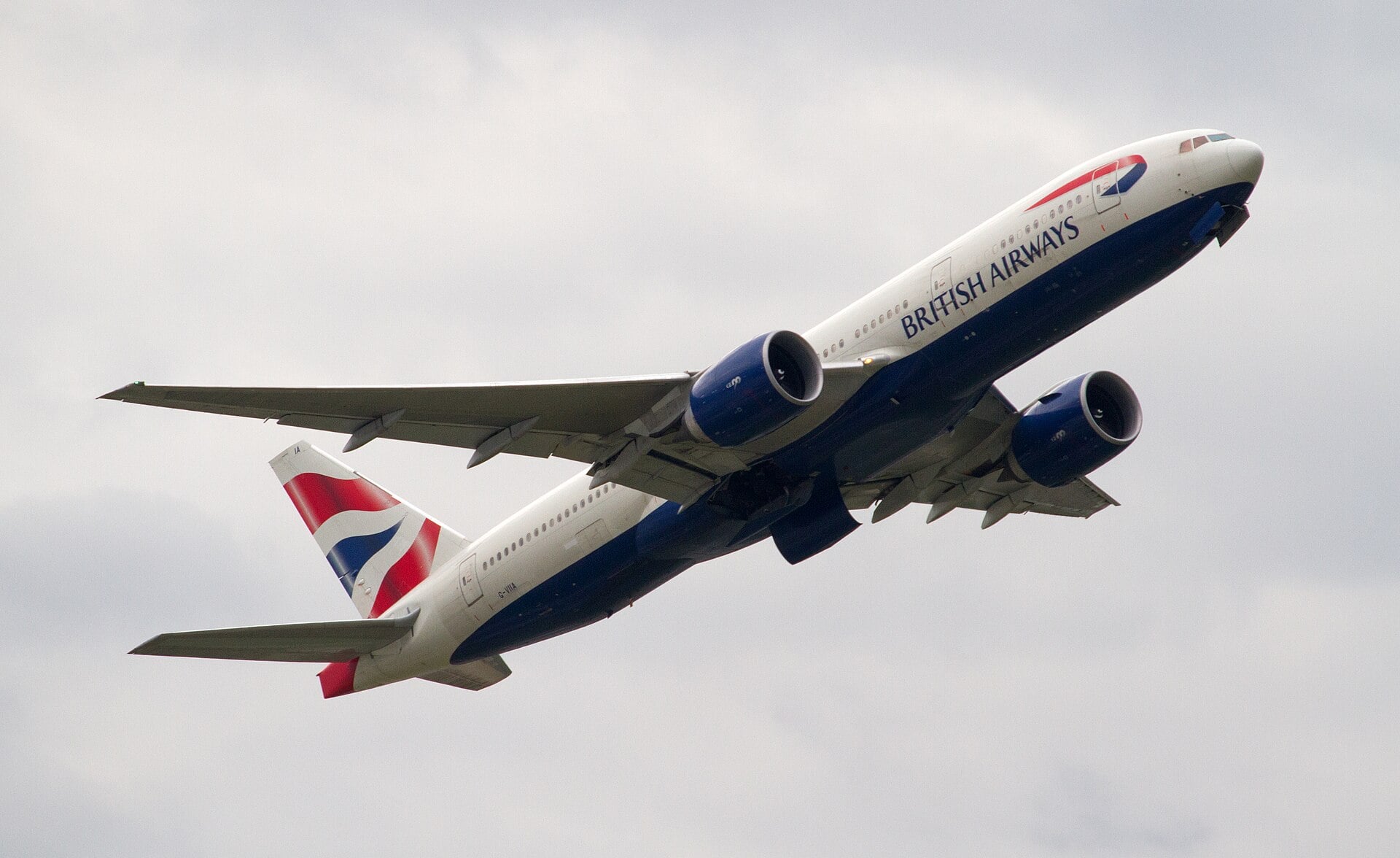
About half an hour after leaving Heathrow on Monday, 5 October 2026, British Airways flight BA295 to Chicago was cruising at around 36,000 feet over the Irish Sea when the oxygen masks dropped. Minutes later the Boeing 777 was at 9,000 feet, squawking 7700 and turning back towards London.
Flight-tracking data showed a descent of roughly 27,000 feet in about seven minutes, an average of close to 4,000 feet per minute. To the passengers it felt like a plunge. To the pilots, it was a textbook emergency descent.
Datos rápidos
- Vuelo: BA295, London Heathrow to Chicago O’Hare
- Fecha: 5 October 2026
- Aeronave: Boeing 777-200ER, reported as G-VIIA
- Descenso: From about 36,000 ft to 9,000 ft in roughly seven minutes
- Ubicación: Over the Irish Sea, south of Dublin
- Resultado: Returned to Heathrow, landed safely, no injuries reported
What Happened on BA295
BA295 left Heathrow around midday. According to AeroTime, the crew dealt with a suspected loss of cabin pressure about 40 nautical miles south of Dublin, deployed the passenger oxygen masks and began an emergency descent, levelling off at 9,000 feet. British Airways itself has only described the cause as a technical issue and has not given more detail.
The crew set the transponder to 7700, the universal code for a general emergency, and turned back to London. Rather than land heavy with fuel for a transatlantic crossing, the 777 then spent several hours circling over the Bristol Channel and southwest England, dumping and burning fuel, before landing safely at Heathrow at around 5 pm.
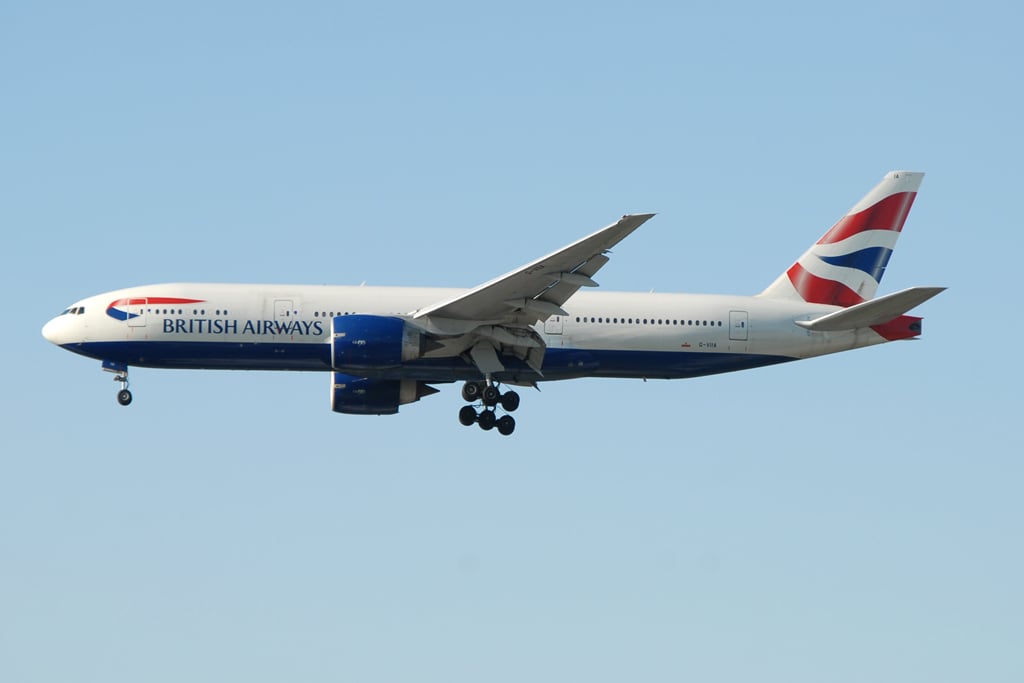
Why Pilots Dive When the Cabin Loses Pressure
At 36,000 feet the air outside holds far too little oxygen to keep a person conscious for long. Aviation medicine puts the time of useful consciousness at that height at well under a minute, which is why the masks drop automatically when cabin altitude climbs too high.
The passenger masks are fed by chemical oxygen generators that only last a limited time. So the pilots, on their own oxygen, point the nose down, pull the throttles back and extend the speed brakes to get the aircraft to an altitude where people can breathe unaided, typically 10,000 feet or below, as quickly as is safely possible. That is exactly the profile BA295 flew. Dramatic on a flight tracker, routine in the simulator.
¿Qué sigue?
No injuries were reported, and passengers were rebooked on later flights. The aircraft will be inspected before returning to service, and the UK's Air Accidents Investigation Branch may decide whether to examine the event further. Until British Airways or investigators say more, the exact technical cause remains unknown.
ET Now covered the incident:
Sources: AeroTime, AirlineGeeks, Aviation A2Z
Preguntas frecuentes
What happened to British Airways flight BA295?
Why did BA295 descend so quickly?
Was anyone injured on British Airways flight BA295?
What aircraft was BA295?
Why did BA295 circle before landing at Heathrow?
¿Qué significa el código 7700?
Publicaciones relacionadas
Un fallo en un sensor anuló la protección antibloqueo de un A320.
0 Comments