
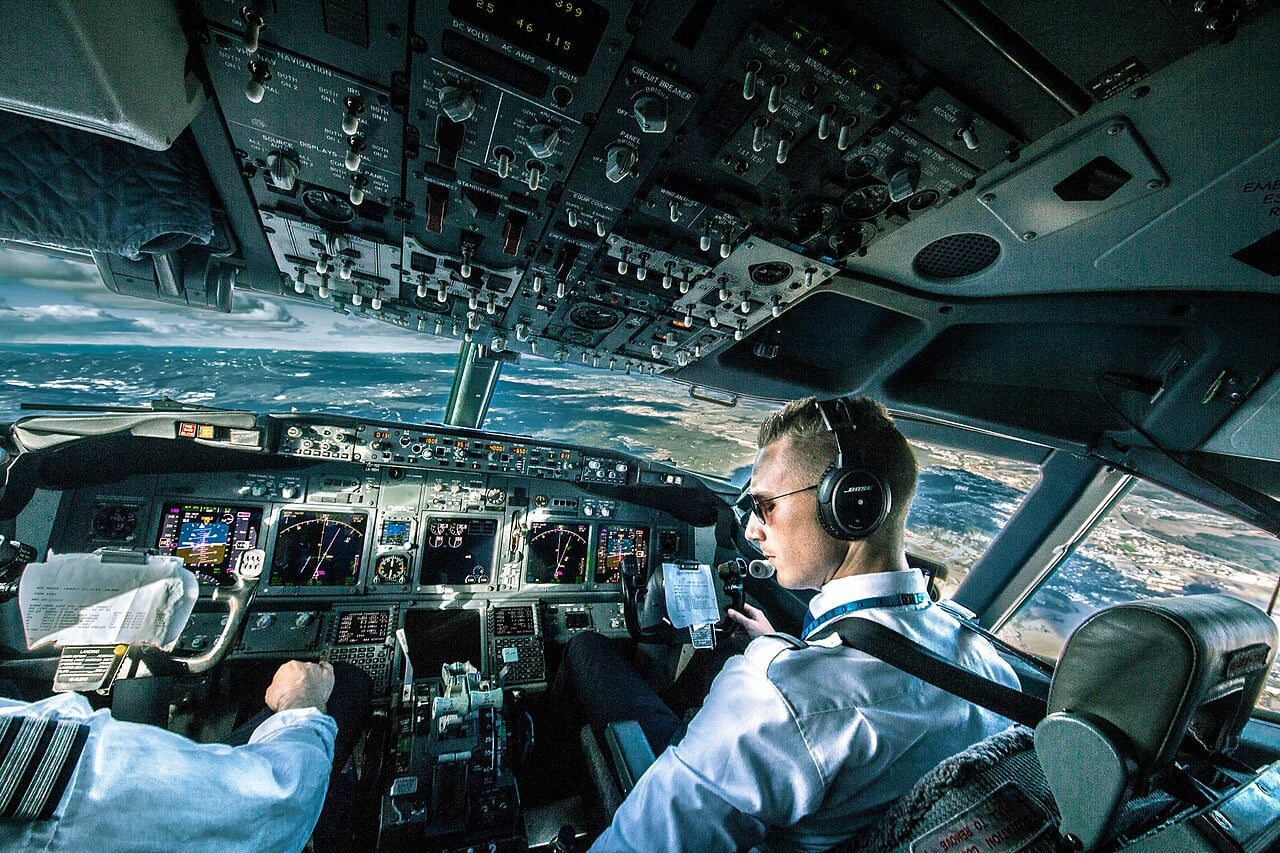
Air traffic controllers spend their whole careers talking to cockpits they almost never get to sit in. That is about to change again. On Wednesday, 14 October, the FAA announced that it is bringing back its Flight Deck Training program, which lets controllers ride along on airline, general aviation and military flights to see their own instructions land on the other end of the radio.
The program was paused when the COVID-19 pandemic began. It returns with a fresh rulebook, the backing of the controllers’ union, and the agreement of every major US airline. The FAA expects formal operations to start after Thanksgiving.
Datos rápidos
- Anunciado: 14 October 2026 by the FAA
- Programa: Flight Deck Training, paused at the start of the COVID-19 pandemic
- Developed with: National Air Traffic Controllers Association (NATCA)
- Allowance: Two commercial or general aviation flights and one military flight per controller per year
- Airlines: All major US airlines have agreed to participate
- Start: Formal program expected after Thanksgiving 2026
- Related bill: FLIGHT DECK Act, introduced in the House on 4 September 2026
How the Program Works
Controllers apply electronically for a specific flight and name a training objective, such as seeing how a crew handles a complex arrival or a late runway change. Each request needs internal FAA approval first: the controller’s air traffic manager weighs staffing and facility needs before signing off. The FAA then sends the request to the airline.
On the day, controllers go through several stages of vetting, both at the airport and at the aircraft. After the flight they must write a report on what they learned. Each controller can take up to two commercial or general aviation flights and one military flight a year.
The FAA says early testing has already shown what the program can teach. Controllers learned when it is better to hold off on a complicated clearance, and how much extra work a change of landing runway creates for a crew that has already briefed its approach.
Why Controllers Want It Back
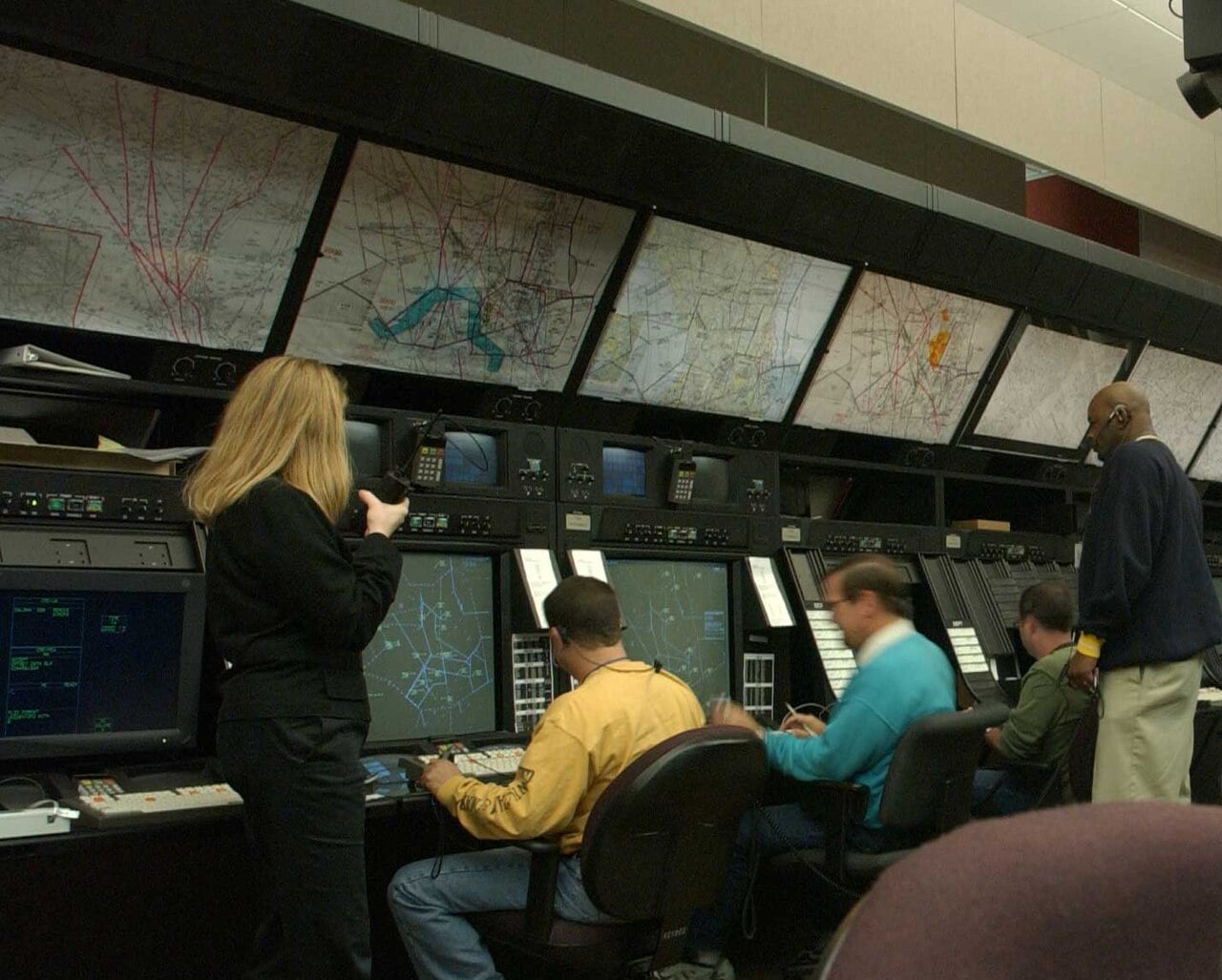
The idea is simple. Pilots and controllers work as a team every day, but they rarely see each other’s workplace. A controller who has watched two pilots juggle checklists, radio calls and a last-minute runway change during a busy descent tends to think twice before adding one more instruction at the worst moment.
Pressure for the return had been building in Washington too. On 4 September, Representatives Rob Bresnahan, Nellie Pou and Hillary Scholten introduced the bipartisan FLIGHT DECK Act, which would make a cockpit observation program for controllers permanent. The FAA’s move does not need the bill, but the bill would make it harder to drop the program again.
Better Phraseology, Fewer Surprises
Clear communication is the backbone of air traffic control. The FAA already publishes a “From the Flight Deck” video series on its YouTube channel. Its episode on phraseology is a good illustration of why seeing the other side matters:
The FAA’s “From the Flight Deck” episode on standard phraseology between pilots and controllers.
As FAA Administrator Bryan Bedford put it in the announcement, communication is key, and this program will give controllers and pilots an up-close view of each other’s work. If the FAA’s timeline holds, the first controllers will be back on the jumpseat soon after Thanksgiving.
Sources: Federal Aviation Administration; AVweb; FLYING; Office of Rep. Rob Bresnahan
0 Comments