
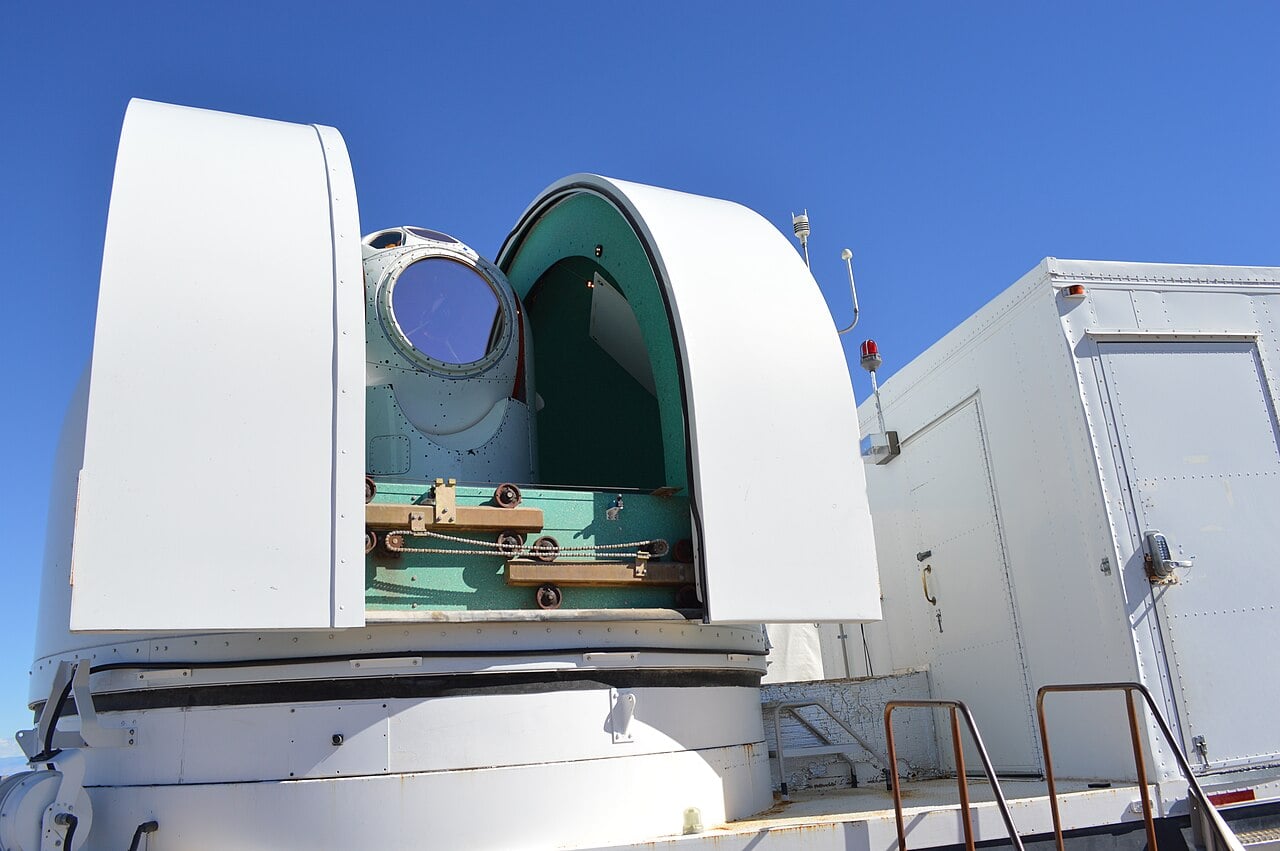
Presidents usually announce military bases with a press release and a map. Donald Trump announced this one from a rally stage. Speaking at the Majestic Valley Arena in Kalispell, Montana, on Wednesday evening, 14 October, he told the crowd that the Pentagon would build a brand-new weapons test complex in the state.
He called it a “super range”. It would test potential autonomous weapons, space and electronic warfare technology, supersonics and hypersonics. What he did not give was a location, a budget or a timeline, and the Pentagon has so far said nothing more.
Datos rápidos
- Anunciado: 14 October 2026, at a rally in Kalispell, Montana
- Anunciado por: Presidente Donald Trump
- Objetivo: Testing autonomous weapons, space and electronic warfare technology, supersonic and hypersonic systems
- Ubicación: Somewhere in Montana; no site named
- Cost and timeline: Not announced
- Congress: The Senate Armed Services Committee’s FY2027 NDAA includes $10 million for a feasibility study (Sen. Tim Sheehy)
What Was Actually Announced
The announcement came in a single passage of a campaign-style speech for Montana Republican candidates. The White House rapid response account posted the clip within hours:
Trump credited Montana’s senators, Tim Sheehy and Steve Daines, with repeatedly lobbying for the project. On Thursday, Sheehy’s office pointed out that the 2027 National Defense Authorization Act, which has passed the Senate Armed Services Committee but not yet a full Senate vote, includes $10 million for a feasibility study of an advanced test range in Montana. Sheehy said the US must “adapt and expand our development infrastructure to the realities of modern warfare.”
When TWZ asked for details, the Pentagon referred questions to the White House, which referred them back to the Pentagon. Montana’s Democratic Party chair, Bruce Knutson, criticised the announcement for leaving out the location, the cost and the effect on communities and public lands.
Why the Pentagon Is Running Out of Room
Behind the rally rhetoric sits a real problem. Modern weapons need enormous amounts of sky. A hypersonic missile covers hundreds of kilometres in minutes, long-range air-to-air missiles reach far beyond the borders of many existing ranges, and electronic warfare tests interfere with civilian radio traffic. The Pentagon’s own test and evaluation office has warned that threat systems and US capabilities now “far exceed the current available air space on the open-air ranges.”
According to TWZ, electronic warfare testing at White Sands Missile Range in New Mexico is already bottlenecked, and US hypersonic testing has relied heavily on sea ranges supported by an ageing fleet of ships. Some hypersonic testing has even moved to Australia. Overland options in Alaska and at White Sands are being studied.
Montana’s Head Start
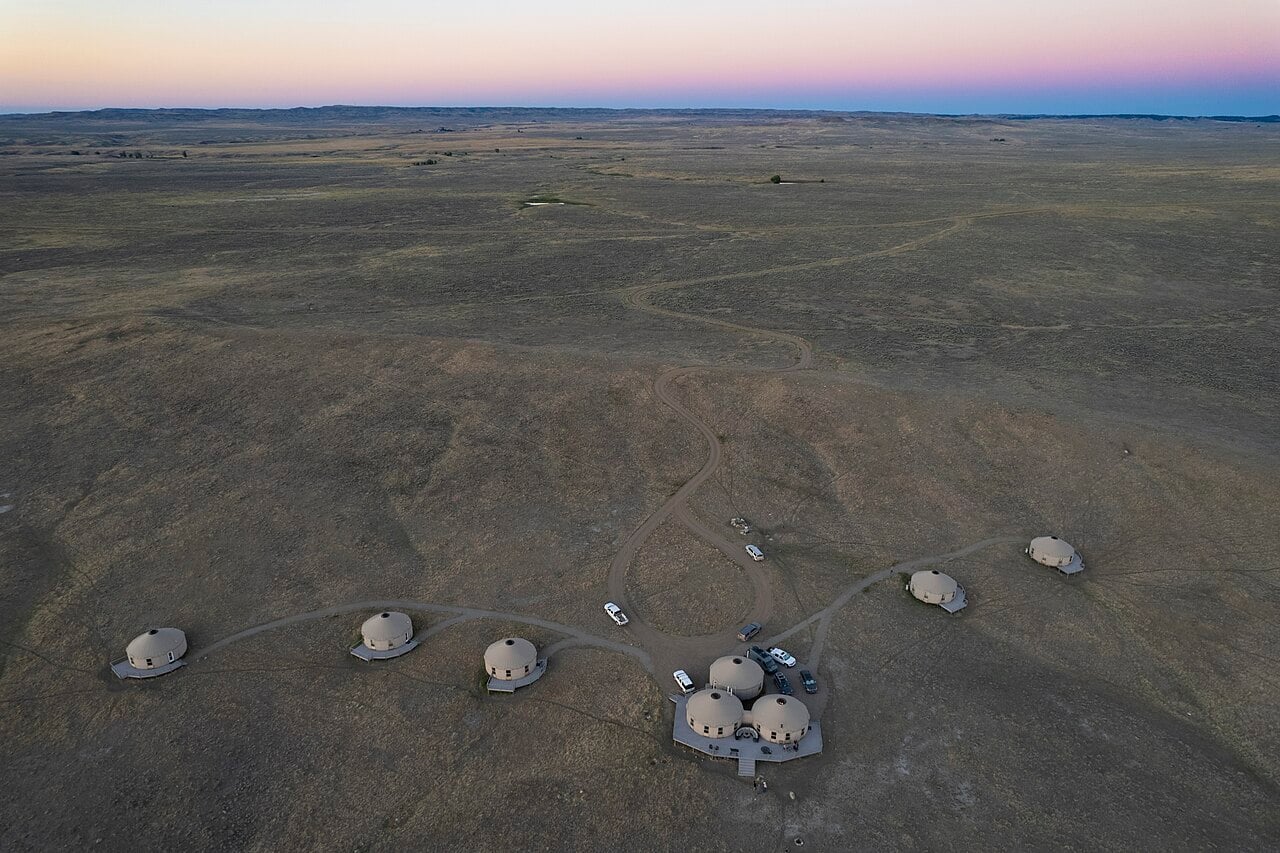
Montana already has some test infrastructure to build on. TWZ lists the Montana Spaceport and Test Range, the Limestone Hills Innovation and Test Campus, and the Big Sky Autonomous Systems Range near Bozeman. The state is also home to Malmstrom Air Force Base and its vast Minuteman III missile fields, and to the Hays Military Operations Area, a large block of military training airspace. Whether any of these will be part of the super range is not known.
The timing fits a wider push. On 30 September the Pentagon announced a new four-star Autonomous Warfare Command, and on 13 October the acting Army Secretary unveiled the Army’s Futures and Autonomous Systems Command. Both will need places to test swarms, robotic vehicles and drone-killing weapons at scale. For now, the super range is a promise made on a rally stage. Its first real test will be the feasibility study, and the money to pay for it.
Sources: TWZ; NBC Montana; Newsweek; Daily Montanan; Rapid Response 47 (White House)
0 Comments