
Every pilot learns the phrase in their first few hours of ground school: eight hours bottle to throttle. It sounds simple. It is also only the beginning of the rules, and plenty of pilots who think they know them have been caught out, sometimes in handcuffs at the aircraft door.
Alcohol limits for pilots are among the strictest of any profession, and they differ from country to country. Here is what the rules actually say in the United States, the United Kingdom and Europe, how testing works, and what happens to pilots who get it wrong.
Datos rápidos
- USA (FAA): No flying within 8 hours of drinking, or with an alcohol concentration of 0.04 or more (14 CFR 91.17)
- UK: 20 mg of alcohol per 100 ml of blood, or 9 micrograms per 100 ml of breath (Railways and Transport Safety Act 2003)
- EU (EASA): 0.2 g/l in blood, or 0.1 mg/l in breath, above which a crew member is considered impaired
- EU testing: Random alcohol testing of flight and cabin crew under Regulation (EU) 2018/1042, in force since 14 February 2021
- Bottle to throttle: A minimum, not a guarantee: a pilot can still be over the limit after 8 hours
- Penalties: Removal from duty, licence action, and in the UK a prison sentence
The FAA Rule: Eight Hours and 0.04
In the United States the core rule is Federal Aviation Regulation 91.17. It applies to every crewmember of a civil aircraft, from a private pilot in a Cessna to an airline captain.
Note the word or. Eight hours after a drink, a pilot can still be under the influence or above 0.04, and then they cannot fly. That is why many airlines set their own rules stricter still. According to Aerospace Global News, US testing programmes also treat a breath result between 0.02 and 0.039 as a temporary stand-down from safety-sensitive duty, and airline pilots are subject to random, reasonable-suspicion and post-accident testing.
The UK: a Limit Four Times Lower Than for Driving
The United Kingdom is stricter still. Under the Railways and Transport Safety Act 2003, the prescribed limit for aviation functions is 20 milligrams of alcohol per 100 millilitres of blood, 9 micrograms per 100 millilitres of breath, or 27 milligrams per 100 millilitres of urine. For comparison, the drink-drive limit in England and Wales is 80 milligrams per 100 millilitres of blood.
Being over the limit is a criminal offence. In June 2023, Delta Air Lines captain Lawrence Russell was stopped before a flight from Edinburgh to New York. His blood test showed 49 milligrams per 100 millilitres, well over twice the limit. In March 2024 he was jailed for 10 months.
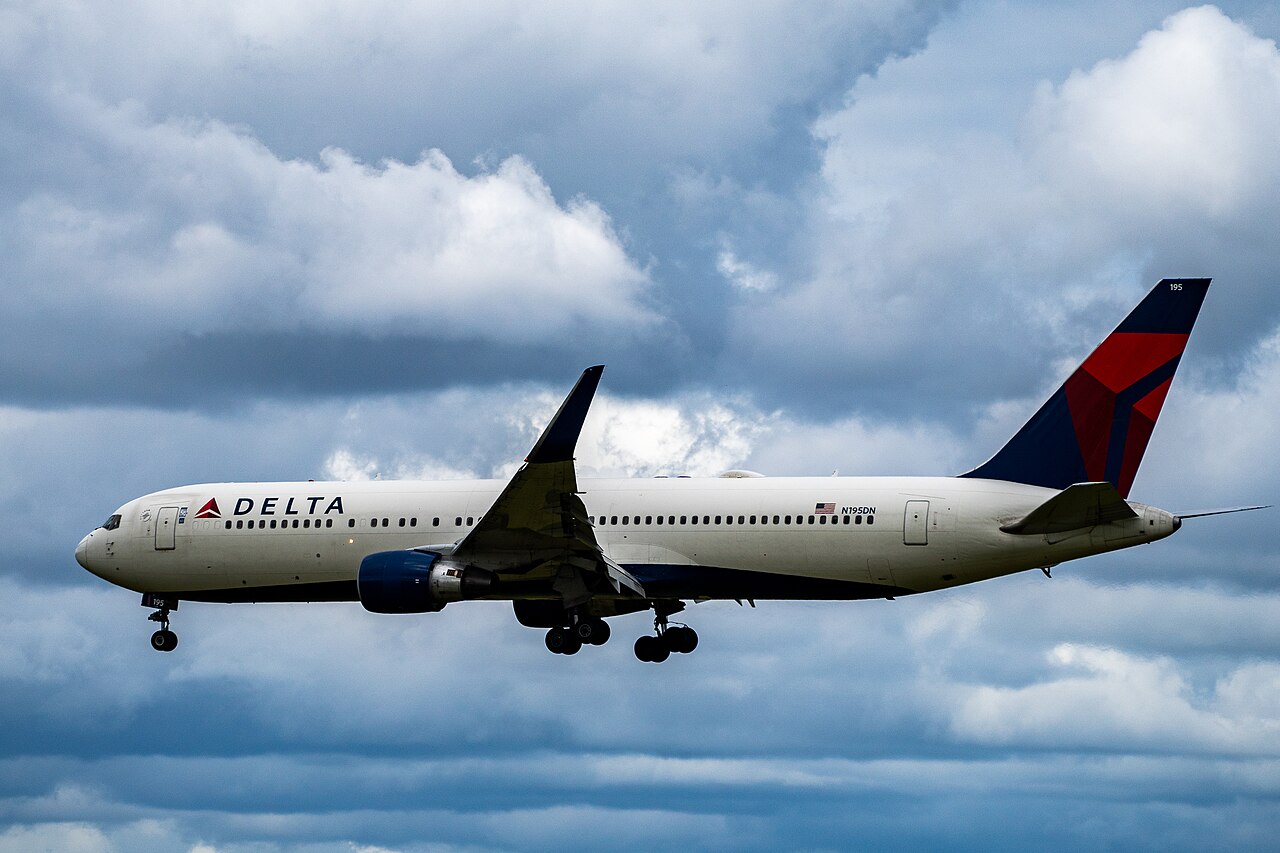
The Delta pilot sentenced to 10 months in Scotland for being over the alcohol limit before a flight. Video: 11Alive
Europe: 0.2 Per Mille and Random Tests
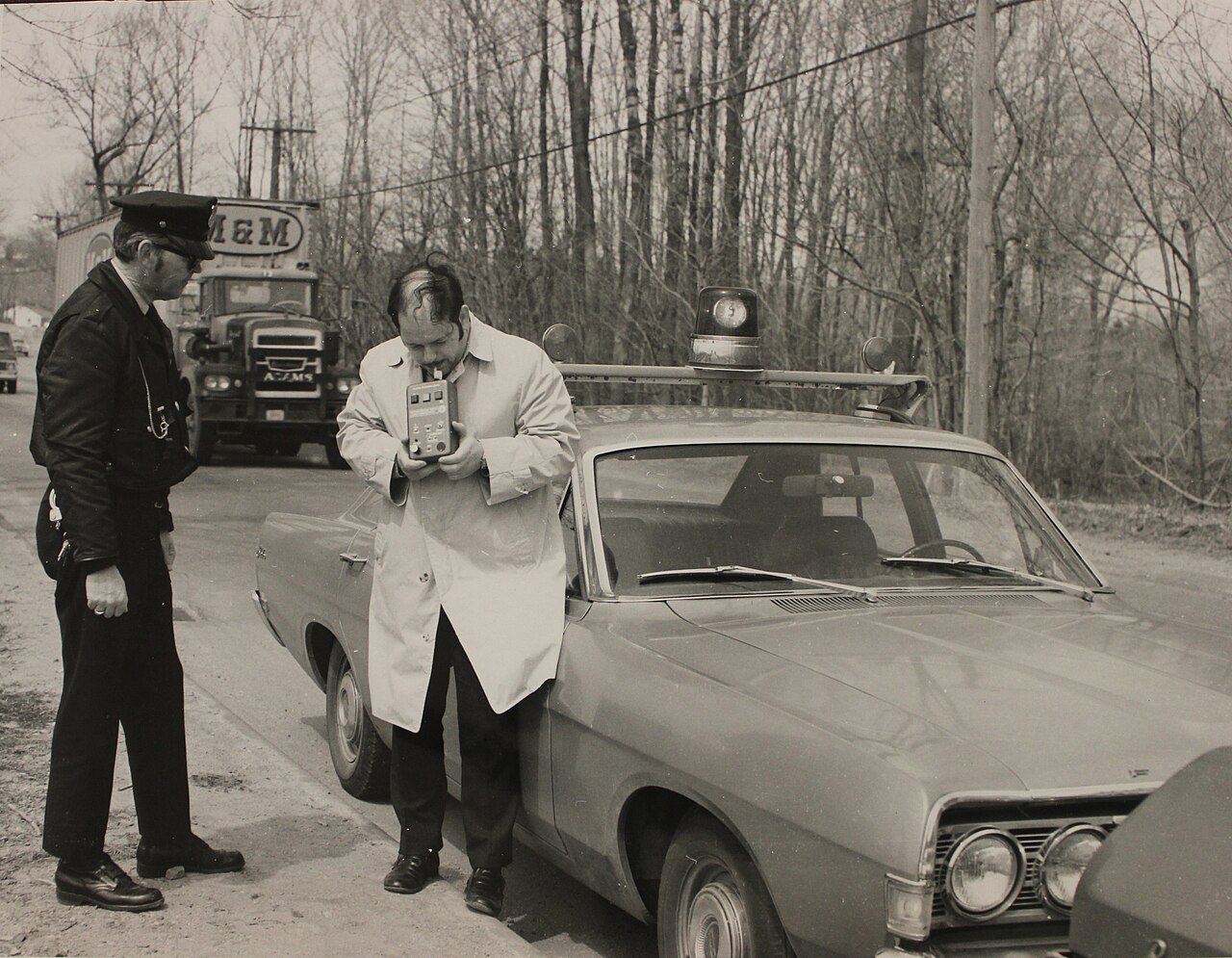
In the European Union, Regulation (EU) 2018/1042 introduced alcohol testing for flight and cabin crew, in force since 14 February 2021. According to Austro Control, Austria's aviation authority, a breath alcohol level above 0.1 milligrams per litre, equivalent to 0.2 grams per litre in blood, means a crew member is considered impaired. National inspectors carry out random tests during ramp inspections.
A positive result, or a refusal to be tested, takes the crew member off duty immediately. The result goes into the EASA ramp inspection database without personal details, other states and the operator are informed, and licensing and administrative penalties can follow. Some countries go further: Italy, according to Aerospace Global News, applies zero tolerance.
Why the Rules Are So Strict
Alcohol slows reaction time and degrades judgement and coordination, the abilities a pilot most needs when something goes wrong. Aviation regulators have chosen limits close to zero because the margin for error in a cockpit is small.
Cases still happen. On 6 September 2026 an Air India first officer was removed from flight AI 151 from Zurich to Delhi shortly before departure after failing a preliminary breath test, according to The Statesman. The airline suspended him and the flight operated the following day. It is a reminder that the system of testing and reporting works precisely because it catches people.
A flight instructor explains the alcohol rules every pilot needs to know. Video: wifiCFI
The simplest rule is the one many pilots adopt for themselves: if there is any doubt, do not fly. Eight hours is the legal minimum, not a target.
News coverage of the Delta pilot's arrest in Scotland in 2023. Video: 11Alive
Sources: eCFR (14 CFR 91.17), legislation.gov.uk (Railways and Transport Safety Act 2003), Austro Control, Crown Office and Procurator Fiscal Service, Aerospace Global News, The Statesman

0 Comments