
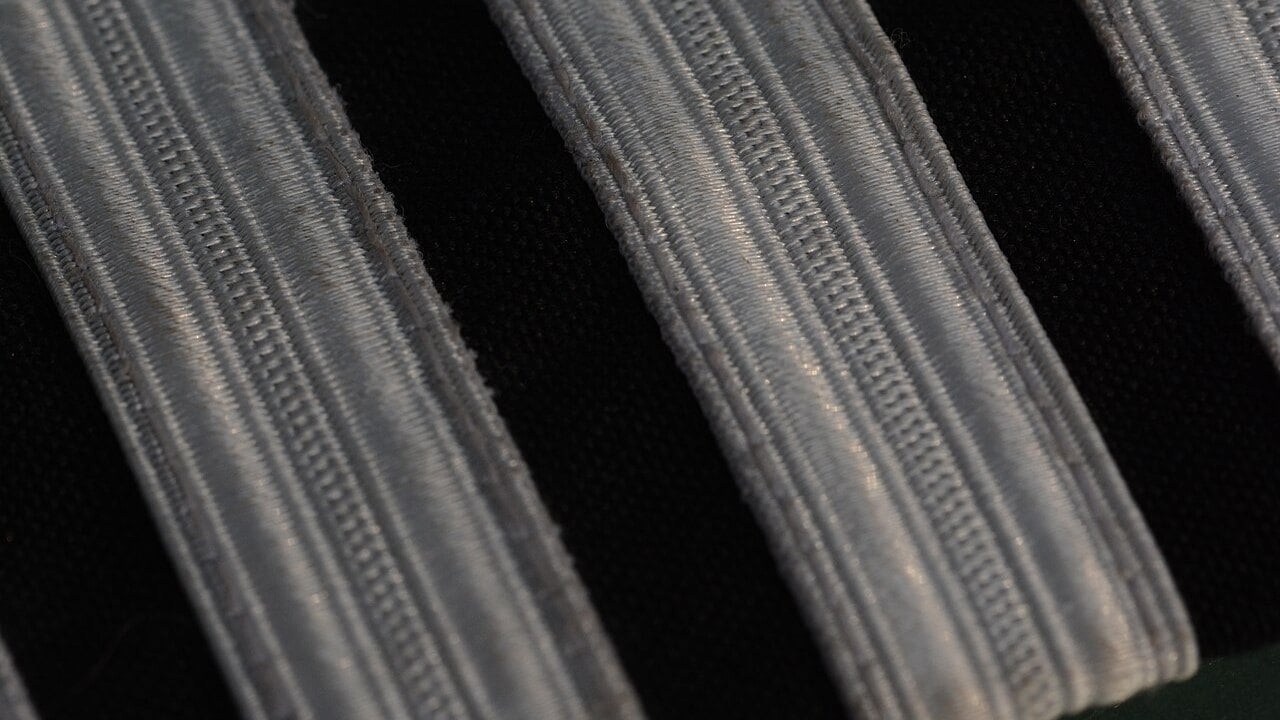
Watch two pilots walk through a terminal and you can usually tell who is in charge before either says a word. Look at the cuffs or the shoulders. One has four gold bars. The other has three. That small difference is the most visible piece of a ranking system that every airline passenger has seen and almost nobody has had explained.
Here is the short version, and then the more interesting one: where the stripes came from, why they vary, and why they are not actually required by any aviation rulebook.
Datos rápidos
- Four stripes: Captain (pilot in command)
- Three stripes: First officer (co-pilot)
- Two stripes: Second officer, often a long-haul relief pilot
- One stripe: Trainee or cadet pilot, at most airlines
- Origen: Pan Am’s 1930s flying-boat crews, who adopted ship’s officers’ uniforms
- Regulated?: No: set by each airline’s uniform policy
- Colour: Usually gold; some airlines use silver
- Not to confuse: Cabin crew stripes (e.g. silver at KLM) follow a separate ladder
Four, three, two, one
The standard ladder is simple. Four stripes mark the captain, the pilot in command, who carries final responsibility for the flight. Three stripes mark the first officer, the co-pilot who shares the flying and sits in the right-hand seat. Two stripes are worn by a second officer, and one stripe usually identifies a trainee or cadet pilot.
KLM describes exactly this ladder for its own crews: four broad gold stripes for the captain, three for the first officer, two for the second officer, and one for a second officer still in training. The Dutch airline also notes that its pilots wear caps, women included.
Second officers are most often found on long-haul flights, where a third or fourth pilot joins the crew so the others can rest in the crew bunk during the cruise.
Airline captain and YouTuber Captain Joe explains what the stripes on a pilot’s uniform represent.
Borrowed from the sea
Airline uniforms were not always naval. In the earliest days of passenger flying, pilots dressed like the aces of the First World War, in leather jackets, flying boots, scarves and gloves, because open and unheated cockpits demanded it.
The change came with the flying boats. When Pan American Airways began flying its Sikorsky and later Martin and Boeing Clippers across oceans in the 1930s, the airline leaned into nautical tradition. Its pilots adopted the smart, tailored uniform of naval officers: dark double-breasted jackets with brass buttons and gold rank stripes on the sleeves.
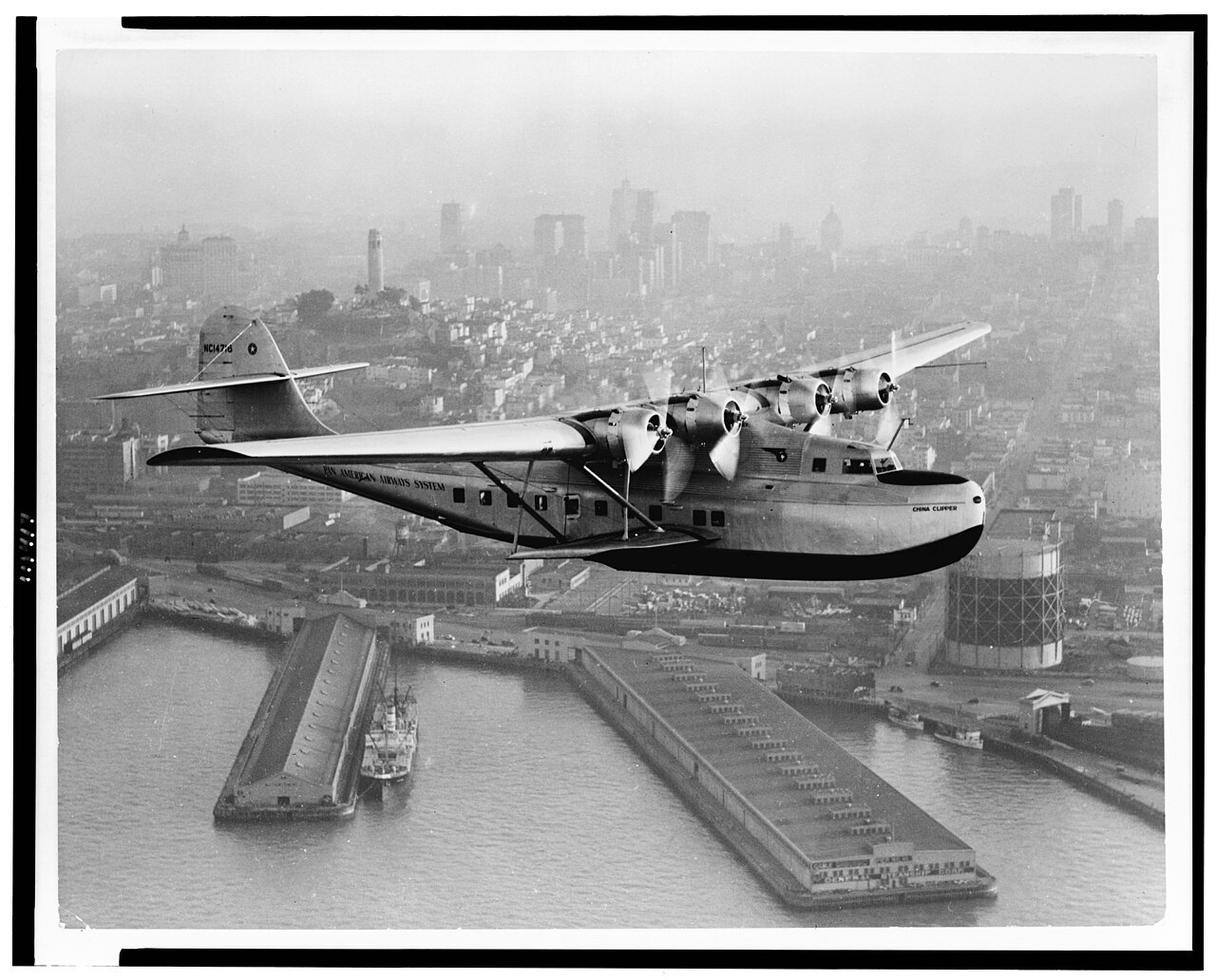
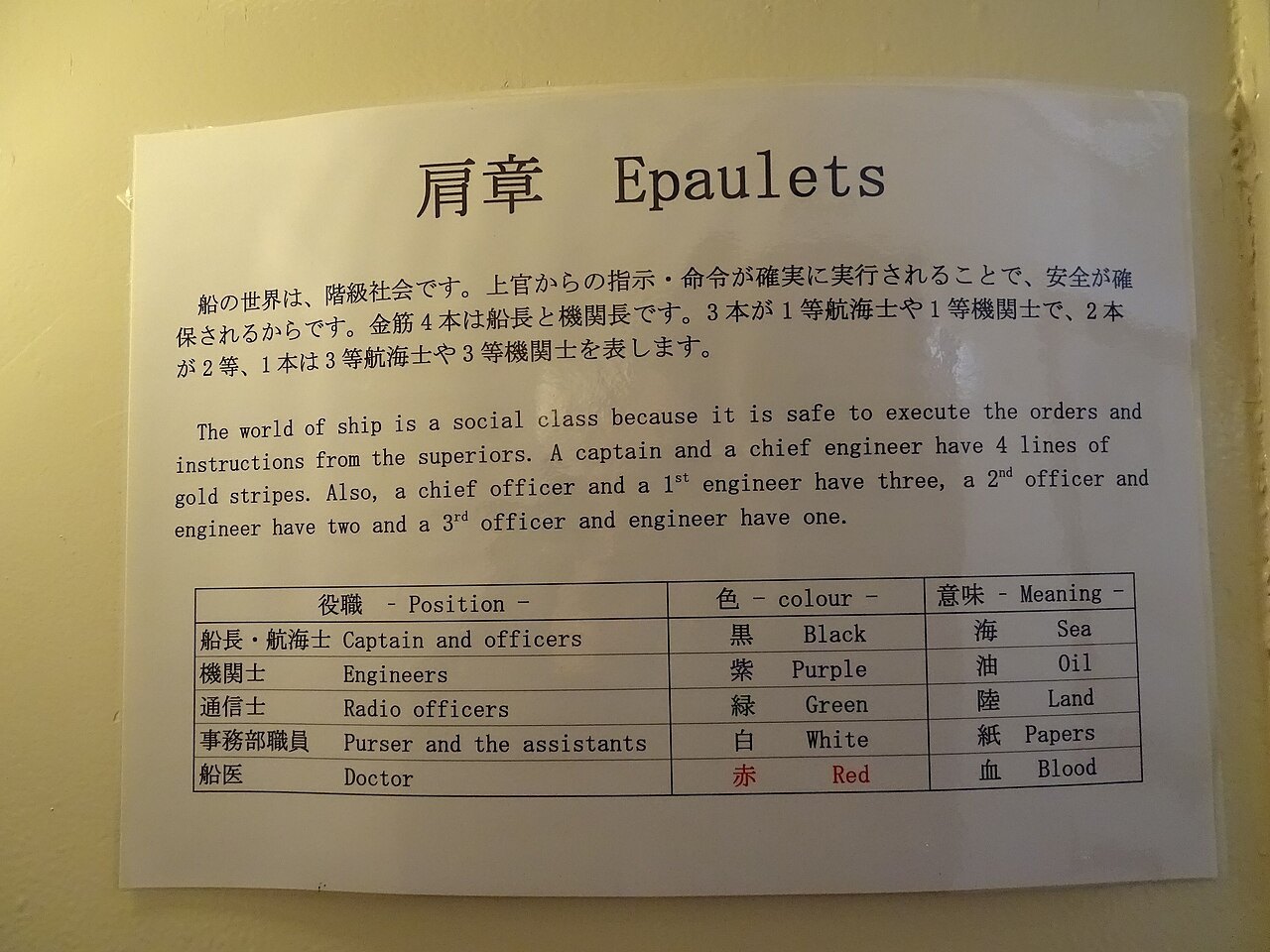
Pan Am set the template for international air travel in many ways, and other airlines copied its look. That is why an airline captain today resembles a merchant navy master far more than a military pilot. On ships, too, a captain wears four gold stripes, a chief officer three, a second officer two and a third officer one: the same ladder the airlines inherited.
Every airline writes its own rules
The stripes are a tradition, not a regulation. Aviation authorities license pilots and set the rules for who may act as captain, but uniform insignia are a matter for each airline’s own uniform policy. As a result, the details vary more than most passengers notice.
Gold is the most common colour, but some airlines use silver. Some put the stripes on the jacket sleeve and on shirt epaulettes; others only on the shoulders. When Virgin America dressed its pilots in grey shirts with no tie, hat or blazer, the gold stripes on the epaulettes were the only sign of rank left. Even outside the airlines the badge travels: some flying schools put their instructors in four-stripe epaulettes.
Hats are just as inconsistent. Writing in 2018, Australian travel journalist Michael Gebicki noted that caps were optional for American and United pilots, while Delta still required them. Qantas went the other way in 2016, bringing back the white cap for its pilots in a new uniform that came with a 23-page guidebook on how to wear it.
“Overnight to Hawaii”, a 1940 Pan American promotional film showing the Clipper flying boats whose crews set the style for airline uniforms.
The stripes that are not about pilots
Stripes are not reserved for the flight deck either. At KLM, cabin crew wear silver stripes that follow their own ladder: one for a cabin attendant, two for a senior cabin attendant, three for an assistant purser and four for a purser, with an orange fifth stripe for a senior purser. Four silver stripes in the cabin do not mean the wearer can fly the aircraft.
Then there are the wings. Most airline pilots also wear a winged badge above the breast pocket, and at some airlines its design changes with rank, with extra details such as a star or a laurel wreath for captains. It descends from the military aviator’s badge rather than from the sea, which makes the airline uniform an unusual hybrid: naval stripes on the sleeve, air force wings on the chest.
So the next time you board, glance at the cuffs. Four stripes means the person who will make the final call on your flight, whatever the airline, whatever the colour. What those stripes say about pay is a different story altogether.
Sources: KLM Royal Dutch Airlines, Pan Am Museum Foundation, Simple Flying, Traveller (Michael Gebicki, 2018)
0 Comments