
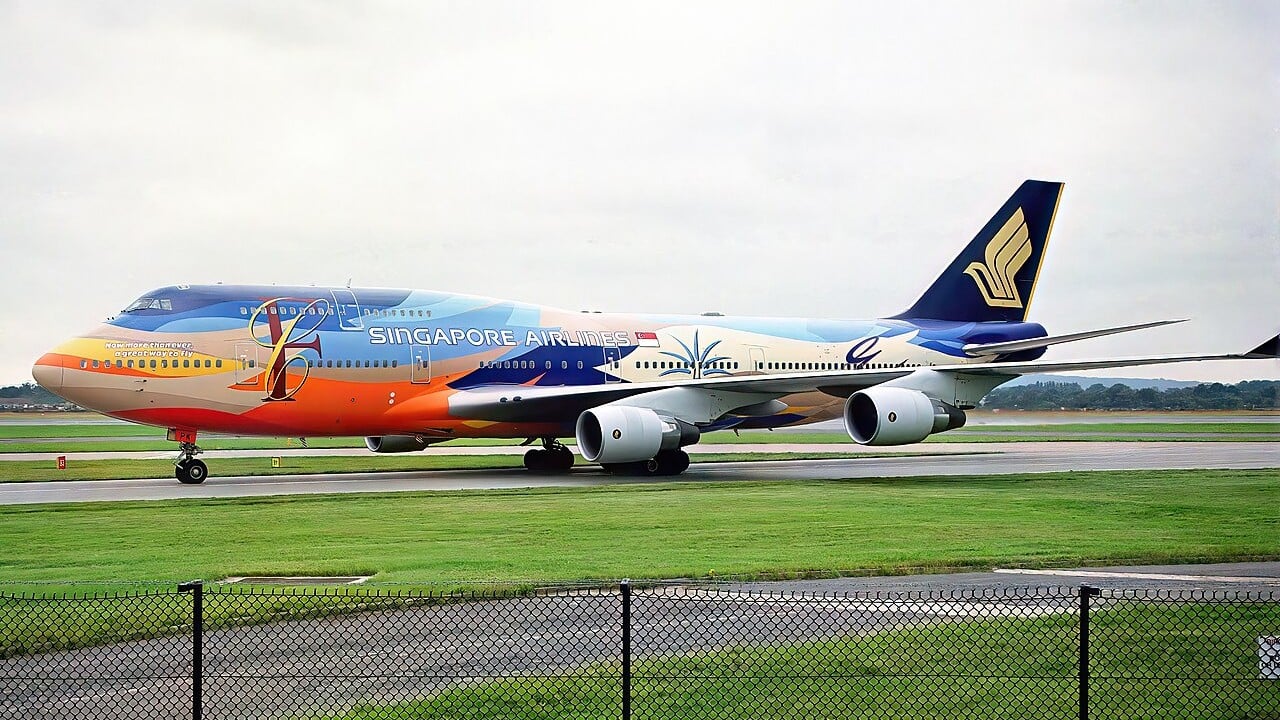
Shortly after 11pm on 31 October 2000, a Singapore Airlines Boeing 747-400 lined up for take-off at Taipei in driving typhoon rain. The crew had been cleared to depart from runway 05L. They were on the wrong runway.
The aircraft, flight SQ006 to Los Angeles, began its take-off roll on runway 05R, a parallel strip that had been closed for construction work. At high speed, close to lifting off, it struck excavators, a bulldozer and other equipment parked on the runway, broke apart and caught fire. Of the 179 people on board, 83 were killed.
It is one of the clearest examples in aviation of how a small wrong turn can become a catastrophe.
Quick Facts: Singapore Airlines Flight 006
Fecha: 31 October 2000, 23:18 local time
Aeropuerto: Chiang Kai-shek International (now Taiwan Taoyuan), Taipei
Aeronave: Boeing 747-412, registration 9V-SPK
Ruta: Singapore to Los Angeles, via Taipei
A bordo: 179 (159 passengers, 20 crew)
Víctimas mortales: 83
Weather: Heavy rain and wind from Typhoon Xangsane
Causa: Take-off from closed runway 05R instead of 05L; collision with construction equipment
A Typhoon Night at Taipei
SQ006 had flown in from Singapore and was continuing to Los Angeles. Typhoon Xangsane was passing close to Taiwan, bringing heavy rain and strong, gusty winds. In the cockpit were Captain Foong Chee Kong, with more than 11,000 flight hours, First Officer Cyrano Latiff and a relief first officer, Ng Kheng Leng.
At Chiang Kai-shek International Airport, runways 05L and 05R ran side by side. Part of 05R was closed for repairs, and construction machinery was parked on it. The airport had no ground-movement radar, so controllers in the tower could not see the 747 on the taxiways in the rain.
At 23:15 the crew were cleared to take off from 05L. The captain acknowledged it. But taxiing in the dark and rain, the aircraft turned onto 05R, about 215 metres short of the turn it needed. After a brief pause, the take-off roll began at 23:16:36.
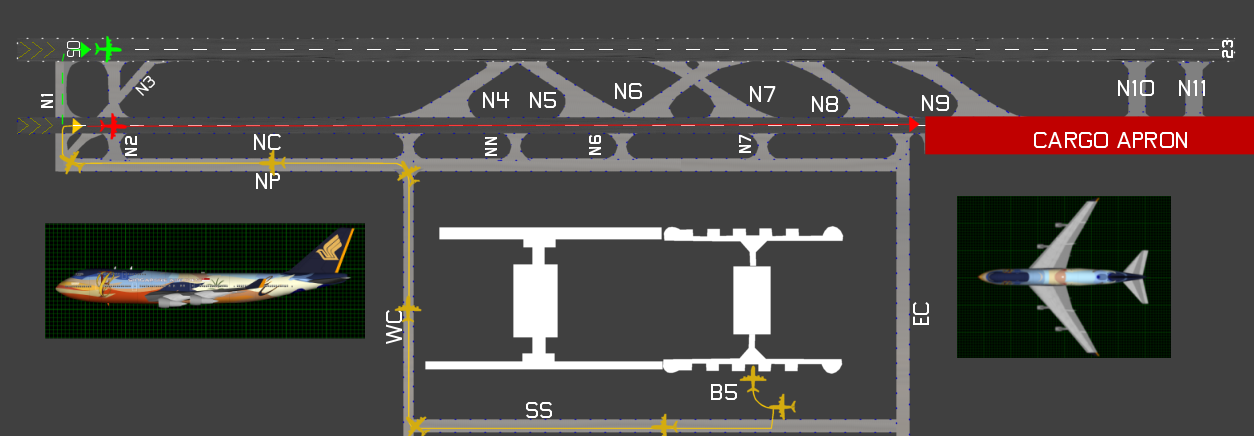
Wyngx's reconstruction of Singapore Airlines Flight 006, viewed more than three million times.
On the Wrong Runway
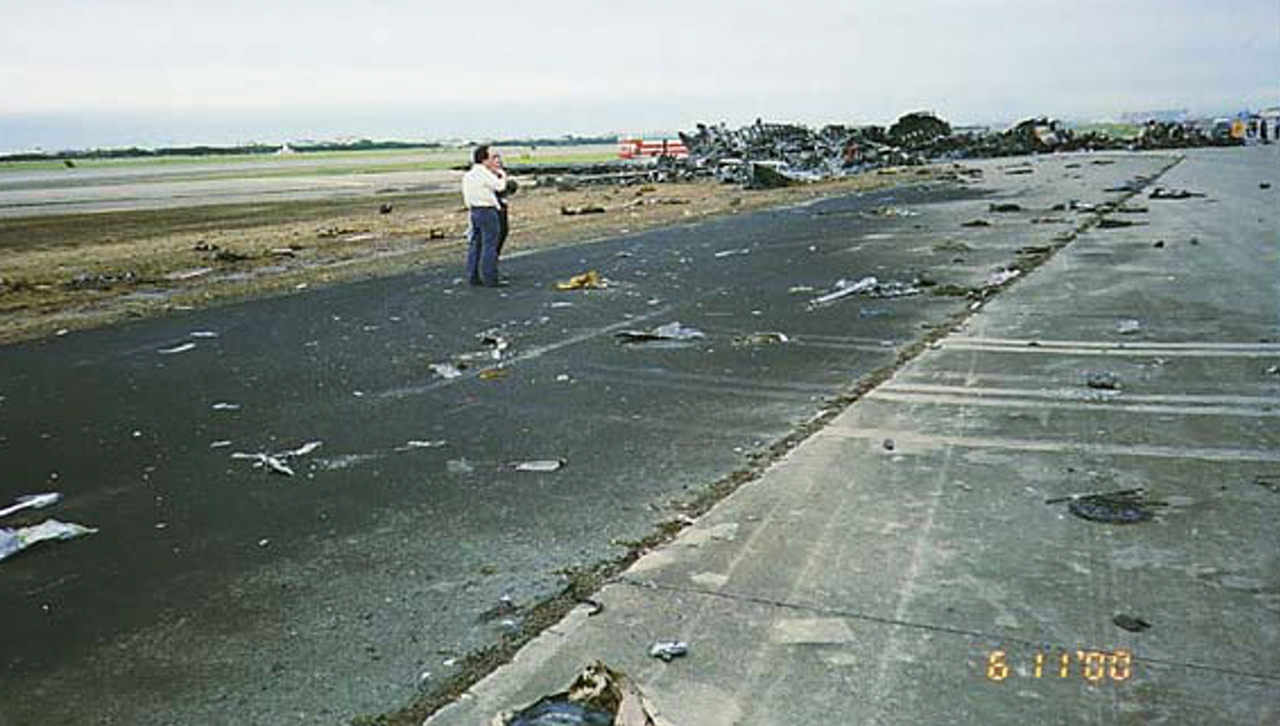
The 747 accelerated down 05R towards equipment the crew could not see in the rain. It hit the machinery at high speed, just before it would have lifted off. The fuselage broke into pieces and fuel caught fire. Seventy-nine passengers and four crew were killed. Many of the 96 survivors were badly injured.
The cabin crew and passengers who escaped did so through smoke and fire on a wet, debris-strewn runway at night.
aeroTELEGRAPH reports that in 2001 Singapore Airlines began requiring its flight attendants to wear closed shoes for take-off and landing, after survivors described how the crew's thin open sandals hampered movement among the wreckage. This October the airline confirmed that from January 2027 its famous sandals will be phased out entirely in favour of closed-toe shoes designed with the Singapore brand Pazzion.
Two Countries, Two Verdicts
Taiwan's Aviation Safety Council published its final report in April 2002. It concluded that the flight crew had not reviewed the taxi route properly, had not used the cockpit displays that would have shown them they were on the wrong runway, and had lost situational awareness, with the typhoon weather as a contributing factor.
Singapore's Ministry of Transport disagreed sharply. It pointed out that controllers had cleared the take-off without ground radar and without being able to see the aircraft, that the closed section of 05R had no barriers or proper warning markings, and that some airport lighting was missing or misleading. It also noted that another crew had nearly made the same mistake days earlier. The International Federation of Air Line Pilots' Associations backed Singapore's view.
Singapore Airlines later dismissed the captain and first officer. In Taiwan, the case against the pilots was eventually suspended. The flight number SQ006 was retired about two weeks after the crash and the route renumbered SQ30.
¿Qué cambió?
SQ006 became one of the case studies behind the industry's long campaign against runway incursions and wrong-runway take-offs. Better runway closure markings, ground radar at busy airports, cockpit cross-checks of the runway heading and, later, systems that warn pilots when they line up on the wrong runway all address the chain of small errors that killed 83 people in Taipei.
Afterburner usually writes about pilots who did something extraordinary. This is a story about three experienced pilots who made an ordinary mistake on a terrible night, at an airport that gave them very little to stop it. That is exactly why airline crews still study it.
Mayday Protocol's account of the SQ006 accident and investigation.
Sources: Wikipedia (Singapore Airlines Flight 006); Taiwan Aviation Safety Council final report (April 2002); Singapore Ministry of Transport; aeroTELEGRAPH; AsiaOne / The Straits Times.
0 Comments