
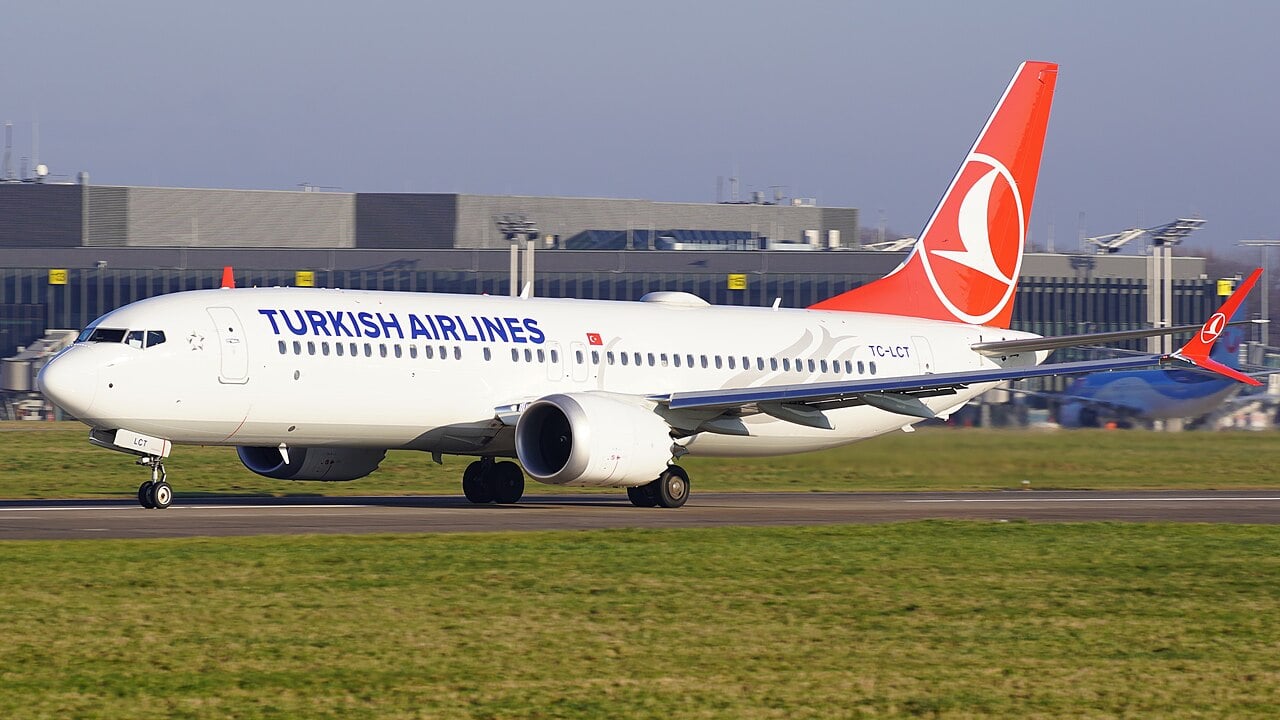
Turkish Airlines does not have an aircraft problem. It has an engine problem, and it has spent the better part of a year using one to solve the other.
A 150-aircraft Boeing 737 MAX order — announced with considerable ceremony after President Erdogan met President Trump a year ago — has been sitting unsigned. Not because the airline changed its mind about the aeroplanes, but because it could not get the terms it wanted from the company that makes the only engine they can be fitted with.
According to a Reuters report on 15 September, that deadlock has broken, and the deal may be signed within days. It is not signed yet.
Informations clés
Statut: reported close to finalisation on 15 September 2026, not yet signed. Treat as pending
L'ordre : 150 Boeing 737 MAX — 100 firm and 50 options, in 737-8 and 737-10 variants
Wider package: part of a 225-aircraft commitment announced after the Erdogan–Trump meeting roughly a year ago
The obstacle: a dispute with CFM International over engine maintenance terms, not over the aircraft
CFM: a joint venture of GE Aerospace and Safran, and the sole engine supplier for the entire 737 MAX family
Turkish leverage: the airline signalled it could move the order to Airbus
On the table: a possible investment in an engine maintenance facility in Türkiye
One Engine, No Alternatives
The 737 MAX is powered by the CFM LEAP-1B. Not primarily, not usually. Exclusively.
Every other major airliner family offers a choice. Order an Airbus A320neo and you pick between CFM and Pratt & Whitney. Order a 787 and you pick between GE and Rolls-Royce. Order a 737 MAX and you take a LEAP-1B, because Boeing certified one engine and only one.
For Boeing that was a sensible efficiency. For an airline negotiating maintenance terms, it removes the single most useful thing a customer can have: somewhere else to go.
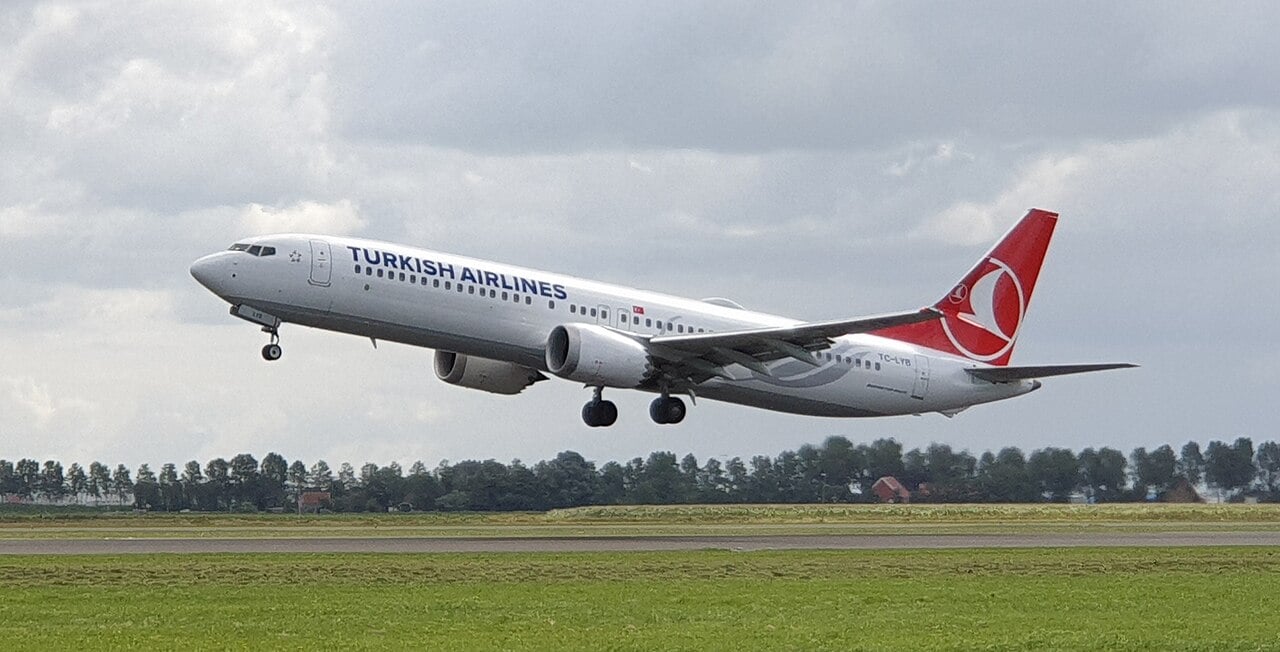
So Turkish Airlines Found Somewhere Else to Go
The airline’s response was to point out, publicly and repeatedly, that the A320neo family exists and that Airbus would be delighted to talk.
This is a real threat and everyone involved knew it. Turkish Airlines is one of the largest narrowbody operators in Europe, it already flies Airbus, and its growth plan requires hundreds of single-aisle aircraft over the next decade. Moving 150 of them is disruptive but not unthinkable.
The chairman, Ahmet Bolat, put the condition about as plainly as a chief executive can. What the airline actually wanted was an industrial arrangement: not just a discount on engine overhauls, but maintenance work located in Türkiye — reportedly by joining the top tier of CFM partners, which brings accelerated access to the latest repair technology. That is the thread running through almost every large aircraft order signed by a state-linked flag carrier in the last five years. The aircraft are the headline. The work packages are the negotiation.
Why Maintenance Is Worth Fighting Over
An engine is bought once and maintained for decades, and the maintenance costs more than the engine. Whoever controls the overhaul shops controls that revenue, and the skilled jobs that go with it.
Getting a LEAP maintenance centre built domestically means an airline stops exporting that money, shortens turnaround times on its own fleet, and acquires an industrial capability its government can point at. For a carrier the size of Turkish Airlines, with a fleet plan running to the 2030s, that is worth more than a few million dollars off the sticker price.
Which is why the order stalled over something that, from the outside, looked like a detail.
The Caveat
Nothing is signed. Reuters attributes the breakthrough to sources and says the agreement may be concluded next week, which is a formulation that has been wrong before — including about this exact order.
The reasonable read is that both sides now want it done. Boeing needs the backlog and has had a punishing few years of headlines. Turkish Airlines needs the aircraft and has extracted roughly what it set out to extract. But until the paperwork exists, this is a negotiation that is going well, not a deal.
Sources: Reuters, 15 September 2026; ch-aviation; aeroTELEGRAPH; Türkiye Today.
0 Comments