
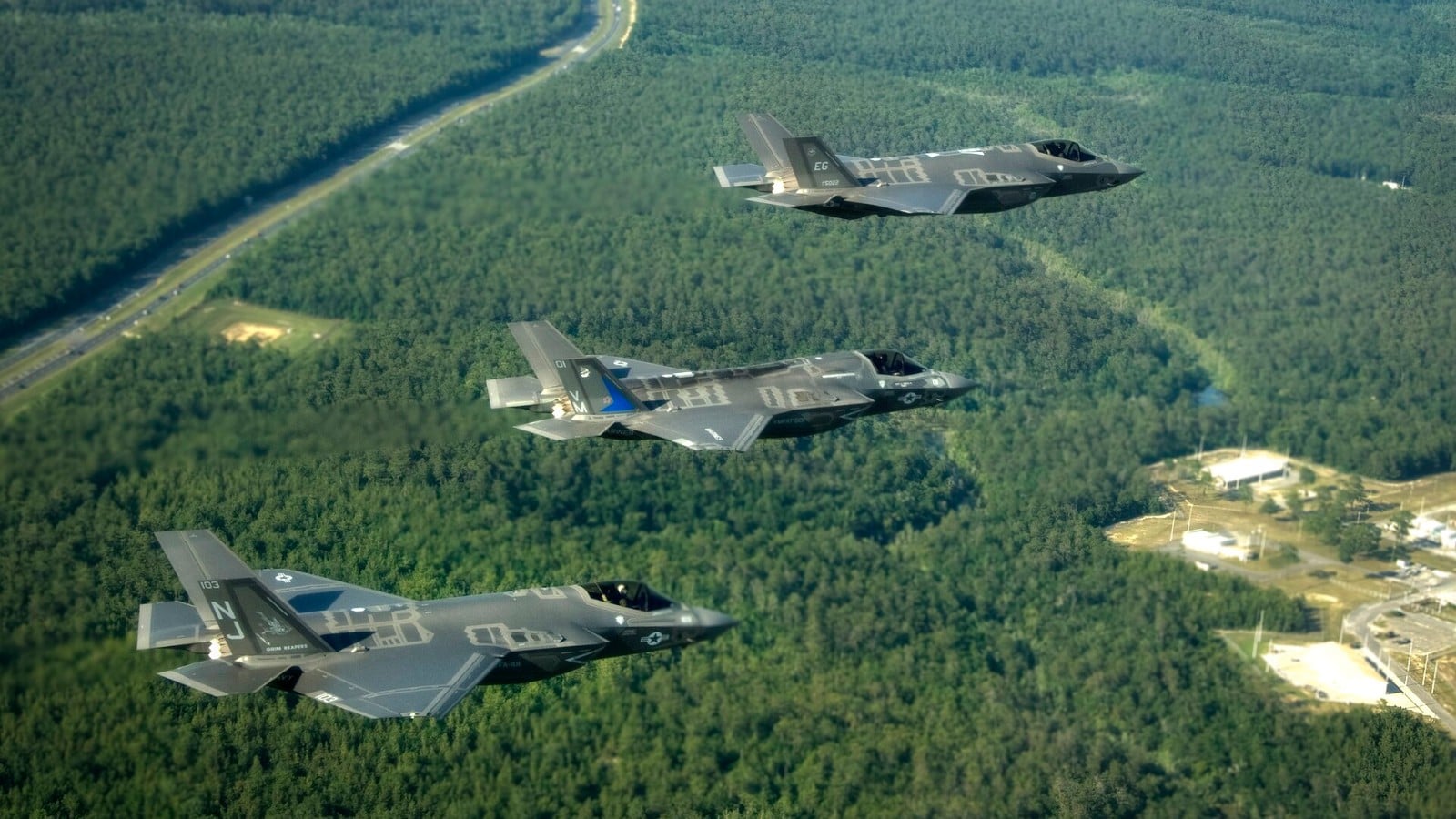
For twenty years the F-35 has been bought the way most people buy groceries: one lot at a time, haggling at the checkout. On Thursday, 22 October 2026, the Pentagon and Lockheed Martin announced they want to switch to a subscription.
The two sides unveiled a framework for ten years of multiyear F-35 production and sustainment. It covers Lots 21 through 30, holds the line at 156 jets a year, and commits the United States to at least 850 of them, plus initial spares, modification kits and a decade of sustainment. International customers fill the rest of the production slots.
There is a catch, and it is a big one. Nothing has been signed into law, no price has been published, and Congress has not yet granted the multiyear authority or the money. This is a handshake with a very large pen still to come.
Informations clés
Quoi: Framework agreement for multiyear F-35 production and sustainment
OMS: The Pentagon (styled the Department of War) and Lockheed Martin
Annoncé : 22 October 2026
Lots covered: 21 to 30, over ten years
Rate: 156 aircraft a year, held constant (about 1,560 in total)
U.S. share: At least 850 aircraft, plus initial spares and modification kits
Lockheed investment: At least $7 billion of company money in F-35 initiatives, per the Pentagon
Price: Not disclosed; to be negotiated by the F-35 Joint Program Office
Still needed: Multiyear authority and appropriations from Congress
What the F-35 multiyear framework actually says
The F-35 multiyear framework is not a contract. Lockheed Martin’s own release says the deal first needs multiyear authority and appropriations, which it expects “in the coming months”. Only then will the F-35 Joint Program Office and the company sit down to negotiate terms, pricing and delivery schedules for a formal award.
What the framework does fix is the shape of the next decade. Production stays at 156 aircraft a year, the rate Lockheed has been building towards at Fort Worth. Unlike some other recent Pentagon framework deals, this one does not try to push the production rate higher, Breaking Defense noted. The aim is stability: steady orders, longer supplier contracts and volume discounts that both sides say will save taxpayers billions of dollars over the life of the jet.
Le Armée de l'air des États-Unis, the Navy and the United States Marine Corps Aviation share the 850 U.S. jets. The announcements did not break that number down by service or variant.
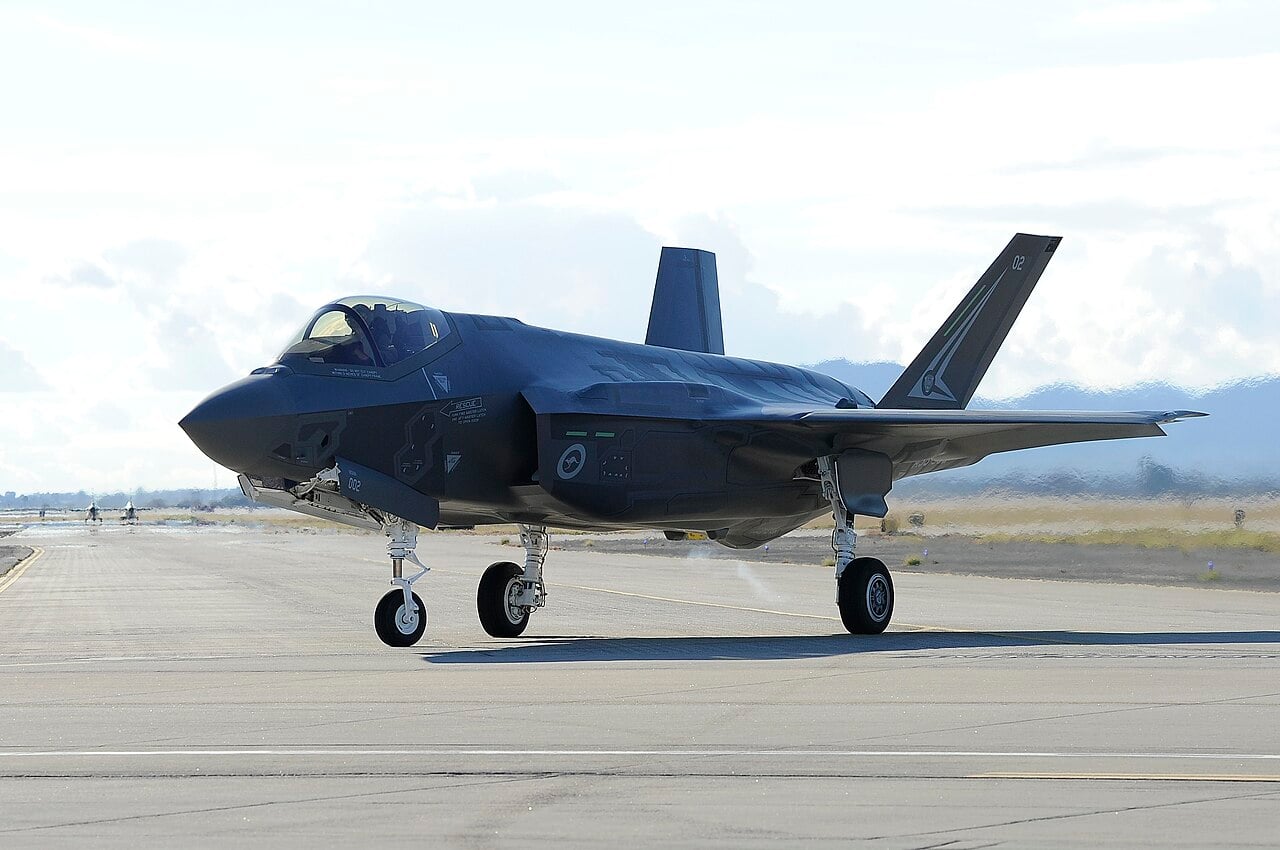
From lot-by-lot haggling to a ten-year deal
The F-35 has been bought in annual lots since low-rate production began, with each lot negotiated on its own and frequently signed late. The most recent deal, covering Lots 18 and 19, was finalised in September 2025 for 296 aircraft and about $24.3 billion. That pattern of long, single-lot negotiations is exactly what a multiyear deal is designed to end.
Lockheed says it will put at least $7 billion of its own money into initiatives to strengthen the F-35 enterprise. The Pentagon has not spelled out what those initiatives are. A Lockheed spokesperson told Breaking Defense the deal will not change how production slots are shared between buyers, and that the Joint Program Office keeps ownership of the production order for every F-35 customer.
For the supply chain, the message is the same. OJ Sanchez, president of Lockheed Martin Aeronautics, said the framework gives suppliers the stability to plan ahead and invest with confidence. The company puts the program’s footprint at about 317,000 U.S. jobs and roughly $79 billion a year in economic activity.
Inside the Fort Worth plant where the F-35 is built (Sam Eckholm).
Congress holds the pen
Multiyear procurement needs Congress to agree, and the fiscal 2027 defense policy bills are still being negotiated. According to Breaking Defense, the Senate Armed Services Committee version would allow multiyear F-35 contracts. The House version adds guardrails: no multiyear deal until the defense secretary certifies that it includes the full set of initial spares and alternate mission equipment, and shows at least 5 percent savings.
Neither bill explicitly authorises a multiyear sustainment agreement, which leaves a large part of the framework in limbo. No fiscal 2027 budget has passed either, so for now the deal is unfunded, as Air & Space Forces Magazine pointed out. The Pentagon’s fiscal 2027 request includes $21.4 billion for the F-35 program.
Why sustainment is the real prize
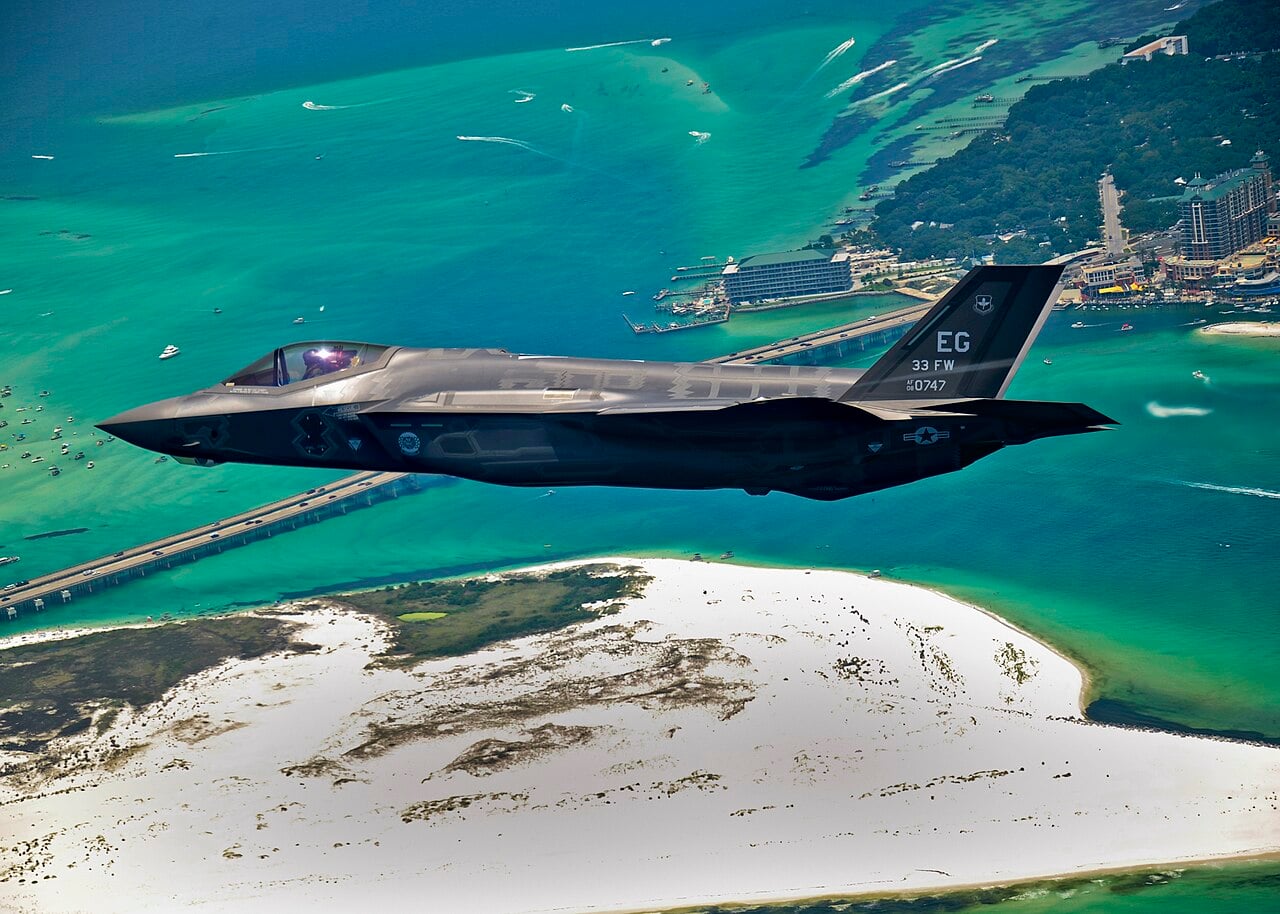
Buying the jets is the cheap part. The F-35’s lifecycle cost estimate is approaching $2 trillion, with the program projected to run into the 2080s, and most of that money goes on keeping the fleet flying. Government watchdogs have linked low mission-capable rates to limited depot capacity, spare-parts shortages and restricted access to technical data.
A five-year performance-based logistics contract was explored before, but no deal was reached because officials could not show Congress that it would cut costs or improve readiness. Ten years of sustainment inside the new framework is the part to watch.
Lockheed says more than 1,375 F-35s are now in service worldwide, flying from 42 bases, with 13 nations operating the jet on home soil. If the framework survives Congress, about 1,560 more will roll out of the factory over the next decade. If it does not, it is back to the checkout queue, one lot at a time.
Sources: Lockheed Martin news release (22 Oct 2026), Air & Space Forces Magazine, Breaking Defense, Manufacturing Dive, Defence Blog


0 Comments