
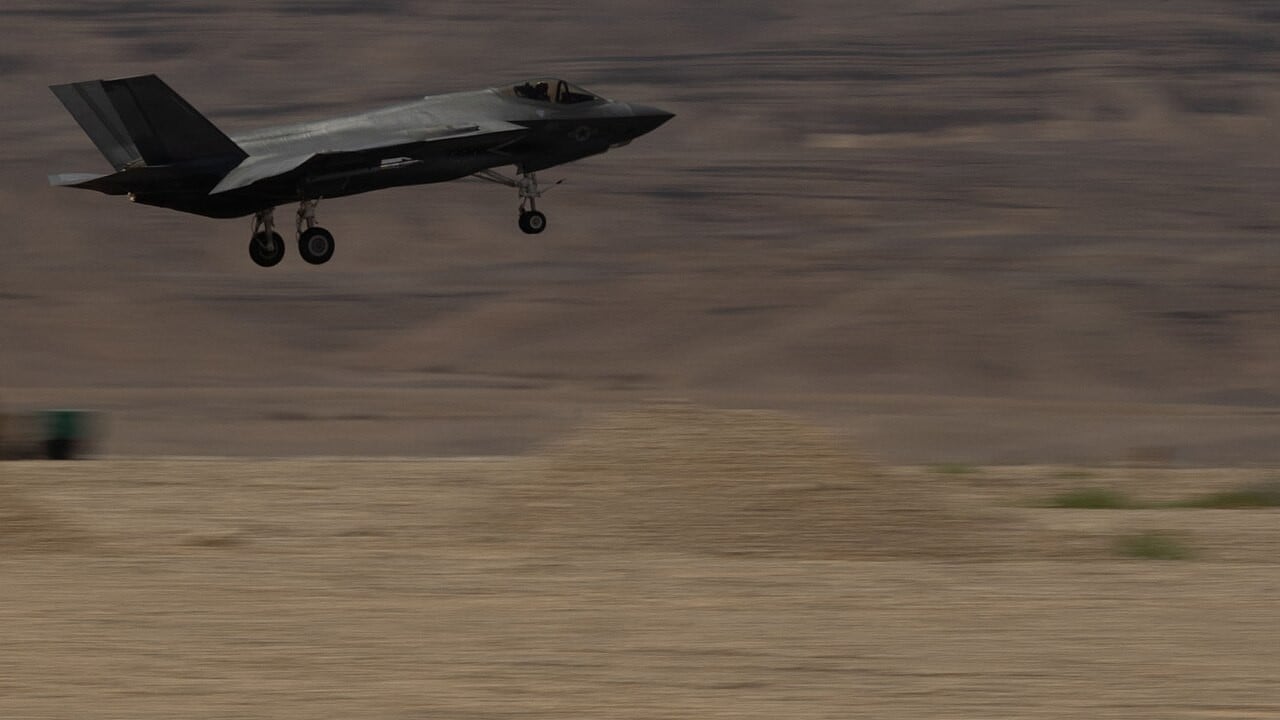
Le F-35 Lightning II’s long-delayed Block 4 upgrade has picked up another $72.6 million. In its contract announcements for Friday 20 November 2026, the Department of War said Lockheed Martin Aeronautics in Fort Worth, Texas, had been awarded a $72,580,901 modification to speed up the work.
The money is not for new hardware or new jets. According to the announcement, the cost-plus-fixed-fee modification adds scope and raises the contract ceiling to provide “additional program management, software engineering, software engineering transformation, and cybersecurity support required to accelerate the development of F-35 Lightning II Block 4 capabilities.”
Informations clés
- Contractor: Lockheed Martin Aeronautics, Fort Worth, Texas
- Valeur: $72,580,901 cost-plus-fixed-fee modification (P00047)
- Contracter: N0001923C0009, awarded by Naval Air Systems Command
- Annoncé : Friday 20 November 2026
- But: Program management, software engineering and cybersecurity support to accelerate F-35 Block 4
- Funds obligated: None at the time of award
- Achèvement: Expected March 2028
- Block 4 status: Reduced Block 4 expected by 2031 at the earliest (GAO, Sept 2025)
What the contract says
The award is modification P00047 to an existing contract, N0001923C0009, and Naval Air Systems Command at Patuxent River, Maryland, is the contracting activity. It was not competitively procured, and no funds will be obligated at the time of award, so the figure is a ceiling increase rather than cash handed over on the day.
Most of the work, 60 per cent, will be done in Fort Worth, with 16 per cent in Nashua, New Hampshire, and 9 per cent in Baltimore, Maryland. The rest is spread across Orlando, El Segundo, San Diego, Torrance, Buffalo, Clearwater, Northridge and Tucson. It is expected to be completed in March 2028.
Why Block 4 needs accelerating
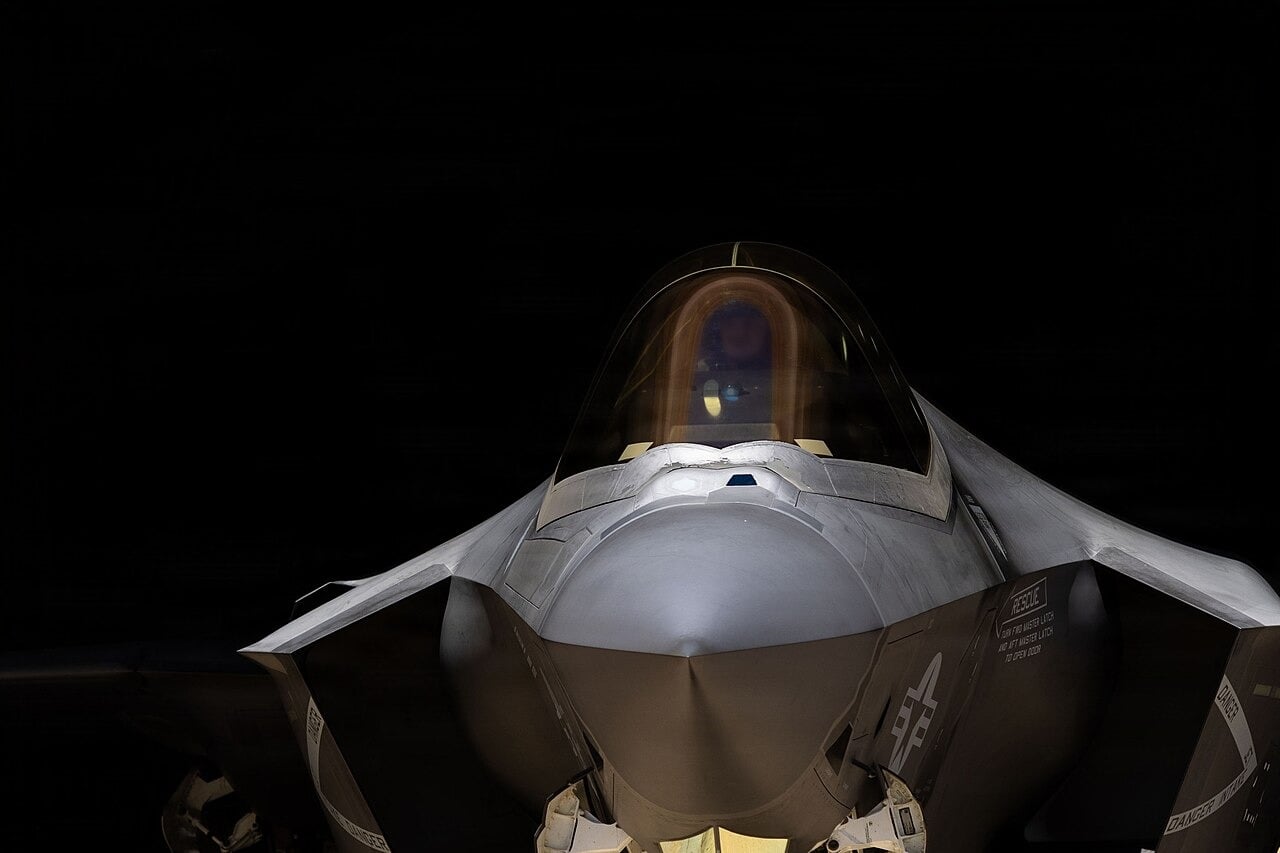
Block 4 is the F-35’s big modernisation package of new weapons, sensors and software. It depends on Technology Refresh 3 (TR-3), new core processor, display and memory hardware meant to give the jet the computing power the upgrade needs. Both have run late for years, and Afterburner has tracked the slipping schedule avant.
The US Government Accountability Office laid out the scale of the problem in a report published in September 2025. It found that the program had planned in 2018 to deliver 66 Block 4 capabilities by 2026, and that it was now cutting the scope of Block 4 and setting up a new major subprogram to manage it.
Program officials told the GAO they expected to complete the reduced Block 4 subprogram by 2031 at the earliest. Capabilities that depend on engine and power and thermal management upgrades, or that are not technically mature, were pushed to future modernisation efforts that the report described as undefined.
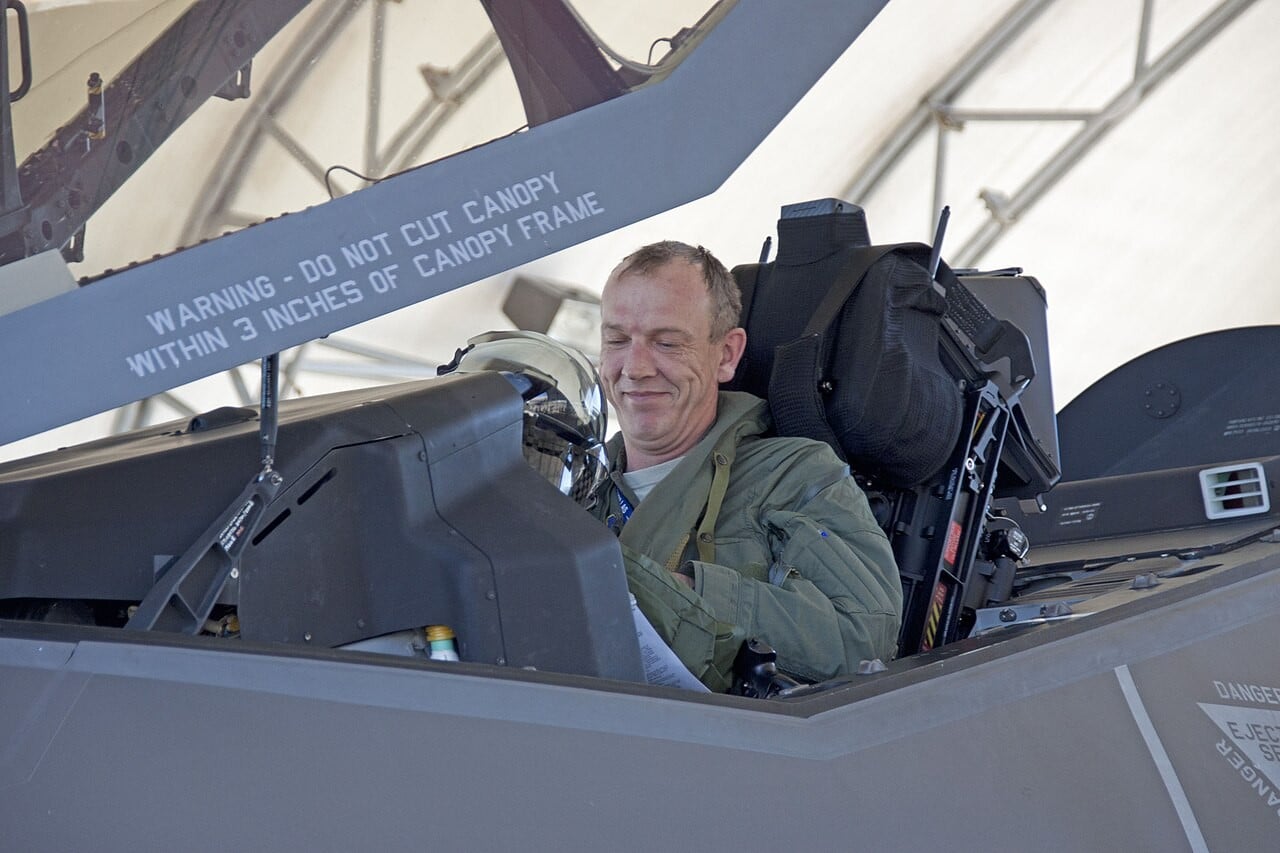
Lockheed Martin’s own look inside the F-35 cockpit, the jet whose software and avionics Block 4 is meant to upgrade.
TR-3 and the late jets
The same report tied TR-3 directly to Lockheed’s delivery problems. In 2024 the company delivered 110 F-35s, and every one of them was late, by an average of 238 days, up from 61 days in 2023.
For a time, the military services would not accept jets without working TR-3 hardware and software, and Lockheed parked finished aircraft at its facilities. In July 2024 the program began provisionally accepting non-combat-capable TR-3 jets for training, withholding roughly $5 million per aircraft until Lockheed meets criteria such as validating that weapons work.
According to program officials quoted by the GAO, Lockheed expected to begin delivering combat-capable aircraft with TR-3 that enable Block 4 capabilities in 2026, about three years behind schedule. The new modification is aimed squarely at the software and cyber work that sits on top of that hardware.
The auditors were also critical of how Lockheed had been paid. The program had handed contractors hundreds of millions of dollars in incentive fees meant to improve on-time delivery, the GAO said, yet the fee structure let the company deliver aircraft up to 60 days late and still earn some of the fee.
The Block 4 award came a day after another F-35 deal. In the announcements for Thursday 19 November, Lockheed received a $330.6 million modification for long-lead materials, parts and components for 75 Lot 22 F-35s for the Air Force, Navy and Marine Corps. The jets keep coming; the Pentagon is now paying to make sure the software they need can catch up.
Sources: US Department of War contract announcements (19 and 20 Nov 2026), US Government Accountability Office (GAO-25-107632), Defence Blog, Times of Defence, Lockheed Martin
Header photo: Sgt. Joealfred Damaso, U.S. Marine Corps / Wikimedia Commons, public domain



0 Comments