
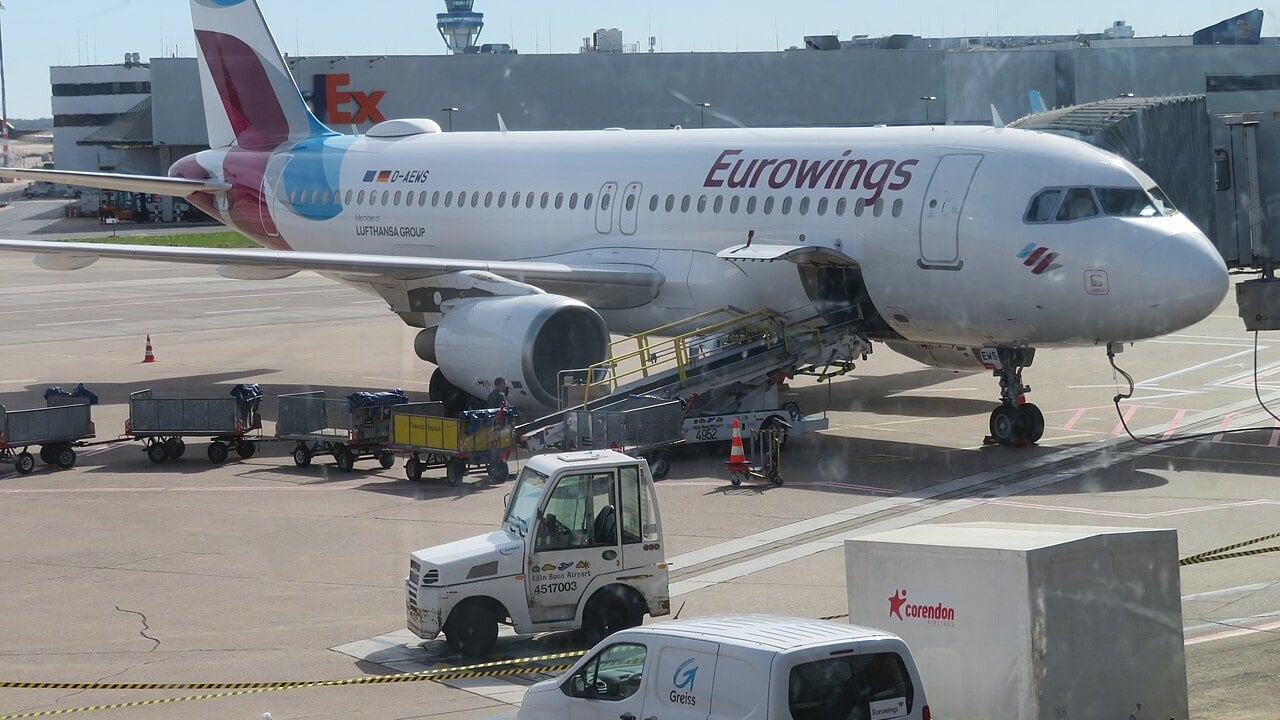
Shortly before 22:00 on Friday 27 November 2026, the drone detection system at Cologne/Bonn Airport raised the alarm. A drone had been spotted in the immediate vicinity of one of Germany’s busiest passenger and cargo airports, and Deutsche Flugsicherung (DFS), the German air navigation service, ordered all take-offs and landings stopped.
The Cologne/Bonn Airport drone alert kept the runways closed for about two and a half hours. Around 00:30 on Saturday, DFS gave the all-clear and traffic resumed, according to the airport’s account to the news agency DPA. By then, dozens of inbound flights had been sent elsewhere.
Informations clés
- Aéroport: Cologne/Bonn (CGN), Germany
- Quand: Friday 27 November 2026, shortly before 22:00 until about 00:30
- Cause: Drone spotted in the immediate vicinity of the airport
- Classé par : Deutsche Flugsicherung (DFS)
- Diversions: 32 arrivals (15 passenger, 17 cargo), per aeroTELEGRAPH’s Flightradar24 analysis
- Les personnes les plus touchées : Eurowings (8), UPS (5); Hahn took 6 diversions
- Drone operator: Unknown as of 28 November
Thirty-two diversions in one night
Cologne/Bonn is not only a passenger airport but one of Europe’s major cargo hubs, and the shutdown hit both sides of the business. An analysis of Flightradar24 data by the German aviation outlet aeroTELEGRAPH counted 32 diverted arrivals: 15 passenger flights and 17 freighters. Public broadcaster WDR also reported that 15 passenger flights had to divert.
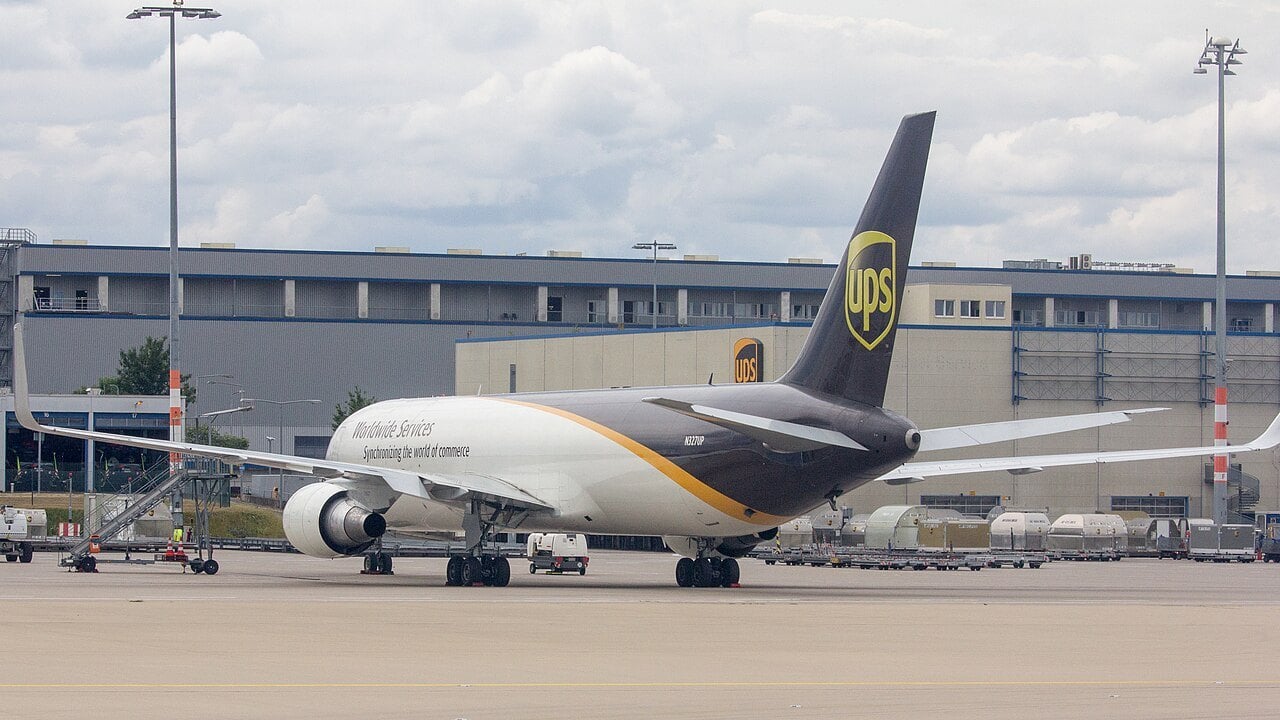
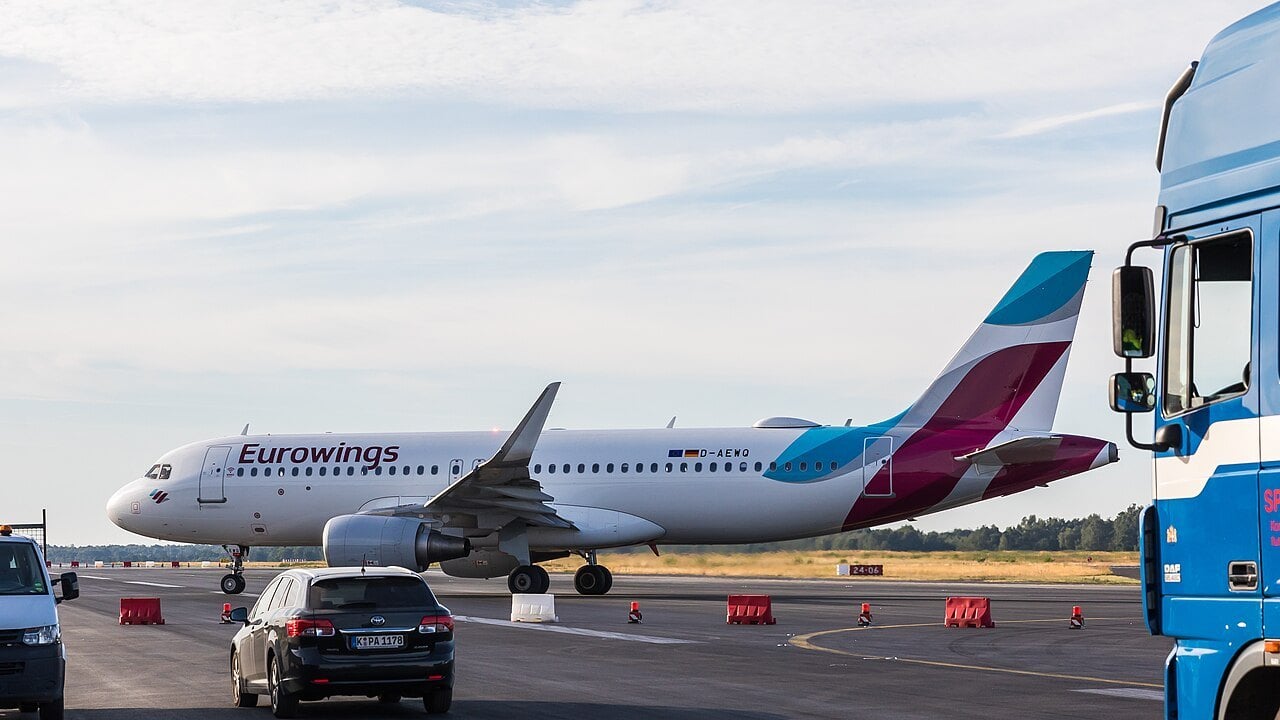
Eurowings, which has a base at the airport, was hit hardest with eight diversions, according to aeroTELEGRAPH, followed by UPS with five. Aircraft were sent to Hahn, which took six, the most of any airport, and to Paderborn, Düsseldorf, Brussels, Münster/Osnabrück, Liège, Hanover, Leipzig, Frankfurt and Paris.
One of the diverted jets was a Wizz Air Airbus A321neo flying in from Chișinău as W43915. A passenger told aeroTELEGRAPH that the cockpit announced a drone sighting as the reason for landing at Hahn. The aircraft took off from Hahn again at 01:17 and landed in Cologne/Bonn at 01:41.
Passengers on other diverted flights were taken on to Cologne by bus, or flew on once the closure was lifted, WDR reported. Many more flights that were not diverted still arrived or departed late.
“An absolute safety measure”
The airport defended the immediate stop. The concern is simple: a drone in the path of an airliner on final approach can be ingested by an engine or strike the windscreen at a moment when the crew has the least room to react.
Who flew the drone, why it was there and whether it was ever caught were still unclear on Saturday, WDR reported, and the German Federal Police released no further details. The airport later told aeroTELEGRAPH that DFS had informed it of the suspected drone sighting and of the restriction on flight operations.
Background from tagesschau on the drone arms race and why German airports are still exposed to drone disruption.
Such sightings are far from rare. Security expert Manuel Atug told WDR that drone sightings near German airports happen several hundred times a year, often involving hobby pilots or photographers. He criticised Germany’s KRITIS umbrella law on critical infrastructure for saying nothing about drones, and argued that actively defending against them should remain a task for the state rather than private security firms.
A nervous autumn for German airports
The quick shutdown came against a tense background. In August, an explosive drone was found at Leipzig/Halle Airport, an incident the German government has blamed on Russia. WDR noted that the Leipzig case is one reason Cologne/Bonn reacted so fast. Nothing reported so far links Friday’s sighting to any state actor.
Cologne/Bonn itself has seen repeated disruption from drone sightings. In August, Afterburner reported that Germany’s air navigation authority had rewritten the airport’s runway rules for times when the military is flying nearby, after a Ryanair Boeing 737-800 on approach came uncomfortably close to a drone earlier in the year. Drones must keep a set safety distance from airports, and anyone who ignores the rules faces a fine of up to EUR 50,000, WDR reported.
By Saturday the airport was back to normal, with no delays or cancellations, according to WDR. But two and a half hours of silence on the runways, triggered by one small object nobody has yet identified, showed again how little it takes to stop a major European airport.
Sources: WDR, tagesschau, aeroTELEGRAPH (with Flightradar24 data), DPA, Welt

0 Comments