
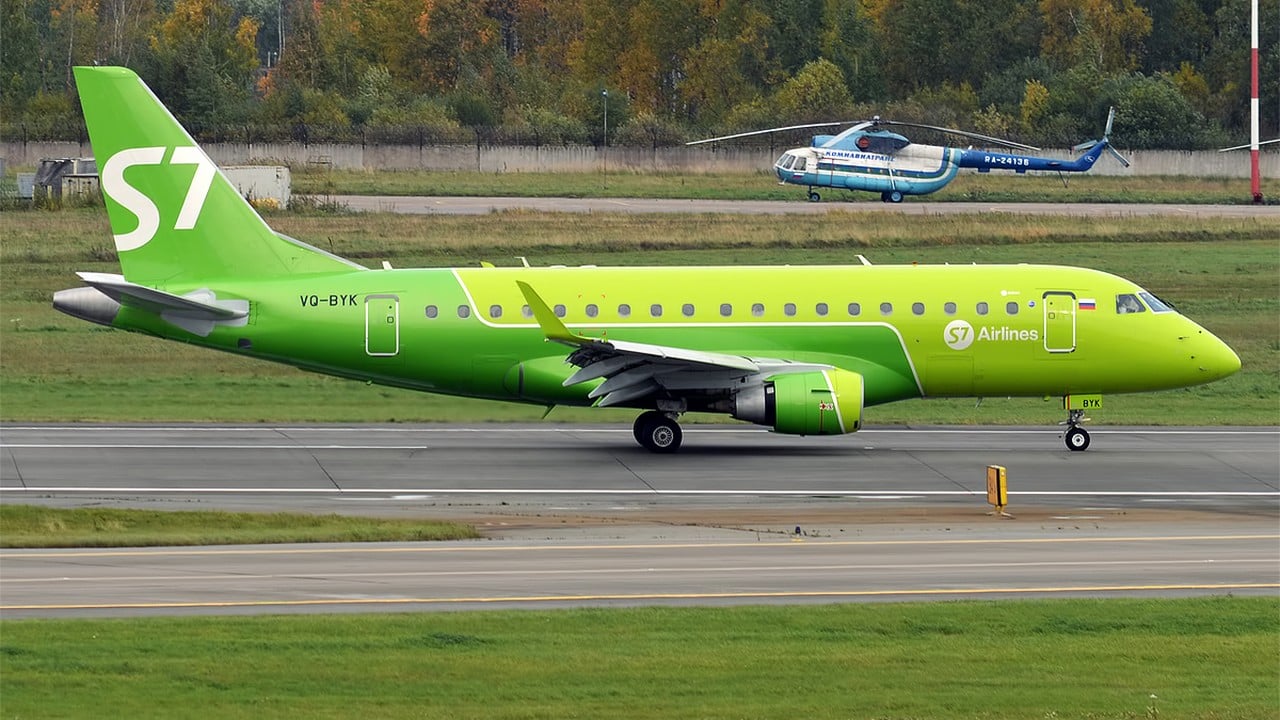
The passenger had a view of the wing and a phone. As the S7 Airlines Embraer 170 accelerated down the runway at Bratsk in Siberia, he filmed it. Snow was gradually sliding off the wing in the slipstream during the take-off roll.
That video has now grounded the crew. According to the Russian aviation news channel Aviatorshchina, which broke the story on Thursday 19 November 2026, S7 Airlines has opened an internal investigation into the flight and suspended its crew from flying while the investigation runs. Aviatorshchina’s headline names the captain.
Informations clés
- Compagnie aérienne: S7 Airlines (Siberia Airlines)
- Vol: S7-6444, Bratsk to Irkutsk, 9 November 2026
- Aéronef: Embraer 170
- Weather: Light snow, about −1°C, per weather reports cited by Aviatorshchina
- Allegation: Passenger says the wing was covered in snow and ice and was not de-iced
- Reported cause: One source says Bratsk airport could not provide a de-icing vehicle in time
- Action: Internal S7 investigation; crew suspended while it runs (reported by Aviatorshchina, 19 November)
- Blessures : Aucun signalement
Flight S7-6444 from Bratsk
The flight in question was S7-6444 from Bratsk to Irkutsk on 9 November, operated by one of the airline’s Embraer 170 regional jets. Aviatorshchina reports that the passenger complained afterwards that the wing had been covered with snow and ice and that the aircraft had not been de-iced before departure.
Weather reports for the time of departure showed light snow at Bratsk and a temperature of about −1°C, the channel says. Those are classic conditions for snow to stick to a cold wing and partly melt and refreeze.
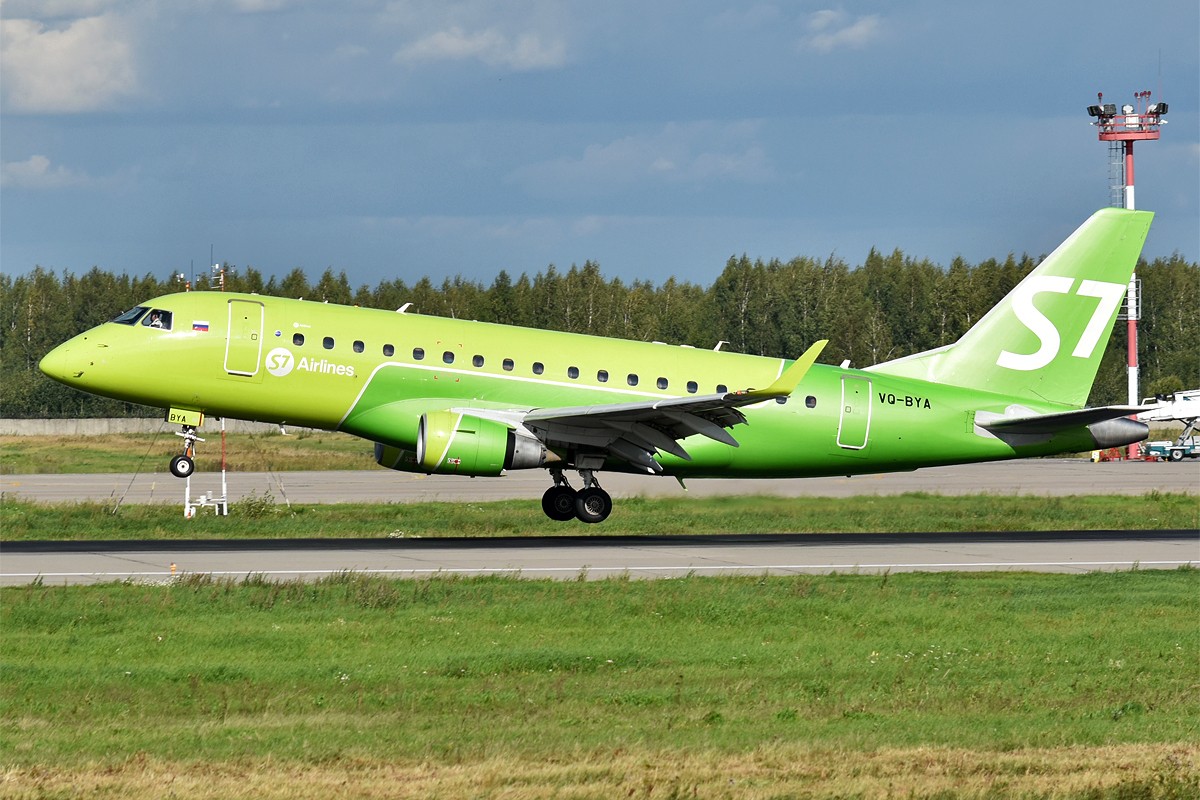
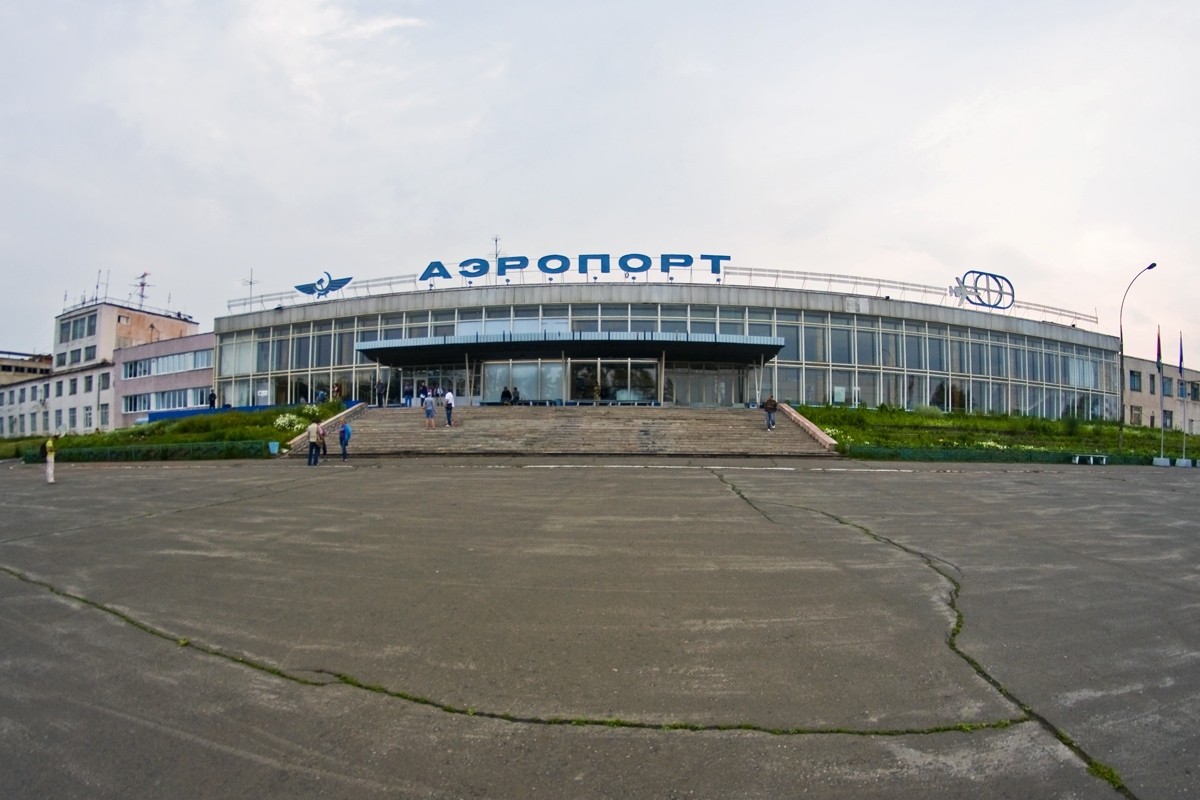
Aviatorshchina quotes two unnamed sources. One, described as familiar with the situation, said de-icing should have been carried out in these conditions. The other said Bratsk airport had problems with its de-icing equipment and could not provide a de-icing vehicle in time that day. According to that account, the captain walked round the aircraft, saw no ice deposits and decided to go. The channel adds that the aircraft ended up taking off with a clean wing.
None of these details had been confirmed in a public statement from S7 that Afterburner could find, and Russian outlets including TourDom and Lenta have so far repeated Aviatorshchina’s report. Treat the explanation about the airport’s equipment as one source’s account, not an established finding.
Why a little snow matters so much
A wing makes lift because of its carefully shaped, smooth upper surface. Even a thin, rough layer of frost, snow or ice can raise the stall speed and cut maximum lift, which is exactly what an aircraft does not need at rotation. That is why airline rules worldwide follow the “clean aircraft” principle. The US version, in the FAA’s airline operating rules, could not be blunter.
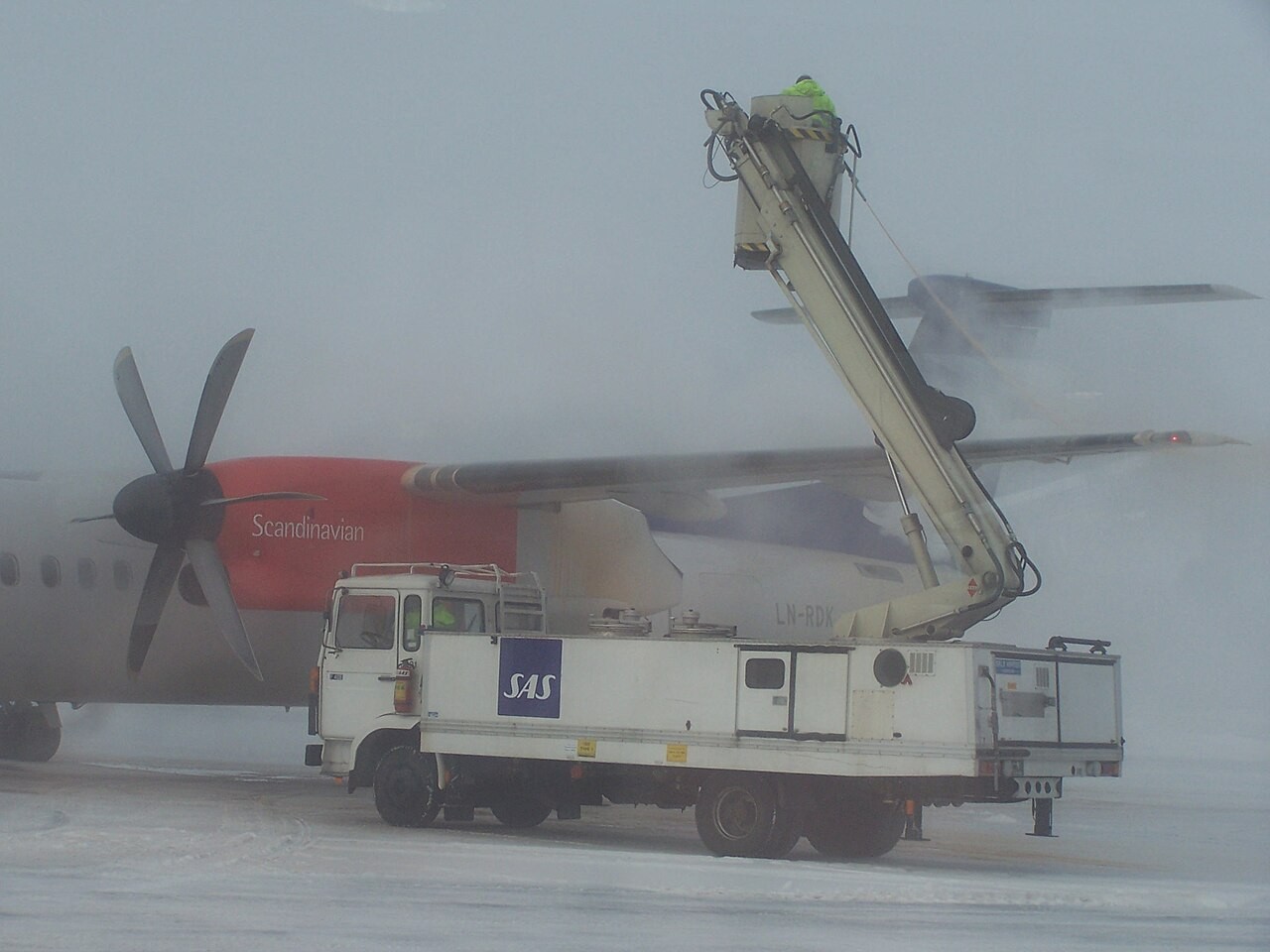
Snow that slides off during the take-off roll is no guarantee. Some may cling to the surface, and wet snow at around freezing can bond to the skin as ice. A crew that judges the wing clean from a walk-round is making a call that de-icing and anti-icing fluids, applied to a set procedure with a timed holdover, are meant to take out of human hands. We explain the fluids, the colour codes and the holdover clock in our guide to aircraft de-icing and anti-icing.
The Wall Street Journal explains how airports and airlines organise de-icing, the step that was reportedly skipped at Bratsk.
Not the first time for S7
Aviatorshchina recalls that this is not the first time a vigilant S7 passenger has raised the alarm. In October 2022, a passenger on an S7 flight from Moscow to Sochi reported that the aircraft had not been de-iced before departure in snowfall. After that complaint, the airline issued a bulletin to its crews banning taxi and take-off with snow or ice deposits on the aircraft’s critical surfaces.
According to the channel, that bulletin also drew on the findings of a Rosaviatsia commission into a serious incident with an S7 Airbus A321neo at Magadan in December 2021. The jet ran into severe icing in the climb and lost three air data systems, with conflicting airspeed readings. The commission found that only the wings and stabiliser had been treated before departure, while snow on the fuselage had not been removed. Rosaviatsia then recommended that airlines and airports ban starting a flight with any snow deposits on the aircraft, not just wet snow.
The danger of ice that goes unnoticed is well documented. On 27 December 1991, a Scandinavian Airlines MD-81 departing Stockholm Arlanda had clear ice on its upper wings that was missed after de-icing. Chunks broke off at take-off and were ingested by both engines, which failed. The crew put the jet down in a field at Gottröra, and all 129 people on board survived. We tell that story in our post on SAS Flight 751.
Que se passe-t-il ensuite ?
S7, headquartered near Novosibirsk, flies its Embraer 170s on regional routes that include Siberian airports such as Bratsk, where snow and sub-zero temperatures are routine for much of the year. The outcome of the internal investigation, and whether Rosaviatsia takes an interest, has not yet been reported.
Whatever the investigation finds about Bratsk’s equipment or the captain’s judgement, the case makes the same point as every winter before it. Snow on a wing is not a cosmetic problem. And in 2026, the passenger by the wing has a camera.
Sources: Aviatorshchina (Telegram, 19 Nov 2026), TourDom, Lenta, aeroTELEGRAPH, US eCFR 14 CFR 121.629, Wikipedia (S7 Airlines; Scandinavian Airlines Flight 751)
Header photo: Anna Zvereva / Wikimedia Commons, CC BY-SA 2.0


0 Comments