

Quick Facts
Date: April 10, 2026
Location: Kattegat strait — between Sweden and Denmark
Russian vessel: Kilo-class diesel-electric attack submarine
Swedish response: JAS 39 Gripen fighters (airborne overwatch) + Visby-class corvette (surface tracking)
Context: Russian submarine transits through Scandinavian waters have become a near-weekly occurrence
The Kattegat: NATO's Northern Chokepoint
The Kattegat is one of the most strategically important waterways in northern Europe. Every Russian submarine heading from the Baltic Fleet's bases to the open Atlantic must pass through it. The strait is shallow, narrow, and heavily monitored — a natural chokepoint where detection is almost guaranteed if you know what to look for. And Sweden, which joined NATO in 2024, knows exactly what to look for.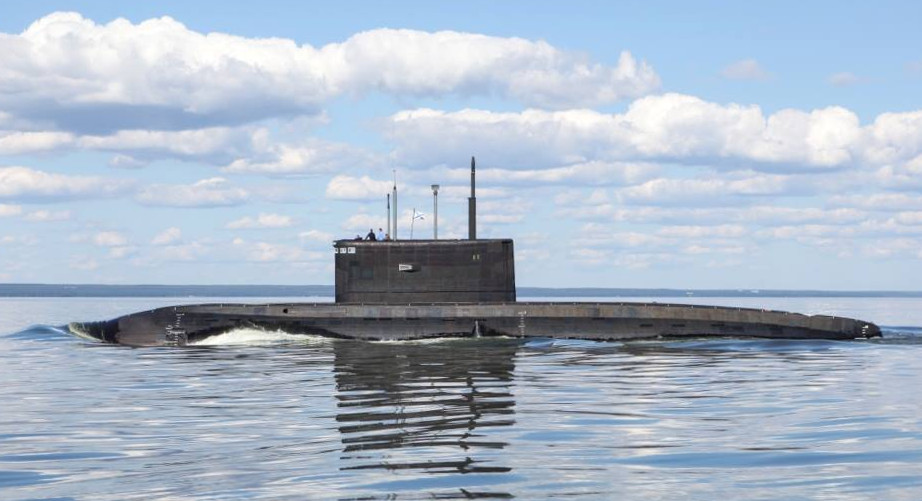
Sweden's New Role in NATO
Two years ago, these photographs would not have existed — at least not publicly. Sweden's accession to NATO in March 2024 transformed its military posture from one of quiet vigilance to active deterrence. Publishing intercept photos sends a deliberate signal: Sweden is not merely watching. It is showing that it is watching. The country brings formidable capabilities to the alliance. The Gripen is one of the few Western fighters designed from the ground up for dispersed operations — it can operate from highways, be refuelled and rearmed by conscript ground crews in under ten minutes, and get airborne again before an adversary can target the improvised airstrip. In a conflict scenario where fixed air bases might be hit early, this survivability is priceless. The photographs from the Kattegat are not just documentation. They are deterrence in action — a reminder that the Baltic is no longer a space where Russian submarines move unseen. Sources: The Aviationist, Swedish Armed Forces, Kyiv PostRelated Questions
What is the Kattegat strait?
The Kattegat is a shallow, narrow strait between Sweden and Denmark that connects the Baltic Sea to the North Sea. It is strategically vital because every Russian submarine heading from the Baltic Fleet's bases to the open Atlantic must pass through it. Heavily monitored, it forms a natural chokepoint where detection is almost guaranteed.
What is a Russian Kilo-class submarine?
The Kilo-class is a Russian diesel-electric attack submarine and one of the quietest conventional submarines in the world. It can carry Kalibr cruise missiles with a range of roughly 1,500 kilometres, which makes a single Kilo a mobile launch platform capable of reaching targets deep inside Western Europe.
When did Sweden join NATO?
Sweden joined NATO in March 2024, ending decades of military non-alignment. Membership shifted its posture from quiet vigilance to active deterrence, including publicly releasing intercept photos of Swedish fighters shadowing Russian forces over the Baltic Sea.
What makes the Saab JAS 39 Gripen unique?
The Saab JAS 39 Gripen is a Swedish multirole fighter designed from the ground up for dispersed operations. It can take off from public highways, be refuelled and rearmed by conscript ground crews in under ten minutes, and get airborne again quickly — survivability that is invaluable if fixed air bases are struck early. Brazil now builds its own supersonic Gripen E.
How does NATO track Russian submarines in the Baltic?
NATO uses layered intercept packages that combine air and surface assets. Over the Kattegat, Swedish forces paired JAS 39 Gripen fighters flying overwatch with a Visby-class stealth corvette tracking the submarine on the surface. These transits have become near-weekly, treated as both routine operations and valuable training. Romania's F-16s perform similar Baltic intercepts.
What is the Visby-class corvette?
The Visby-class is a Swedish stealth warship, among the most advanced surface combatants in any navy. Its low radar-signature hull lets it shadow surfaced submarines at a discreet distance as part of NATO's layered tracking in the Baltic, working alongside fighter aircraft overhead to keep constant watch on Russian movements.
Why do navies use aircraft to hunt submarines?
Aircraft give navies a fast, wide-area sensor that can reach a contact long before surface ships arrive, then cue and coordinate the rest of the force. In the Kattegat, Gripens provided airborne overwatch above a Russian Kilo-class boat. Other nations field dedicated patrol aircraft for the role, as when China's sub-hunter was caught over the East China Sea.
Related Posts


0 Comments