
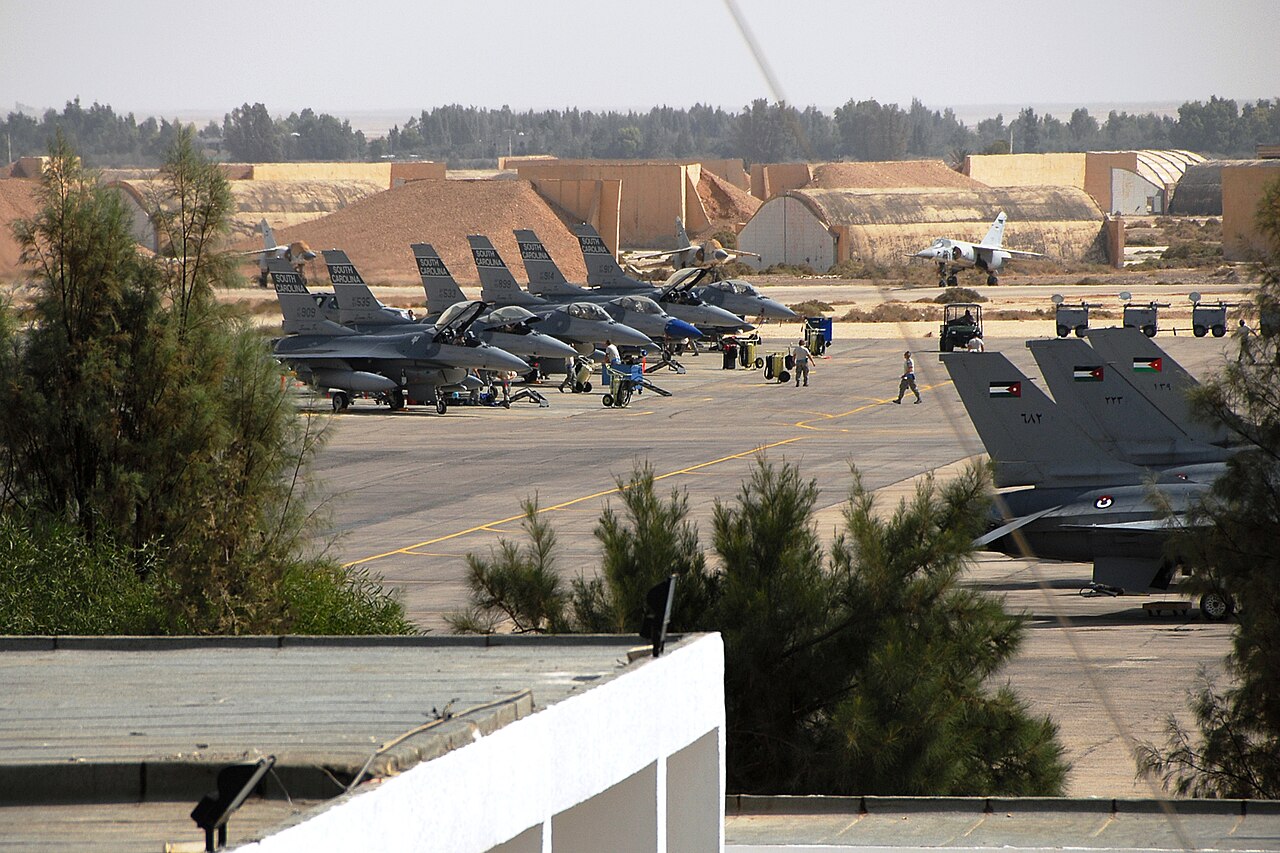
US Central Command struck five Iranian crude oil carriers on Tuesday 8 September 2026 and sank at least one of them, after the Islamic Revolutionary Guard Corps tried twice in two days to hit a US Navy warship with ballistic missiles. Iran answered overnight with a missile barrage aimed at Jordan — specifically at Muwaffaq Salti Air Base, the Jordanian field that hosts US air operations.
That is the third time in five days that the tanker fleet has been the currency of this exchange, and the first time Iran has reached as far west as Jordan in response.
Informazioni rapide
| Quello che è successo | CENTCOM struck five Iranian crude oil carriers; at least one sank |
| Quando | Tuesday, 8 September 2026 |
| Dove | Four in the Gulf of Oman, one near Kharg Island in the Persian Gulf |
| Vessels named | M/T Kaviz, M/T Charminar, M/T Horizon 1, M/T Riesco, M/T Derya |
| Motivo dichiarato | Two IRGC ballistic-missile attempts on a US Navy warship over two days |
| vittime statunitensi | None. CENTCOM says the warship evaded and continued patrolling |
| Iranian response | Ballistic missiles at Jordan, targeting Muwaffaq Salti Air Base |
| Jordanian air defence | 20 ballistic missiles engaged, 18 destroyed, 2 fell in unpopulated areas, no deaths |
| Also on Tuesday | US sanctions on 27 Iranian airlines and nine service providers linked to Mahan Air |
What CENTCOM says it did
Four crude oil carriers were struck in the Gulf of Oman and one near Kharg Island, the hub of Iranian oil exports in the Persian Gulf. CENTCOM said US forces instructed the crews to abandon ship before striking. Iranian state media said the crews of two vessels were brought ashore in lifeboats. Released footage appeared to show missiles hitting in the area of the tankers’ engine rooms; one clip shows the M/T Riesco on fire and sinking.
CENTCOM’s stated justification is that the vessels formed part of a multi-billion-dollar shadow network financing the IRGC — the same rationale it gave for the three tankers struck over the weekend, after an Iranian attempt on a US aircraft carrier and a guided-missile destroyer.
Why tankers
The American strategy in this phase of the conflict is economic. Rather than mass strikes inland, the effort is concentrated on the Strait of Hormuz: striking or disabling targets around the strait, escorting commercial traffic through it, and maintaining a naval blockade of Iranian ports. Sinking the ships that move sanctioned crude attacks the revenue directly.

Iran’s answer landed on an air base
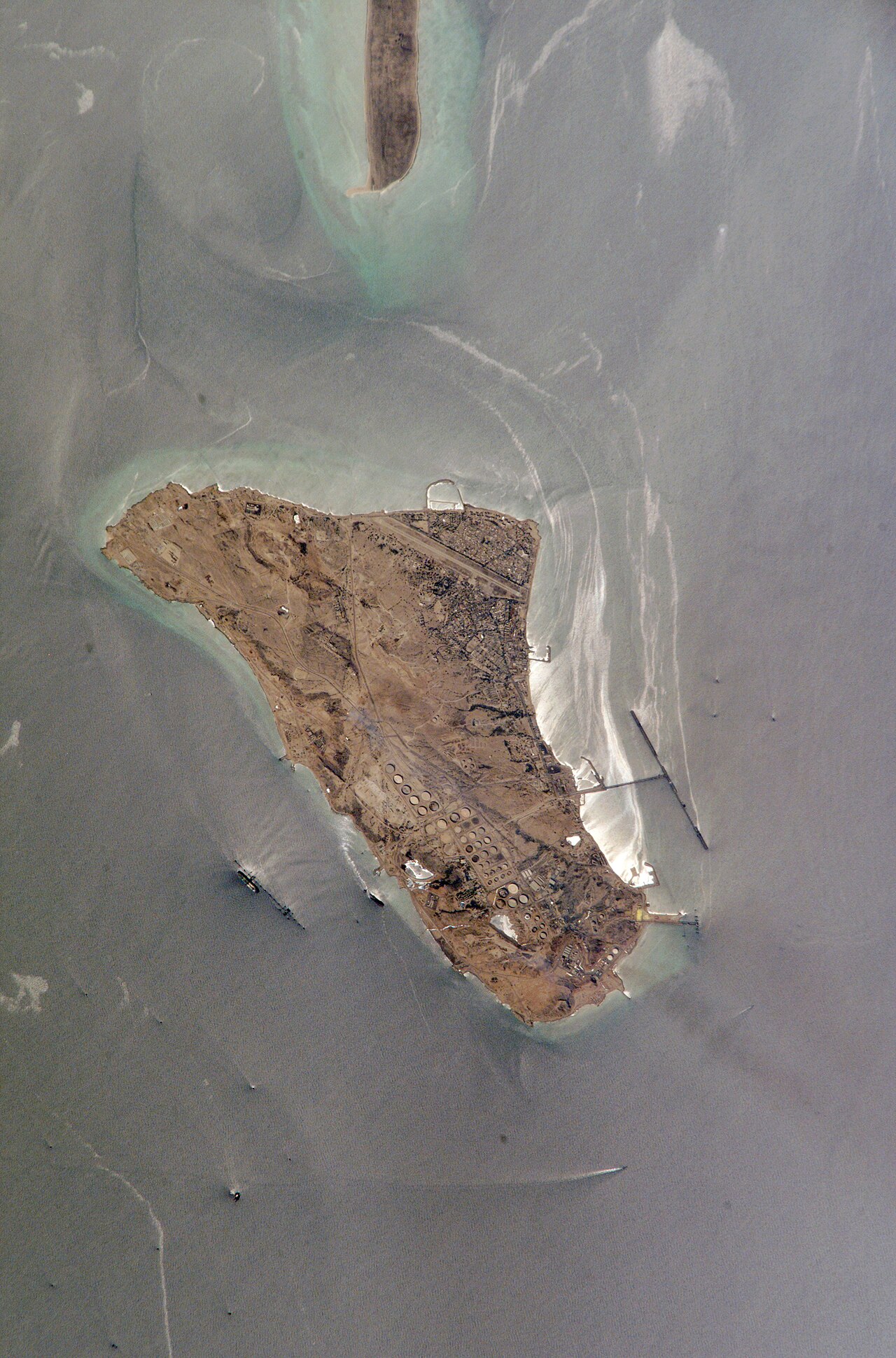
The retaliation is the part that matters for anyone watching the air war. Iran fired ballistic missiles at Jordan, and said it was targeting Muwaffaq Salti Air Base — the Jordanian field at Azraq that is the principal host for US air operations in the country. According to the Iranian agency Fars, the IRGC claimed it had hit maintenance facilities and a dispersal site for F-35, F-16 E F-15 aircraft, causing considerable damage.
The Jordanian account is very different. The Jordanian army said its air defences engaged 20 ballistic missiles, destroyed 18 of them, and that the remaining two fell in unpopulated areas. No deaths were reported. Neither the Iranian damage claim nor the full Jordanian picture can be independently verified, and the gap between the two accounts is wide enough that readers should treat the IRGC figure as a claim rather than a fact.
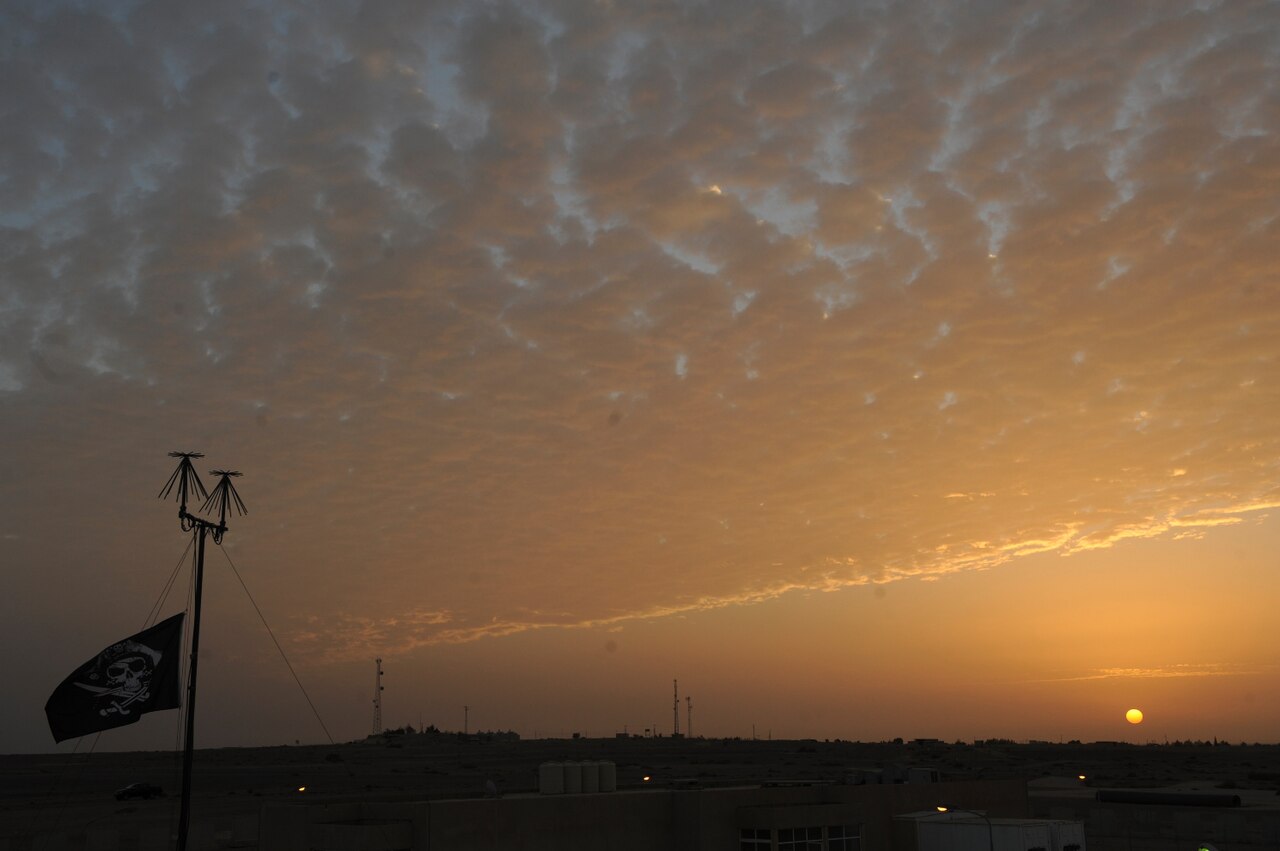
This is also not the first time the base has featured in this conflict. It was in the frame a week ago, when US strikes on Iranian air defences coincided with missiles falling on Jordan.
The escalation everyone is now watching
Two things about Tuesday worry analysts more than the tanker losses.
The first is the geography. The shipping intelligence firm Marisks said the attack on Jordan “represents a significant geographic expansion of direct Iranian military activity and demonstrates the growing risk of the conflict spilling beyond the principal belligerents”.
The second is the weapons. Mohsen Rezai, secretary of Iran’s Supreme National Security Council, said on state radio that a new type of anti-ship missile had been used for the first time, calling it an important warning to the enemy that the naval blockade is vulnerable. US officials told the Wall Street Journal that Iran’s repeated attempts on US warships raise the possibility of more advanced weapons and of targeting assistance from China or Russia. Hamidreza Azizi of the International Crisis Group described the increased quality and quantity of Iranian missiles as a pattern of gradual escalation.
Iran also threatened, for the first time, to hit tankers sitting in port rather than in transit. State broadcaster IRIB quoted the IRGC warning crews aboard tankers near ports in Kuwait and Bahrain to leave their vessels immediately, whether at anchor or docked, because the vessels would be targeted.
And a quieter aviation story
On the same day, the US administration acted against Iran’s airline industry, sanctioning 27 Iranian airlines and nine service providers and sales agents accused of supporting Mahan Air, which has been under sanction since 2011 and is accused of providing key support to the IRGC. For a country whose civil fleet already struggles for parts, that is a slow-acting but serious measure.

Domande frequenti
How many Iranian tankers did CENTCOM strike on 8 September 2026?
Why did the United States strike Iranian oil tankers?
Were the tanker crews warned before the strikes?
What did Iran hit in Jordan?
What is Muwaffaq Salti Air Base?
Did Iran use a new missile?
What sanctions did the US impose on Iranian aviation?
Is the Strait of Hormuz still closed?
Sources: US Central Command statement on X, 8 September 2026; CNN, “US strike sinks Iranian tanker, sparking retaliatory missile barrage at Jordan”, 8 September 2026; Keystone-SDA/dpa report via watson.ch, 8–9 September 2026; Jordanian state news agency Petra; Iranian agencies Mehr, Tasnim, Fars and IRIB.


0 Comments