
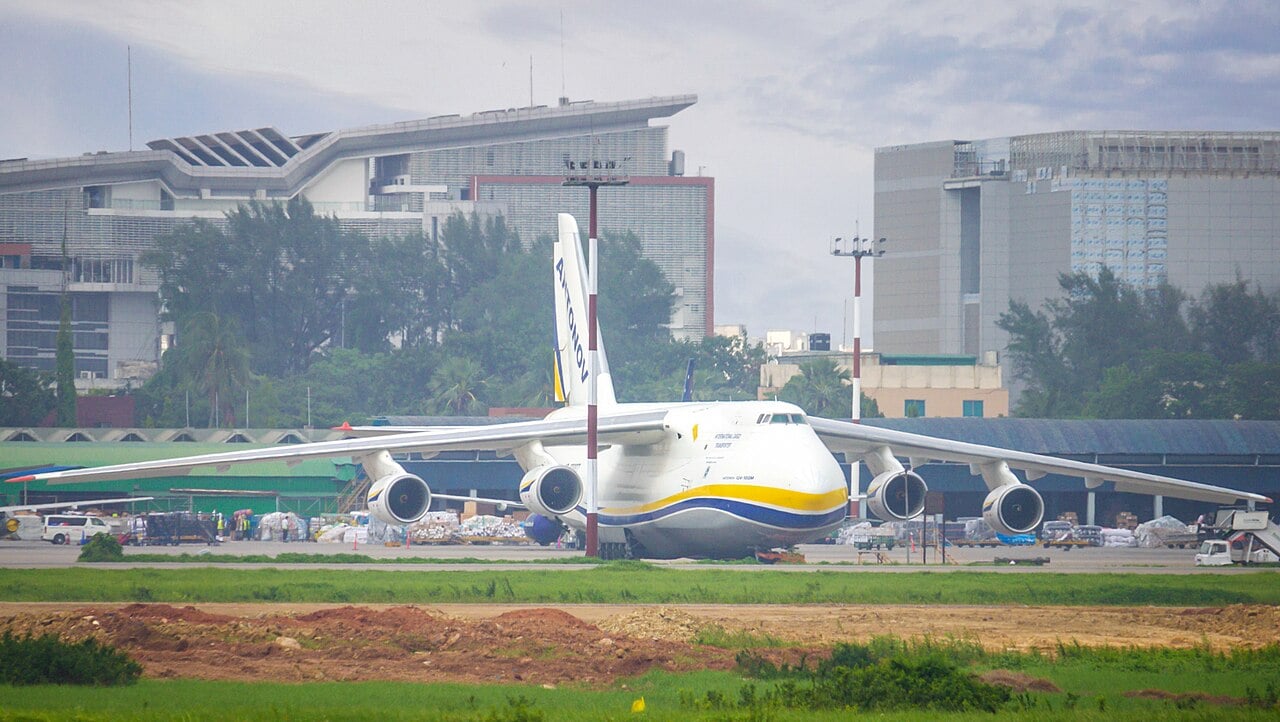
There are two aircraft in the world that can pick up something genuinely enormous and fly it a very long way. One is Ukrainian and first flew in 1982. The other is American and stopped being built in 2015.
Europe owns almost none of either, and the arrangements that let it borrow them are running out.
Last week the European Defence Agency published the conclusions of an eighteen-month study into what to do about that. The answer, stripped of diplomatic padding, is that Europe will have to either rebuild somebody else’s aeroplane or design its own — and that member states have until roughly the early 2030s to decide which.
Informazioni rapide
| The study | European System for Outsized Cargo Airlift (ESOCA), 18 months of work |
| Coordinated by | Airbus Defence and Space, with Leonardo and Safran among the participants |
| Commissioned by | European Defence Agency (EDA) |
| The options | Deep modernisation of the An-124 fleet, a new European C-17 replacement, or both |
| Passo successivo | EU member states discuss the findings in Brussels in October 2026 |
| SALIS contract | Antonov Airlines charter arrangement for NATO states expires in the early 2030s |
| EU C-17 fleet | Three aircraft based in Hungary, expected to reach end of service life in the 2040s |
| An-124 fleet at Leipzig/Halle | Five Antonov Airlines aircraft, average age just under 37 years |
The problem nobody wanted to own
This is not a new discovery. EU member states wrote down the risk years ago in a defence cooperation paper, noting a potential gap in strategic air transport for outsize cargo, and observing that you cannot simply go and buy aircraft like the Antonov An-124 because nobody makes them.
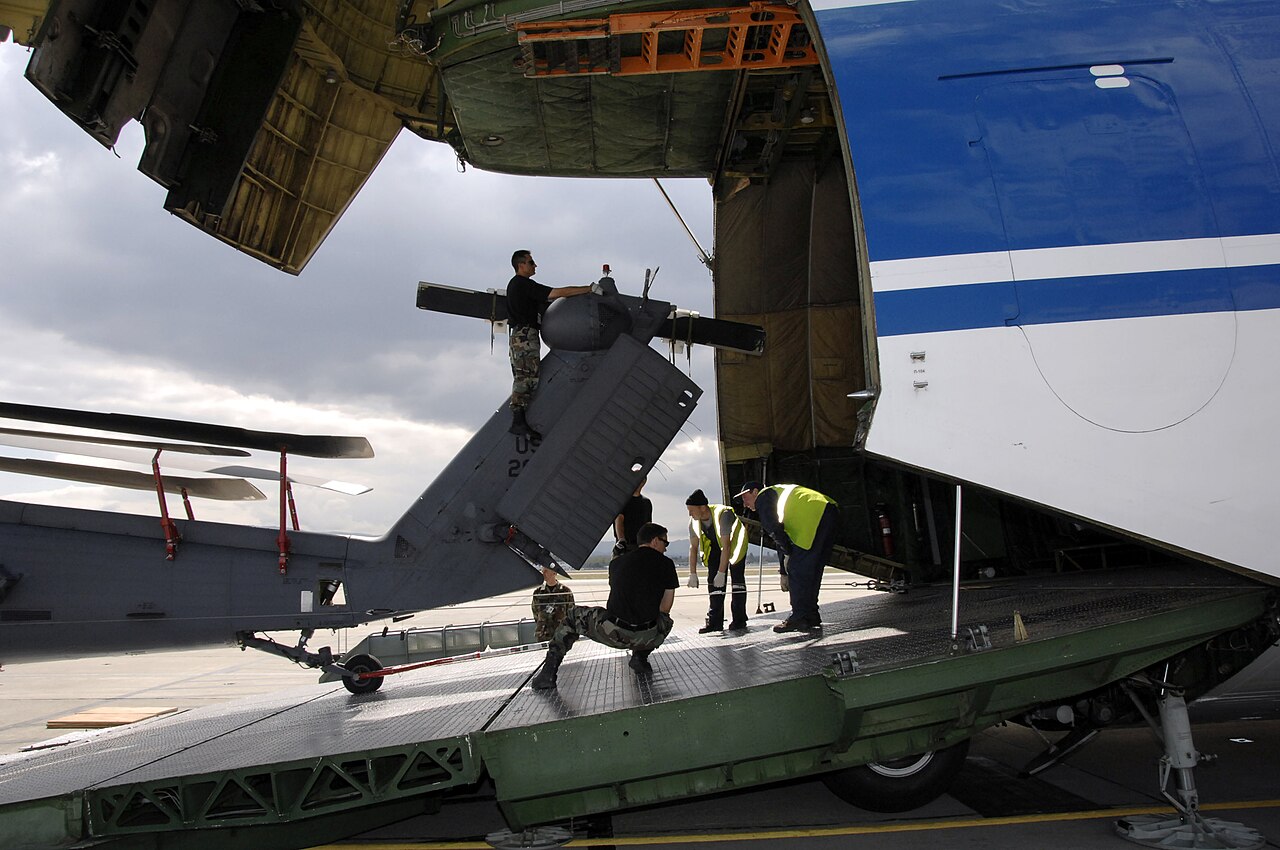
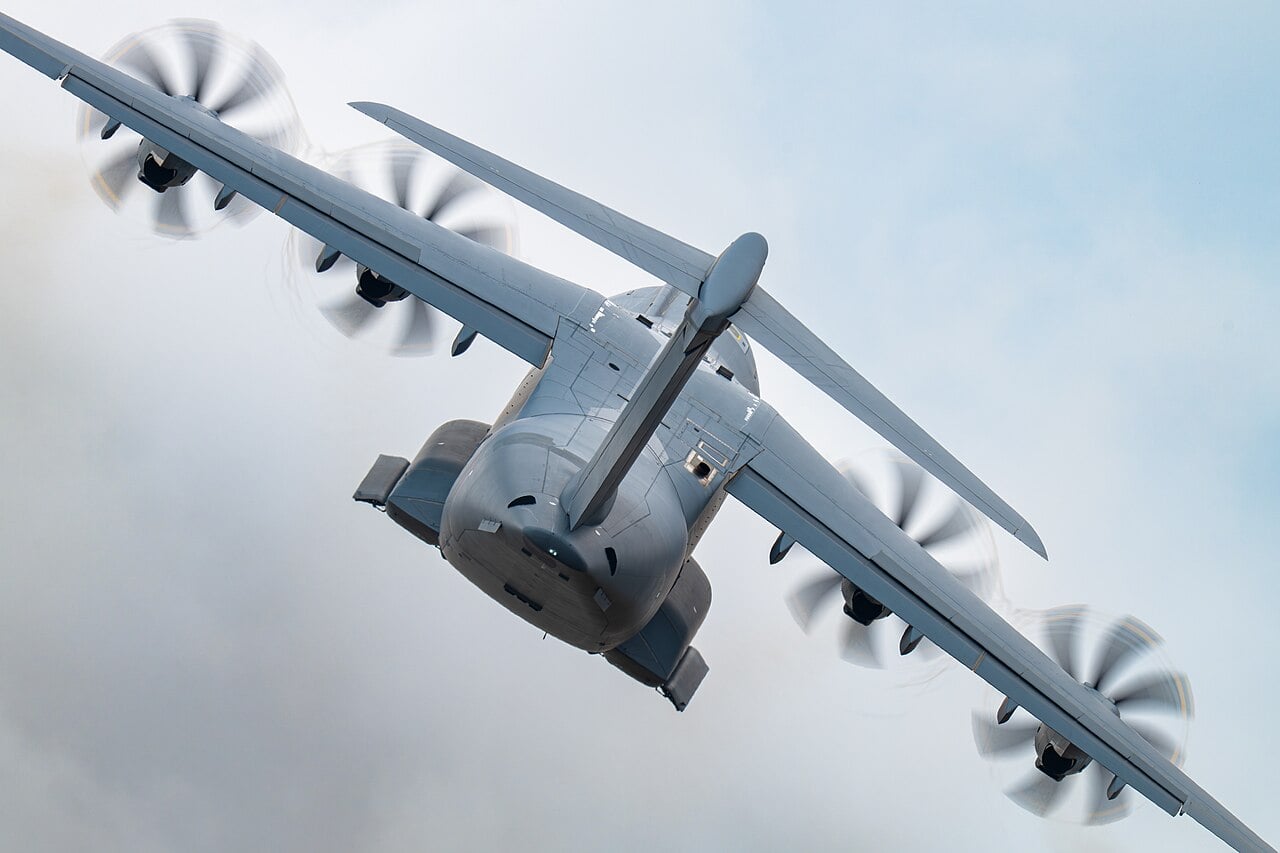
The A400M is a genuinely good aeroplane and a European success story, but it was designed as a tactical airlifter. It lands on short strips near the fight. It was never meant to swallow a Chinook whole.
Two doors, both expensive
The EDA was blunt about the trajectory.
Its summary of the ESOCA findings names the long-term alternatives as a deep modernisation of the An-124 fleet, or the development of a new European aircraft to replace the C-17, or both, alongside other workable options it did not specify. Details go to EU member states in Brussels in October.
Each path has an obvious problem. Modernising An-124s means investing heavily in a Ukrainian-designed airframe whose production line no longer exists and whose average age in the Leipzig/Halle fleet is already just under thirty-seven years. Building a European strategic airlifter means a programme measured in decades and tens of billions — the A400M was launched in the early 2000s and did not enter service until 2013, and it is the smaller, easier aircraft.
The fleet Europe actually flies on
Antonov Airlines currently operates five An-124s out of Leipzig/Halle. Since July 2025 a sixth Ukrainian aircraft has been sitting at the same airport: UR-82073, named Be brave like Irpin, which the airline says has been comprehensively modernised. It has not said what that involved.
That aircraft is quietly the most interesting object in the whole debate. If a meaningful An-124 upgrade already exists and flies, the modernisation option stops being theoretical.
One route that has closed is Airbus Beluga Transport. The company set up a commercial freight airline around the old Beluga ST fleet, aimed squarely at space and military customers, and shut it down a few years later. The original Belugas are becoming museum pieces.
Sam Chui’s ride inside an An-124, watched more than four million times, is the best available answer to why none of this is easily replaced: the cargo bay is a hangar with wings, and the aircraft was built around it.
What October actually decides
Not the aircraft. October is the meeting where twenty-seven governments discover how much each option costs and start arguing about who pays and whose factories build it.
The deadline pressure is real, though. SALIS expires in the early 2030s. The Hungarian-based C-17s run out in the 2040s. A new aircraft ordered today would be lucky to fly before the first of those dates and would be in service well after the second. Europe has spent twenty years renting the capability it decided not to build. The bill for that decision now has a date on it.
Sources: European Defence Agency, aeroTELEGRAPH, Airbus Defence and Space, Antonov Airlines, NATO SALIS programme documentation.

0 Comments