
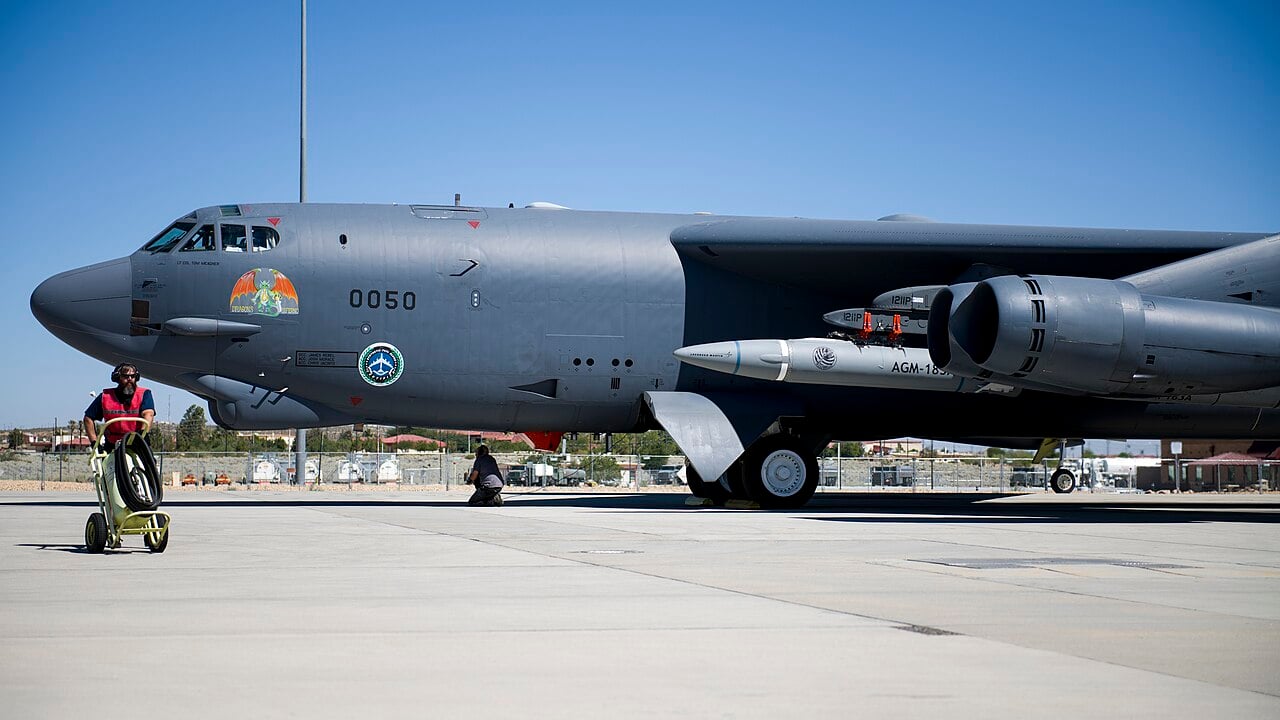
Three and a half years ago, the US Air Force told Congress it would not buy the AGM-183A Air-Launched Rapid Response Weapon. On 26 October 2026 it announced that it had done exactly that. The Department of the Air Force has handed Lockheed Martin a $694 million contract to produce and field the ARRW hypersonic missile, a boost-glide weapon it once tried to cancel.
The timing is unusual. The contract was executed on 29 September, but the service only disclosed it four weeks later, on 26 October. It also declined to say how many missiles it is buying or when they will be delivered. Air & Space Forces Magazine reports that the quantities are classed as controlled unclassified information.
Informazioni rapide
- Arma: AGM-183A Air-Launched Rapid Response Weapon (ARRW)
- Contractor: Lockheed Martin
- Contrarre: $694 million for production and fielding
- Executed: 29 September 2026; announced 26 October 2026
- Tipo: Boost-glide hypersonic missile, faster than Mach 5
- Carriers: B-52 first; B-1 integration planned
- Quantity: Not disclosed
- Storia: Moved to cancel in 2023, revived in 2025
From test to production
In its release, the US Air Force said the award marks the formal transition of the program from prototyping and flight testing into production. The deal was placed under the Department of War’s Enterprise-Wide Agile Acquisition Contract.
Both of the service’s top leaders put their names to the announcement. Chief of Staff Gen. Ken Wilsbach said fielding ARRW improves the Air Force’s ability to hold targets at risk anywhere in the world, and called it a flexible and rapid response option for highly contested environments. Secretary Troy Meink went further.
ARRW is a boost-glide weapon. A rocket booster carries it to high speed and altitude, then falls away and releases a wedge-shaped glide vehicle. That vehicle flies to its target through the upper atmosphere at more than five times the speed of sound, and it can manoeuvre on the way, which makes it far harder to track and intercept than a ballistic warhead.
The weapon the Air Force nearly killed
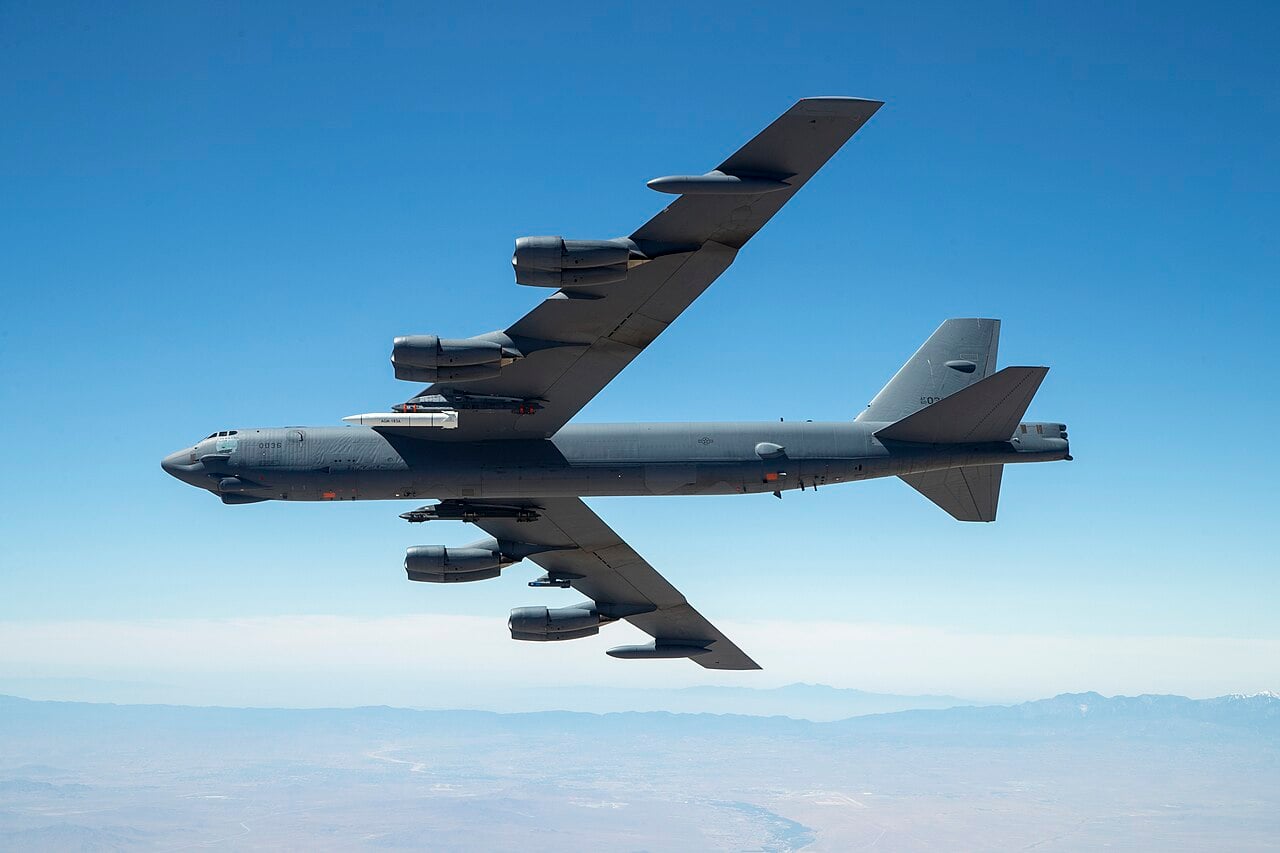
ARRW began in August 2018 with a design contract worth up to $480 million. In June 2019 a B-52 Stratofortress from Edwards Air Force Base carried an instrumented test article aloft for the first captive-carry flight. Then the program hit a wall.
Three launch attempts in 2021, in April, July and December, all failed. The first successful booster test came in May 2022, when the missile separated from a B-52H, fired its rocket and passed Mach 5. In December 2022 the first all-up-round test, with booster and glide vehicle together, was declared a success. But the next all-up-round shot, in March 2023, failed, according to then-Air Force Secretary Frank Kendall.
US Air Force footage of the first ARRW captive-carry flight under a B-52 from Edwards Air Force Base in June 2019.
On 29 March 2023, the Air Force’s acquisition chief Andrew Hunter told lawmakers that ARRW would not proceed to procurement. The service said it would finish the remaining tests for the data and put its money into the air-breathing Hypersonic Attack Cruise Missile instead. Its fiscal 2025 budget request carried no ARRW procurement funds at all.
A quiet comeback
The tests went on regardless. In February 2024 the Air Force published images of an ARRW with live-warhead markings under a B-52H at Andersen Air Force Base on Guam, and in March 2024 a B-52 flying from Andersen launched the final planned end-to-end test over the Reagan Test Site in the Marshall Islands. The service said only that it had gained valuable insights.
By June 2025 the tone had changed completely. Then-Chief of Staff Gen. David Allvin told the House Armed Services Committee that ARRW was back in the budget, alongside HACM.
The fiscal 2026 budget then funded the first missiles, and the 2027 request, according to TWZ, also asks for money to develop an ARRW Increment 2 with a terminal seeker and a data link. That would let the weapon hit moving targets, including ships, a capability TWZ ties directly to a potential conflict with China in the Pacific.
Who carries it
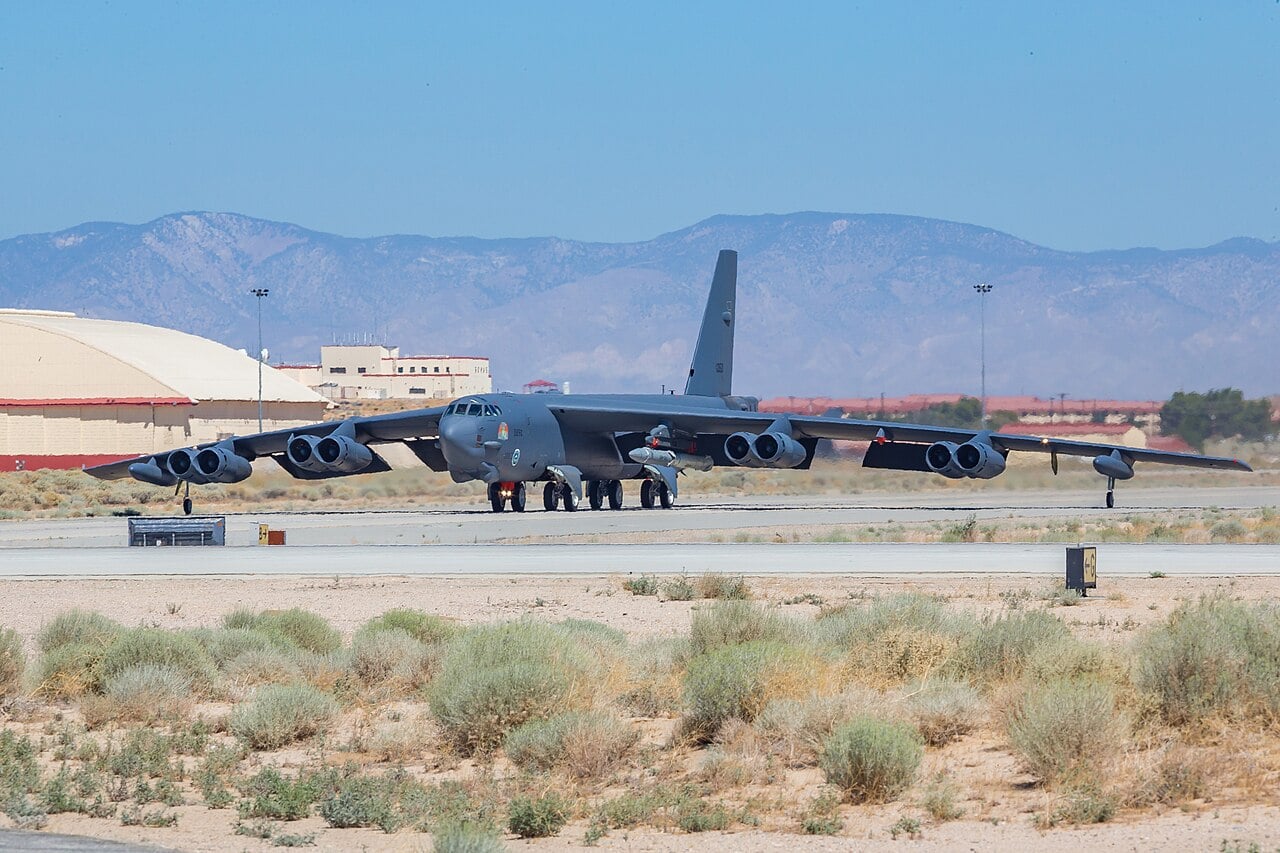
ARRW is too large for most fighters. It will be fielded first on the B-52, and the Air Force has also said it plans to integrate it on the B-1 Lancer.
There is a funding catch. Air & Space Forces Magazine notes that the 2027 request includes $452 million for ARRW production, but that budget is stalled in Congress and the Pentagon is running on a continuing resolution at 2026 levels. HACM, meanwhile, has only just begun flight testing.
That leaves a strange outcome. The hypersonic missile the Air Force wrote off in 2023 is now the first one it is putting into production. ARRW was supposed to be the program that taught lessons for others. Instead, it will be the weapon that reaches the bomber force first.
Sources: US Air Force (Department of the Air Force release, 26 Oct 2026), Air & Space Forces Magazine, TWZ, DefenseScoop, The Defense Post, Wikipedia (AGM-183 ARRW)
0 Comments