
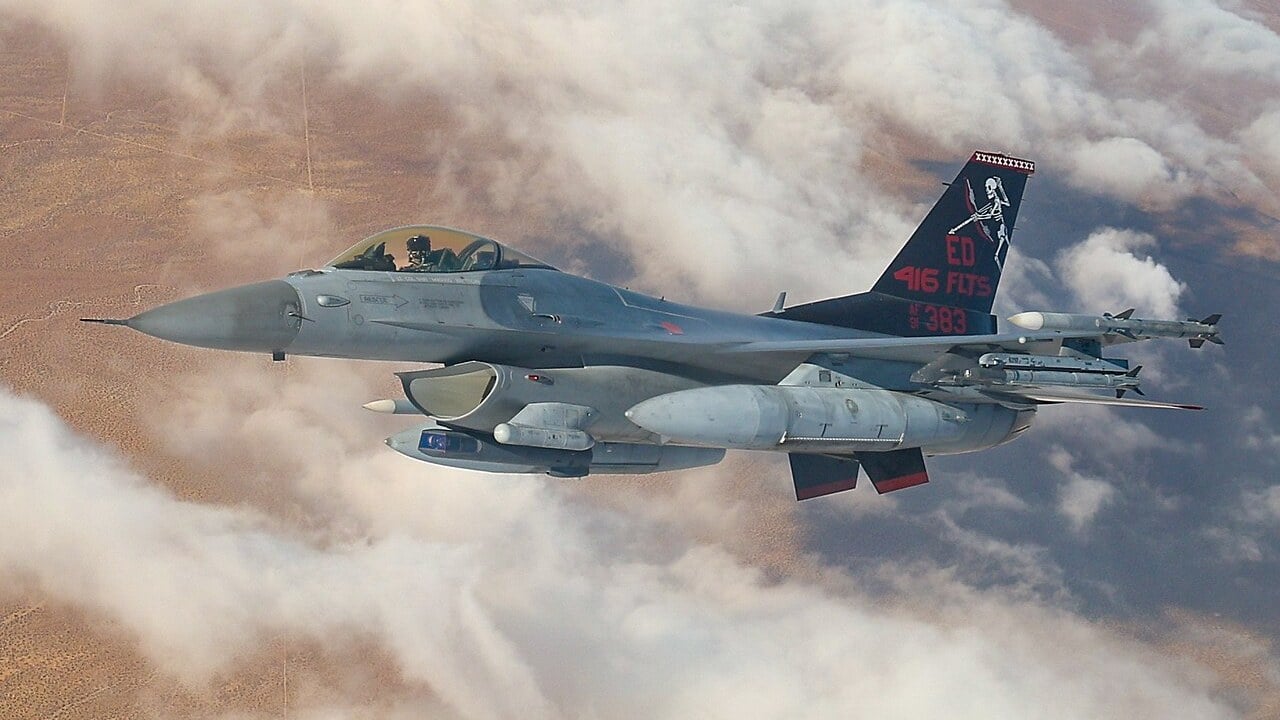
Blackbeard has a new ride. On Monday, 26 October 2026, Castelion announced that it has received a contract modification under its existing work with the Air Force Research Laboratory (AFRL) to begin integrating its Blackbeard hypersonic weapon on the F-16 Fighting Falcon.
Until now, Blackbeard has been a Navy and Army story, racing towards service on the F/A-18E/F Super Hornet and on a ground launcher. The F-16 brings the Aeronautica militare degli Stati Uniti fighter fleet into the picture for the first time.
Castelion did not say what the modification is worth, how long the integration work will run, or when an F-16 might first carry or fire the weapon. The Air Force has not commented publicly, according to Defence Blog.
Informazioni rapide
- Annunciato: 26 October 2026, by Castelion
- Che cosa: Contract modification to begin Blackbeard integration activities on the F-16
- Cliente: Air Force Research Laboratory (AFRL), under existing Castelion work
- Value / timeline: Not disclosed
- Arma: Blackbeard, designed to fly above Mach 5 while manoeuvring in the atmosphere
- Navy status: Super Hornet integration; Early Operational Capability targeted for 2027; production order for 444 rounds in September 2026
- Azienda: Castelion, founded 2022 by former SpaceX engineers, Torrance, California
“Aim High”
The news came the way much of Castelion’s news arrives: a short post on X, signed off with the Air Force motto. The company thanked the service for its trust and said the award was a modification of its existing AFRL work, not a separate new contract.
That detail matters. As The Aviationist and Defence Blog both point out, the F-16 effort runs through AFRL, separate from the Navy’s Super Hornet integration contract. And nothing in the announcement says whether it is meant to lead to an operational weapon in Air Force squadrons or to serve, at least at first, as a research and demonstration effort. No decision to buy Blackbeard for front-line F-16 units has been announced.
In September, AFRL added $16.4 million to an existing Castelion contract for a low-cost, mass-producible long-range strike weapon, taking its total from $20.9 million to $37.2 million. Castelion has not said whether the F-16 work sits under that same contract.
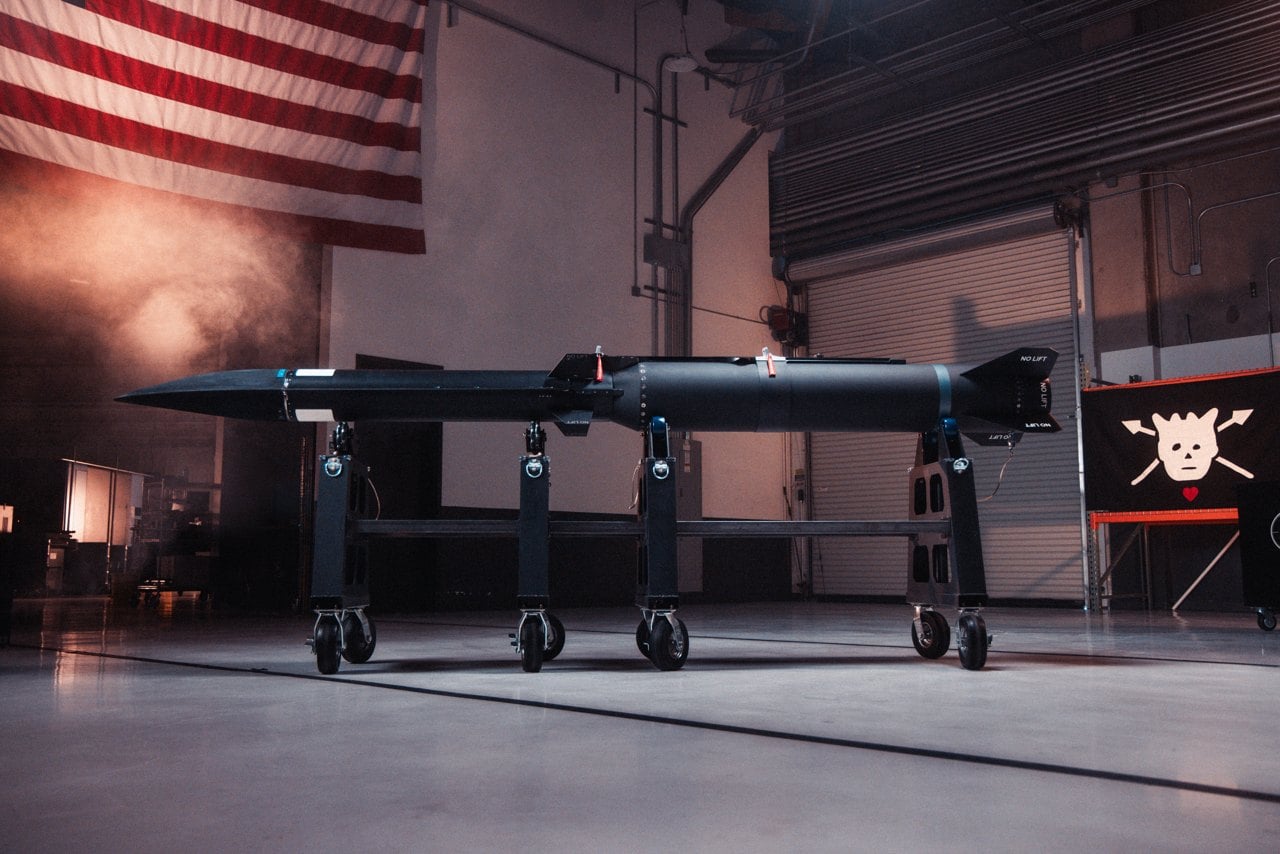
The Air Force was the first customer
There is a neat circle here. Castelion’s own company history lists its first contract, in May 2023, as a Direct-to-Phase 2 Small Business Innovation Research award from AFRL to demonstrate a new approach to low-cost strike weapon development. The Navy grabbed the headlines later, but the Air Force laboratory was there at the start.
Founded in 2022 by former SpaceX engineers and headquartered in Torrance, California, Castelion pitches Blackbeard as a hypersonic weapon designed for the production line rather than for the hand-built, gold-plated end of the market. It is designed to fly above Mach 5 while manoeuvring inside the atmosphere, which makes it far harder to intercept than a weapon on a predictable ballistic path.
The company is building a 1,000-acre manufacturing campus called Project Ranger at Rio Rancho, New Mexico, with a target of 500 weapons a year.
Twelve months, three services
The pace has been remarkable. In October 2025 Castelion announced integration contracts with both the Army and the Navy worth about $90 million combined. In April 2026 the Navy awarded $105 million to integrate Blackbeard on the Super Hornet and fly it in live-fire tests, with Early Operational Capability targeted for 2027. June brought an order for 50 pre-production weapons for $23.4 million, and in August the Navy added nearly $90 million to move the weapon towards a Navy programme of record.
Then, in September, came a production delivery order worth up to $200 million covering 444 all-up rounds, which Afterburner covered in Blackbeard Goes Into Production: 444 Rounds and an Air Force Cheque. Around the same time, the Navy released photos of a Super Hornet carrying a pair of the weapons on a developmental test flight.
Castelion’s own look at Blackbeard, which it bills as the first low-cost, mass-produced US hypersonic weapon.
The Aviationist notes that the experience gained on the F/A-18 could help speed up the F-16 work, though every airframe brings its own certification requirements: carriage loads, separation testing, software and safety reviews all have to be repeated for a new aircraft.
Why the F-16 matters
The F-16 is the most numerous fighter in the US Air Force, and Defence Blog points out that it is also flown by more than two dozen other countries. Castelion has not said whether the integration work covers export versions of the jet, but the Navy’s August award already funded design changes intended to make Blackbeard easier to export to allies.
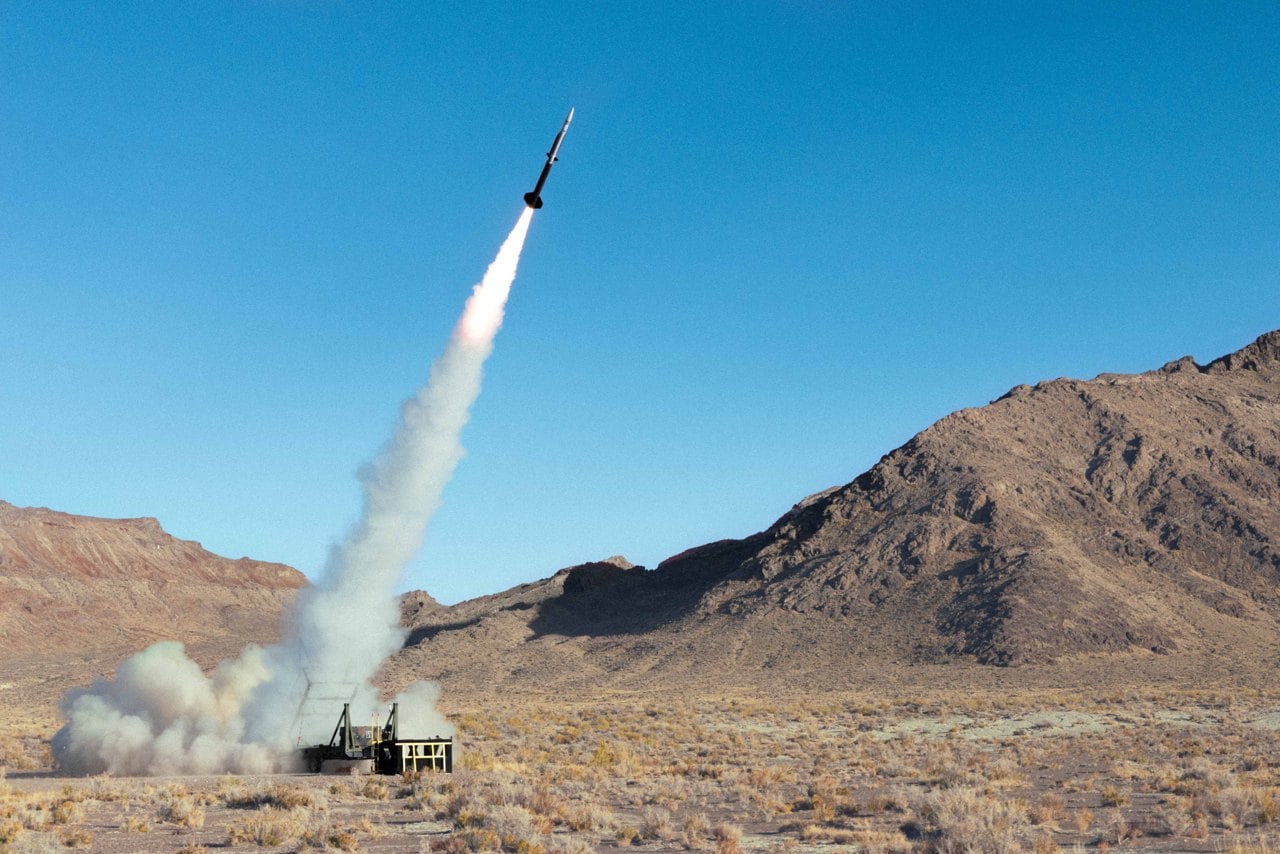
The Air Force is also pursuing its own, more traditional hypersonic programmes, including the AGM-183 ARRW and the Hypersonic Attack Cruise Missile (HACM). A cheap, mass-produced Castelion Blackbeard on its most common fighter would be a very different proposition from a handful of expensive rounds.
For now, it is a laboratory contract with no price tag and no timeline. But a weapon from a company that did not exist five years ago is now being integrated by the Navy, wanted by the Army, and bolted, at least on paper, to the Air Force’s workhorse fighter. Few weapons have moved that fast.
Sources: Castelion (X post and company statements), The Aviationist, Defence Blog, Sandboxx News, Aviation Week

0 Comments