
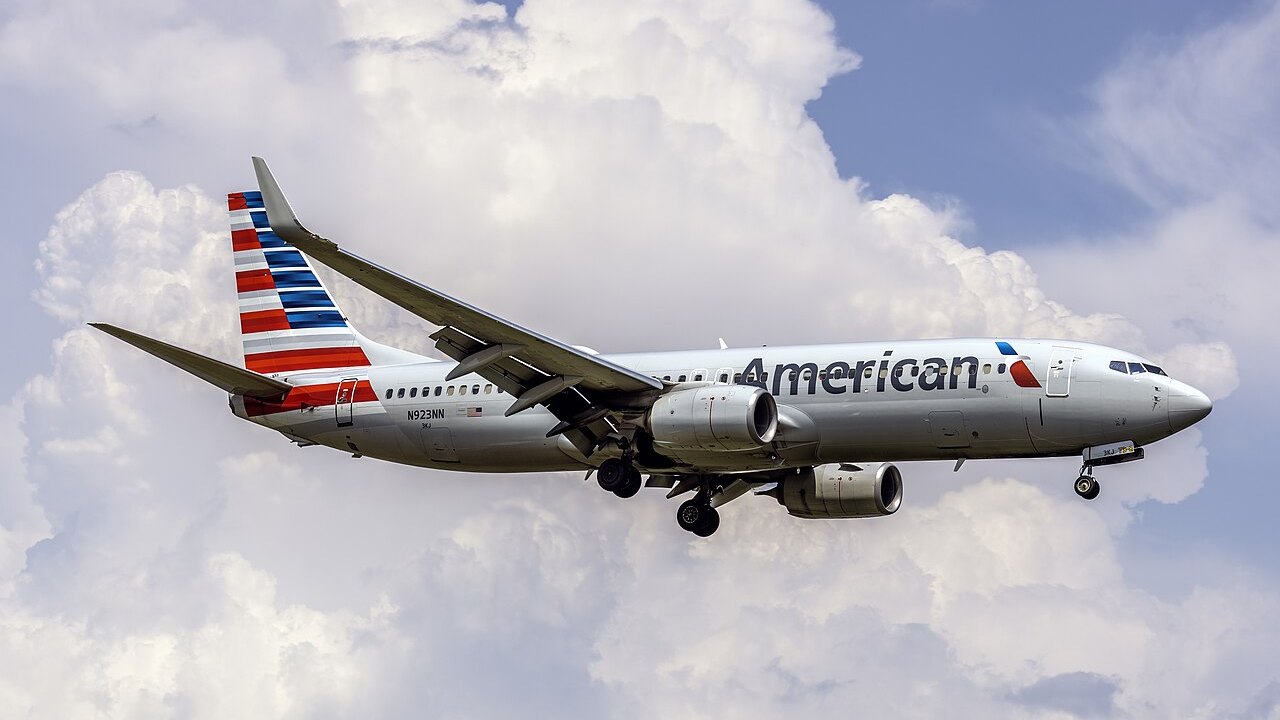
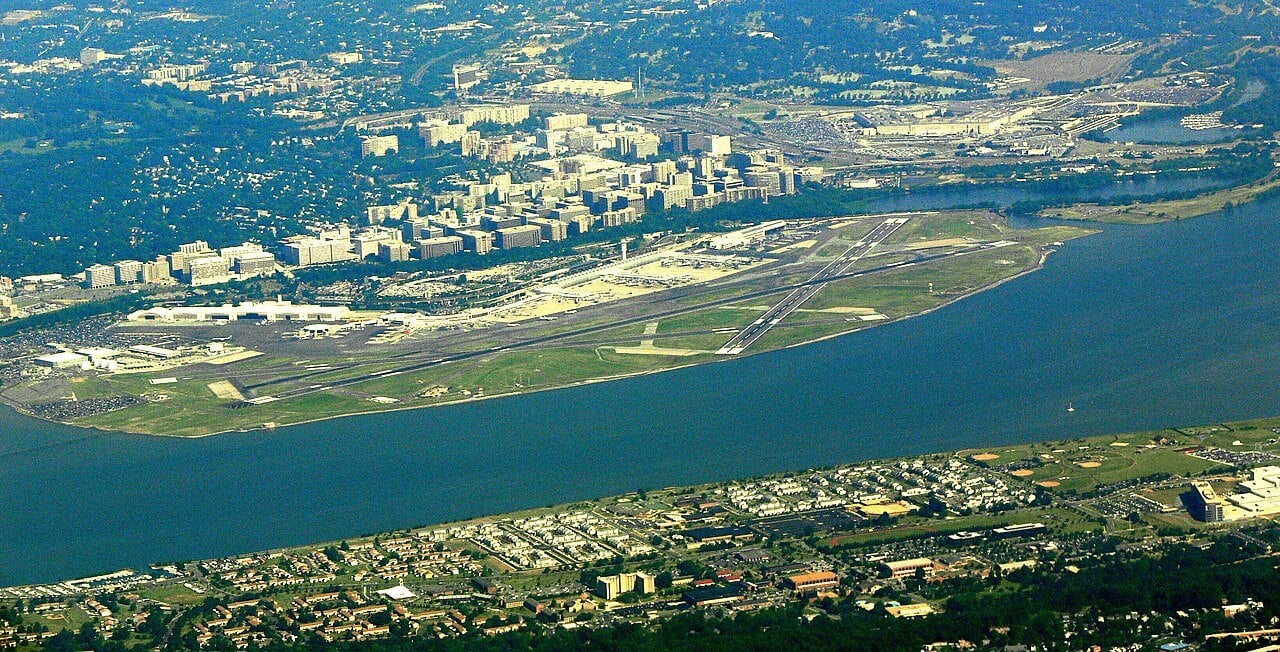
Two Boeing 737-800s, one airline, one taxiway, and a few metres too few. On the evening of Friday 27 November 2026, two American Airlines jets waiting to depart from Ronald Reagan Washington National Airport touched wingtips at the end of Runway 19, and one of them left its winglet lying on the ground.
Nobody was hurt, according to the Federal Aviation Administration, which said it is investigating. But on one of the busiest travel weekends of the year, at an airport with very little room to spare, the bump turned two departures into a six-hour wait.
Informazioni rapide
- Data: Friday 27 November 2026, around 5 p.m. local time
- Aeroporto: Ronald Reagan Washington National Airport (DCA), near Runway 19
- Aeromobili: Two American Airlines Boeing 737-800s
- Voli: AA638 to Dallas/Fort Worth and AA2152 to Chicago O’Hare
- Danno: One winglet torn off, according to ATC audio
- Infortuni: None reported (FAA)
- Ritardo: Both flights left about six hours late, according to tracking data
- Indagine: FAA investigating
“We swapped paint”
The contact happened at around 5 p.m. local time. American flight 638, bound for Dallas/Fort Worth, and American flight 2152, heading for Chicago O’Hare, had taxied out and were lining up side by side to wait for Runway 19, the longest runway at DCA.
When the tower told 638 to hold short of the runway, the crew had an unexpected answer. The exchange was captured on air traffic control recordings published by ATC.com and quoted by CNN.
The tower then checked with the other jet. “Oh yeah, we got clipped,” a pilot of flight 2152 replied, according to the same recording. Moments later a crew reported debris on the taxiway, describing a whole winglet on the ground. Airport operations staff recovered the torn-off wingtip before either aircraft moved.
Hold-short lines and a crowded corner
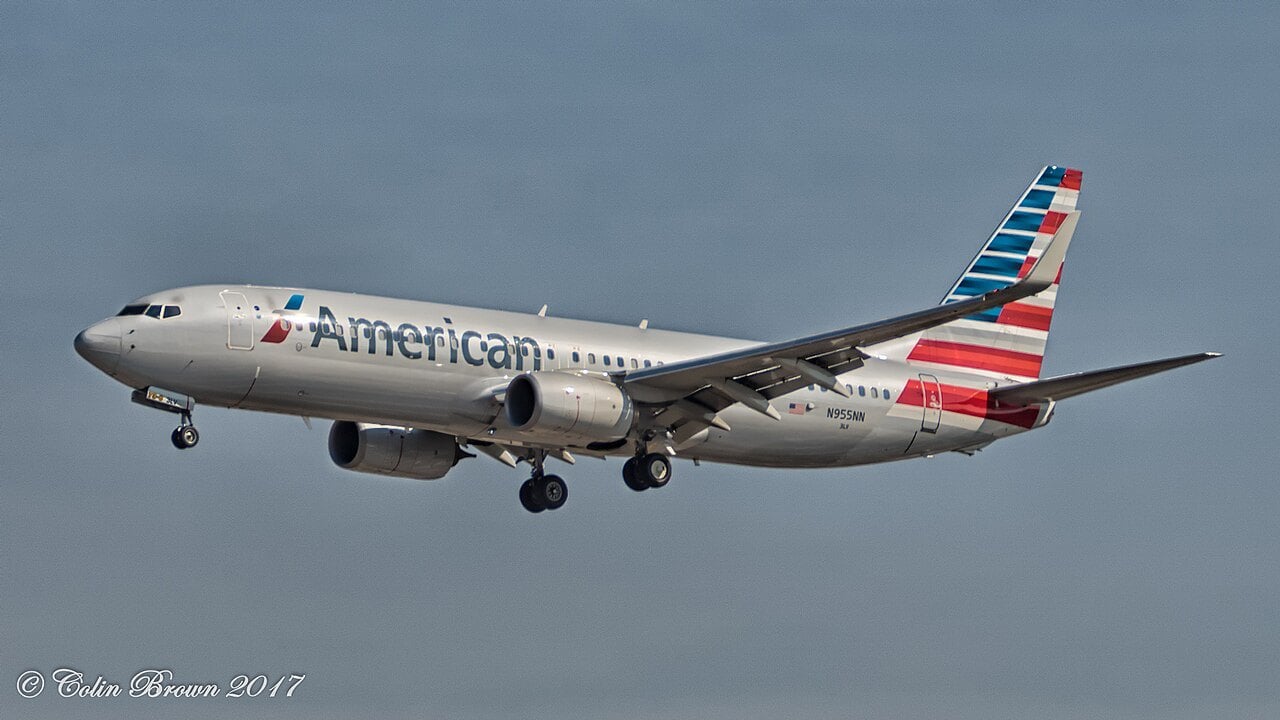
According to Simple Flying, the 737s were registered N955NN and N875NN, 12 and 15 years old respectively. Its analysis of flight tracking data shows flight 2152 lined up behind flight 638, in an area of taxiway wide enough to hold two jets abreast.
Hold-short markings are four yellow lines painted across the taxiway before it meets a runway: two solid lines on the taxiway side, two dashed lines on the runway side. Pilots must stop before the solid lines unless they are cleared onto the runway. A 737-800 with winglets spans about 35.8 metres (117 ft 5 in), and when two of them squeeze into one corner, there is not much margin for a nose that rolls a little too far.
FOX 5 Washington DC reports on the two American Airlines 737s that clipped wings while taxiing for departure at Reagan National on 27 November.
The ripple effects were felt in the air, too. The tower sent an arriving aircraft around and warned other inbound traffic to expect delays while the debris was cleared. Simple Flying identified the go-around aircraft as an Envoy Air regional jet.
Out of service, six hours late
Once the winglet had been picked up, both jets taxied back to the gate, where they were checked by the Metropolitan Washington Airports Authority Fire and Rescue Department, the airport told CNN. American Airlines removed both aircraft from service for maintenance inspections and said passengers would leave later the same evening.
Tracking data cited by Simple Flying shows flight 2152 finally left at around 11:00 p.m. and flight 638 at about 11:20 p.m., roughly six hours late. A passenger on one of the jets told CNN the moment of contact was strong enough to rock the whole aircraft.
The FAA is leading the investigation. Whether the National Transportation Safety Board joins in depends on the damage: under the NTSB’s definitions, an event without serious injuries becomes an accident only if an aircraft is substantially damaged, and ground damage to wingtips does not count as substantial.
A familiar kind of fender-bender
It is not the first time this has happened at DCA. Simple Flying points out that in April 2025, two American Eagle regional jets clipped wings while waiting to depart from the same airport. And on Afterburner we covered two other wingtip strikes this autumn, an Air Serbia A320 hit by an easyJet sharklet at Paris CDG, and a Copa 737 wingtip that met a UPS 767 nose in Miami on 14 November.
Wingtip collisions rarely hurt anyone, and they rarely make it past the gate. They do take aircraft out of service, strand passengers and fill investigators’ inboxes. At an airport as tight as Reagan National, the paint-swapping season is clearly not over yet.
Sources: Federal Aviation Administration, American Airlines, Metropolitan Washington Airports Authority, CNN, Simple Flying, ATC.com, WBKO/CNN Newsource, FOX 5 DC
0 Comments