
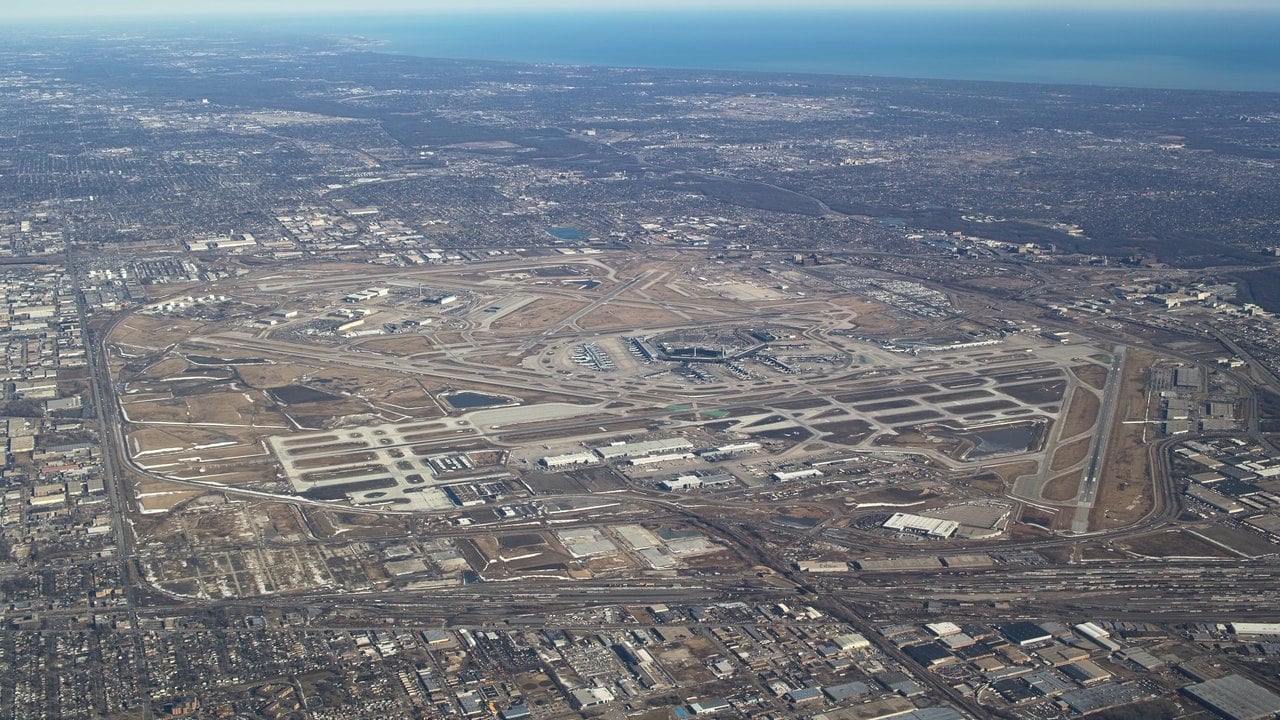
There is no D in O’Hare. There is no M or C in Orlando International either. Yet ORD and MCO are printed on millions of boarding passes and bag tags every year, and they are not mistakes. They are fossils: three letters that have outlived the names of the airfields they were created for.
Almost every airport you have ever flown from actually has two codes. A three-letter one for you, and a four-letter one for the pilots and air traffic controllers. Here is how airport codes work, who hands them out, and why some of them make no sense at first glance.
Informazioni rapide
- IATA codes: Three letters, for tickets, timetables and bags (e.g. LHR, ORD)
- ICAO indicators: Four letters, for flight plans, ATC and weather reports (e.g. EGLL, KORD)
- IATA rulebook: Resolution 763; codes issued at an airline’s request
- Codes in use: About 11,300 of 17,576 possible IATA combinations, per IATA
- New codes: Around 40 to 50 a year
- Three letters since: Late 1940s; LA became LAX in 1947
- US rule: ICAO indicator = K + three-letter code in the contiguous US
- ICAO list: Doc 7910, published quarterly
Two systems for two jobs
The code on your ticket comes from IATA, the International Air Transport Association, the trade body of the world’s airlines. In its own words, IATA’s three-letter location codes are used for strictly commercial airline purposes: reservations, timetables, tickets and baggage. London Heathrow is LHR, Frankfurt is FRA, Zurich is ZRH.
The code in a pilot’s flight plan comes from ICAO, the UN’s International Civil Aviation Organization. ICAO location indicators have four letters and, as IATA puts it, are issued for flight operations purposes, to commercial and non-commercial airports alike. Heathrow is EGLL, Frankfurt is EDDF, Zurich is LSZH. They appear in flight plans, air traffic control systems and aviation weather reports.
Pilot Institute explains how FAA, ICAO and IATA airport codes fit together, from a pilot’s point of view.
The two systems were built for different users and they live side by side. A small private airfield with no airline service can have an ICAO indicator but no IATA code. A railway station can have an IATA code, because airlines sell tickets that include the train journey, but it will never appear in a flight plan.
How IATA picks three letters
IATA’s rules are laid down in its Resolution 763, and the main objective is simple: every three-letter code must be unique. A code is only issued when an airline asks for one, usually the first airline planning to fly there. The first choice is an unassigned code made from the first three letters of the place name; failing that, an unassigned combination that preferably starts with the same first letter.
That sounds tidy, but with 26 letters there are only 17,576 possible combinations. IATA says roughly 11,300 codes are already assigned and around 40 to 50 new ones are added each year. Popular first letters ran out long ago, which is why many codes look like puzzles.
Cities add another layer. When one airport serves a metropolitan area, city and airport share a code: Geneva is GVA for both. When a city has several airports, each gets its own code and the city may get one more. Washington is served by DCA, BWI and IAD, and IATA gave the metropolitan area the code WAS so that a ticket search can cover all three.
Why ORD, MCO and LAX look strange
Airport coding started in the 1930s, when airlines chose their own two-letter codes. According to IATA, by the late 1940s there were too many airports for two letters and the system moved to three. Los Angeles International was originally just “LA” and became LAX in 1947. IATA itself took over the process in the 1960s, when airlines decided they needed a standardised system.
Chicago’s airport was built on the site of Orchard Field, a former Douglas aircraft assembly plant. The Chicago Department of Aviation says the City Council renamed it O’Hare in 1949, after the Medal of Honor naval aviator Edward “Butch” O’Hare. The airport changed its name; the code, ORD for ORcharD, stayed.
Orlando’s story is similar. The airport began life as a military airfield and in 1958 became McCoy Air Force Base, named after Colonel Michael McCoy. The Greater Orlando Aviation Authority says the city received the land after the base closed and the airport was renamed Orlando International in 1976. The code MCO stayed with it, and today the airport actively asks people to use it rather than the popular nickname OIA.
Canada is the odd one out. Almost every major Canadian airport code begins with Y: YYZ for Toronto, YVR for Vancouver, YUL for Montreal. IATA says the convention dates back to before the Second World War and is believed to be linked to the two-letter identifiers of weather stations or radio beacons, though it is no longer automatically observed.
Why codes almost never change
Once assigned, a code is meant to be permanent. Airline systems, ticket archives, baggage systems and timetables all depend on it, and changing it creates exactly the confusion the system exists to prevent. IATA allows a change only for strong reasons, primarily concerning air safety.
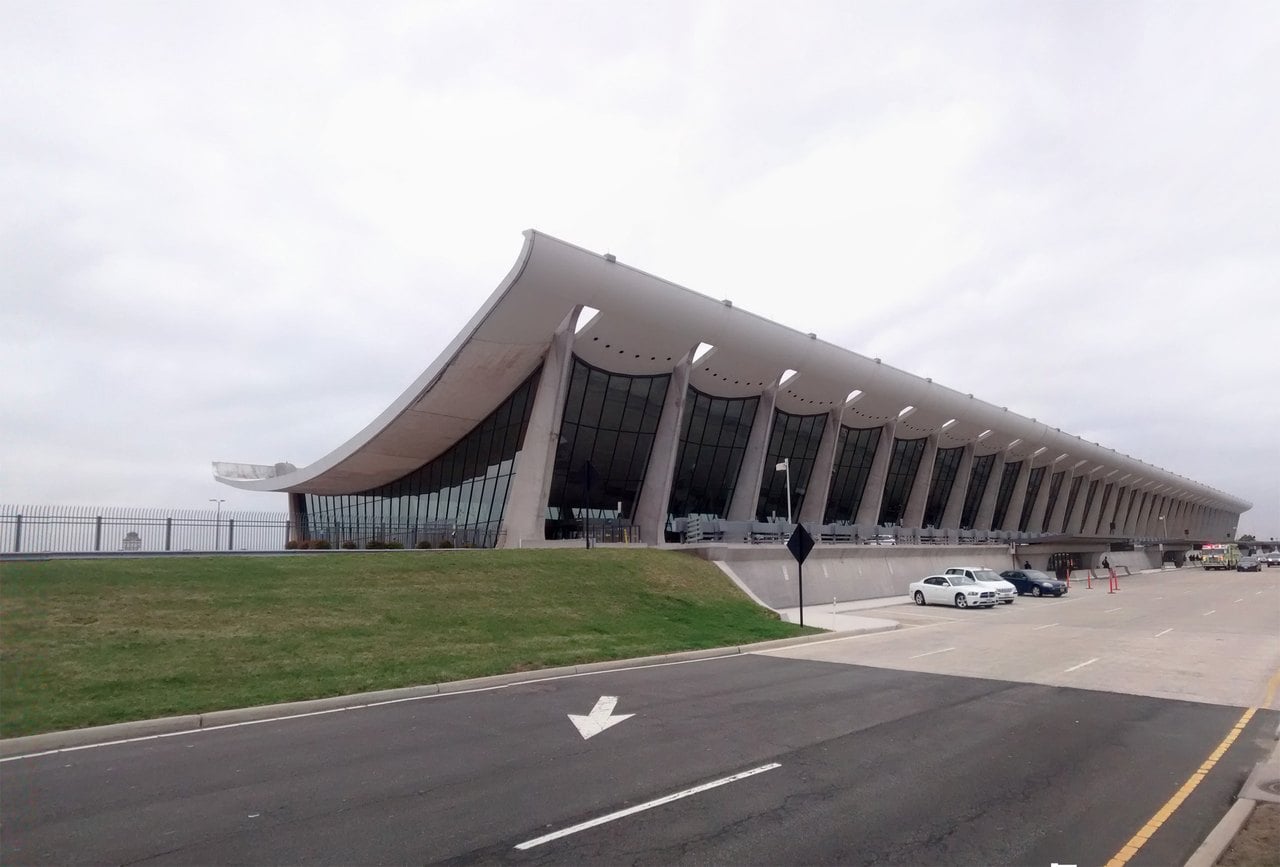
The classic example is Washington Dulles. It opened with the code DIA, which looked and sounded uncomfortably close to DCA, the code for Washington National across the river. IATA changed it to IAD to avoid confusion. Decades later, the second Washington airport is still IAD.
The four-letter code, decoded
ICAO indicators follow a geographical logic. They are assigned by each country’s aviation authority, supervised by ICAO, and built according to ICAO recommendations by geographical location, so the opening letters tell you roughly where you are: Frankfurt is EDDF, Paris Charles de Gaulle LFPG, Zurich LSZH and Heathrow EGLL. Further afield, Sydney is YSSY, Tokyo Haneda RJTT, Beijing ZBAA and Johannesburg FAOR. ICAO publishes them all in its Document 7910, updated quarterly, and stresses that stability in the codes matters.
In the contiguous United States the rule is even simpler. The FAA’s location identifier order says the four-letter indicator is the three-letter identifier preceded by K. Los Angeles becomes KLAX, O’Hare KORD, Orlando KMCO. Alaska, Hawaii and the US territories use two-letter prefixes instead: Honolulu, for example, is PHNL.
The same FAA order explains why some American codes avoid certain letters. The FAA does not assign three-letter identifiers beginning with N, W, Y or Z. N belongs to the US Navy, K and W blocks are assigned by the Federal Communications Commission to broadcast radio and TV stations, Y and Z codes are assigned by Transport Canada, and Z is also used for the FAA’s own air route traffic control centres.
CGP Grey on airport codes and why a single wrong letter can send you to the wrong continent.
Next time you check a bag
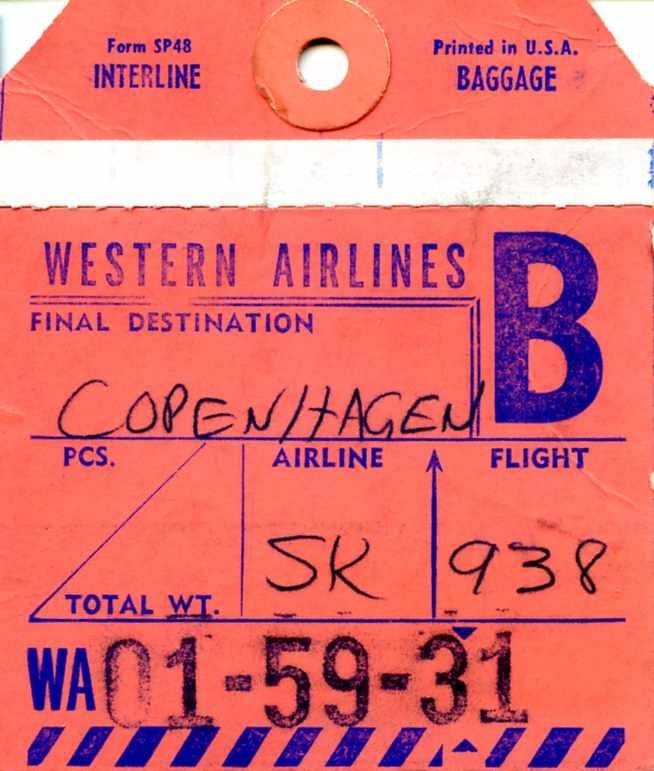
Look at your bag tag and you will see the IATA code printed huge, because a baggage handler has a few seconds to read it. Listen to the flight deck and you will hear the four-letter ICAO indicator instead. Both point to the same runway; they just speak to different people.
WGN News on why Chicago O’Hare’s airport code is ORD.
And if your destination code makes no sense, there is usually a story behind it: an orchard, an Air Force colonel, or the extra letter Los Angeles gained in 1947. In aviation, the names change. The codes stay.
Sources: IATA (Fact sheet: IATA Location Codes), ICAO (Designators and Indicators, Doc 7910), Federal Aviation Administration (Order JO 7350.9 Location Identifiers), NOAA Aviation Weather Center station data, Chicago Department of Aviation, Greater Orlando Aviation Authority, News 6 WKMG, WGN-TV
0 Comments