
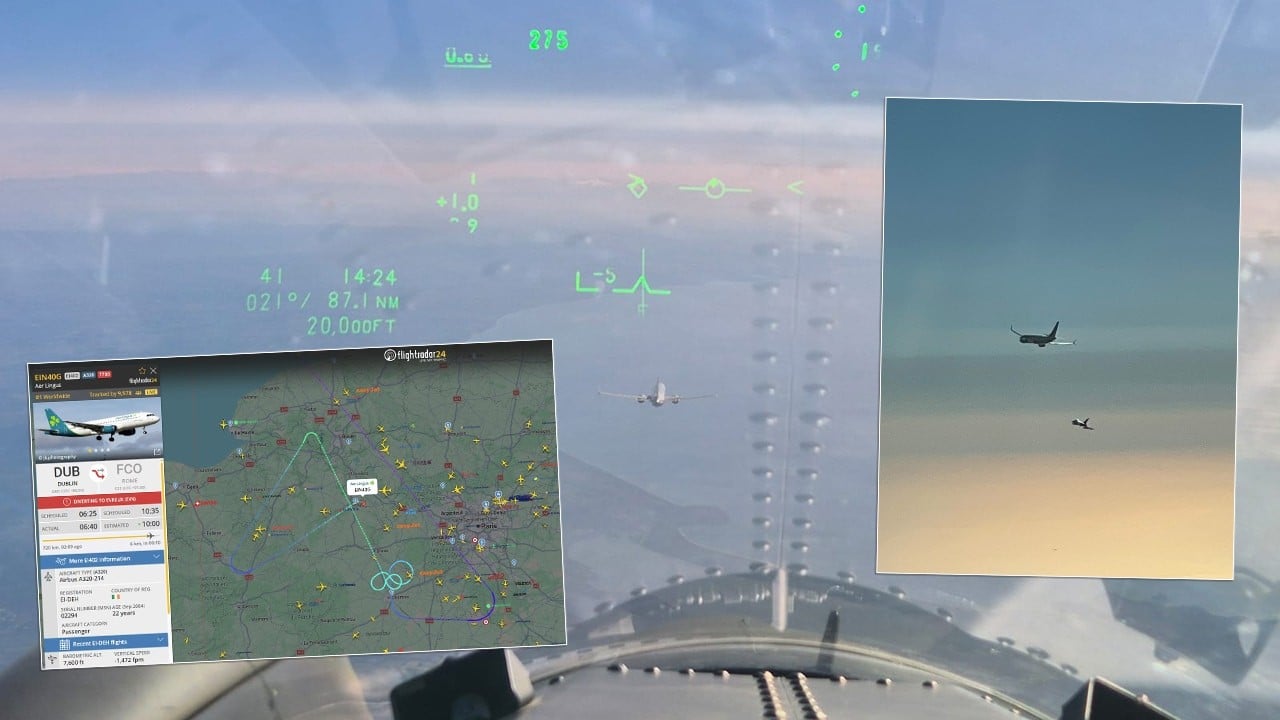
For the third time in four days, Europe’s quick reaction alert fighters spent Thursday morning shepherding airliners that someone claimed were carrying bombs. On 5 November 2026, Italian Eurofighters escorted a Finnair jet into Rome, a French military aircraft led an Aer Lingus flight down to an air base in Normandy, and fighter jets walked three Ryanair flights through Bulgarian airspace.
Every threat checked so far has turned out to be fake. Britain’s Transport Secretary Heidi Alexander called them “malicious hoax threats”. But each one still triggered the full response, and that response is exactly what makes a hoax so cheap to send and so expensive to answer.
Informazioni rapide
- Data: Thursday, 5 November 2026, following earlier waves on 2 and 3 November
- Scala: More than a dozen flights confirmed targeted (AP); Reuters counted at least 25 by Thursday afternoon
- Aer Lingus EI402: Dublin to Rome A320, diverted to the military air base at Évreux, Normandy, with a French military escort; 151 passengers and 6 crew safe
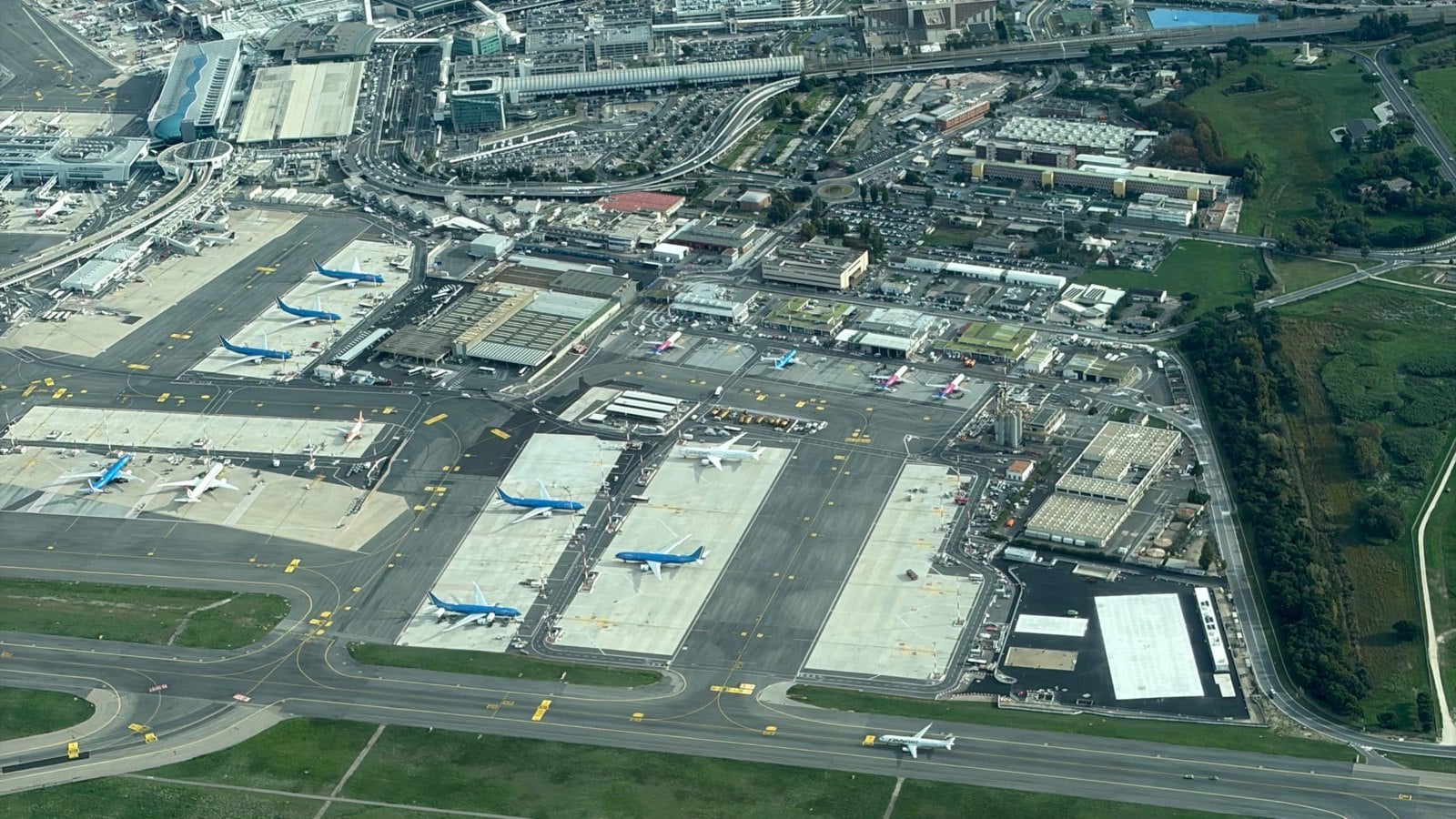
- Finnair AY1761: Helsinki to Rome, escorted by two Italian Air Force Eurofighters, landed safely at Fiumicino
- Bulgaria: Three Sofia-bound Ryanair flights escorted by fighter jets; one diverted to Plovdiv
- Devices found: None, as of Thursday afternoon
- Who is behind it: Unknown; the EU says it is too early to say whether the incidents are linked
An Aer Lingus A320 Lands at a French Air Base
The most dramatic diversion involved Aer Lingus flight EI402 from Dublin to Rome. According to French Prime Minister Sébastien Lecornu’s office, Italian authorities alerted Paris to a bomb threat against the Airbus A320 while it was over France, and a French warplane escorted it to the air base at Évreux in Normandy.
The jet landed safely with 151 passengers and six crew. Military bomb disposal teams examined the aircraft, and passengers were questioned and checked in groups of ten. Hours later the A320 was still on the tarmac while explosives experts and dogs went over it. French aviation security authorities have opened an investigation.
Eurofighters Over Rome, Again
At about the same time, the Italian Air Force scrambled two Eurofighter Typhoons on quick reaction alert to escort Finnair flight AY1761 from Helsinki into Rome Fiumicino, after an emailed threat. The jet landed at around 9:30 in the morning and police bomb disposal experts found nothing on board.
Finnair said two of its flights had faced “unfounded hoax bomb scares”. The second, a Helsinki to Vienna service operated by Jettime, landed normally at its destination.
It was not the first time this week for the Italians. On Tuesday, 3 November, two Eurofighters of the 4° Stormo launched from Grosseto Air Base to intercept and escort a civil flight from Dublin to Rome after a similar threat. The view through the fighter’s head-up display, released by the air force, shows the airliner sitting just ahead of the jet.
Sofia, Plovdiv, Prague, Vienna
In the east, three Ryanair flights bound for Sofia made emergency landings. Two, from Copenhagen and Madrid, landed at Sofia’s Vasil Levski Airport. The third, from London Stansted, diverted to Plovdiv. Bulgaria’s defence ministry said all three were escorted through its airspace by fighter jets.
The list kept growing through the morning. Czech police searched four aircraft that landed in Prague and found nothing. Aegean Airlines said two of its flights, Thessaloniki to Milan and Athens to Vienna, received hoax threats. A LOT flight from Warsaw to Brussels was inspected on arrival, a Wizz Air flight from Milan landed safely in Bucharest, and a flight to Warsaw put down in Vienna after Polish authorities received an email with a vague threat.
Third Wave in Four Days
Thursday’s threats followed two earlier rounds. On 2 November, a Wizz Air flight from London Luton to Sofia was diverted to Budapest with a Hungarian Air Force Gripen escort. On 3 November, flights operated by LOT, SAS, Wizz Air and Ryanair were hit by bomb alerts in several countries.
Several of the threats were reportedly sent as anonymous emails to airlines, airports or other organisations involved in operations. Nobody has claimed responsibility, and no explosive device has been found on any of the aircraft.
Tzitzikostas said an EU-level information-sharing mechanism on aviation security had been activated, and that the EU did not yet know whether a cyberattack was involved.
Why a Hoax Still Gets a Fighter Escort
Aircrews and authorities cannot assume a threat is fake until it is proven fake. A credible warning means a diversion to the nearest suitable airfield, emergency services on the runway, a bomb disposal team, and, if the aircraft is still airborne, quick reaction alert fighters to identify it, watch it and keep it away from cities if anything changes on board.
That is a lot of fuel, people and disruption to set in motion with an email. The wave also lands amid a run of suspected drone incursions that disrupted airports, especially in northern Europe, and authorities have warned that hybrid threats abound. Whether this week’s emails come from one source, several copycats or a state campaign, the cost asymmetry is the same: almost nothing to send, a lot to answer.
Sources: AP, Reuters, The Aviationist, Aeronautica Militare, Finnair, Euronews

0 Comments