
The first sign that something had gone wrong over northern Michigan was a voice on a radio frequency, telling Minneapolis Center that the other jet was about to be abandoned.
Two F-16 Fighting Falcons were working a low-level training route on Thursday afternoon, 17 September. Minutes later one of them was a fireball in a field in Grand Traverse County, a few miles east of Interlochen State Park and well within sight of people’s houses. The pilot came down under a parachute and survived.
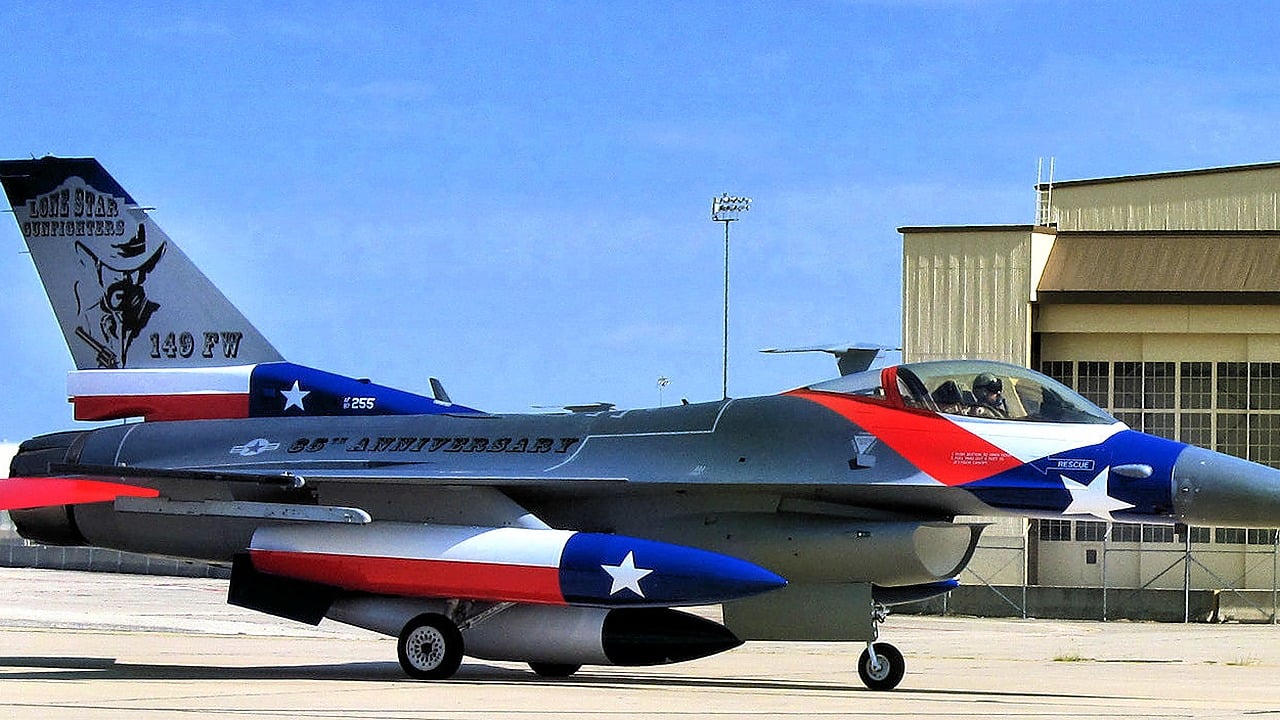
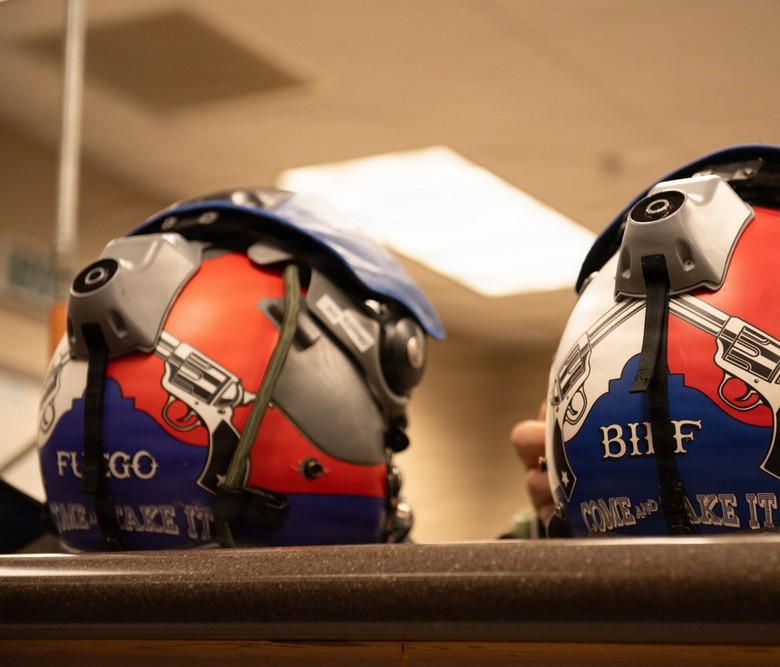
The jet belonged to the 149th Fighter Wing of the Texas Air National Guard — the Lone Star Gunfighters, based at Joint Base San Antonio-Lackland, and the unit that teaches new American pilots to fly the Viper. It was a very long way from home, operating out of the Air National Guard’s Combat Readiness Training Center at Alpena, on the other side of the state.
Informazioni rapide
| Data | Thursday 17 September 2026, afternoon |
| Aeromobili | General Dynamics F-16 Fighting Falcon (single-engine) |
| Unità | 149th Fighter Wing, Texas Air National Guard, JB San Antonio-Lackland |
| Operating from | Combat Readiness Training Center, Alpena, Michigan |
| Luogo dell'incidente | Green Lake Township, Grand Traverse County, south of Traverse City |
| Pilota | Ejected; hospitalised at Munson Medical Center in stable condition |
| Civilian casualties | None reported; no homes struck |
| Causa | Not established. Air traffic control audio refers to a possible bird strike and engine loss |
What the radio calls actually said
The two Vipers were flying VR634, a visual low-level military training route. According to audio captured by LiveATC.net and reported by CNN, the lead pilot told Minneapolis Center that his wingman may have struck a bird and was going to eject. A controller relaying the situation to other traffic described losing an engine and seeing heavy smoke.
That is the sum of what is publicly known about the cause, and it is worth being precise about its status: this is cockpit and controller chatter in the first minutes of an emergency, not a finding. The Air Force will convene an accident investigation board, and those boards routinely overturn the first-day explanation.
One detail does hold up to scrutiny, though. The F-16 has a single engine. There is no second powerplant to limp home on, no redundancy to trade altitude against. If a Viper loses its engine at low level on a training route, the pilot has very little time and usually only one good option, which is the one this pilot took.
A fireball next to houses, and nobody else hurt
Video from the scene showed a column of black smoke over farmland in Green Lake Township, near County Road 633 and Blair Townhall Road. Michigan State Police said the pilot was the only person aboard, ejected before impact, and was taken to Munson Medical Center in Traverse City in stable condition. No civilians were hurt and no homes were hit.
Authorities did issue a shelter-in-place advisory around the wreck, which is standard practice rather than a sign of anything exotic. A crashed fighter leaves a field of jet fuel, hydraulic fluid, composites and pyrotechnic devices, and the area stays closed until an explosive ordnance team and the fire service have been through it.
Local news coverage from the crash site south of Traverse City.
Why a Texas squadron was flying over Michigan
It looks odd until you know what Alpena is. The Combat Readiness Training Center there gives Guard and Reserve units something they cannot get at a crowded home base: enormous, largely empty airspace over Lake Huron and the northern Lower Peninsula, plus ranges and low-level routes. Units deploy to it for concentrated blocks of flying, which is why a San Antonio-based wing was putting jets down a Michigan training route in September.
The 149th is a training wing, and that matters for what comes next. The investigation will look closely at the sortie profile, the bird-strike question, and the engine. If a bird did go down the intake of a low-flying Viper, this becomes another entry in a long and unglamorous list: birds have destroyed more fighters than most air forces care to publish.
For now the headline is the good one. A single-engine fighter came apart over inhabited country on a routine training flight, and everybody walked away from it.
Sources: CNN, Detroit News, NBC News, CBS Detroit, Michigan State Police, 149th Fighter Wing / Texas Air National Guard, LiveATC.net.

0 Comments